
How To
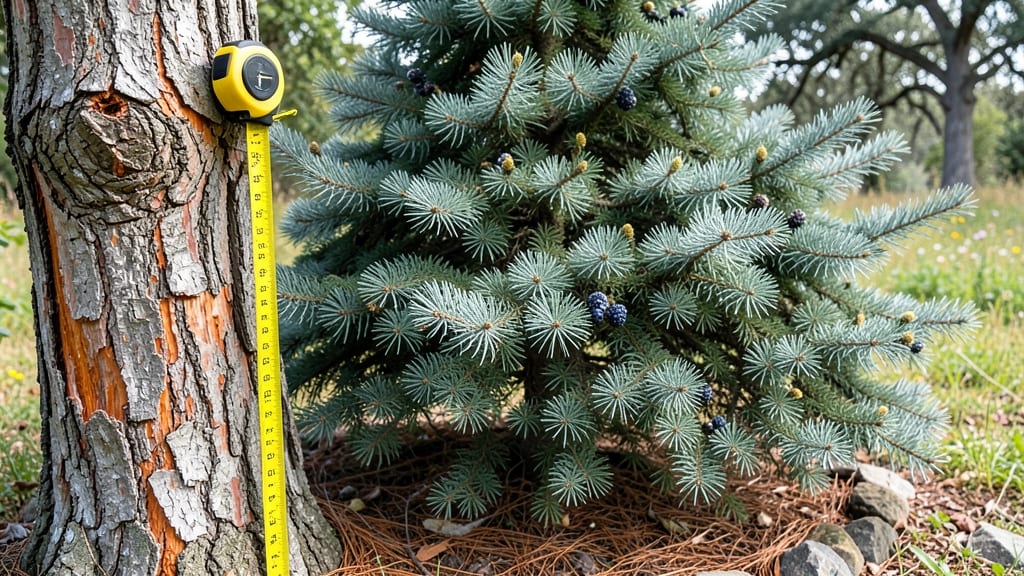
How tall a cedar tree grows varies wildly by species—from the 8-foot dwarf 'Green Pillar' to the 100-foot Atlas Cedar that could shade your entire backyard.
If you're considering planting one, you might be surprised to learn that even the "small" varieties can outgrow your expectations in 10 years. I planted an Eastern Red Cedar in my 6a zone yard five years ago, and it's already 12 feet tall—nearly the height of my garage.
But the real game-changer is how fast they grow. Some cedars add 2 feet per year in their prime, while others creep along at just 6 inches. The difference between a "compact" cedar and a towering giant often comes down to sunlight, soil, and a little pruning know-how.
In this guide, I'll break down exactly what to expect from each species, how to control their growth, and whether they're the right fit for your space—whether you've got a postage-stamp patio or an acre of land.


Cedar tree height ranges by species: from dwarf to giant varieties
Choosing the right cedar tree for your landscape depends heavily on its mature height—some varieties grow just 8 feet tall while others can reach over 100 feet. Understanding these differences helps you plan spacing, sunlight access, and long-term maintenance.
Whether you have a small urban yard or a sprawling rural property, there's a cedar species perfectly suited to your space.
Cedars are evergreen conifers prized for their drought tolerance, low-maintenance care, and fragrant foliage. Their height ranges vary dramatically between species, with some ideal for hedges or privacy screens and others better suited as statement landscape trees.
Let's explore the height spectrum from smallest to tallest varieties you can grow in USDA zones 3-8.
Pro Tip: Always check your local nursery for cultivar-specific growth rates—some named varieties may grow 20-30% slower than their wild counterparts due to selective breeding for compact forms.
Notice how the Eastern Red Cedar and its dwarf cultivars like 'Green Pillar' offer versatile height options for different property sizes. The Atlas Cedar and Deodar Cedar are architectural giants that require ample space and regular pruning to maintain their majestic forms without overcrowding neighboring plants.
When selecting a cedar, consider not just height but also spread width—some species like the Leyland Cypress can grow 15-20 feet wide, making them ideal for privacy screens but unsuitable for tight spaces.
Always measure your planting area and leave at least 10 feet of clearance for mature branches.
For urban gardens with limited space, the 'Blue Pacific' cultivar stays under 15 feet while providing year-round color and low-maintenance appeal. Its blue-green foliage contrasts beautifully with foundation plantings and perennial borders.
Just be prepared for slower growth—this variety matures at about half the rate of standard cedars.
If you're planting near power lines or roofs, prioritize dwarf varieties or commit to annual pruning to control
Factors that influence cedar tree height growth (and how to optimize them)
Understanding what affects cedar tree height helps you plan for the perfect location in your yard. Whether you want a towering landscape centerpiece or a compact privacy screen, these factors determine whether your cedar reaches its full potential—or stays smaller than expected.
Cedars are adaptable, but their growth rate and mature size depend heavily on environmental conditions. From soil drainage to pruning techniques, small adjustments can make a big difference in how tall your tree grows over time.
One of the biggest influences is sunlight exposure. Cedar trees thrive in full sun (6+ hours daily), but too much shade slows vertical growth. In USDA Zones 5-8, where cedars are most common, south-facing locations maximize height potential.
Your soil type also plays a critical role. Cedar trees prefer well-draining, slightly acidic soil (pH 5.0-7.0). Heavy clay or waterlogged conditions stunt root development, limiting how tall your tree can grow. Amending soil with compost or sand improves drainage for faster height gains.
Pruning practices can either encourage height growth or keep cedars compact. Avoid heavy pruning in early years—this stresses young trees. Instead, use selective pruning to shape branches without limiting vertical growth. For dwarf varieties like 'Green Pillar,' regular trimming maintains their 8-12 ft height.
Watering needs change as cedars mature. Young trees require deep watering (15-20 gallons weekly) to establish roots, while established cedars thrive with bi-weekly watering. Overwatering causes root rot, which can permanently reduce a tree's height potential.
Finally, climate zone affects growth speed. Cedar trees in warmer zones (8-9) grow faster than those in cooler Zone 5. For example, Atlas Cedars in California may reach 60 ft in 20 years, while the same species in New England could take 30 years.
Adjust expectations based on your local climate!