
How To
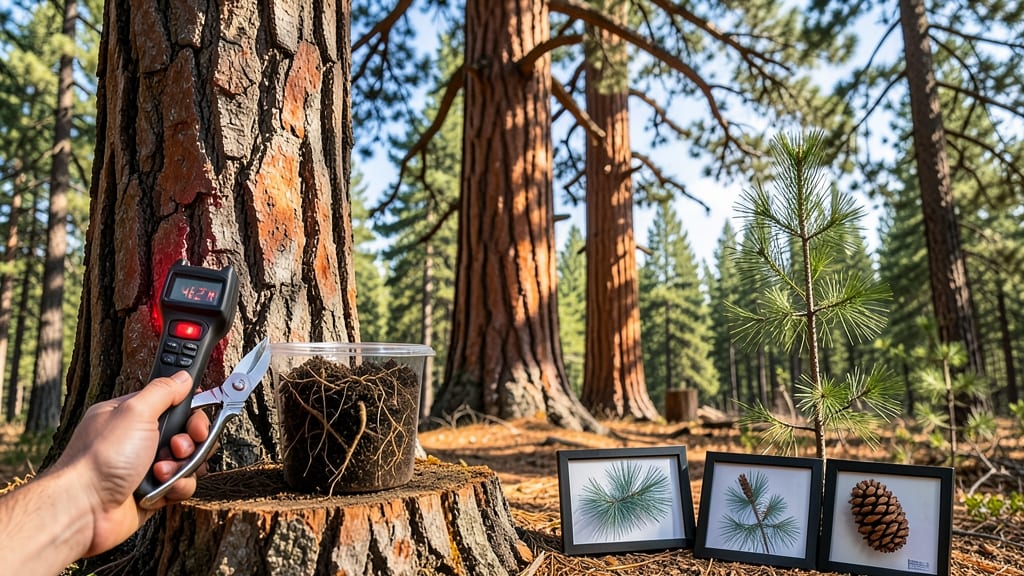
How tall can a pine tree grow? The answer will leave you breathless—some species soar higher than a 20-story building, with coastal redwood’s relatives like the ponderosa pine reaching heights that seem almost otherworldly when they stretch toward the sky in ideal conditions.
If you’ve ever stood beneath a towering pine and wondered just how high these giants of the forest can reach, you’re not alone—some species stretch toward the sky like natural skyscrapers.
From the foggy coasts of California to the rocky slopes of the Rockies, pine trees thrive in diverse climates, but their height depends on species, soil, and even elevation. A sugar pine in the right conditions might dwarf a bristlecone pine clinging to a windswept ridge.
Below, I break down the tallest pine species, how climate zones shape their growth, and practical tips to help your pine tree reach its full potential—whether you’re planting a seedling or admiring a century-old giant.


Tallest pine tree species: height records by variety
Pine trees are nature’s skyscrapers, with some species reaching heights that defy imagination. The tallest pine trees on Earth can dwarf even the grandest redwoods, growing over 200 feet under ideal conditions.
These giants thrive in specific climates and soil types, where they stretch their needles toward the sky for decades. Whether you're dreaming of planting a towering pine in your landscape or simply curious about these forest titans, understanding their height potential is fascinating.
The sugar pine (Pinus lambertiana) holds the record as the tallest pine species, often surpassing 200 feet in its native California forests. Its close relative, the ponderosa pine (Pinus ponderosa), can also reach staggering heights of 150-200 feet in the right conditions.
These species aren’t just tall—they’re also among the longest-lived trees on the planet, with some individuals living for over 1,000 years. Their massive size isn’t just a matter of genetics; it’s a result of perfect storm of climate, soil, and space.
Below, I’ve compiled a comparison of the tallest pine species, their average heights, and the conditions that allow them to reach such extraordinary sizes.
Whether you're a gardener or just an admirer of nature’s giants, this breakdown will help you appreciate what it takes to grow a pine tree that touches the clouds.
🌲
The sugar pine (Pinus lambertiana) isn’t just the tallest pine—it’s also one of the most impressive trees in the world. In California’s foggy coastal regions, these giants grow 5-6 feet per year in their youth, eventually reaching heights that make them the tallest conifers in North America.
Their massive cones, which can weigh up to 40 pounds, are a testament to their size. Planting one in your yard is a long-term commitment, but the reward is a tree that will outlive most human lifespans.
If you’re aiming for a slightly shorter but still stunning pine, the ponderosa pine (Pinus ponderosa) is an excellent choice. Native to the Rocky Mountains and western U.S., this species thrives in dry, open forests where it can spread its branches wide.
While it doesn’t grow quite as tall as the sugar pine, its thick, fire-resistant bark and towering presence make it a favorite for landscapes. In ideal conditions, some ponderosa pines have been known to reach over 200 feet, though 150 feet is more common.
The Monterey pine (Pinus radiata) is another coastal giant, often planted for its fast growth and ornamental value. While it typically maxes out around 100-150 feet, it’s incredibly adaptable and can thrive in sandy soils and coastal climates.
This makes it a popular choice for home gardens in USDA Zones 7-10, where it can add dramatic height without requiring the same extreme conditions as its taller cousins.
For those who love a challenge, the bristlecone pine (Pinus longaeva) offers a unique twist—it may not grow as tall, but it lives far longer than any other pine.
Found in the high elevations of the Rocky Mountains, these trees often grow just 30-50 feet tall but can live for over 5,000 years. Their slow growth and resilience make them a symbol of endurance, proving that height isn’t the only measure of greatness in the pine world.
If you’re considering planting a tall pine in your landscape, remember that space is critical. These trees need room to spread their roots and branches, so plan for at least 30-50 feet of clearance from structures and power lines.
Additionally, soil drainage and sunlight play huge roles in their growth. While some pines tolerate partial shade, the tallest varieties will always perform best in full sun with well-draining
How climate zones affect pine tree growth height
Climate zones play a critical role in determining how tall pine trees can grow. In temperate zones like the Pacific Northwest, species like Pinus ponderosa thrive, reaching heights of 150-200 feet thanks to mild winters and abundant rainfall.
Meanwhile, Mediterranean climates produce shorter but hardier pines, such as Pinus halepensis, which rarely exceed 60 feet due to hot, dry summers. The difference isn’t just about rainfall—soil composition and elevation also shape growth patterns dramatically.
In boreal zones, like those found in Canada or Alaska, pine trees like Pinus banksiana grow slower but can still reach 50-70 feet over centuries. The short growing seasons and cold temperatures limit their height, but they develop deep root systems to survive harsh winters.
Coastal microclimates, such as those in California’s redwood forests, create ideal conditions for towering pines, with fog drip providing extra moisture even in dry summers.
Soil type is another key factor. Well-draining, nutrient-rich soils allow pines to grow taller, while clay-heavy or waterlogged soils stunt their development. For example, Rocky Mountain pines grow shorter in high-elevation areas with thin, rocky soil compared to their lowland counterparts.
Understanding these climate interactions helps gardeners and landowners choose the right pine species for their region and maximize growth potential.
| Climate Zone | Pine Species | Avg. Height | Key Climate Factors |
|---|---|---|---|
| Temperate | Pinus ponderosa | 150-200 ft | Mild winters, high rainfall, deep soils |
| Mediterranean | Pinus halepensis | 30-60 ft | Hot summers, low humidity, drought-resistant |
| Boreal | Pinus banksiana | 50-70 ft | Cold winters, short growing season, acidic soils |
| Coastal | Pinus radiata | 100-150 ft | Fog drip, mild temperatures, nutrient-rich soils |
| Mountain | Pinus contorta | 40-80 ft | High elevation, thin soils, strong winds |
Elevation creates microclimates that dramatically alter pine growth. At higher elevations, like those in the Sierra Nevada, pines grow shorter but develop thicker trunks to withstand strong winds and snow loads.
Meanwhile, lowland pines in coastal fog belts benefit from consistent moisture, allowing them to grow taller without the stress of drought. For example, Pinus radiata in California’s foggy coasts can reach 100-150 feet, while the same species in drier inland areas may only grow to 60 feet.
Gardeners in urban or suburban areas can mimic these ideal conditions by selecting drought-tolerant varieties for arid climates or providing extra mulch and water in hotter regions.
For instance, Pinus canariensis, native to the Canary Islands, thrives in Mediterranean climates but can also adapt to USDA Zone 8-10 with proper care.
By understanding how climate zones shape pine growth, you can choose the right species and create the perfect environment for your trees to reach their full potential.
If you’re planting pines in your landscape, consider local climate data and soil tests to ensure optimal growth. Whether you’re aiming for a towering coastal giant or a hardy mountain pine, matching the species to its natural climate zone will help you achieve the tallest, healthiest trees possible.
With the right conditions, even a small backyard can become a pine forest sanctuary! 🌲