
How To
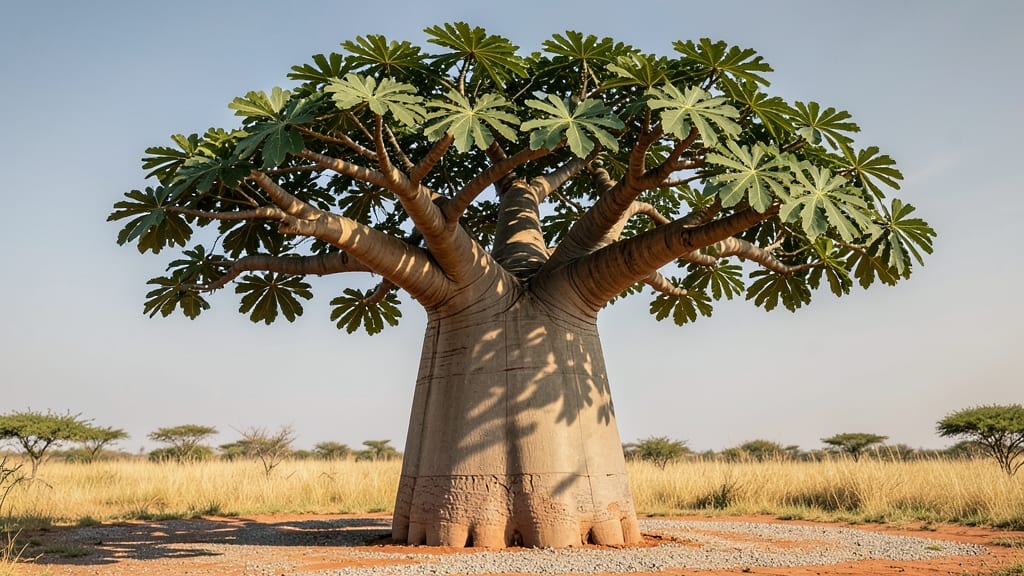
A baobab tree can grow up to 80 feet tall 🌳—taller than a 4-story building—with some species stretching even higher in ideal conditions.
Picture this: a tree so massive it looks like a giant bottle planted upside-down in the earth. The baobab isn’t just a landmark—it’s a living testament to patience, thriving for centuries with minimal care.
But how do these giants reach such heights? It’s not just about time—climate, soil, and even the species play a role. Some baobabs stay shorter, while others shoot skyward, defying expectations.
In this guide, I’ll break down the secrets behind their growth, from record-breaking specimens to practical tips for cultivating your own—whether you dream of a backyard giant or just admire their majesty.


Baobab tree height records: tallest species & their staggering measurements
The baobab tree (Adansonia spp.) stands as nature’s skyscraper, with some species reaching heights that dwarf even the most famous human-made landmarks. While most gardeners dream of growing towering trees, baobabs take that ambition to a whole new level.
The tallest specimens can stretch 80 feet or more, with trunks so massive they look like they were designed by architects rather than nature. But not all baobabs grow this large—species and growing conditions play a huge role in their ultimate height.
To put these giants into perspective, imagine a tree taller than the Statue of Liberty’s torch (which stands at 305 feet) but with a trunk wider than a giraffe’s neck.
The African baobab (Adansonia digitata), the most widespread species, typically reaches 50-80 feet, while the grandidier’s baobab (Adansonia grandidieri) in Madagascar can grow even taller, with some specimens exceeding 100 feet in circumference alone. These aren’t just tall trees—they’re living monuments.
Here’s how the tallest baobab species compare to famous landmarks, along with verified measurements from botanical studies:
The grandidier’s baobab holds the record for the tallest verified specimen, with one individual in Madagascar measuring 100 feet tall and boasting a trunk circumference of 50 feet. That’s wider than most cars are long!
These trees grow so wide because their trunks act as water storage tanks, allowing them to survive in arid conditions where other trees would wither. Their height is just one part of their incredible adaptation to harsh environments.
Interestingly, the African baobab, despite being the most common species, rarely exceeds 80 feet in height. This species prioritizes trunk girth over height, often growing wider than it does tall.
For example, the famous Sunland Baobab in South Africa has a trunk circumference of 75 feet but stands only 60 feet tall. The trade-off between height and width is a fascinating survival strategy in their native habitats.
If you’re dreaming of growing a baobab in your garden, it’s important to set realistic expectations. While these trees can reach impressive heights, their growth is extremely slow. A baobab might take 50-100 years to reach maturity, making patience a key ingredient in successful cultivation.
Their slow growth is one reason why they’re often found in protected reserves rather than backyard gardens, where space and time are limited.
For gardeners in USDA Zone 6 or warmer, the African baobab is the most feasible option, though it still requires ample space and full sun. Smaller varieties or dwarf baobabs don’t exist, but younger trees can be grown in containers for a few years before being planted outdoors.
Just remember: these giants aren’t just about height—they’re about lifespan, with some individuals living for 1,000 years or more. 🌳
One of the most astonishing facts about baobabs is their ability to regenerate even after being cut down. While this isn’t a technique for encouraging height, it highlights their resilience.
In some cases, baobabs have been harvested for their edible fruit or timber, only to sprout new growth from their stumps. This resilience is part of what makes them such enduring symbols in African folklore and ecosystems.
If you’re captivated by the idea of growing a baobab, focus on creating the right conditions: well-draining soil, full sunlight, and minimal interference. While you might not grow a 100-foot giant in your backyard, even a 20-foot specimen will be
What determines a baobab tree’s height? Climate, soil & growth secrets
A baobab tree’s height potential is a fascinating interplay of genetics, environmental conditions, and growth habits. Unlike fast-growing trees, baobabs mature at a glacial pace—sometimes taking hundreds of years to reach their full stature.
The Adansonia digitata, the most widespread species, can tower up to 80 feet, while others like Adansonia grandidieri may stay shorter but develop massive trunks. Their growth isn’t just about height; it’s about survival adaptations to harsh climates.
The climate plays a pivotal role in determining a baobab’s height. In arid regions, like the Kalahari Desert, baobabs grow taller and leaner to maximize sunlight exposure. Here, water scarcity forces them to develop deep root systems (up to 100 feet deep), which indirectly supports their vertical growth.
Conversely, in tropical climates, like Madagascar, baobabs often grow shorter but wider, with thicker trunks to store water. This adaptation reduces their height but increases their water storage capacity.
| Factor | Impact on Height | Example |
|---|---|---|
| Climate | Arid: Taller, leaner; Tropical: Shorter, wider | Kalahari (80 ft) vs. Madagascar (50 ft) |
| Soil Type | Calcium-rich: Faster growth; Sandy: Slower, shorter | South Africa (calcareous soil) vs. Australia (sandy) |
| Water Access | Limited: Deeper roots, taller; Abundant: Wider trunk | Namibia (80 ft) vs. Mozambique (40 ft) |
| Genetics | Species-specific growth patterns | Adansonia grandidieri (shorter trunk) vs. A. digitata |
Soil composition is another critical factor. Baobabs thrive in calcium-rich, well-draining soils, which provide essential nutrients for rapid vertical growth. In sandy soils, like those in parts of Australia, baobabs grow slower and often reach shorter heights (around 40-50 feet). The pH level also matters—baobabs prefer slightly alkaline soils (pH 7.5-8.5). If planted in acidic soil, their growth stunts, and they may never reach their full potential height.
Water access is a double-edged sword. While baobabs are drought-tolerant, they grow tallest in areas with seasonal water availability. In regions like Namibia, where rainfall is sporadic, baobabs develop extensive root systems to scavenge moisture, which indirectly supports their towering stature.
However, in areas with consistent water supply, like parts of Zimbabwe, baobabs often grow wider rather than taller, prioritizing trunk expansion over height.
Genetics also play a role in determining height. The Adansonia digitata, for example, is known for its tall, slender trunks, while the Adansonia grandidieri of Madagascar grows shorter but with a massive, bottle-shaped trunk.
Even within the same species, individual trees can vary in height due to microclimates and soil differences. For instance, a baobab in a protected valley might grow 20 feet taller than one on an exposed plateau, even if they’re the same species.
If you’re dreaming of growing a towering baobab, focus on replicating its natural conditions: full sun, calcium-rich soil, and minimal watering (except during establishment).
Patience is key—these trees grow at a snail’s pace, but with the right conditions, they’ll reward you with a living monument that could outlive generations. 🌳