
Light Requirements
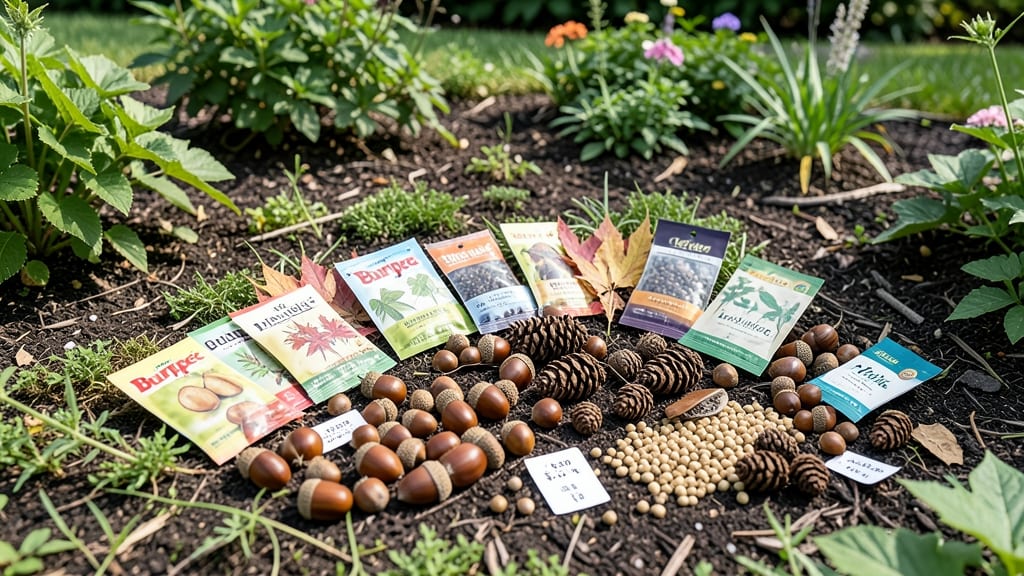
Buying tree seeds costs can range dramatically—common native varieties like oak or maple typically cost between $0.50 and $5 per packet, while specialty seeds (such as those for fruit trees) often exceed $20 for a single packet. Bulk purchases from nurseries or online retailers can reduce per-seed costs to $0.10–$0.50.
Pricing for tree seeds depends heavily on factors like rarity, germination rates, and sourcing methods. 🌱 For instance, seeds from fast-growing species like willow or poplar tend to be cheaper than those from slow-growing or exotic trees.
Nursery-grown seeds often cost more than wild-harvested ones due to quality control and processing. Buying in bulk isn't just cost-effective—it also ensures you have enough seeds to improve germination odds, especially for less reliable varieties.
Where you shop makes a big difference too. Online seed banks often offer competitive pricing with bulk discounts, while local nurseries may provide fresher seeds but at higher retail markups. Some specialty suppliers even offer seasonal promotions or membership perks that can cut costs further.
If you're patient, collecting seeds from mature trees in your area can be the most budget-friendly option—just be mindful of local regulations and seed viability.
💡 In This Article
- Factors Influencing Tree Seed Pricing
- Best Places to Buy Affordable Tree Seeds
Factors influencing tree seed pricing
The rarity of a tree species is the single biggest factor in seed pricing. Native trees like white oak or red maple are widely available, so their seeds typically cost $0.50–$2 per packet for 50–100 seeds.
In contrast, exotic species such as the Japanese maple or rare fruit trees like the persimmon can cost $15–$25 per packet because they require specialized growing conditions and are harder to cultivate. The scarcity of seeds for endangered species can push prices even higher, sometimes exceeding $50 per packet.
Germination rates directly impact pricing too. Nursery-grown seeds undergo rigorous testing to ensure high viability, often 80–95% germination, which justifies their higher cost ($3–$10 per packet).
Wild-harvested seeds, while cheaper ($0.50–$3 per packet), may have lower germination rates (40–70%), meaning you might need to plant more seeds to achieve the same results. This trade-off explains why some gardeners prefer paying extra for certified seeds, especially for slow-growing trees.
Sourcing methods create another pricing tier. Wild-collected seeds from reputable suppliers cost less because they skip the nursery's controlled environment, but they lack quality guarantees. For example, a packet of wild-collected hickory seeds might cost $1.50, while nursery-certified hickory seeds can reach $8–$12.
Bulk purchases from wholesalers (like $0.10–$0.50 per seed) make sense for large-scale planting projects, but individual gardeners often pay a premium for convenience and reliability.
Regional availability plays a hidden but critical role. Seeds for trees native to your climate are almost always cheaper because they’re locally sourced and don’t require special handling.
For instance, a packet of eastern redbud seeds costs $2–$4 in the Midwest but could double in price if shipped from a specialty supplier on the West Coast. Climate-adapted seeds also have higher survival rates, reducing the risk of wasted money on non-viable purchases.
Packaging and branding add another layer. Retail packets with detailed growing instructions or branded labels (like those from Arbor Day Foundation) cost more ($5–$15) than generic bulk bags. However, these often include bonus features like germination tips or companion planting guides, which can justify the higher price.
For budget-conscious buyers, opting for unbranded bulk seeds and doing your own research can save 30–50% while still delivering quality results.
Seasonal fluctuations also affect pricing. Many suppliers offer discounts of 20–40% during off-seasons (winter or early spring) when demand is low. For example, a packet of apple seeds might drop from $12 in fall to $7–$8 in January.
Timing your purchases to align with these sales can significantly cut costs, especially for larger orders.