
Blooming
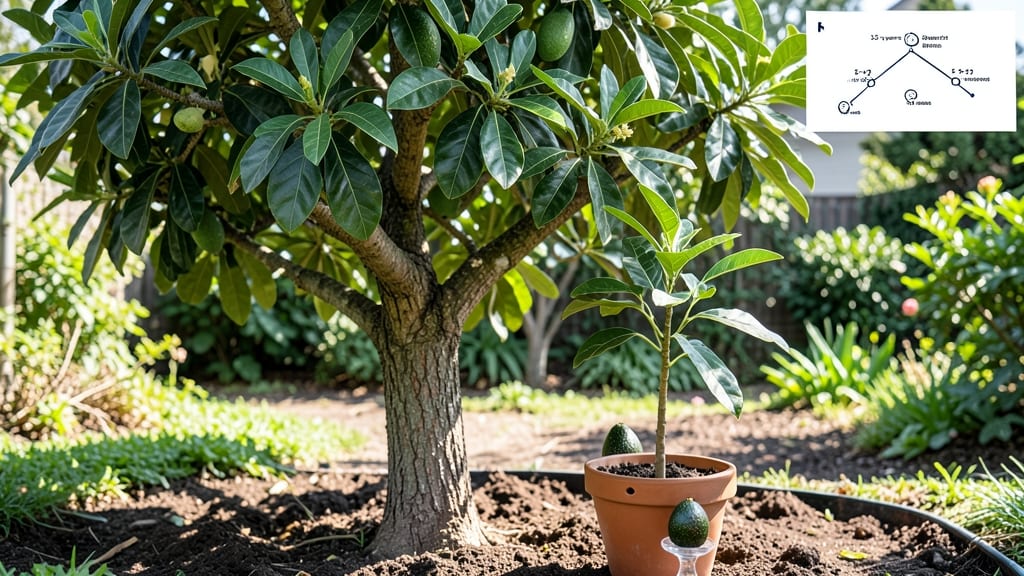
How long until an avocado tree bears fruit? It can take as little as 3 years with the right variety and care—but most gardeners wait closer to 5–13 years before seeing their first harvest.
Dreaming of fresh avocados straight from your backyard? The wait time for an avocado tree to bear fruit can feel like an eternity—but some varieties and growing conditions can slash that timeline dramatically.
Why the huge range? It comes down to cultivar, climate, and how you nurture the tree. A Hass or Reed avocado in ideal subtropical conditions might fruit in just 3–5 years, while a standard tree in a cooler zone could take a decade or more.
Here’s how to pick the fastest-growing varieties, tweak your climate for success, and even speed up fruiting with smart pruning and pollination tricks—so you’re not waiting a lifetime for that first creamy, buttery avocado.
Fastest avocado tree varieties that bear fruit in 3-5 years
If you're eager to enjoy homegrown avocados, choosing the right avocado variety is your first step toward a faster harvest.
While standard avocado trees can take 5-13 years to bear fruit, some early-bearing varieties like Hass, Reed, and Fuerte can produce fruit in as little as 3-5 years with proper care. The key lies in selecting cold-hardy types and optimizing growing conditions to accelerate maturity.
Not all avocado trees thrive in every climate—some varieties need warm, frost-free zones (USDA zones 9-11), while others like Reed and Hass tolerate cooler temperatures down to 20°F.
Understanding these nuances helps you pick the fastest-maturing variety for your region. Let’s dive into the top contenders and what makes them stand out.
🌱 Comparison Table: Fastest Avocado Varieties for Early Fruit Production
| Variety | Time to First Fruit | Cold Hardiness | Pollination Needs | Fruit Size |
|---|---|---|---|---|
| Hass | 3-5 years | 20°F (-7°C) | Self-pollinating | Medium (6-8 oz) |
| Reed | 4-6 years | 20°F (-7°C) | Requires pollinator | Large (10-14 oz) |
| Fuerte | 5-7 years | 25°F (-4°C) | Self-pollinating | Large (12-16 oz) |
| Bacon | 5-8 years | 20°F (-7°C) | Self-pollinating | Medium (8-10 oz) |
The Hass avocado is the fastest variety, often bearing fruit in just 3-5 years when grown in ideal conditions. Its dark, bumpy skin and rich flavor make it a favorite, but it requires full sun exposure and well-draining soil to thrive.
If you live in a cooler climate, Reed or Bacon varieties are excellent choices—they handle 20°F temperatures and still produce fruit relatively quickly.
For gardeners in warmer climates (zones 9-11), the Fuerte variety is a top pick due to its large fruit size and self-pollinating nature. However, it may take slightly longer—5-7 years—to bear fruit compared to Hass.
Always check your local USDA zone to ensure the variety you choose aligns with your climate’s frost tolerance.
One common misconception is that dwarf avocado trees bear fruit faster. While they stay smaller (16-20 ft tall), their fruiting timeline isn’t significantly shorter than standard varieties. The real speed boost comes from optimal growing conditions, including consistent watering, balanced fertilization, and proper pruning to encourage early blooming.
If you’re planting multiple trees, consider pairing a self-pollinating variety (like Hass or Fuerte) with a pollinator-friendly type (like Reed) to maximize fruit set. Cross-pollination can increase yields by up to 30%, ensuring a bountiful harvest sooner.
Just remember: patience is key—even the fastest varieties need time to establish strong roots before fruiting.
For container growers, opt for dwarf grafted varieties like Hass or Reed. These can be grown in large pots (20+ gallons) and still produce fruit in 4-6 years, making them perfect for patios or small yards.
Just ensure the container has drainage holes and use a lightweight potting mix to prevent root stress.
🌿 Whether you're in a frost-prone area or a tropical paradise, selecting the right avocado variety and providing the ideal growing conditions will get you closer to that first homegrown avocado in record time.
Start with Hass or Reed, and don’t forget to monitor soil moisture and nutrient levels—your tree’s speed to fruiting depends on it!
Climate and growing conditions that speed up fruit production
Avocado trees thrive in warm climates, but not all growing conditions are created equal when it comes to speeding up fruit production. The right combination of temperature, sunlight exposure, soil quality, and watering practices can cut years off your wait time for those first ripe avocados.
In tropical zones like USDA Zones 10-11, trees mature faster, while subtropical gardeners in Zones 8-9 need microclimate strategies to protect their trees from cold snaps.
Sunlight is non-negotiable for avocado trees—they demand full sun exposure (6+ hours daily) to produce fruit efficiently. Even in cooler climates, a south-facing location with reflected heat from walls or fences can create a microclimate that mimics tropical conditions.
Without adequate sunlight, your tree will focus on leaf growth rather than fruiting, delaying harvests by 2-3 years or more.
Soil drainage is equally critical. Avocados despise soggy roots, which can lead to root rot and stunted growth. Amending heavy clay soil with organic matter like compost or sand creates the well-draining environment these trees crave.
A slightly acidic pH (6.0-7.0) further optimizes nutrient uptake, helping your tree allocate energy toward fruit production instead of struggling to access nutrients.
🌱 Key Takeaway: How Long Until Your Avocado Tree Bears Fruit?
- 🌞 Full sun (6+ hours daily)
- 💧 Deep watering (10-15 gallons weekly)
- 🌡️ Microclimate protection (windbreaks, mulch)
- 🌱 Well-draining soil (pH 6.0-7.0)
- ❄️ Frost exposure (delays maturity)
- 🌧️ Poor drainage (root rot risk)
- ☀️ Partial shade (reduces fruiting)
Watering techniques also play a surprising role in accelerating fruit production. Avocados prefer deep, infrequent watering—think 10-15 gallons weekly—rather than shallow, frequent sprinkles. This encourages deep root growth, which stabilizes the tree and improves nutrient absorption.
In summer months, increase frequency to twice weekly to prevent stress, but always water in the morning to reduce fungal risks.
For gardeners in subtropical or cooler zones, creating a microclimate can make all the difference. Planting near heat-reflecting surfaces (like dark pavement or stone walls) or using windbreaks protects young trees from cold snaps.
Mulching with organic matter (like wood chips) retains soil moisture and regulates temperature, mimicking the stable conditions of tropical climates. These small adjustments can shave 1-2 years off your tree's fruiting timeline.
Don’t overlook the importance of cross-pollination if you’re growing multiple trees. While some varieties like Hass are self-pollinating, others (like Fuerte) produce more fruit with a pollinator nearby.
Planting two compatible varieties within 50 feet of each other ensures better fruit set, especially in cooler climates where pollen transfer is less efficient. This simple step can double your harvest potential in just a single season.
By optimizing these growing conditions, you’ll give your avocado tree the best chance to mature quickly and bear fruit in record time—whether you’re in a tropical paradise or a subtropical backyard.
The key is consistency: sunlight, drainage, and proper watering are the trifecta for faster avocado production. 🥑