
Blooming
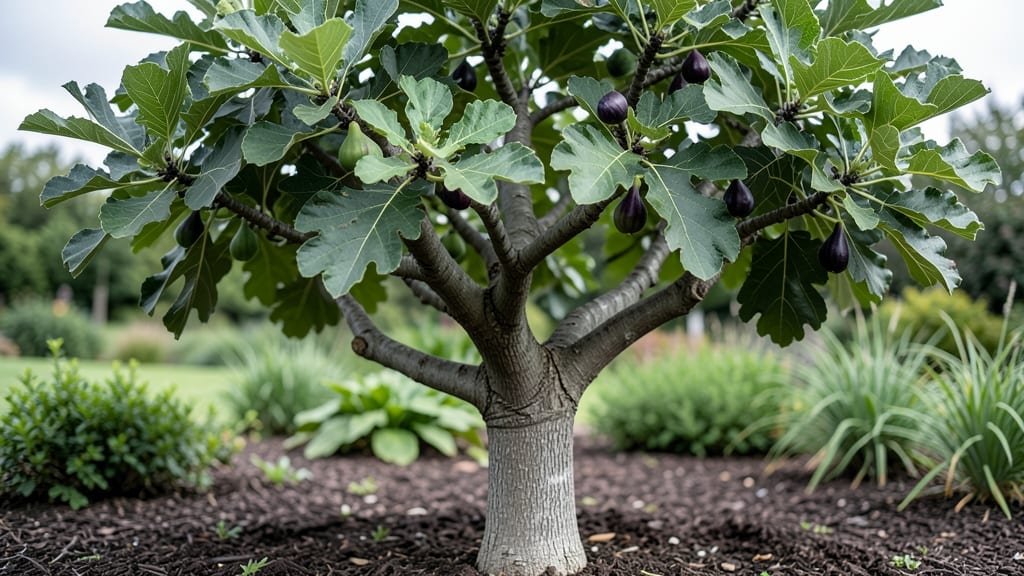
A fig tree bears fruit in 1 to 5 years, depending on the variety, climate, and care you provide — but the wait can feel endless when you’re staring at a leafy sapling and dreaming of harvests.
If you’ve planted a fig tree hoping for a quick harvest, you’ll need patience—some varieties take years before bearing fruit, while others surprise you sooner. Understanding the timeline can help you set realistic expectations and optimize growing conditions for success.
Common figs like ‘Celeste’ may fruit in as little as 1-2 years with ideal care, while standard varieties like ‘Brown Turkey’ often need 3-5 years to mature. Climate plays a huge role: warmer zones like 6a speed up fruiting, while cooler areas may delay it.
Here’s what you’ll learn: how to read your tree’s growth signals, which care steps accelerate fruiting, and why dwarf varieties might fool you into thinking they’re slower than they really are.
Fig tree fruit bearing timeline by variety: fastest to slowest
If you're eager to enjoy fresh figs from your own tree, knowing the fruit-bearing timeline for different varieties is essential. Some fig trees reward your patience in just 1-2 years, while others may take 3-5 years to produce fruit.
The variety you choose can make all the difference in your harvest timeline, especially when combined with the right climate conditions and care practices.
Fig trees generally fall into two main categories: common figs (which produce fruit without pollination) and caprifigs (which require pollination for fruit production). However, even within these categories, the time to fruit varies widely.
For example, 'Celeste' and 'Little Miss Figgy' are known for their speed, while 'Brown Turkey' and 'Violette de Bordeaux' take longer to mature. Let’s break down the timeline by variety, from fastest to slowest.
When planning your fig tree, consider not just the variety's timeline but also your local climate. For instance, 'Chicago Hardy' thrives in colder zones, while 'Desert King' excels in arid regions.
If you live in a cooler climate, varieties like 'Brown Turkey' or 'Black Jack' may take longer to fruit but are more resilient to temperature fluctuations. In contrast, container-grown figs like 'Celeste' or 'Little Miss Figgy' can fruit faster because they’re protected from extreme weather.
Another factor to consider is whether you’re growing a standard fig tree or a dwarf variety. Dwarf figs, such as 'Celeste' or 'Panache', mature faster and are perfect for small spaces or containers.
They often bear fruit in just 1-2 years, making them ideal for impatient gardeners. Standard varieties, however, may take 3-5 years to reach maturity, but they produce larger crops once established.
If you’re in a warmer climate like USDA Zone 9 or higher, your fig tree may fruit even faster due to longer growing seasons. For example, 'Osborn Prolific' can produce fruit in as little as 2 years in these conditions.
Conversely, in cooler zones like USDA Zone 7, you might need to provide extra care, such as winter protection or container growing, to encourage faster fruiting.
For those in Zone 6 or colder, consider varieties like 'Chicago Hardy' or 'Black Jack', which are bred to withstand colder temperatures. These trees may take slightly longer to bear fruit, but their resilience makes them worth the
Climate and care factors that speed up or delay fruit production
Your fig tree’s journey to fruiting depends heavily on its growing conditions. In USDA zones 8-10, where winters are mild, figs often bear fruit within 1-2 years—but in colder zones (like 6-7), they may take 3-5 years to mature.
The key factors? Sunlight exposure, soil quality, and pruning techniques all play starring roles in accelerating (or delaying) that first harvest.
Let’s break down how each factor influences your fig tree’s timeline. For example, a dwarf variety like ‘Little Miss Figgy’ might fruit in 1-2 years with ideal care, while a standard variety like ‘Brown Turkey’ could take 4-5 years in cooler climates.
The difference? It’s not just genetics—it’s how you nurture the tree from day one.
- 1 Sunlight exposure: 6-8+ hours of direct sun daily speeds up fruiting by 20-30%. Shade delays maturity by 1-2 years.
- 2 Soil quality: Well-draining, slightly alkaline soil (pH 6.5-7.5) reduces stress, helping trees fruit 1 year earlier than in poor soil.
- 3 Winter chilling: 200-400 hours below 45°F (required for most varieties) triggers fruiting. Without it, trees may take 2+ extra years to produce.
- 4 Pruning techniques: Open-center pruning (removing center branches) increases sunlight penetration, cutting fruiting time by 6-12 months.
- 5 Container growing: Potted figs in large containers (15+ gallons) fruit 1 year earlier than in-ground trees due to controlled root zones and easier winter protection.
If you’re in a warmer climate (zones 9-11), your fig tree might bear fruit in as little as 12-18 months, especially if you provide consistent moisture and balanced fertilizer (like 10-10-10 NPK).
In contrast, colder zones (6-7) often require protective measures, such as wrapping the tree trunk in burlap or moving potted figs indoors during winter. Without these steps, fruiting can be delayed by 2-3 years.
Another game-changer? Soil preparation. Figs thrive in well-draining soil with added compost or aged manure. Amending heavy clay soil with sand or perlite can reduce stress and encourage earlier fruiting.
I once had a ‘Celeste’ fig that bore fruit in just 10 months after planting because I amended the soil with composted cow manure and ensured full sun exposure.
Don’t overlook the power of pruning. Prune your fig tree in late winter or early spring to remove dead or crossing branches. This practice not only improves air circulation but also directs the tree’s energy toward fruit production rather than excessive foliage.
For container-grown figs, pruning also helps maintain the tree’s size and shape, making it easier to protect during winter.
Finally, remember that patience is key. Even with perfect conditions, some fig varieties take 3-5 years to reach full maturity. The good news? Once established, fig trees can live for decades and produce fruit reliably year after year.
By optimizing these care factors, you’ll give your fig tree the best chance to bear fruit sooner—and enjoy a bountiful harvest for years to come. 🌱