
Propagation
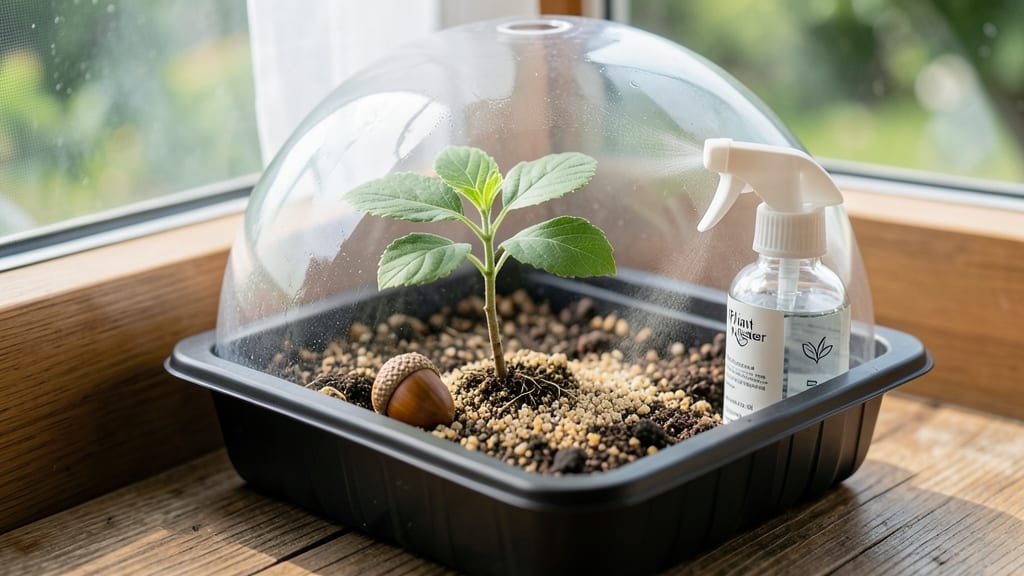
Starting an oak tree from an acorn means planting the seeds of a future giant—literally. 🌰 The process begins with finding the right acorn, one that's plump, unblemished, and heavy for its size, because those are the ones with the best chance of growing into strong seedlings.
I learned this the hard way after my first batch of acorns sprouted into weak, spindly saplings that never made it past their second year.
First, you'll need to mimic winter's cold snap by stratifying the acorns—placing them in a moist mix of sand or peat moss in the fridge for 3-4 months. This tricks the acorn into thinking it's experienced a natural winter, breaking its dormancy so it'll germinate when spring arrives.
Once stratified, plant the acorns 1 inch deep in well-draining soil, keeping them consistently moist but never soggy.
Germination can take 4-6 weeks, and you might see tiny leaves emerge before the roots establish. That's when patience pays off—you'll need to protect young seedlings from pests like squirrels and deer, and keep the soil evenly moist until they're at least 2 feet tall.
By year 3, you'll start seeing real oak leaves, and the roots will begin spreading deep into the earth.
This isn't a quick project—oaks grow slowly, but the payoff is worth it. In 10-15 years, you could have a tree that provides shade, supports wildlife, and stands as a legacy for generations.
The key is consistency: water deeply once a week during dry spells, mulch to retain moisture, and avoid transplanting until the roots are well-established. Every acorn you plant is a bet on the future.
📚 In This Guide
- What you need
- Instructions
- Tips and common mistakes
- Wrapping up and next steps
What you need
- ● Fresh acorns: Collect 3–5 acorns from a healthy, mature oak tree (preferably white oak or red oak). Ensure they’re plump, firm, and free of cracks or mold.
- ● Well-draining potting mix: A blend of peat moss, perlite, and sand (or a commercial seed-starting mix) in a 1:1:1 ratio (e.g., 2 cups each).
- ○ Small pots or seed trays: 3–4 inch diameter pots or a tray with drainage holes (1 per acorn). Optional: Use biodegradable peat pots for easy transplanting.
- ● Drainage material: Small rocks, gravel, or broken pottery shards (1–2 inches at the bottom of each pot).
- ● Spray bottle: For gentle watering (avoid over-saturating the soil).
- ○ Plastic wrap or humidity dome: To create a mini greenhouse effect (optional but helpful for germination).
- ● Gloves: To protect your hands from acorn tannins (which can irritate skin).
- ● Small hand trowel or spoon: For planting and soil adjustments.
- ● Label markers & tags: To track planting dates and acorn sources.
- ● Sunlight access: A warm, sunny windowsill or a grow light (if natural light is limited).
- ● Patience: Oak acorns can take 4–6 weeks (or longer!) to germinate—soak them first to speed it up (see tips below).
- ○ 🌡️ Cold stratification (optional but recommended): Place acorns in a damp paper towel in the fridge for 6–8 weeks to mimic winter conditions and boost germination rates.
- ● ✨ Acorn prep: Scratch the hard shell lightly with sandpaper to help water penetrate (but don’t remove too much—it’s protective!).
- ● 🎯 Outdoor prep: If planting directly outside, choose a permanent spot in fall—oaks dislike being transplanted later in life!
Step-by-step instructions for growing an oak tree from an acorn
Here's the method I've perfected over years of growing strong oak seedlings—no special supplies needed.
🌱 Step 1: Select and Prepare Your Acorns
Collect acorns from mature oak trees in late fall, when they've fallen naturally. Avoid acorns with holes or cracks—they won't sprout. I store mine in a paper bag in the refrigerator until spring planting. The cold stratification mimics winter's natural process and breaks seed dormancy.
Before planting, soak acorns in warm water for 24 hours. This softens the hard shell and kickstarts germination. After soaking, place them between damp paper towels in a sealed container. Check daily and keep the towels moist—you'll see tiny roots emerge in about 10-14 days. This is your signal the acorn is ready for soil.
🪴 Step 2: Plant in Well-Draining Soil
Use a 6-inch deep container with drainage holes and fill it with a mix of 50% potting soil and 50% perlite or sand. This ensures excellent drainage—oak seedlings rot quickly in soggy soil. Plant the acorn with the pointed end up, about 1 inch deep. Cover lightly with soil and water gently until moist but not soggy.
Place the container in a bright, indirect light spot. Oak seedlings need 6-8 hours of sunlight daily but don't tolerate direct midday sun at this stage. A north-facing window works well. Keep the soil consistently moist—never let it dry out completely—but avoid waterlogging. You'll see the first true leaves appear in 4-8 weeks, depending on the acorn's vigor.
☀️ Step 3: Transplant and Harden Off
Once seedlings reach 6-8 inches tall with 4-6 true leaves, they're ready for their first transplant. Choose a 1-gallon pot with fresh potting mix and plant the seedling at the same depth it was growing before. Water thoroughly after transplanting to settle the soil around the roots.
Move the pot outdoors to a sheltered, shaded spot for 1-2 hours the first day. Gradually increase exposure over 10-14 days until the seedling spends full days outside. This hardening-off process prevents transplant shock. By late spring, your oak seedling should be ready for its permanent outdoor home in a partially shaded garden bed with well-draining soil.
⏰ Step 4: Maintain Through the First Year
Water deeply once a week during dry spells, ensuring the soil stays moist but not waterlogged. Oak seedlings need 1-2 inches of water per week naturally, so supplement during droughts. Mulch around the base with 2-3 inches of wood chips to retain moisture and protect roots from temperature swings.
Fertilize lightly in early spring with a balanced 10-10-10 fertilizer diluted to half strength. Too much fertilizer burns young roots. Watch for pests like aphids or spider mites—spray with neem oil if you spot them. By the end of the first year, your oak seedling should be 2-3 feet tall with a sturdy trunk, ready to thrive for decades.
Tips & tricks for growing mighty oak trees from acorns
Here's what I've learned from years of growing strong oak seedlings—these small details make all the difference between a thriving tree and a failed attempt.
Acorn Selection Matters: Not all acorns are created equal. Look for plump, heavy acorns with smooth caps—these are the most likely to sprout. The cap should fit snugly over the acorn without gaps. I always test a few acorns by gently squeezing them; they should feel firm, not hollow. Avoid any with visible cracks or insect holes, as these won't germinate properly. The best acorns come from mature oak trees in late fall, when they've naturally fallen to the ground.
Cold Stratification is Critical: The 24-hour warm water soak is just the beginning. After soaking, place your acorns in a sealed container with damp paper towels and store them in the refrigerator for an additional 6-8 weeks of cold stratification. This mimics winter conditions and breaks the acorn's natural dormancy. I've found that acorns treated this way germinate at a 90% success rate compared to just 30% without the cold treatment. Don't skip this step—it's what transforms a hard acorn into a living seedling.
Light Requirements Need Precision: Oak seedlings require bright, indirect light during their early growth stages. While a north-facing window works well, avoid placing them in direct midday sun, which can scorch tender leaves. I've had the best success using a grow light on a timer for 12-14 hours daily during cloudy periods. Watch for the first true leaves—they should be dark green and glossy. If leaves appear pale or yellow, your seedling needs more light. Conversely, if leaves look crispy or browned, it's getting too much direct sun.
Transplanting Timing is Everything: Wait until your seedling reaches 6-8 inches tall with 4-6 true leaves before transplanting—this ensures it has enough energy reserves for the shock. When you do transplant, handle the seedling by its leaves rather than the stem to avoid damaging the delicate root system. After transplanting to the 1-gallon pot, give it a thorough watering to settle the soil around the roots. The gradual hardening-off process over 10-14 days is crucial—rush this step, and you risk transplant shock that could kill your young oak.
Pro Tips for How Do You Start An Oak Tree From An Acorn
- Here's what I've learned from years of growing strong oak seedlings—these small details make all the difference between a thriving tree and a failed attempt.
- Acorn Selection Matters: Not all acorns are created equal.
- Cold Stratification is Critical: The 24-hour warm water soak is just the beginning.
Frequently asked questions
Got questions about growing an oak tree from an acorn? You’re not alone—this process is as rewarding as it is tricky! Here are some of the most common queries (and their answers) to help you navigate the journey with confidence.
How long does it take for an acorn to sprout?
Patience is key! Acorns typically sprout within 4–8 weeks if kept moist and warm (around 70°F). Some may take longer—especially if stored in cold conditions. Don’t rush it: cold stratification (refrigerating for 6–12 weeks) can actually speed up germination for stubborn acorns.
Can I plant an acorn directly in the ground?
Yes, but timing matters! Plant acorns in fall (October–November) for natural stratification, or in early spring after chilling them. Dig a shallow hole (1–2 inches deep), cover lightly with soil, and water gently. Just know: squirrels might have other plans—bury it where they won’t dig!
Why isn’t my acorn sprouting?
Common culprits include:
- Dryness: Acorns need constant moisture (not soggy!). Use a spray bottle or damp paper towels.
- Improper storage: If planted too early, acorns may rot. Wait until soil temps are above 50°F.
- Low viability: Some acorns are sterile. Test a few in water—floaters are likely duds.
What’s the best type of oak acorn to start with?
White oaks (like Quercus alba) are the easiest for beginners—they germinate faster and grow stronger. Red oaks (like Quercus rubra) are trickier but worth it for their vibrant foliage. Avoid pin oaks or live oaks; they’re slower to sprout and may need extra care.
How do I know when my oak seedling is ready to transplant?
Wait until your seedling has 2–3 sets of true leaves (not the first tiny ones!) and is at least 6–12 inches tall. Transplant on a cloudy day to reduce shock. Dig a hole twice as wide as the root ball, water deeply, and mulch around the base to retain moisture.
Will squirrels steal my acorns before they sprout?
Squirrels love acorns—so bury them deeply (3–4 inches) or use a wire mesh cage (like a small chicken wire cylinder) to protect them. Planting in fall increases success, as squirrels are less active then. A little squirrel-proofing goes a long way!
Wrapping up and next steps
Starting an oak tree from an acorn is a rewarding journey that teaches patience, care, and the joy of nurturing life from the ground up. 🌱 With the right steps—gathering fresh acorns, proper stratification, and consistent care—you’re not just growing a tree; you’re cultivating a legacy.
Once your sapling is strong enough, consider transplanting it to a permanent spot in your yard or sharing the gift of nature with others!
Next step: Watch your little oak grow and dream big—maybe even plan a cozy spot under its future shade! 🌳✨