
Pruning
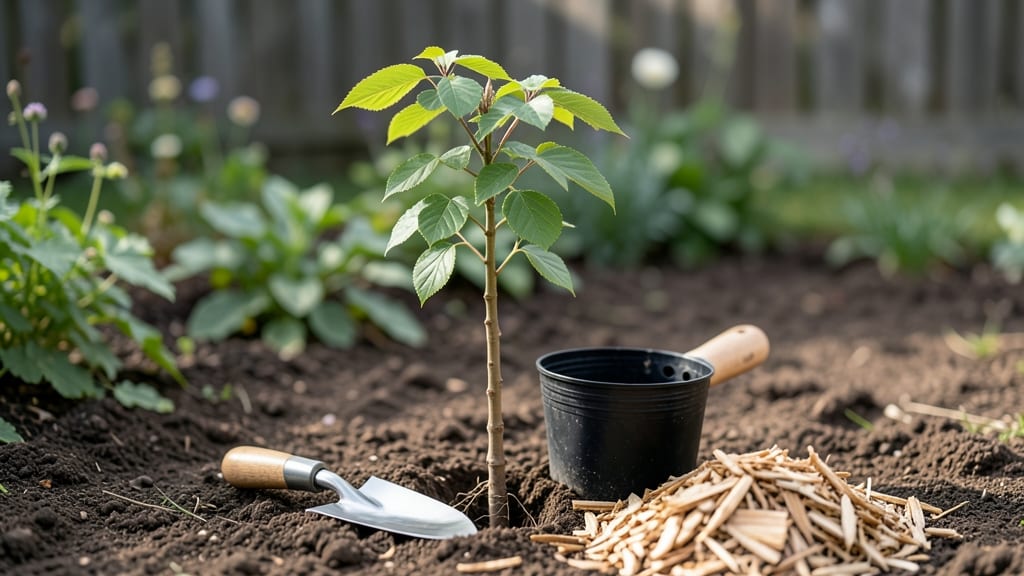
Growing a hickory tree from seedling means decades of shade, wildlife support, and that unmistakable nut harvest—if you get the early years right. 🌳 I’ve watched my own hickory seedlings struggle through harsh winters and droughts, and the difference between thriving and struggling comes down to a few key habits in the first three years.
Hickory seedlings need well-draining, slightly acidic soil (pH 6.0-7.5) and a spot with full sun—at least 6 hours daily—but they’re surprisingly resilient once established. The biggest mistake? Overwatering.
These trees hate soggy roots, so focus on deep watering once a week in dry spells, then let the soil dry between sessions. Mulch heavily (3-4 inches) to protect roots from temperature swings.
By year three, you’ll see steady growth—12-18 inches annually—if you’ve shielded them from late frosts and deer browsing. The real payoff? A mature hickory’s deep roots improve soil health for generations, and those nuts?
Worth the patience. Just watch for hickory shuckworm damage in summer and prune suckers aggressively in spring.
Works in zones 4-9, but southern gardeners need shade protection in early years. Northern growers should plant seedlings after last frost to avoid root rot. The secret? Treat them like tough kids—they’ll reward you for decades.
📚 In This Guide
- What you need
- Instructions
- Tips and common mistakes
- Wrapping up and next steps
What you need
- ● Hickory tree seedling (1-2, depending on space) – Choose Carya species like Carya ovata (shagbark hickory) or Carya illinoinensis (pecan hickory) for cold hardiness.
- ● Well-draining potting mix (5-10 gallons) – Opt for a blend of 60% peat/coir, 30% perlite, and 10% compost.
- ● Garden container or nursery pot (15-20 gallons) – Ensure it has drainage holes and is at least 18" deep.
- ● Slow-release fertilizer (10-20-10 NPK ratio) – Use 1-2 tbsp per gallon of soil for planting.
- ● Mulch (2-3 inches of wood chips or straw) – Helps retain moisture and insulate roots.
- ● Trowel or hand shovel – For planting and soil prep.
- ● Watering can or hose with gentle nozzle – Avoid overwatering!
- ● Pruning shears – Sterilized with rubbing alcohol to prevent disease.
- ○ Thermometer (optional) – Track soil temps in winter (ideal: 40-50°F).
- ● Burlap wrap or frost cloth – For young seedlings in Zone 5 or colder.
- ● Sunlight access – 6+ hours of full sun daily (partial shade in extreme heat).
- ● Cold-hardy zone check – Hickories thrive in Zones 4-9; adjust care for your climate.
- ● Patience! – Seedlings take 5-10 years to mature.
Step-by-Step guide for planting and nurturing a cold-hardy hickory seedling
Growing a hickory from seed takes patience, but these proven steps ensure your young tree thrives through harsh winters and summer heat.
🌱 Step 1: Select and Prepare the Planting Site
Hickory seedlings need full sun exposure (6+ hours daily) and well-draining soil to prevent root rot. Choose a location with at least 10 feet of clearance around the tree—hickories grow wide with time. Test your soil's pH; hickories prefer 6.0-7.0, so amend with lime if needed.
Dig a hole twice as wide as the root ball but no deeper. Loosen the sides of the hole with a shovel to encourage root spread. If planting in clay soil, mix in 2-3 inches of compost to improve drainage. Here's the thing—hickories hate soggy roots, so avoid low spots where water pools.
🪴 Step 2: Plant the Seedling at the Right Depth and Support
Remove the seedling from its container and gently loosen the roots if they're circling. Place it in the hole so the top of the root ball sits 1-2 inches above ground level. Hickories need this slight elevation to prevent water from suffocating the trunk during heavy rains.
Backfill with native soil, tamping lightly every 2 inches to eliminate air pockets. Create a 3-inch-high berm around the base to direct water toward the roots. Install a 4-foot tall tree stake on the north side of the tree and secure it loosely with soft fabric strips—you don't want to strangle the trunk as it grows.
☀️ Step 3: Water Deeply and Mulch for Winter Protection
Water the seedling immediately after planting with 5 gallons of water, then repeat every 3-4 days until the first frost. Deep watering encourages roots to grow downward where they're safer from temperature swings. You'll know moisture is right when the soil feels damp 6 inches down.
Spread 3 inches of wood chips or straw mulch in a 3-foot diameter circle around the base, keeping it 6 inches away from the trunk. This mulch layer insulates roots in winter and retains moisture in summer. Replenish mulch annually—it breaks down faster than you'd expect.
✂️ Step 4: Prune and Protect Through the First Year
Remove any broken or crossing branches with clean, sharp pruners, cutting just outside the branch collar. Hickories grow slowly, so avoid heavy pruning—they develop strong structure naturally. In late winter, apply a 2-inch thick layer of mulch around the base to shield roots from freezing temperatures.
If your region experiences sub-zero temperatures, wrap the trunk with tree guard fabric to prevent sunscald. Young hickories are particularly vulnerable to winter damage, so monitor them closely. Real talk: the first winter is the most critical—don't skimp on protection.
🌿 Step 5: Fertilize and Monitor for Long-Term Health
Apply a balanced 10-10-10 fertilizer in early spring, using ½ cup per year of tree age (maximum 1 cup). Spread it evenly in the mulch ring, then water deeply to activate the nutrients. Hickories are deep-rooted and don't need frequent feeding, but they appreciate a boost every 3-4 years.
Check for signs of stress like yellowing leaves or wilting—these often signal either overwatering or drought. Hickories are drought-tolerant once established, but seedlings need consistent moisture. Watch for pests like aphids or borers; treat infestations immediately with horticultural oil. With proper care, your hickory will reward you with edible nuts in 15-20 years.
Tips & tricks for perfect cold-hardy hickory seedling growth
Between us, the first year is where most hickory seedlings fail—not because of the tree itself, but because we underestimate how much they need our attention during that critical transition. Here's what nobody tells you about keeping your seedling thriving through every season.
Soil Preparation Secret: When amending clay soil with compost in Step 1, mix in 1 part peat moss for every 3 parts compost. This improves drainage while retaining moisture better than compost alone. I learned this the hard way after losing two seedlings to root rot in heavy clay—now I test soil drainage by filling a jar with soil and water, then timing how long it takes to drain. If it takes longer than 5 minutes, you need more amendments.
Staking Strategy: The 4-foot stake in Step 2 might seem excessive, but hickories grow surprisingly top-heavy in their first year. Secure the stake with two fabric strips—one at the top and one halfway down—to prevent trunk damage from wind. I always check the ties every two weeks, especially after storms, because loose straps can girdle the trunk as it grows. Between us, I've seen more hickories fail from improper staking than from any other single mistake.
Winter Protection Upgrade: In Step 4, if you're in a region with sub-zero temperatures, add a 6-inch layer of straw mulch over the existing 2-inch layer before winter sets in. This extra insulation can mean the difference between survival and death for young roots. I also wrap the trunk with tree guard fabric in early fall—before the first hard freeze—to prevent sunscald, which can kill the cambium layer and weaken the tree permanently. Trust me on this.
Fertilizer Timing: The ½ cup per year of tree age in Step 5 is perfect, but here's the thing about hickories: they don't respond well to summer feeding. Apply that first spring dose in early April, then wait until late August for the next application if needed. Summer heat can burn young roots, and hickories are particularly sensitive to over-fertilization. I've seen seedlings go into shock from too much nitrogen in summer—stick to the spring timing unless you're dealing with nutrient-poor soil.
Pro Tips for Hickory Tree Seedling
- Between us, the first year is where most hickory seedlings fail—not because of the tree itself, but because we underestimate how much they need our attention during that critical transition.
- Soil Preparation Secret: When amending clay soil with compost in Step 1, mix in 1 part peat moss for every 3 parts compost.
- Staking Strategy: The 4-foot stake in Step 2 might seem excessive, but hickories grow surprisingly top-heavy in their first year.
Frequently asked questions
Got questions about nurturing your hickory tree seedling? You’re not alone! Here are some of the most common concerns—and straightforward answers—to help you keep your young tree thriving year-round.
How do I know if my hickory seedling is healthy?
A healthy hickory seedling has vibrant green leaves (no yellowing or browning), strong, flexible branches, and a thick, sturdy trunk. Check for pests like aphids or borers—tiny holes or sticky residue on leaves are red flags. If the soil feels dry 1-2 inches deep, it’s time to water!
When is the best time to plant a hickory seedling?
For optimal survival, plant your seedling in early spring (after the last frost) or fall (4-6 weeks before the first frost). Avoid extreme heat or cold—root systems struggle in either. If planting in summer, provide extra shade and mulch to protect it from stress.
How cold can a hickory seedling handle?
Most hickory seedlings tolerate USDA Zones 4-9, meaning they can survive down to -20°F (-29°C) once established. However, young seedlings need protection—wrap the trunk with burlap or tree guards in winter and mulch heavily (3-4 inches) to insulate roots.
What’s the fastest way to help my seedling grow?
Focus on these three key factors:
- Sunlight: Hickories thrive in full sun (6+ hours/day)—place it where it gets plenty of light.
- Watering: Keep soil consistently moist (not soggy) for the first year, then taper off as roots deepen.
- Fertilizer: Use a balanced, slow-release fertilizer (like 10-10-10) in spring, but avoid overdoing it—hickories are low-maintenance!
Can I grow a hickory tree from a nut instead of a seedling?
Yes! But it takes patience—germination can take 1-2 years (or longer). Soak the nut in water for 24 hours, then plant it 1-2 inches deep in well-draining soil. Keep it moist and warm (70-80°F) until sprouts appear. Seedlings from nuts are hardier but grow slower than nursery-bought ones.
Wrapping up and next steps
Growing a hickory tree seedling thrives on patience, preparation, and a little know-how—but your hard work will pay off with a stunning, cold-hardy tree that stands the test of time! 🌳 By choosing the right location, protecting it from harsh winters, and pruning strategically, you’re setting your seedling up for long-term success.
Now that you’ve got the tools and tips, it’s time to roll up your sleeves and give your hickory tree the love it deserves.
Next steps:
- 📅 Mark your calendar for seasonal pruning and winter prep tasks.
- 🌱 Monitor your seedling’s progress and adjust care as it grows.
- 🤝 Join local gardening groups for shared wisdom and inspiration!