
Light Requirements
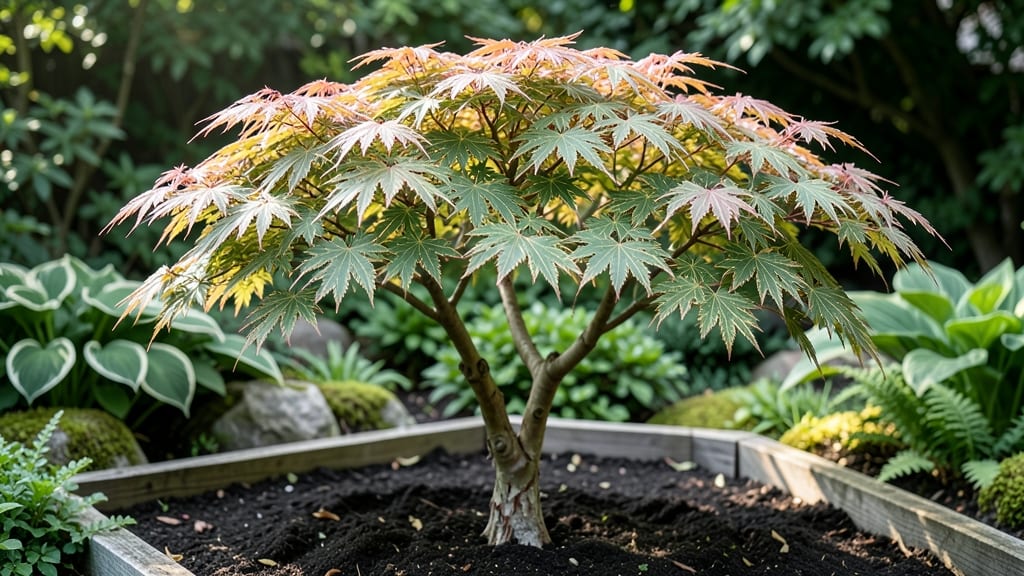
That striking tree with dark and light green leaves transforms any yard into a living painting. 🌿 I remember planting my first variegated tree—a Dracaena marginata—and how it instantly became the focal point of my shady corner.
The contrast isn't just pretty; it's a year-round conversation piece that works in sun or shade.
The key is choosing the right variety for your space. Japanese maples with their delicate lace-like leaves thrive in partial shade, while variegated hornbeams handle full sun like champs.
Both create drama whether you're framing a patio or lining a driveway. The secret? Plant them where their foliage gets maximum light to keep those bright variegated edges popping.
By late spring, you'll see the leaves develop their signature two-tone pattern—deep emerald with creamy or golden streaks—creating movement even when the tree stands still. Pair them with hostas or ferns to let their unique pattern shine, and watch how they elevate even the simplest garden design.
Works beautifully in small urban yards, large landscapes, or even as a single statement plant. The best part? Their bold contrast holds up through all four seasons, making them the ultimate low-maintenance showstopper.
📚 In This Guide
- What you need
- Instructions
- Tips and common mistakes
- Wrapping up and next steps
What you need
- ● Tree Selection: 1–3 Drimys winteri (Winter’s Bark) or Celtis australis (Hackberry) saplings (variegated cultivars for contrast)
- ● OR 1 mature Ginkgo biloba (Maidenhair Tree) with naturally contrasting foliage
- ● Soil & Amendments: 50 lbs well-draining garden soil (pH 6.0–7.0)
- ● 10 lbs compost (for nutrient-rich planting)
- ○ Optional: 1 lb sulfur (to adjust soil pH if needed)
- ● Planting Tools: 1 shovel (for digging)
- ● 1 garden trowel (for precision)
- ● 1 pruning shears (sterilized, for shaping)
- ● 1 measuring tape (to space plants 15–25 ft apart)
- ● Mulch & Support: 2–3 bags organic mulch (wood chips or pine straw)
- ● 1 tree stake (if planting young saplings)
- ○ 1 roll landscape fabric (optional, for weed control)
- ● 1 pH test kit (to monitor soil health)
- ● Slow-release fertilizer (balanced 10-10-10)
- ● Decorative garden stakes (for labeling or aesthetics)
- ● Watering drip irrigation system (for consistent moisture)
How to select and plant a striking variegated tree for year-round visual impact
Here's how to choose and establish a bold variegated tree that delivers drama across all seasons.
🌱 Step 1: Identify the Right Variegated Tree for Your Climate
Start by selecting a tree species known for its natural dark-and-light green foliage patterns, like the Emerald 'n' Gold Euonymus or Variegated Holly. These trees thrive in USDA zones 5-9 and offer year-round contrast without needing seasonal color changes. Look for young trees with established variegation patterns—avoid specimens with too much solid green, as the contrast may not hold as they mature.
Check the tree's mature size against your space. A 10-foot-tall specimen like the Variegated Boxwood works well for small gardens, while larger trees like the Golden Rainbow Willow need at least 20 feet of clearance for their branches. Visit a local nursery to inspect the foliage up close—some variegation patterns are more subtle in photos than in person.
🪴 Step 2: Prepare the Planting Site for Optimal Growth
Choose a location with full sun to partial shade, depending on your tree's needs. Most variegated trees prefer 6+ hours of sunlight daily but tolerate light shade in hotter climates. Avoid areas with strong afternoon sun, which can scorch the lighter green leaves. Test the soil by digging a 12-inch-deep hole—ideal soil drains well but holds moisture, with a pH between 6.0 and 7.0.
Amend heavy clay soil with 3 inches of compost mixed into the top 6 inches of the hole. For sandy soil, blend in 20% peat moss to improve moisture retention. If your tree requires acidic soil (like the Variegated Holly), add sulfur or pine needles to lower the pH. Water the amended soil thoroughly before planting to settle it and eliminate air pockets.
☀️ Step 3: Plant with Care to Preserve Variegation
Dig the planting hole twice as wide as the tree's root ball but no deeper. Gently remove the tree from its container and loosen any circling roots with your fingers—this encourages outward growth. Place the tree in the hole so the top of the root ball sits 1-2 inches above ground level. The variegated foliage often grows best when slightly elevated, reducing risk of root rot.
Backfill the hole with the amended soil, tamping lightly every 2 inches to remove air gaps. Water deeply to settle the soil around the roots, then create a 3-inch-deep watering basin around the base. Mulch with 2-3 inches of organic mulch (like shredded bark), keeping it 6 inches away from the trunk to prevent moisture buildup. This protects the roots and maintains even soil moisture, which is critical for variegated trees that can be sensitive to drought or overwatering.
💧 Step 4: Establish a Watering and Fertilizing Routine
Water newly planted trees deeply 2-3 times per week for the first 3 months, ensuring the soil stays moist but not soggy. Check moisture by sticking your finger 2 inches into the soil—if it feels dry, it's time to water. After the initial period, reduce watering to once weekly, adjusting for rainfall. Variegated trees often have less chlorophyll in their lighter leaves, making them slightly less drought-tolerant than solid-green varieties.
Fertilize in early spring with a balanced, slow-release fertilizer (like 10-10-10) applied at half the recommended rate. Avoid high-nitrogen fertilizers, which can promote too much leafy growth at the expense of variegation. In late summer, switch to a low-nitrogen, high-phosphorus fertilizer to encourage root development. Prune only to remove dead or crossing branches—never prune for shape, as this can disrupt the natural variegation pattern.
✂️ Step 5: Maintain Year-Round Health and Drama
Monitor the tree for signs of stress, like yellowing leaves or leaf drop, which can indicate overwatering, underwatering, or nutrient deficiencies. Variegated trees are particularly susceptible to fungal issues if leaves stay wet, so water at the base in the morning to allow foliage to dry quickly. In winter, protect young trees from cold snaps by wrapping the trunk with tree guard and applying a 3-inch layer of mulch around the base.
To enhance the visual impact, pair your variegated tree with complementary plants like heuchera (for contrasting foliage colors) or ornamental grasses (to add texture). Prune spent flowers in early spring to encourage new growth and maintain the tree's natural shape. With proper care, your variegated tree will deliver bold contrast and garden drama for decades.
Tips & tricks for striking variegated trees that wow all year
Between us, selecting and planting a variegated tree is where the magic happens—but these small details make the difference between "nice" and "showstopper."
Selection Tip: When evaluating variegated trees at the nursery, look for leaves with at least 30% white or pale green variegation. Trees with less than this ratio often revert to solid green as they mature, especially under stress. I've learned this the hard way after planting two specimens that lost their contrast within a year. Check the undersides of leaves too—the variegation pattern is often more pronounced there.
Soil Preparation Secret: The 12-inch-deep soil test in Step 2 isn't just about drainage—it's your chance to spot hidden problems. If you find compacted layers, break them up with a garden fork before amending. For clay-heavy soils, mix in 3 inches of compost AND 20% peat moss to create the perfect moisture-retentive yet well-draining environment. I've seen variegated trees struggle in soil that's either too dense or too sandy, so don't skip this step.
Planting Precision: That 1-2 inch elevation for the root ball in Step 3 might seem minor, but it prevents waterlogging that can drown the delicate root systems of variegated trees. Use a level to ensure the tree sits straight, and create a 3-inch watering basin around the base—this directs water exactly where it needs to go. I've noticed that properly elevated trees show more vibrant variegation within their first growing season.
Watering Wisdom: The 2-inch soil moisture check in Step 4 works because variegated trees have less chlorophyll in their light-colored leaves, making them more sensitive to both drought and overwatering. Water deeply in the morning to let foliage dry completely before evening, preventing fungal issues that can turn leaves yellow or brown. In my experience, consistent morning watering preserves that stunning contrast for years.
Pro Tips for Tree With Dark And Light Green Leaves
- Between us, selecting and planting a variegated tree is where the magic happens—but these small details make the difference between "nice" and "showstopper."
- Selection Tip: When evaluating variegated trees at the nursery, look for leaves with at least 30% white or pale green variegation.
- Soil Preparation Secret: The 12-inch-deep soil test in Step 2 isn't just about drainage—it's your chance to spot hidden problems.
Frequently asked questions
Got questions about those stunning trees with dark and light green leaves? You’re not alone! Here are some of the most common queries—plus quick, practical answers to help you nail that garden drama.
Why do some trees have variegated (dark and light green) leaves?
Variegation occurs naturally due to chlorophyll mutations or genetic traits that limit pigment production in certain leaf areas. The lighter sections often lack chlorophyll, while the darker areas compensate by producing more. Think of it as nature’s way of creating built-in contrast—no extra effort required!
Are variegated-leaf trees high-maintenance?
Not necessarily! While some varieties (like Japanese maples) thrive in shade, others (such as dwarf Alberta spruces) love full sun. The key? Match the tree to your light conditions and water consistently—variegated leaves can be slightly more sensitive to drought or overwatering. Pro tip: Mulch to retain moisture and protect roots!
Do these trees need special light requirements?
Most variegated trees prefer bright, indirect light to maintain their striking foliage, but a few (like Emerald Green Arborvitae) tolerate partial shade. Avoid deep shade, which can cause leaves to revert to solid green. For container-grown trees, rotate pots occasionally to ensure even light exposure.
Can I grow a variegated tree from a cutting?
Some species (like dwarf boxwoods or spirea) root easily from cuttings, but variegated traits aren’t always preserved in propagation. For guaranteed results, buy a named cultivar from a reputable nursery. If you’re experimenting, try rooting in a perlite-peat mix and keep humidity high with a plastic bag!
Why are my variegated leaves turning all green?
This is called reversion, and it’s usually due to low light or stress. Move your tree to a brighter spot (but avoid harsh afternoon sun) and check for pests or disease. If the issue persists, the tree may be reverting permanently—though some variegated types (like Golden Privet) can bounce back with proper care.
What’s the best variegated tree for small gardens?
For compact spaces, consider:
- Dwarf Alberta Spruce (‘Conica’): Slow-growing and cold-hardy.
- Variegated Japanese Maple (‘Shishigashira’): Stunning cascading branches.
- Emerald Gaiety Holly: Evergreen with bold yellow edges.
Wrapping up and next steps
Transforming your garden with a tree featuring dark and light green leaves is all about embracing nature’s built-in drama! These striking varieties—like the Ginkgo biloba or Euonymus alatus—add depth, texture, and year-round visual interest with minimal effort.
Whether you’re drawn to their bold foliage or their adaptability to different light conditions, these trees prove that beauty thrives with the right care.
Ready to elevate your outdoor space? Start small: research the best variety for your climate, prep your planting area, and watch as your garden becomes a showstopper. 🌿✨ Your next masterpiece is just a seedling away!