
Propagation
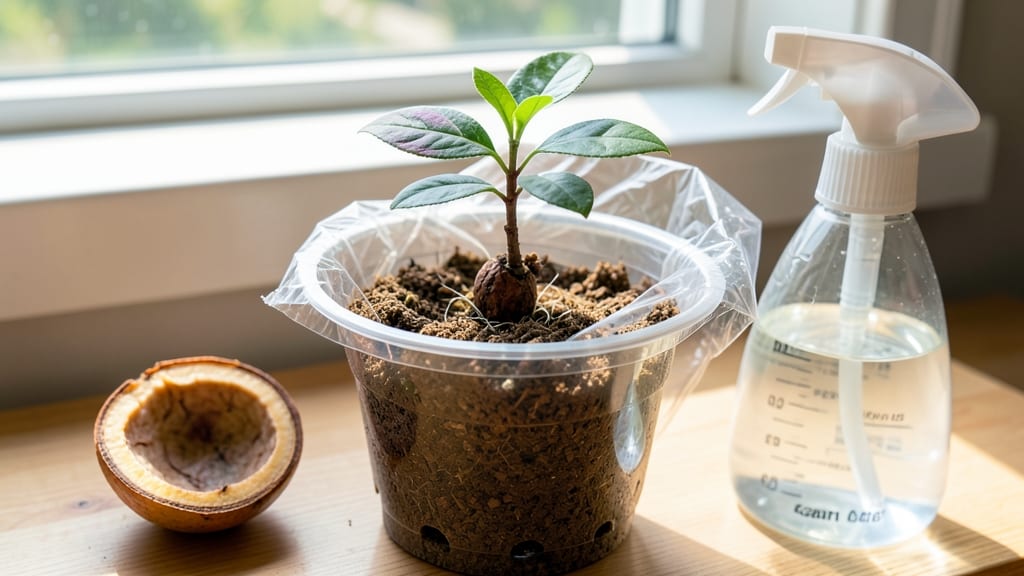
A single mango pit holds the potential for a tropical fruit promise right in your backyard. 🌱 I’ve grown three mango trees from pits—two thrived in Florida’s heat, while one stubbornly germinated in my kitchen window before I finally moved it outside.
The process is slower than buying a sapling, but the reward? A tree with your genetic legacy, producing fruit that tastes like childhood vacations. The key to success lies in patience and perfecting three simple elements: moisture (not soggy), warmth (70°F+), and light (bright but indirect).
Most pits rot because they’re kept too wet or cold—think of it like giving a tiny seed a spa day, not a swamp. Germination can take 4-12 weeks, with some pits taking a full year to crack open.
That’s why I recommend starting 2-3 pits at once; odds aren’t in your favor with just one. By the time you see that first 2-inch sprout, you’ll be hooked on the journey.
The roots will be delicate at first, but with consistent care, you’ll transplant it into soil and watch it grow into a 10-foot beauty—even if it takes years before it flowers. The real magic happens when you realize this tree could outlive you, bearing fruit for decades.
For colder climates, don’t give up: grow it in a large container and bring it indoors during winter. My friend in Ohio does this with her mango tree, and she still gets blossoms every spring. The trick is mimicking its natural tropical home—just with a little extra TLC.
📚 In This Guide
- What you need
- Instructions
- Tips and common mistakes
- Wrapping up and next steps
What you need
- ● Mango pit: 1 fresh, organic pit (avoid dried or processed ones)
- ● Potting soil: 1 bag (well-draining, peat-based mix or coconut coir)
- ● Small pots or containers: 2–3 (4–6 inches in diameter, with drainage holes)
- ● Watering can or spray bottle: 1 (for gentle hydration)
- ● Plastic wrap or humidity dome: 1 (to retain moisture)
- ● Scissors or pruning shears: 1 (sterilized, for trimming)
- ● Rubbing alcohol (70%+): 1 small bottle (for sanitizing tools)
- ● Grow lights or sunny windowsill: 1 (south-facing window or LED grow lights for 6+ hours/day)
- ● Rooting hormone: 1 small tube (speeds up germination)
- ● Fertilizer: 1 balanced, water-soluble type (e.g., 10-10-10, diluted to half-strength)
- ● Thermometer/hygrometer: 1 (to monitor soil temp, ideal: 70–90°F)
- ● Larger pot (1+ gallon): 1 (for transplanting after sprouting)
- ● Mulch or pebbles: 1 (to retain moisture and regulate temperature)
Step-by-step instructions for growing a mango tree from a pit
Here’s how to turn a store-bought mango pit into a thriving young tree—with patience and the right care.
🌱 Step 1: Clean and Dry the Pit
Rinse the pit thoroughly under cool water to remove any fruit residue, then pat it dry with a paper towel. The goal is to remove all traces of pulp, which can attract mold or pests. I like to let the pit air-dry for 24 hours on a paper towel in a warm, dry spot—this prevents premature rotting before germination.
Once dry, gently rub the pit with a soft cloth to remove any remaining moisture. You’ll notice the pit feels smooth and slightly rough in texture. If it’s still damp after drying, let it sit another 12 hours—this step is critical because a wet pit won’t germinate properly and may develop fungus.
💧 Step 2: Germinate the Pit
Place the dried pit between two damp paper towels, folding them so the pit is snug but not crushed. Store the wrapped pit in a ziplock bag and seal it loosely—you want airflow to prevent mold. Keep the bag in a warm spot, like on top of your fridge or near a sunny window, where temperatures stay between 70-85°F.
Check the towels every 2-3 days and mist with water if they feel dry to the touch. Germination can take 2-6 weeks, so don’t rush it. You’ll know it’s working when you see a tiny white root emerge first, followed by a sprout. This is the moment that matters: once the root reaches ½ inch, it’s ready for planting.
🪴 Step 3: Plant in a Small Container
Fill a 4-inch diameter pot with well-draining potting mix—mango trees hate soggy roots, so avoid garden soil. Dig a small hole in the center, about 1 inch deep, and place the germinated pit root-side down. Gently cover it with soil, leaving the sprout exposed. Press the soil lightly around the pit to secure it without compacting it too tightly.
Water the soil until it’s moist but not soggy—think of it as damp like a wrung-out sponge. Place the pot in a bright, indirect light spot, like a south-facing window with sheer curtains. Avoid direct sunlight at first, as the young sprout is tender. You’ll see new leaves emerge within 2-3 weeks, signaling the tree is establishing itself.
☀️ Step 4: Care for the Young Seedling
Once the seedling reaches 6 inches tall, transplant it into a 6-inch pot with fresh potting mix. Mango trees grow fast, so give it room to develop stronger roots. Water deeply once a week, letting the top 1 inch of soil dry out between waterings. Overwatering is the biggest mistake here—yellowing leaves or mushy stems mean you’re keeping it too wet.
After 3 months, move the seedling outdoors to a sheltered spot for a few hours daily, gradually increasing exposure to sunlight. Mango trees need full sun to thrive, but young plants can’t handle harsh afternoon rays yet. Watch for the leaves to darken and thicken—they’ll tell you the plant is adjusting well to outdoor conditions.
⏰ Step 5: Prepare for Long-Term Growth
By 6-12 months, your mango tree will need a larger container or garden bed if you live in a warm climate. Mangoes are tropical and won’t survive frost, so if you’re in a cooler zone, keep it in a pot you can bring indoors during winter. Feed the tree with a balanced fertilizer every 2 months during growing season to encourage strong, fruiting growth.
Real talk: It’ll take 3-5 years before your tree produces fruit, but the journey is worth it. Prune leggy branches to encourage bushier growth, and pinch off early flowers—they’ll drain the tree’s energy. With patience, you’ll have a lush, tropical mango tree in your backyard, ready to reward you with sweet, homegrown fruit.
Tips & tricks for growing a thriving mango tree from a pit
Here's what I've learned from watching my own mango tree grow from a tiny pit to a lush, fruiting plant.
Germination Patience: The 2-6 week germination window can feel like forever, but resist the urge to peek or adjust the pit too often. Every time you open the bag, you risk drying out the towels or introducing bacteria. I set a reminder to check only every 2-3 days, and I keep my fingers crossed until that first white root appears. Once you see the root reach ½ inch, that's your green light to plant—don't wait any longer!
Lighting Strategy: That bright, indirect light spot is crucial during the first 2-3 weeks after planting. I use sheer curtains to diffuse harsh sunlight while still providing plenty of light. If your windows don't get enough natural light, consider adding a grow light for 12-14 hours per day. The key is to mimic tropical conditions without scorching the delicate new leaves.
Watering Wisdom: The "wrung-out sponge" test is your best friend when watering. Stick your finger about 1 inch into the soil—if it feels dry at that depth, it's time to water. I've learned the hard way that mango trees are far more forgiving of underwatering than overwatering. Yellow leaves or a mushy stem are sure signs you're being too generous with the water.
Transitioning Outdoors: When you move your 3-month-old seedling outside, do it gradually. Start with just a few hours of sheltered sunlight, then increase exposure by 1-2 hours each day. I watch for the leaves to darken and thicken as a sign the plant is adapting. If you notice any wilting or browning, it's getting too much sun too soon—bring it back inside for another day or two.
Pro Tips for Growing A Mango Tree From A Pit
- Here's what I've learned from watching my own mango tree grow from a tiny pit to a lush, fruiting plant.
- Germination Patience: The 2-6 week germination window can feel like forever, but resist the urge to peek or adjust the pit too often.
- Lighting Strategy: That bright, indirect light spot is crucial during the first 2-3 weeks after planting.
Frequently asked questions
Got questions?
Growing a mango tree from a pit is exciting, but it’s natural to have doubts. Here are answers to the most common ones—so you can grow with confidence!
How long does it take for a mango pit to sprout?
A mango pit typically sprouts in 2–4 weeks if kept in warm, moist conditions. Patience is key—some may take longer, especially if the pit is dormant. Once sprouted, the seedling grows slowly at first, with roots and leaves emerging gradually over 6–12 months before transplanting outdoors.
What’s the best time of year to plant a mango pit?
Start indoors anytime, but for outdoor planting, aim for spring or early summer in warm climates (USDA Zones 10–11). If you’re in a cooler zone, wait until after the last frost and use containers to protect young trees. Mangoes hate cold—so avoid planting in fall or winter unless you’re in a frost-free area!
Can I grow a mango tree from a grocery store pit?
Yes! But there’s a catch: store-bought pits are often treated to prevent sprouting (to keep fruit fresh longer). Try soaking the pit in warm water for 24–48 hours to break dormancy. For better odds, use a pit from a ripe, organic mango—or ask a local grower for untreated seeds!
Why isn’t my mango pit sprouting?
No sprouts? Check these fixes:
- Dormancy: Some pits need cold stratification (refrigerate for 1–2 weeks first).
- Moisture: Keep the pit consistently damp (not soggy) in a warm spot.
- Viability: Older or damaged pits may not sprout—try a fresh one!
- Patience: Give it 6+ weeks before declaring it a loss.
How do I know if my mango tree will bear fruit?
Even if your tree sprouts, fruit production isn’t guaranteed—especially from grocery-store pits (they’re often hybrid varieties). For better odds:
- Use a pit from a local, pollinated mango (ask a farmer!).
- Be patient: Trees can take 3–5 years (or longer) to bear fruit.
- Ensure full sun, 6+ hours daily, and well-draining soil.
Wrapping up and next steps
Growing a mango tree from a pit is a rewarding journey that blends patience with the joy of nurturing life—literally! 🌱 With the right care, your tiny seedling could one day blossom into a fruit-bearing tree, offering you homegrown tropical sweetness.
Start small, stay consistent, and trust the process: every watering, pruning, and sunny day brings you closer to that first ripe mango.
Ready to take the next step? Plant your pit today and watch your green thumb grow—both literally and figuratively. Share your progress with fellow gardeners or even gift a sapling to a friend! The best part? Your backyard could soon be the talk of the neighborhood. 🌴