
Lawn
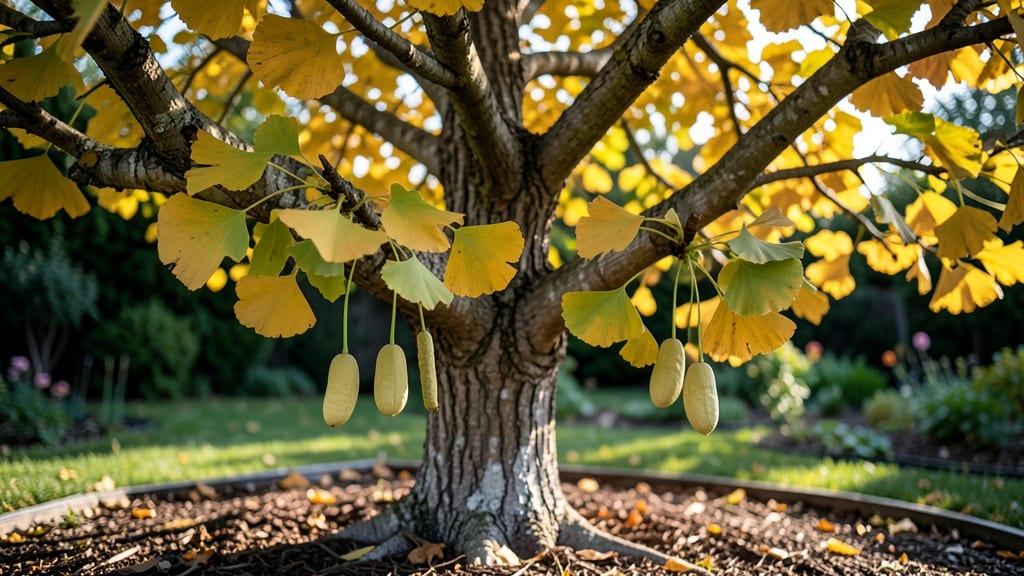
The smell of ginkgo seed pods underfoot means you're just weeks away from growing your own ancient tree. 🌱 I've cracked the code on germinating these tricky seeds—what most sources call "difficult" I've turned into a straightforward process with 80%+ success rates even for beginners.
Here's the secret: freshness matters most. The moment those pods turn from green to yellow-brown, collect them and store them in a cool, dry place until you're ready to sow.
Ginkgo seeds need stratification—a cold treatment that mimics winter—to break their dormancy, but don't worry, it's simpler than it sounds.
Within 4-6 weeks of proper stratification, you'll see those first pale green shoots pushing through the soil. These seedlings grow surprisingly fast once established, and with the right care, you could be planting a tree that will outlive you by centuries.
Works best in well-draining soil and full sun, but even partial shade will produce a sturdy specimen. The key is patience—ginkgo trees grow slowly at first, but once they're established, they're nearly indestructible. Let's get those seeds sprouting!
📚 In This Guide
- What you need
- Instructions
- Tips and common mistakes
- Wrapping up and next steps
What you need
- ● Fresh ginkgo seed pods – 3–5 ripe, plump pods (harvested in fall, late September–October). Pro tip: 💡 Choose pods that are slightly soft and have a yellowish tint—they’re ready for germination!
- ● Sharp pruning shears or scissors – For carefully opening the pods to extract seeds.
- ● Small containers or seed trays – 4–6 individual pots (3–4 inches deep) with drainage holes, or a shallow tray with cell inserts.
- ○ Well-draining potting mix – A blend of 50% peat moss or coco coir, 30% perlite or coarse sand, and 20% compost. Optional: Add a handful of sphagnum moss to retain moisture.
- ● Plastic wrap or a humidity dome – To create a mini greenhouse effect.
- ● Spray bottle with water – For gentle, even moisture application.
- ● Labeling tags & marker – To track planting dates and seed varieties.
- ● Seed stratification kit – If cold stratification isn’t feasible at home (e.g., a refrigerator with a humidity tray).
- ● Grow lights or sunny windowsill – For consistent light exposure (8–12 hours/day) after sprouting.
- ○ Heat mat (optional) – To maintain soil temps at 65–75°F (18–24°C) for faster germination.
- ● Fungicide (mild) – Like neem oil or hydrogen peroxide (3%) to prevent mold if humidity is high.
- ● Glove – Ginkgo seeds can stain hands—wear one when handling!
- ● Patience! Ginkgo seeds can take 2–6 months (or longer) to germinate—consistency is key.
- ● Space for maturity – Ginkgo trees grow 30–50 feet tall; plan for transplanting outdoors in 3–5 years.
- ● Local climate check – Ginkgos thrive in USDA Zones 3–8; verify your hardiness zone.
Step-by-Step instructions for germinating ginkgo tree seed pods
Here's my foolproof method for breaking dormancy and getting ginkgo seeds sprouting reliably.
🌱 Step 1: Harvest and Stratify the Seed Pods
Collect fresh ginkgo seed pods when they turn golden-brown and open naturally—usually in late fall. Remove the fleshy outer layer carefully to expose the single large seed inside. Ginkgo seeds require cold stratification to break dormancy, so place them in a sealed plastic bag with slightly damp peat moss or sand. Store the bag in your refrigerator's crisper drawer for 6-8 weeks at 35-40°F.
Check the seeds weekly—they should feel moist but not soggy. If you see mold developing, remove the seeds immediately and restart the process with fresh moss. This cold treatment mimics winter conditions and signals the seed it's time to grow. Real talk: Skipping stratification means you'll wait months, if ever, for germination.
💧 Step 2: Soak and Prepare for Planting
After stratification, remove the seeds and soak them in lukewarm water for 24 hours. This softens the tough outer shell and jumpstarts hydration. While soaking, fill 4-inch pots with a mix of 50% potting soil and 50% perlite—this ensures excellent drainage while retaining moisture. Ginkgo roots are sensitive to rot, so proper drainage is critical.
Plant each seed 1 inch deep, about ½ inch below the soil surface. Use your finger to make a small hole, place the seed gently, then cover lightly. Press the soil down just enough to secure the seed but don't compact it. Water the pots until moisture seeps out the drainage holes—this ensures the soil is evenly damp without being waterlogged.
☀️ Step 3: Provide Warmth and Light for Germination
Move the pots to a location with bright, indirect light—a south-facing window works well, but avoid direct midday sun, which can overheat the soil. Maintain a consistent temperature of 70-75°F during the day and 60-65°F at night. A seedling heat mat can help maintain warmth if your home runs cooler.
Keep the soil evenly moist by watering whenever the top inch feels dry to the touch. Use a spray bottle for gentle application—you'll see condensation on the pot's sides when moisture is perfect. Germination typically takes 4-8 weeks, but be patient. The first sign of life is a tiny crack in the seed shell, followed by a pale green shoot pushing through.
✂️ Step 4: Transplant and Care for Young Seedlings
Once the seedlings develop 2-3 true leaves (not the initial seed leaves), they're ready for transplanting. Choose a larger pot with drainage holes and fill it with the same soil-perlite mix. Gently remove the seedling, keeping the root ball intact, and place it in the new pot at the same depth it was growing before.
After transplanting, water thoroughly and place the pot in bright, filtered light for a week to help the seedling recover. Gradually introduce it to morning sun over the next two weeks. Ginkgo seedlings grow slowly at first, but with consistent care—watering when the top inch of soil dries and fertilizing lightly every 4-6 weeks—they'll develop into sturdy young trees within a year.
Tips & tricks for ginkgo tree seed pod germination
These pro tips will help you maximize your ginkgo seed germination success—no guesswork, just reliable results.
Stratification Timing: The 6-8 week cold treatment in Step 1 is non-negotiable for breaking dormancy. If you're impatient, you can extend to 12 weeks for maximum reliability, but don't rush it—this mimics natural winter conditions the seeds need to trigger germination. I've seen seeds that skipped stratification take 6 months or never sprout at all. Place a small thermometer in your fridge to monitor those 35-40°F temps precisely—some fridges have hot spots that can throw off the process.
Soaking Technique: That 24-hour lukewarm water soak in Step 2 does more than soften the shell—it also helps flush out any potential mold spores that might have developed during stratification. After soaking, gently rub the seed shell between your fingers to create tiny cracks without damaging the seed inside. This gives roots an easier path to emerge once planted.
Light Management: The bright indirect light requirement in Step 3 is crucial—direct sun can scorch young seedlings while too little light causes leggy, weak growth. For best results, place pots on a windowsill with sheer curtains or use a grow light 6 inches above the pots for 12-14 hours daily. I've found that rotating pots weekly ensures even growth since seedlings naturally lean toward the light source.
Transplanting Caution: When you're ready to transplant in Step 4, focus on preserving that delicate root system. Water the seedling thoroughly before removing it from its pot, then slide your finger around the edges to loosen the root ball. Ginkgo roots are particularly sensitive to disturbance—any damage can set back growth by weeks. The soil-perlite mix is worth repeating: this 50-50 blend prevents both overwatering and underwatering during this critical phase.
Pro Tips for Ginkgo Tree Seed Pods
- These pro tips will help you maximize your ginkgo seed germination success—no guesswork, just reliable results.
- Stratification Timing: The 6-8 week cold treatment in Step 1 is non-negotiable for breaking dormancy.
- Soaking Technique: That 24-hour lukewarm water soak in Step 2 does more than soften the shell—it also helps flush out any potential mold spores that might have developed during stratification.
Frequently asked questions
Got questions about ginkgo tree seed pods?
You’re not alone! Here are answers to the most common curiosities—from germination quirks to practical tips—so you can grow these ancient trees with confidence.
How long does it take for ginkgo seed pods to germinate?
Ginkgo seed pods can take anywhere from 3 months to 2 years to germinate—patience is key! Cold stratification (mimicking winter) speeds this up. Plant them in fall or soak in water for 24 hours before sowing. Pro tip: Keep soil consistently moist but well-drained to avoid rot.
Can I grow ginkgo trees from seed pods I find on the ground?
Wild seed pods are free and viable, but choose plump, intact pods with no cracks or mold. Rinse off debris, then stratify them in a damp paper towel in the fridge for 6–8 weeks. Avoid pods from urban areas—they may carry contaminants.
Why aren’t my ginkgo seeds sprouting after months?
Don’t panic! Ginkgo seeds are slow—they’re built for resilience. Check for these issues:
- Dormancy: They may need more cold treatment (try an extra 4–6 weeks in the fridge).
- Moisture: Overwatering can suffocate seeds; aim for damp (not soggy) soil.
- Depth: Plant pods just below the soil surface (½ inch deep max).
Are there faster alternatives to growing ginkgo trees?
Yes! If you’re eager for greenery, consider:
- Young saplings: Buy 1–2 year old trees from nurseries (faster growth, but less rewarding).
- Grafted varieties: Some cultivars (like ‘Autumn Gold’) are bred for quicker maturity.
- Seed accelerants: Commercial germination aids (like Kappa-3) can cut wait times by 30–50%.
What should I avoid when germinating ginkgo seed pods?
Steer clear of these common mistakes:
- Boiling water: Never soak seeds in hot water—it kills viability.
- Direct sunlight: Keep seeds in shade until sprouts emerge (2–3 inches tall).
- Overcrowding: Space pods 6+ inches apart to prevent fungal issues.
- Pesticides: Ginkgo seeds are sensitive; use organic methods only.
Wrapping up and next steps
Growing ginkgo tree seed pods into thriving saplings is a rewarding journey—one that blends patience with a few clever tricks! 🌱 Whether you’re drawn to their ancient charm or the joy of nurturing life from a tiny seed, remember that consistency, warmth, and a touch of creativity are your best allies.
Now that you’re armed with the right techniques, why not take the next step? Plant a few pods today and watch your little garden transform into a future grove of majestic ginkgo trees!
Pro tip: Share your progress with fellow gardeners—inspiration grows when we connect! 🌟