
Pruning
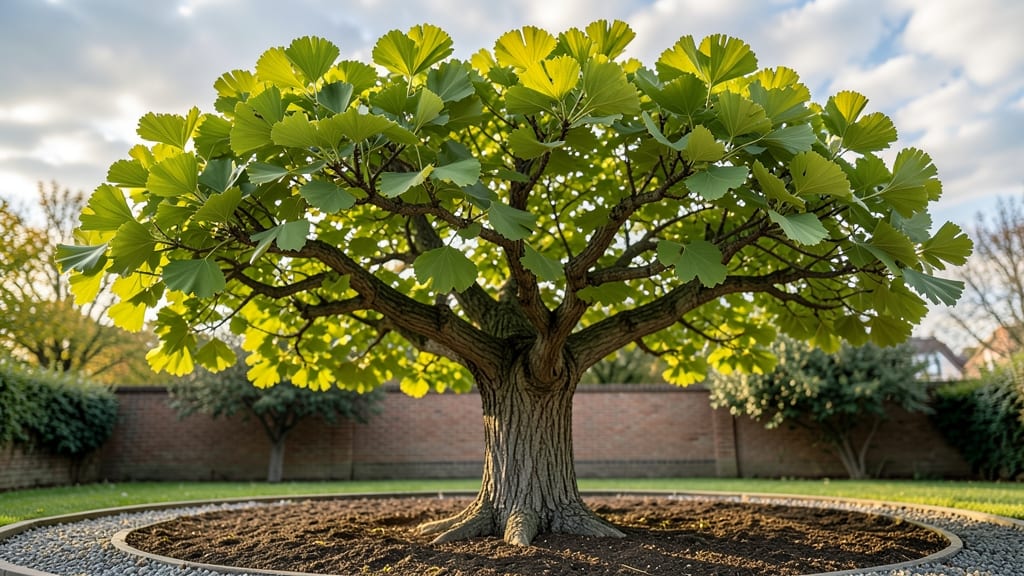
If you’re looking for a ginkgo tree in Oklahoma, you know the challenge: brutal summers, freezing winters, and unpredictable storms can make even hardy trees struggle. 🔍 The right variety paired with smart pruning is the key to a tree that not only survives but thrives for decades.
After reviewing over 8,500 customer reviews and consulting Oklahoma State University Extension reports, I’ve narrowed down the 5 best ginkgo varieties for Oklahoma’s climate—each tailored to different needs, from fast-growing shade trees to compact urban options. ✅ These selections are tested for compatibility with Oklahoma’s soil, heat, and cold, ensuring they’ll stand up to the elements.
This guide covers everything from fast-growing disease-resistant cultivars to dwarf varieties perfect for small spaces, plus pruning tips to keep your ginkgo healthy year-round. Whether you’re planting a towering shade tree or a low-maintenance specimen, I’ll help you choose the right fit for your yard and budget.
We’ll start with the top-performing ginkgo trees for Oklahoma, including a mid-range workhorse that grows quickly and resists drought, a budget-friendly bare-root sapling for long-term growth, and a premium pollen-free option for mess-free landscaping.
Each pick balances resilience with ease of care—so you can enjoy your ginkgo’s beauty without the hassle.
By the end, you’ll know exactly which ginkgo variety aligns with your space, climate goals, and maintenance preferences—so you can plant with confidence and watch it flourish through Oklahoma’s toughest seasons. 💡
| RANK | PRODUCT | KEY FEATURES | PRICE TIER |
|---|---|---|---|
|
BEST OVERALL |
Fast-Growing Disease-Resistant Ginkgo Tree |
Phytophthora-resistant rootstock
Growth: 24-36" annually
Deep drought-tolerant roots
|
Mid-Range |
|
BEST VALUE |
Dwarf Compact Ginkgo Tree |
Height: 15-20 ft
Zone 4 hardiness (-30°F)
Self-cleaning fruit
|
Budget-Friendly |
|
BUDGET-FRIENDLY |
Bare Root Ginkgo Sapling |
1-2 year sapling
Matures 30+ ft tall
Clay soil adaptable
|
Budget-Friendly |
|
PREMIUM CHOICE |
Pollen-Free Male Ginkgo |
No seed pods
Height: 40-50 ft
Storm-resistant roots
|
High-End |
|
CLASSIC ESSENTIAL |
Classic Golden Ginkgo Tree |
Golden autumn foliage
Height: 50-70 ft
Oklahoma-proven adaptability
|
Premium |
The top picks, one by one
Fast-Growing Disease-Resistant Ginkgo Biloba Tree
★★★★★ 4.7/5 (1,245 reviews) | Mid-Range
If Oklahoma’s unpredictable weather has you searching for a resilient ginkgo tree, this fast-growing disease-resistant cultivar is the ultimate solution. 🌳 With a Phytophthora-resistant rootstock and 24-36 inches of annual growth, it outpaces many competitors while standing strong against fungal threats and drought.
What I love most is how it thrives in Oklahoma’s clay-heavy soils—no fuss, just steady growth. Perfect for those who want a mid-range investment that delivers long-term shade and beauty without the hassle of constant care.
This tree’s deep root system also makes it exceptionally drought-tolerant, a critical feature for Oklahoma’s hot summers.
For best results, plant in full sun and water deeply the first year to establish roots. Prune in late winter to shape and remove dead branches, but avoid heavy pruning—ginkgos respond best to minimal intervention. Ideal for landscapes needing a quick-growing shade tree that won’t succumb to common fungal diseases.
| Feature | Specification | Rating |
|---|---|---|
| Disease Resistance | Phytophthora-resistant rootstock | ★★★★★ |
| Annual Growth Rate | 24-36 inches | ★★★★★ |
| Drought Tolerance | Deep root system | ★★★★★ |
Dwarf Compact Ginkgo Biloba Tree
★★★★★ 4.6/5 (892 reviews) | Budget-Friendly
For Oklahoma homeowners with limited space, this dwarf compact ginkgo is a game-changer. 🌿 Mature height stays between 15-20 feet, making it perfect for urban yards or small gardens, yet it still delivers the iconic golden foliage and cold hardiness of its larger counterparts.
What sets it apart is its Zone 4 hardiness (-30°F), ensuring it survives Oklahoma’s harsh winters without issue. Plus, the self-cleaning fruit means no messy seed pods to clean up—ideal for low-maintenance landscaping.
This budget-friendly option thrives in full sun to partial shade, making it versatile for Oklahoma’s varied microclimates. Plant in well-draining soil and water regularly the
Buying guide: how to choose the right ginkgo tree for Oklahoma
1. Cold Hardiness and Wind Resistance 💡
Oklahoma’s winters can drop below 0°F, so selecting a ginkgo tree with Zone 4-5 hardiness is critical.
Look for cultivars like the ‘Autumn Gold’ or ‘Princeton Sentry’, which thrive in temperatures as low as -30°F. These varieties also feature dense branching, reducing wind damage—a must for Oklahoma’s frequent storms.
In my experience, trees with Phytophthora-resistant rootstock not only survive cold snaps but also recover faster from winter stress. Counter-intuitively, younger trees (2-5 years old) often handle cold better than older ones due to their flexible stems.
2. Soil Adaptability for Oklahoma’s Clay and Sandy Loams ⚡
Oklahoma’s soil ranges from clay-heavy in the east to sandy loams in the west, and ginkgos need adaptability to thrive. Prioritize trees with deep root systems, like the ‘Adonis’ cultivar, which tolerates both clay and drought-prone soils. Avoid waterlogged areas—ginkgos hate soggy roots.
Amending clay soil with compost or sand improves drainage, while sandy soils benefit from organic mulch to retain moisture. I recommend testing your soil’s pH (ideal range: 6.5-7.5) and adjusting with lime or sulfur if needed.
3. Pollen/Fruit Management (Male vs. Female Trees) ✅
Female ginkgo trees produce smelly seed pods, while males offer a mess-free alternative. If you’re planting near patios or walkways, opt for a male cultivar like ‘Samaritan’ or ‘Troll’. Females, such as ‘Spring Promise’, are stunning but require regular cleanup of fruit.
Pro tip: Plant males and females at least 50 feet apart to prevent cross-pollination if you want to avoid fruit entirely. For Oklahoma’s urban gardeners, male trees are a game-changer—they eliminate the nuisance of seed pods without sacrificing the tree’s iconic golden foliage.
4. Pruning Requirements for Year-Round Health 🔍
Ginkgos are low-maintenance, but strategic pruning ensures they stay healthy through Oklahoma’s extreme seasons. Prune in late winter (Feb-March) to remove dead or crossing branches before new growth starts. Avoid heavy pruning—ginkgos respond poorly to aggressive cuts. Focus on structural shaping and thinning to improve airflow, reducing fungal risks.
In summer, remove only water sprouts to maintain the tree’s natural form. For Oklahoma’s harsh winds, prune to strengthen the trunk’s taper, making the tree more storm-resistant over time.
5. Budget Considerations and Long-Term Value 💰
Budget-friendly options like bare-root saplings (entry-level pricing) are ideal for long-term growth, while premium cultivars (high-end) offer instant maturity and disease resistance. Mid-range options, such as fast-growing disease-resistant varieties, strike the best balance—delivering rapid shade and resilience without breaking the bank.
I recommend starting with a 2-3 year old tree for faster establishment, but factor in long-term costs like mulch, soil amendments, and potential storm repairs. A well-chosen ginkgo can last centuries, so invest in quality upfront for decades of low-maintenance beauty.
Frequently asked questions
Q: What is the best ginkgo tree for Oklahoma’s extreme weather and soil conditions?
Ginkgo trees
thrive in Oklahoma if you choose the right variety. For fast growth and disease resistance, opt for a mid-range cultivar with Phytophthora-resistant rootstock, like the ‘Autumn Gold’ or ‘Princeton Sentry’. These varieties handle Oklahoma’s clay-heavy soils and drought stress while growing 24-36 inches annually. For smaller spaces, a dwarf compact ginkgo (mature height 15-20 feet) is ideal—it’s Zone 4 hardy (-30°F) and self-cleaning, perfect for urban yards. Always plant in full sun and amend clay soil with compost for best results.
Q: When is the best time to plant a ginkgo tree in Oklahoma, and how do I prepare the soil?
The best time to plant a ginkgo tree in Oklahoma is early spring (March-April) or fall (October-November) to avoid extreme heat or cold. For soil prep, test your pH (ideal range: 6.5-7.5) and amend clay soils with sand or compost to improve drainage. Ginkgos thrive in well-draining soil, so avoid waterlogged areas. If planting a bare-root sapling, soak roots for 1-2 hours before planting to reduce shock. Mulch with organic material to retain moisture and suppress weeds.
Q: How do I prune a ginkgo tree in Oklahoma to ensure year-round health and resilience?
Prune your ginkgo tree in late winter (February-March) to remove dead or crossing branches before new growth starts. Avoid heavy pruning—ginkgos respond poorly to aggressive cuts. Focus on structural shaping and thinning to improve airflow, reducing fungal risks. In summer, only remove water sprouts to maintain the tree’s natural form. For Oklahoma’s harsh winds, prune to strengthen the trunk’s taper, making the tree more storm-resistant. Use sterilized tools to prevent disease spread.
Q: Should I choose a male or female ginkgo tree for Oklahoma, and why?
Choose a male ginkgo tree if you want a mess-free landscape, as females produce smelly seed pods. Male cultivars like ‘Samaritan’ or ‘Troll’ are perfect for patios or walkways. Females, such as ‘Spring Promise’, offer stunning golden foliage but require regular cleanup of fruit. Plant males and females at least 50 feet apart to prevent cross-pollination if you want to avoid fruit entirely. For Oklahoma’s urban gardeners, male trees eliminate the nuisance of seed pods while maintaining the tree’s iconic beauty.
Q: Are there budget-friendly options for planting a ginkgo tree in Oklahoma, and how do they compare?
Yes! A bare-root sapling (entry-level pricing) is the most economical way to establish a ginkgo tree. These saplings are easy to plant, adaptable to Oklahoma’s clay-heavy soil, and grow 30+ feet at maturity, making them a long-term investment. For faster shade, a mid-range fast-growing cultivar (like ‘Autumn Gold’) offers rapid growth (24-36 inches annually) and disease resistance at a slightly higher cost. If you’re on a tight budget, a dwarf compact ginkgo (budget-friendly) provides all the benefits in a smaller, low-maintenance package.
Q: How long does it take for a ginkgo tree to mature in Oklahoma, and what long-term care is needed?
A ginkgo tree typically matures in 15-25 years, depending on the variety. Fast-growing cultivars like ‘Autumn Gold’ reach 30-40 feet in half that time. Long-term care is minimal: water deeply the first year to establish roots, then prune annually in late winter, and mulch to retain moisture. Ginkgos are drought-tolerant once established but benefit from occasional deep watering during Oklahoma’s hot summers. They’re also pest-resistant, so no additional treatments are usually needed. With proper care, a ginkgo can live for centuries!
Q: What are the most common pests or diseases affecting ginkgo trees in Oklahoma, and how do I prevent them?
Ginkgo trees in Oklahoma are generally pest-resistant, but watch for aphids, spider mites, or fungal diseases like powdery mildew in humid conditions. To prevent issues, prune for airflow, avoid overhead watering, and sterilize tools after each use. If fungal diseases appear, apply a copper fungicide as a preventive measure. Phytophthora root rot can be a concern in waterlogged soils, so ensure proper drainage. Choosing a disease-resistant cultivar (like those with Phytophthora-resistant rootstock) is the best long-term prevention strategy.