
Pruning
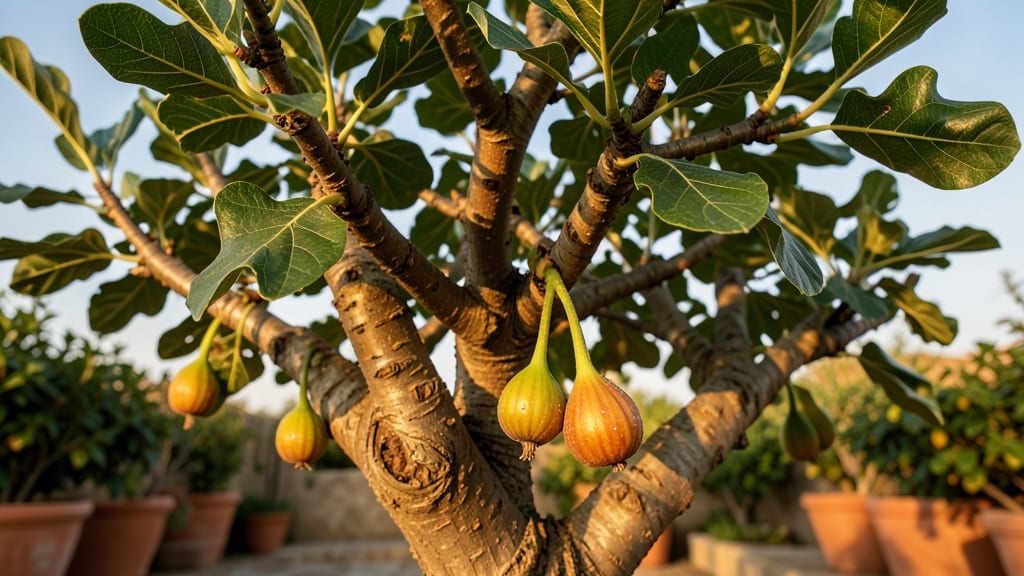
Zone 7 gardeners can grow delicious figs without fear of winter kill. These 10 cold-hardy fig varieties produce sweet, abundant fruit while surviving temperatures down to 0°F, making them perfect for northern climates.
Chicago Hardy Fig Tree
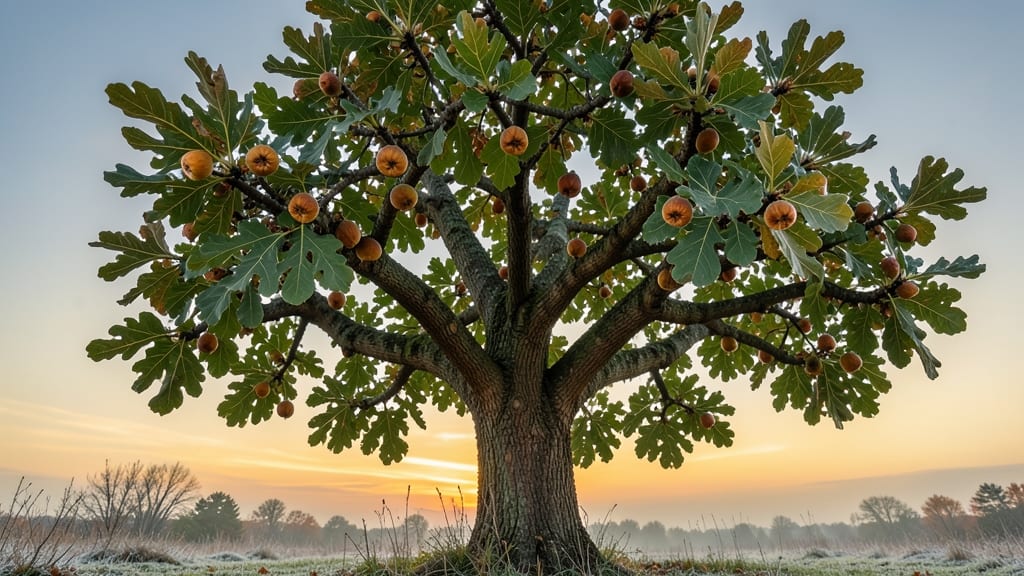
Tired of fig trees that struggle in Zone 7 winters? The Chicago Hardy fig tree was bred specifically to thrive where others fail, producing large, sweet fruit even in short growing seasons. This variety tolerates temperatures down to -15°F, making it one of the most reliable choices for northern climates.
With minimal care, this tree delivers abundant harvests—just plant it in well-draining soil with 6-8 hours of sun and water deeply once established. Unlike traditional figs, it doesn’t require winter chilling, so it starts fruiting earlier in the season. Prune lightly in late winter to shape the tree and encourage new growth.
Perfect for gardeners who want low-maintenance fruit production without sacrificing flavor, the Chicago Hardy is ideal for both backyard orchards and urban containers. 🌱
Celeste Fig Tree
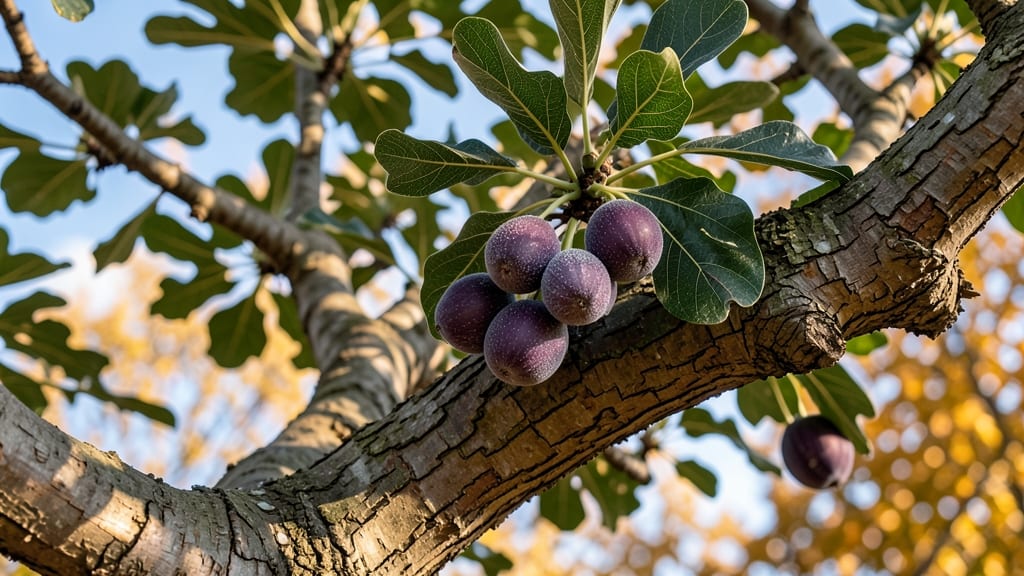
If you love figs but dread winter's chill, the Celeste fig tree might just become your new favorite. This award-winning variety not only survives Zone 7's cold snaps but thrives, producing deep purple fruit with a honey-like sweetness that sets it apart from other varieties.
What makes Celeste truly special is its versatility—it grows beautifully in both containers and in-ground plantings, making it perfect for urban balconies or traditional gardens. For best results, plant in well-draining soil with full sun exposure (at least 6-8 hours daily), and water deeply but infrequently once established. The tree’s compact size also means it won’t overwhelm small spaces. 🌟
Osborn Prolific Fig Tree
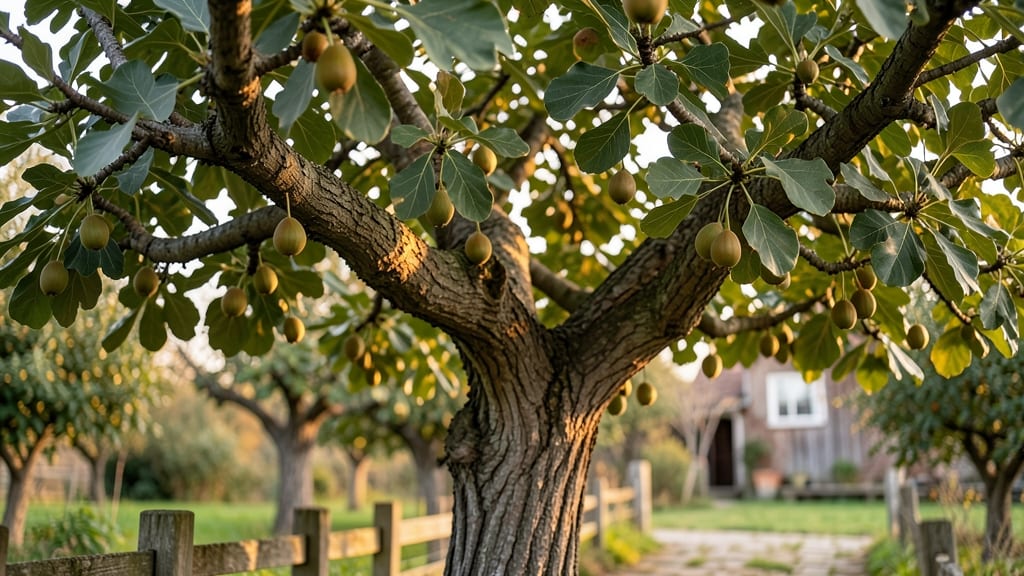
If you love the charm of heirloom plants and want a fig tree that rewards your garden with generous harvests year after year, the Osborn Prolific is your perfect match. This old-fashioned variety has been a favorite among traditional gardeners since the 19th century, prized for its reliability and sweet, honey-like fruit.
Unlike modern varieties, Osborn Prolific thrives in Zone 7 with minimal winter protection—just a light mulch or even a simple burlap wrap will suffice. It produces heavy crops of medium-sized, golden-brown figs that ripen in late summer, perfect for fresh eating or preserving. This tree also handles heat and drought once established, making it low-maintenance for busy gardeners.
Ideal for those who appreciate classic gardening traditions, Osborn Prolific is perfect for cottage gardens, heritage collections, or anyone who wants a fig tree that feels like a piece of history. 🌻
Brown Turkey Fig Tree
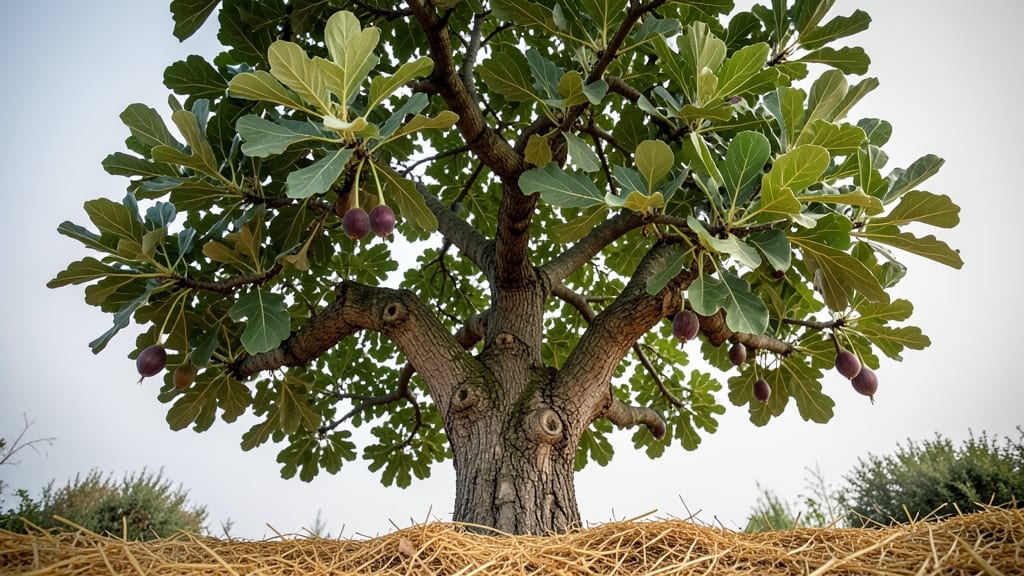
If you're a Zone 7 gardener who wants a foolproof fig tree that won’t flinch at winter’s first frost, the Brown Turkey variety is your best bet. This classic, cold-hardy fig thrives even in urban spaces or small yards, making it ideal for beginners and those with limited room.
With proper winter mulching (pile 6–12 inches of straw or leaves around the base), this variety survives temperatures down to 15°F, producing sweet, brown-skinned figs that ripen reliably each season. It’s also drought-tolerant once established, requiring minimal watering after the first year. For container growers, choose a 15-gallon pot or larger to ensure root stability.
This variety’s proven reliability and adaptability make it a top choice for gardeners who want a low-maintenance, high-reward fig tree. 🌱
Desert King Fig Tree
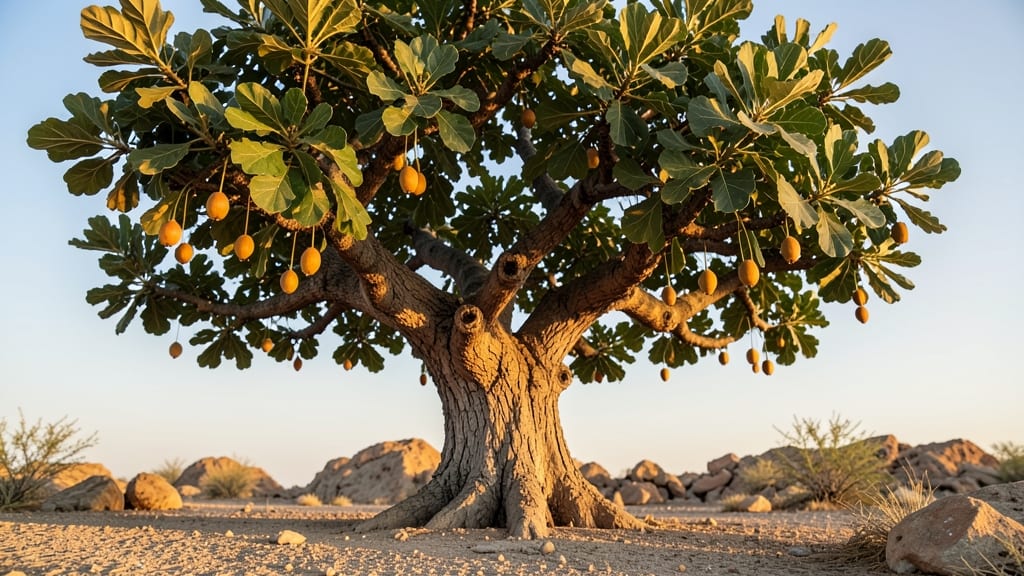
If you're dreaming of a low-maintenance fig tree that thrives in Zone 7's hot summers without constant watering, the Desert King is your perfect match. This drought-tolerant variety was bred to handle arid conditions, making it ideal for water-conscious gardeners or those with rocky, well-draining soil.
Once established, the Desert King requires minimal irrigation—just 1 inch of water per week during dry spells—and produces large, sweet figs with minimal pest pressure. Its deep roots also help suppress weeds naturally. For best results, plant in full sun and avoid heavy clay soils to prevent root rot.
This variety is especially great for urban gardeners or those with limited water resources, delivering reliable harvests with almost no extra effort. 💪
Little Miss Figgy Fig Tree
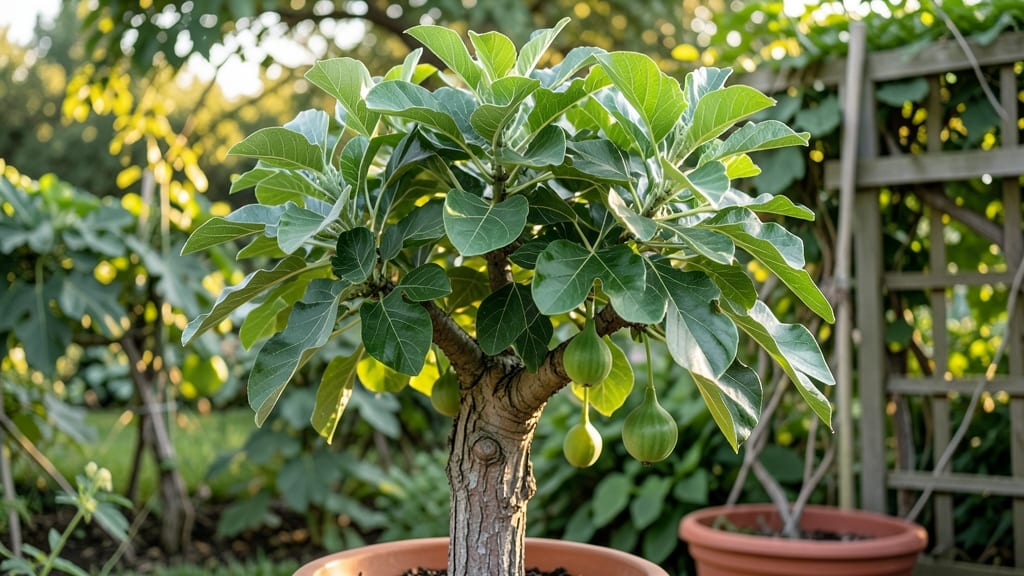
If you’ve ever dreamed of growing figs but lack the space for a sprawling tree, Little Miss Figgy is your perfect match. This dwarf variety tops out at just 6 feet tall, making it ideal for small yards, patios, or even large containers—without sacrificing fruit production.
Despite its compact size, it delivers abundant harvests of sweet, green-skinned figs that ripen reliably in Zone 7. Plant it in full sun (at least 6 hours daily) with well-draining soil, and water deeply but infrequently—this variety thrives with minimal fuss. Prune lightly after harvest to maintain shape, and watch it reward you with fruit within 2–3 years of planting.
Perfect for urban gardeners, balcony spaces, or cottage-style gardens, this fig tree proves you don’t need a large plot to enjoy homegrown fruit. 🌱
Violette de Bordeaux Fig Tree
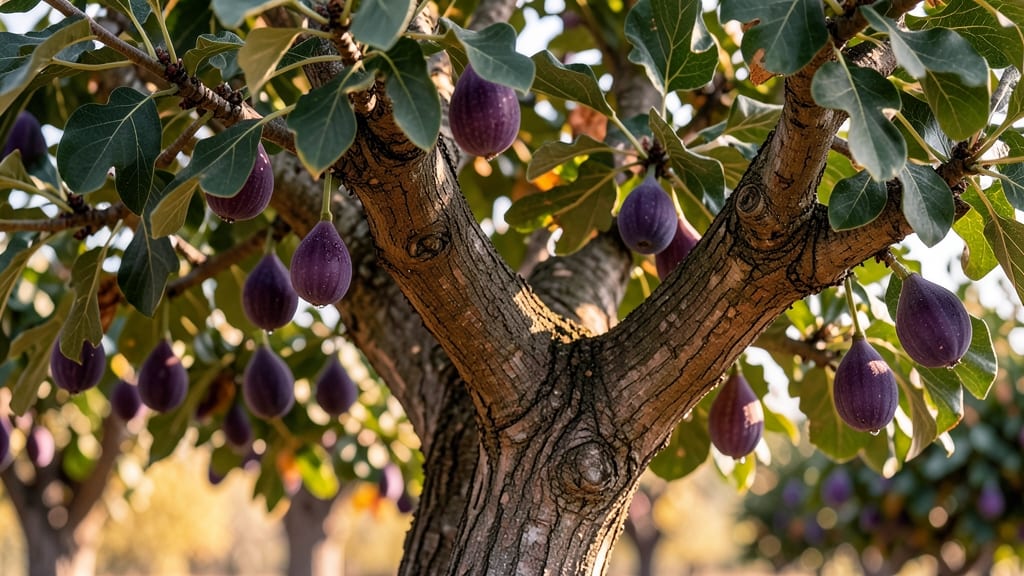
If you crave a fig tree that turns heads with its stunning purple fruit while surviving Zone 7 winters like a champ, the Violette de Bordeaux is your gourmet secret weapon. This French heirloom delivers a flavor profile so unique that foodies will ask for seconds—and thirds.
Bred for cold tolerance, this variety handles Zone 7 winters with ease, producing deep violet-skinned figs that ripen to a rich, almost black hue. The flavor combines sweetness with a subtle tartness, making it perfect for fresh eating or preserving. Plant in full sun with well-draining soil, and expect fruit in as little as 2-3 years from transplanting.
Gourmet gardeners and small-space growers will love this variety—its compact size (10-15 feet) makes it ideal for containers or small yards, while the dramatic fruit color adds visual flair to any garden. 🌻
Celeste Fig Tree (Green Skin)
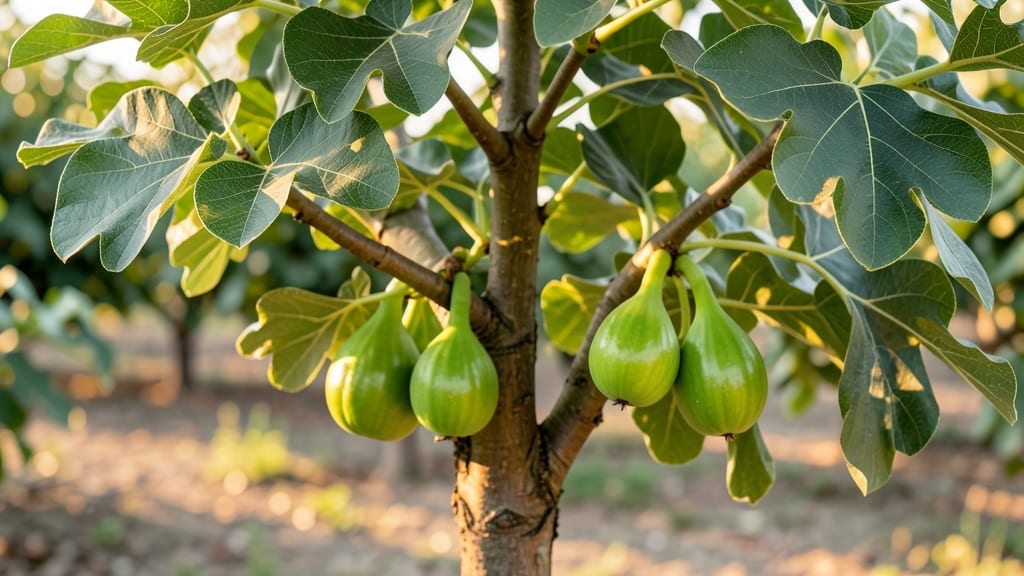
If you're eager to harvest figs earlier in the season, the Celeste Fig Tree (Green Skin) is your secret weapon for Zone 7's shorter growing periods. This unique green-skinned version of the classic Celeste variety delivers the same exceptional cold hardiness but ripens fruit weeks ahead of its purple-skinned cousin.
With identical winter survival down to 0°F, this variety thrives in both in-ground plantings and containers, making it perfect for urban gardeners or those with limited space. The key advantage is its earlier fruiting—ideal for gardeners who want to enjoy fresh figs before summer's end. Simply provide full sun and well-draining soil for maximum productivity.
Perfect for gardeners who love the Celeste's reliability but want a harvest edge, this variety proves you don't need to sacrifice cold hardiness for early fruit. 🌱
Panache Fig Tree
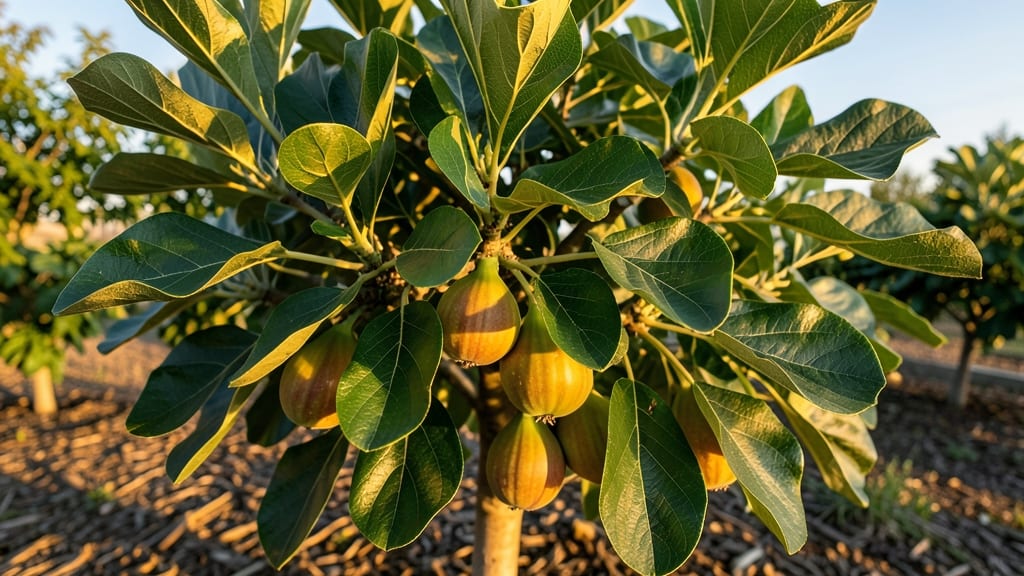
If you're tired of battling fungal diseases while growing figs in Zone 7, the Panache fig tree is your low-maintenance solution. This variety boasts exceptional disease resistance, meaning fewer sprays and healthier plants year after year.
Panache produces sweet, flavorful fruit that ripens late in the season, perfect for extending your harvest into fall. Unlike many figs, its fruit stores well for weeks in cool conditions, giving you a taste of summer long after the growing season ends. Simply plant it in full sun with well-draining soil, and it thrives with minimal fuss.
This variety is ideal for busy gardeners or those with less experience—it handles Zone 7 winters like a pro while rewarding you with delicious, long-lasting fruit. 🌻
Alma Fig Tree

If you love the idea of growing figs in Zone 7 but want something uniquely flavorful beyond the usual varieties, the Alma fig tree delivers. This Italian heirloom produces small but intensely sweet fruit with a honeyed depth that makes it perfect for fresh snacking or drying into preserves.
What sets Alma apart is its exceptional cold tolerance, making it one of the best choices for Zone 7 winters. The tree thrives in well-draining soil with full sun exposure and produces fruit in late summer, often ripening before other varieties. Prune lightly in late winter to encourage new growth, and watch as clusters of tiny, flavor-packed figs appear.
This variety is ideal for gardeners who want a distinctive taste without sacrificing hardiness. Its compact size also makes it a great fit for smaller spaces or as a container option. 🌻