
Flowers
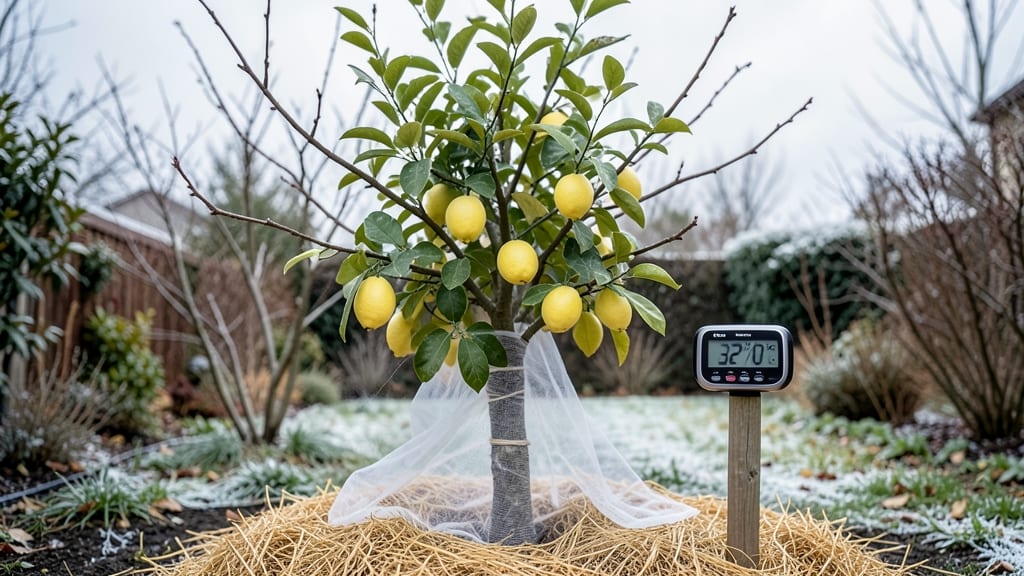
Lemon trees handle low temperatures better than you might think—some varieties thrive even when frost creeps in 🍋.
If you’ve ever assumed lemons belong only to sunny climates, think again. Cold-hardy types like the 'Meyer' lemon can survive brief dips into the 20s°F, while others need just a little extra care to beat back winter’s chill.
The key? Knowing which varieties suit your zone and how to shield them when the mercury drops.
Here’s what you need to know: from the toughest lemon trees for freezing zones to simple tricks like mulching or wrapping that make all the difference. Whether you’re in Zone 6a or just curious about pushing your tree’s limits, these strategies will keep your citrus happy—even when winter arrives.
We’ll cover the best cold-resistant varieties, step-by-step winter prep, and how to spot (and fix) frost damage before it’s too late. Your homegrown lemons are closer than you think!
Best cold-hardy lemon tree varieties for freezing temperatures
Growing a lemon tree in freezing temperatures used to be a pipe dream, but cold-hardy varieties and smart gardening techniques have changed the game.
If you're in USDA Zones 6-8 and want fresh lemons, you're in luck—these hardy lemon types can handle temperatures as low as 15°F (-9°C) with proper care. The key lies in selecting the right variety and knowing their frost survival limits.
Not all lemons are created equal when it comes to cold tolerance. While traditional Eureka lemons struggle below 30°F (-1°C), certain hybrids and grafted varieties push those limits.
For example, the 'Meyer' lemon is a fan favorite in colder climates, thanks to its hybrid resilience and ability to thrive in Zone 7a with minimal protection. Let’s dive into the top cold-hardy lemon varieties and how to maximize their survival in freezing temps.
⚠️ CRITICAL NOTE: Even the hardiest lemon trees need winter prep. Grafting onto cold-resistant rootstock (like Citrus × citrange) can extend survival to 10°F (-12°C) in extreme cases. Pair this with mulching, frost cloths, and container mobility, and you’ll be harvesting lemons in climates where most gardeners give up.
| Variety | USDA Zone Range | Frost Survival Limit (°F/°C) | Cold Hardiness Trick | Fruit Quality |
|---|---|---|---|---|
| 'Meyer' Lemon | 7a-10b | 20°F (-6°C) | Hybrid vigor; graft onto Citrus × citrange for Zone 6a | Sweet-tart, thin-skinned, early-bearing |
| 'Ponderosa' Lemon | 8a-10b | 25°F (-4°C) | Large fruit; needs winter wrap and mulch | Thick-skinned, tart, great for marmalade |
| 'Eureka' Lemon (grafted) | 9a-10b | 28°F (-2°C) | Graft onto trifoliate orange rootstock for Zone 8a | Classic tart lemon; reliable producer |
| 'Improved Meyer' Lemon | 6b-10b | 15°F (-9°C) | Dwarf variety; ideal for containers with insulation | Sweeter than Meyer; compact growth |
| 'Villafranca' Lemon | 9a-10b | 26°F (-3°C) | Grafted; needs winter protection in Zone 9a | Thick rind; excellent for juicing |
The 'Meyer' lemon stands out as the most adaptable for cold climates, especially when grafted onto Citrus × citrange rootstock. This hybrid can survive Zone 6a with proper winter care, making it perfect for gardeners in Ohio, Pennsylvania, or the Pacific Northwest.
Its sweet-tart flavor and early fruiting also make it a top pick for home growers.
For those in Zone 8a or colder, the 'Improved Meyer' is a game-changer. This dwarf variety stays under 6-10 feet tall and thrives in containers, which you can move indoors or under cover during freezing nights.
Its ability to handle 15°F (-9°C) temperatures with minimal protection is unmatched among lemons.
If you're aiming for classic lemon flavor but still need cold hardiness, consider grafting 'Eureka' or 'Villafranca' lemons onto trifoliate orange rootstock. This technique extends their survival to Zone 8a, though they’ll still need winter wraps and mulch to push through 25°F (-4°C) temps.
The trade-off? You’ll get thick-skinned, tart lemons perfect for cooking and preserving.
Grafting isn’t just for extreme climates—it’s also a smart move for container growers. By attaching a cold-sensitive lemon variety (like 'Eureka') onto a hardy rootstock, you create a two-in-one survival system.
The rootstock absorbs water and nutrients efficiently, while the scion (top part) produces the fruit you love. Just ensure your graft union is
How to protect lemon trees from freezing weather
When temperatures drop below 28°F, your lemon tree faces serious risks like frost damage or even death. But with the right winterization strategies, you can shield your tree from freezing weather and keep it thriving.
The key is acting before the first frost—not after. Whether your tree is in the ground or a container, proactive steps like mulching, covering, and insulation make all the difference.
Lemon trees are tropical plants that naturally struggle in cold climates. Even cold-hardy varieties like 'Meyer' lemons can only tolerate brief dips to 20°F. For Zone 6 and colder, you’ll need to go beyond basic care.
Think of your tree like a delicate houseplant—it needs warmth, protection, and consistent moisture to survive winter. Let’s break down the step-by-step process to winterize your lemon tree effectively.
Step-by-Step Guide to Winterizing Your Lemon Tree
- Step 1: Mulch the Base – Apply a 3-4 inch layer of organic mulch (straw or wood chips) around the tree’s base. This insulates roots from freezing ground temperatures and retains moisture. Keep mulch 6 inches away from the trunk to prevent rot.
- Step 2: Cover with Frost Cloth – Drape a breathable frost cloth over the tree when temperatures drop below 32°F. Secure it tightly with clips or stakes to trap heat. Remove it during the day if temperatures rise above 40°F to prevent overheating.
- Step 3: Insulate Container Trees – Wrap the pot in bubble wrap or insulation foam and place it in a protected location (like a garage or against a south-facing wall). Add extra mulch around the base to shield roots.
- Step 4: Move Indoors for Severe Cold – If temperatures will drop below 20°F, relocate potted lemon trees to an unheated garage or sunroom. Place them near a south-facing window for 6+ hours of sunlight daily. Avoid heat sources like vents that cause drafts.
- Step 5: Use Emergency Heat Sources – For extreme cold snaps (below 15°F), set up a low-wattage heat lamp or string lights near the tree. Keep it 12+ inches away to avoid burning leaves. Monitor closely to prevent overheating.
One of the most critical mistakes gardeners make is waiting until frost hits to act. By then, damage is often irreversible. Start preparing in late fall, ideally 4-6 weeks before your area’s first frost date.
For example, if your Zone 6 region typically freezes around November 1, begin mulching and covering in early October.
Container-grown lemon trees are easier to protect because you can move them indoors or into a sheltered space. However, in-ground trees require extra attention. Focus on root insulation with mulch and use frost cloth to shield the canopy.
If your tree is young (under 3 years old), consider wrapping the trunk with burlap or tree wrap to prevent cracking from temperature fluctuations.
Even with perfect winter care, some cold damage may occur. Watch for blackened leaves, wilting branches, or cracked bark in early spring. Prune damaged areas carefully and fertilize lightly to encourage new growth.
With patience and the right protective measures, your lemon tree can bounce back and produce fruit for years to come.
Don’t let freezing temperatures stop you from growing lemons! With these practical strategies, you can enjoy fresh lemons even in cold climates. Start your winter prep today, and your tree will thank you with juicy, homegrown fruit next season. 🍋