
Trees
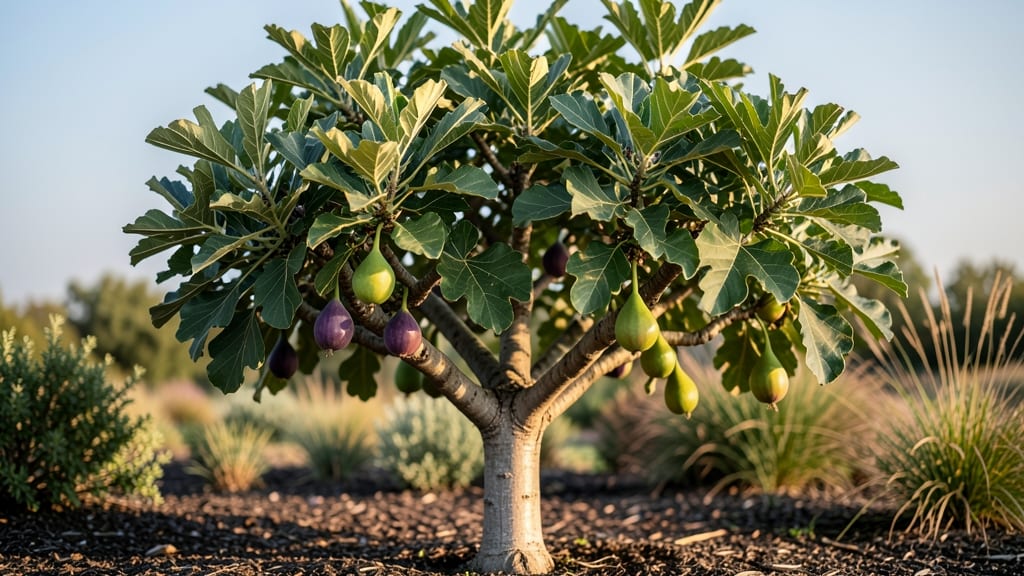
A fig tree’s height and width can transform your garden—whether you’re dreaming of a towering shade provider or a compact patio star 🌳.
If you love figs but lack space for towering trees, you’ll be thrilled to know dwarf varieties can thrive in small gardens, containers, or even patios—without sacrificing fruit production.
Standard fig trees can soar to 30 feet or more, but compact varieties like 'Little Miss Figgy' stay under 10 feet, making them perfect for urban spaces or small yards.
In this guide, I’ll break down the best space-saving fig tree sizes, how to choose the right one for your space, and pruning tips to keep them manageable while maximizing your harvest.

Fig tree height and width: compact varieties under 10 feet
If you dream of growing figs but have limited space, dwarf varieties are the perfect solution. These compact fig trees stay under 10 feet tall and wide, making them ideal for small gardens, containers, or even urban patios.
Unlike their towering cousins that can reach 20-30 feet, these varieties deliver delicious fruit without overwhelming your landscape.
Choosing the right variety depends on your space and climate. Some dwarf figs thrive in USDA Zones 7-10, while others like the Chicago Hardy can handle colder zones down to Zone 5.
I’ll focus on three standout varieties—Little Miss Figgy, Violette de Bordeaux, and Chicago Hardy—that excel in tight spaces while producing abundant fruit.
Why size matters: Proper spacing ensures airflow, reduces disease risk, and prevents root competition. A 6-foot diameter tree needs at least 8 feet of clearance, while container-grown figs can thrive in 15-gallon pots with regular pruning. Let’s dive into the specifics to help you pick the perfect fit for your garden.
Little Miss Figgy is my top pick for containers—it stays under 8 feet tall and wide, making it perfect for 15-gallon pots or small raised beds. This variety produces sweet, brown-skinned figs and thrives in full sun. For urban balconies, place it near a south-facing wall to maximize warmth and sunlight.
The Violette de Bordeaux is a stunning choice for small gardens, reaching 10 feet tall with a spreading canopy. Its deep purple figs are a showstopper, but it needs well-draining soil to prevent root rot. Space it 8 feet from other plants to avoid overcrowding and ensure airflow.
If you live in colder climates (Zones 5-6), the Chicago Hardy is a game-changer. It handles frost better than most figs and stays under 10 feet tall. For container growing, use a 20-gallon pot with winter protection like burlap wraps to shield roots from freezing temperatures.
All three varieties benefit from regular pruning to control height and width. In late winter or early spring, trim back one-third of the previous year’s growth to encourage bushier growth. Avoid heavy pruning in fall, as figs need time to harden off before winter.
For container gardening, use a pot with drainage holes and fill it with a mix of potting soil and perlite for optimal drainage. Water deeply when the top 2 inches of soil feel dry, and fertilize monthly during the growing season with a balanced 6-6-6 fertilizer.
Pro tip: Mulch around the base of your fig tree with 2-3 inches of organic mulch (like straw or wood chips) to retain moisture and regulate soil temperature. This is especially important for container-grown figs, which dry out faster than in-ground plants.
With the right variety and care, you can enjoy homegrown figs without sacrificing space. Whether you choose Little Miss Figgy for containers or Chicago Hardy for cold climates, these compact fig trees prove that big flavor doesn’t require a big yard.
How to choose the right fig tree size for your space
Choosing the right fig tree height and width depends entirely on your available space and intended use. Standard varieties can reach 15-30 feet tall, but dwarf and semi-dwarf options stay under 12 feet, making them perfect for patios or small yards.
Before selecting, measure your space and consider whether you want a ground-planted tree, container-grown specimen, or even a bonsai-style fig.
Your climate zone also plays a critical role in size selection. Cold-hardy varieties like 'Chicago Hardy' tolerate USDA Zone 5 and grow more compactly, while tropical types like 'Brown Turkey' thrive in warmer zones but may need winter protection.
Always match your tree’s hardiness to your local winters to avoid stunted growth or damage.
🌱
Dwarf Varieties (Under 8 ft)
- Pros: Perfect for containers, patios, or small gardens
- Pros: Faster fruiting in 2-3 years
- Pros: Easier to prune and maintain
- Cons: Smaller fruit yield
- Cons: Limited root space in containers
Semi-Dwarf (8-12 ft)
- Pros: Balanced size for small yards
- Pros: Higher fruit production than dwarfs
- Pros: Longer lifespan with proper care
- Cons: Requires more space than dwarfs
- Cons: Needs occasional pruning to control spread
Standard (15+ ft)
- Pros: Maximum fruit production
- Pros: Natural shade provider
- Cons: Needs large yard or landscape space
- Cons: Harder to prune and maintain
- Cons: Not suitable for containers
For container gardening, prioritize dwarf varieties like 'Little Miss Figgy' or 'Violette de Bordeaux', which top out at 6-8 feet tall and 4-5 feet wide. Use a 15-20 gallon pot with drainage holes and repot every 2-3 years to accommodate root growth.
Place containers in full sun and water deeply when the top 2 inches of soil dry out.
If you’re aiming for a bonsai-style fig, start with a dwarf variety and prune aggressively in early spring to shape the tree. Use root pruning every 2-3 years to maintain compact roots, and fertilize lightly with a balanced 10-10-10 mix during the growing season.
Bonsai figs require patience—expect 3-5 years to achieve a miniaturized, tree-like form.
To control height and width naturally, prune your fig tree in late winter or early spring before new growth begins. Remove 1/3 of the oldest branches to encourage outward growth and reduce height.
For width control, trim back suckers (shoots growing from the base) and water sprouts (vertical shoots from the trunk). Always use sterilized pruners to prevent disease spread.
🌿