
Pruning
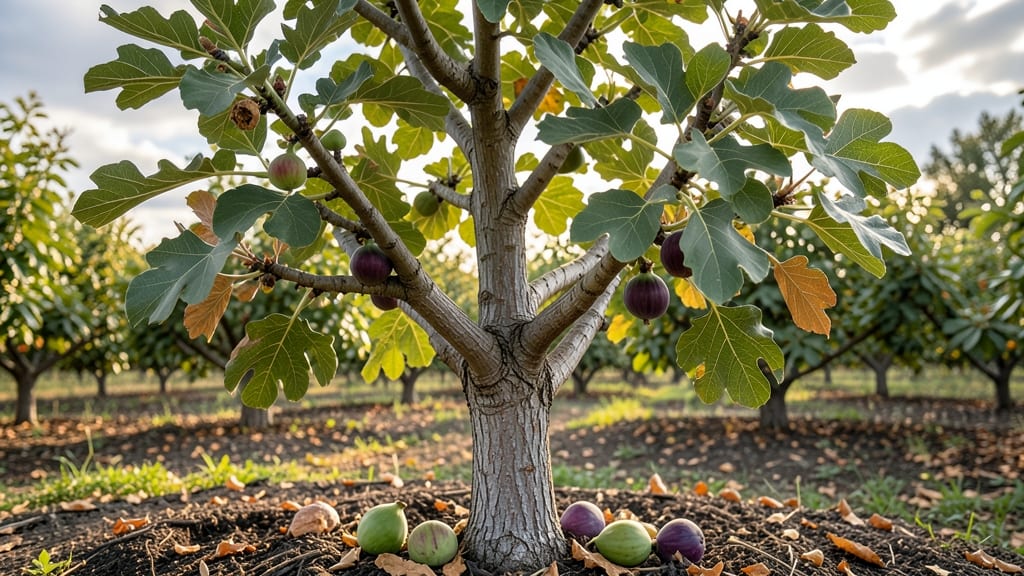
The fig tree fruit cycle is a beautiful dance of growth, patience, and reward—but many gardeners miss the subtle cues that turn a good harvest into a great one.
Picture this: You’ve nurtured your 🍈 for years, watching it grow taller every spring, only to end up with a handful of tiny, underripe figs—or worse, none at all. The truth? Figs follow a precise cycle, and small mistakes in timing or care can throw off the whole process.
But once you understand the stages—from flowering to ripening—you’ll know exactly when to prune, water, and even protect your tree for maximum fruit production.
In this guide, I’ll walk you through the four key stages of the fig tree’s fruit cycle, including how climate and variety affect timing. You’ll learn how to spot the signs of readiness, avoid common pitfalls (like over-pruning or water stress), and even encourage a second harvest in warmer zones.
Whether you’re a first-time grower or a seasoned fig enthusiast, these insights will help you turn your tree into a prolific producer.
Ready to unlock the secrets of a bountiful fig harvest? Let’s dive into the stages, care tips, and pro tricks that make all the difference.
The 4 key stages of a fig tree’s fruit development cycle
When you plant a fig tree, you’re not just nurturing leaves—you’re cultivating a complex fruit development cycle that spans four distinct stages. Each phase demands specific care to ensure your fig tree produces the sweetest, most abundant harvest.
Understanding these stages helps you predict harvest timing and troubleshoot issues before they impact your yield.
Figs are unique because they develop without traditional flowers—tiny fig wasps pollinate them inside the fruit itself. This makes timing even more critical. Whether you’re growing ‘Brown Turkey’ or ‘Black Mission’ figs, recognizing these stages visually lets you adjust watering, pruning, and fertilization for peak production.
Climate plays a massive role in how quickly your fig tree moves through these stages. In warmer zones (8-11), the cycle accelerates, while cooler zones (6-7) may see delayed ripening.
For example, a fig tree in Zone 9 might fruit in July-August, while one in Zone 7 could wait until September-October.
Let’s break down each stage with visual cues and care tips to help you identify progress and optimize your fig tree’s performance.
Stage 1: Flowering begins when your fig tree produces tiny wasp entry points on new figs. These holes are invisible to the naked eye but critical—they allow fig wasps to pollinate the flowers inside.
In Zone 8+, this happens as early as April-May, while Zone 7 trees may wait until June.
To encourage wasps, avoid heavy pruning during this time and plant companion flowers like lavender or rosemary nearby. If you’re in a cold climate, consider hand-pollination by gently shaking branches to release trapped wasps from last year’s figs.
Stage 2: Fruit Set is when figs swell rapidly, turning from pea-sized buds to golf-ball sized in just weeks. This is the most water-sensitive stage—underwatering causes figs to drop prematurely, while overwatering leads to cracked skin.
Aim for 1-2 inches of water per week and monitor soil moisture.
Apply a balanced fertilizer (6-6-6) during this phase to support rapid growth. Look for pale green skin with a slight waxy sheen—this indicates healthy development. If figs remain hard and green, they’re not receiving enough nutrients or water.
Stage 3: Ripening is where your patience pays off. Figs transition from green to their mature color—whether purple, brown, or yellow—and soften slightly when ripe. In hot climates, this can happen in 6-8 weeks, while cooler zones may take 10-12 weeks.
Harvest when the fig detaches easily from the branch and yields slightly to pressure. Overripe figs become mushy and attract pests. If your figs aren’t ripening, check for shade stress—figs need 6+ hours of sunlight daily to develop proper sugars.
How to determine the perfect harvest time for figs by variety
Harvesting figs at the right time ensures peak flavor and texture, but timing varies dramatically by fig variety. Some ripen early in summer, while others wait until fall. The key is knowing your tree’s specific fruit cycle and watching for visual cues that signal readiness.
Most figs reach harvest when they’ve developed their full variety-specific color and yield slightly to gentle pressure. However, picking too early means bland, underdeveloped fruit, while waiting too long risks overripe figs that spoil quickly. Let’s break down the best harvest windows for popular varieties.
For ‘Brown Turkey’ figs, harvest begins in late July when the fruit turns deep purple-brown. These are the most cold-hardy variety, making them ideal for Zone 6 gardens. Test ripeness by gently squeezing—ripe figs should yield slightly but not feel mushy.
If you’re growing ‘Celeste’ figs, watch for yellow-green skin with pink blushes in August. These figs are prized for their sweetness, but they spoil faster than others. Harvest when the base separates easily from the branch to avoid overripe fruit that can attract pests like wasps.
For ‘Black Mission’ figs, wait until September or October when the skin turns deep purple-black. These figs are larger and sweeter when fully ripe. A key trick: bite one—ripe figs should be soft inside with no woody texture. Overripe figs develop a fermented smell, so harvest frequently.
Always harvest figs in the morning after dew dries to preserve quality. Store them at room temperature for up to a week, but refrigerate if you need to extend their shelf life. Remember, figs continue ripening after picking, so don’t rush the harvest—patience pays off with sweeter fruit!