
Light Requirements
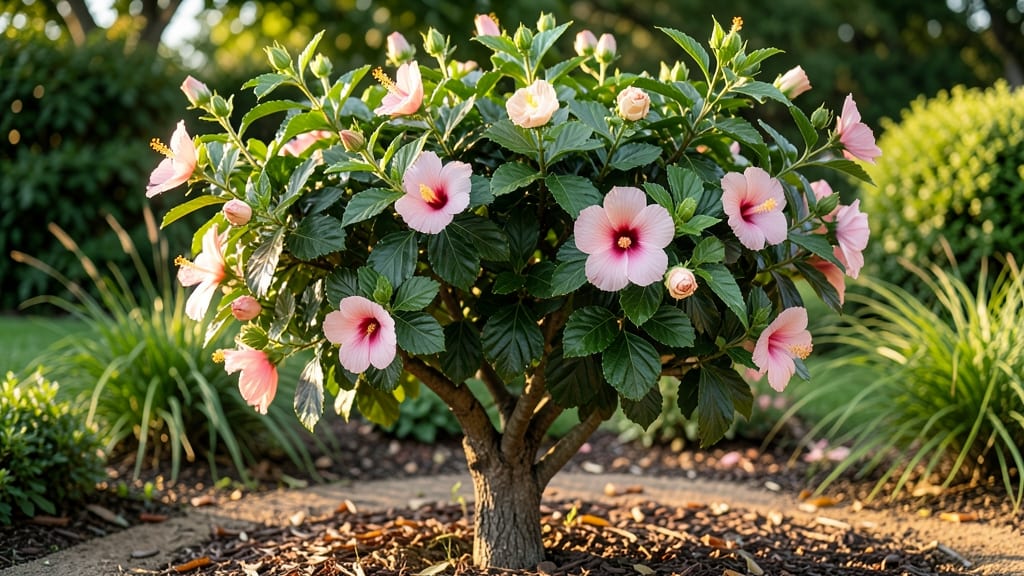
A hibiscus tree needs full sun to thrive, but the truth about its light requirements might surprise you—especially if you’re in a hot climate where too much direct sun can actually damage it.
Picture this: your 🌺 hibiscus tree is planted in a spot that gets blazing afternoon rays, and suddenly, the leaves start turning crispy at the edges. That’s not a lack of sun—it’s too much of the wrong kind.
The key isn’t just any full sun; it’s the right balance of morning brightness and afternoon shade.
Most gardeners assume "full sun" means all-day baking, but hibiscus trees in USDA Zone 6 actually prefer 6-8 hours of sunlight, with protection from the harshest midday heat. This means positioning matters just as much as the hours.
A south-facing spot with afternoon shade from a nearby tree or trellis can make all the difference between sparse blooms and a showstopping display of vibrant flowers.
In this guide, I’ll break down how to tell if your hibiscus is getting the right light, how to adjust for partial shade, and the simple tricks to keep it blooming year-round—no guesswork required.

How much sun does a hibiscus tree really need?
Hibiscus trees thrive with 6 to 8 hours of sunlight daily, but the exact needs depend on your climate zone and local conditions. Many gardeners assume they need full sun all day, but in hot regions, afternoon shade can actually protect delicate blooms from scorching.
Let’s break down the ideal light exposure and how to adapt for your growing conditions.
In tropical climates, hibiscus trees often handle morning sun with afternoon shade better than full sun exposure. The intense afternoon rays can bleach petals and stress the plant, reducing blooms.
Meanwhile, in temperate zones, they can tolerate more direct sunlight, especially during cooler months. Understanding these differences helps you avoid common mistakes like overwatering stressed plants or pruning too aggressively.
Myth: Hibiscus trees must have full sun. Reality: They prefer bright, indirect light in extreme heat. Think of it like a sunbathing teen—too much midday sun leads to burns, even if they love sunlight overall. The key is balancing intensity and duration based on your location.
For container-grown hibiscus, aim for 5-6 hours of bright, indirect light to prevent root stress. Pots dry out faster, and roots can’t seek shade like in-ground plants. Place containers near east-facing windows or under 50% shade cloth during peak hours.
If you notice stunted growth, it’s often a sign of insufficient light, not poor soil.
Seasonal adjustments are crucial. In summer, hibiscus trees in USDA Zones 9-11 may need afternoon shade from 2 PM to 5 PM to prevent heat stress. Use lightweight shade cloth (30-50%) or plant near deciduous trees that provide natural shade.
In spring and fall, they can handle full sun without issues, making these seasons ideal for maximizing blooms.
Watch for leaf color changes—a telltale sign of sunlight imbalances. Yellowing leaves often mean too much shade, while brown, crispy edges indicate sunburn. If your hibiscus is dropping buds before they open, it’s likely struggling with temperature fluctuations caused by direct afternoon sun.
Adjusting placement can make a dramatic difference in just weeks.
If you’re in a high-desert climate (e.g., Phoenix or Albuquerque), hibiscus trees may need even more afternoon protection due to intense UV radiation. Try strategic pruning to create a natural canopy that filters light. Remove lower branches to improve airflow while keeping upper foliage dense for shade.
For urban gardeners with limited space, consider reflective surfaces. Light-colored walls or mirror panels can bounce sunlight to your hibiscus, effectively doubling its light exposure without direct sun. This trick works especially well for balcony or patio plants where full sun isn’t an option.
Remember, hibiscus trees are adaptable—they’ll survive with less sun, but they won’t bloom as heavily. If you’re willing to monitor and adjust, you can grow a vibrant, healthy hibiscus even in partial shade.
Start with 6 hours of morning sun and gradually increase exposure to see how your plant responds.
🌺
Signs your hibiscus tree isn’t getting the right light
Your hibiscus tree might be sending you signals about its sunlight struggles, and ignoring them can lead to stunted growth or fewer blooms. Yellowing leaves or leaf scorch are classic red flags, but the symptoms vary depending on whether it’s getting too much or too little light.
I’ll show you how to spot these issues and fix them without moving your plant.
First, check the leaf color—pale yellow leaves often mean your hibiscus isn’t getting enough sun, while brown, crispy edges suggest it’s getting scorched by too much direct light.
Another clue? Sparse blooms or flowers that fade quickly could mean your plant isn’t getting the 6-8 hours of sunlight it craves for optimal flowering.
Does Hibiscus Tree Need Full Sun?
Pros of Full Sun
- ✅ Vibrant blooms year-round
- ✅ Healthy leaf growth
- ✅ Stronger stems for upright structure
Cons of Full Sun
- ❌ Leaf scorch in extreme heat
- ❌ Stress on roots if soil dries too fast
- ❌ Fewer blooms in high temps
Pros of Partial Shade
- ✅ Prevents leaf burn in hot climates
- ✅ Slower water loss in soil
- ✅ More consistent blooms in heat
Cons of Partial Shade
- ❌ Leggy growth from stretching
- ❌ Fewer flowers if light is too low
- ❌ Weaker stems over time
If your hibiscus is stretching toward light or developing long, thin branches, it’s likely not getting enough sun. This is your plant’s way of reaching for more light, and it can make the tree look weak and unbalanced.
On the flip side, if the leaves are crispy or curled with brown edges, it’s getting too much direct sunlight, especially in the afternoon when the sun is strongest.
You can often fix light exposure issues without moving your hibiscus. For too much sun, try adding a light shade cloth (30-50% coverage) or placing it near a lattice screen to filter the light.
If it’s under-lit, gradually move it to a sunnier spot over a few weeks to avoid shocking the plant. A south-facing window or a spot near a bright wall can work wonders for indoor hibiscus.
Pay attention to bloom frequency too—a healthy hibiscus should produce new flowers every few weeks. If you’re seeing fewer than 5 buds per branch or flowers that wilt quickly, it’s a sign your plant isn’t getting the right balance of light.
Adjusting its position or adding a reflective surface (like a white wall) can help bounce more light onto the leaves.
Remember, hibiscus trees are flexible—they can adapt to partial shade if needed, but they’ll always perform best with morning sun and afternoon shade in hot climates.
Keep an eye on these growth cues, and your hibiscus will reward you with lush foliage and stunning blooms all season long. 🌺