
Pruning
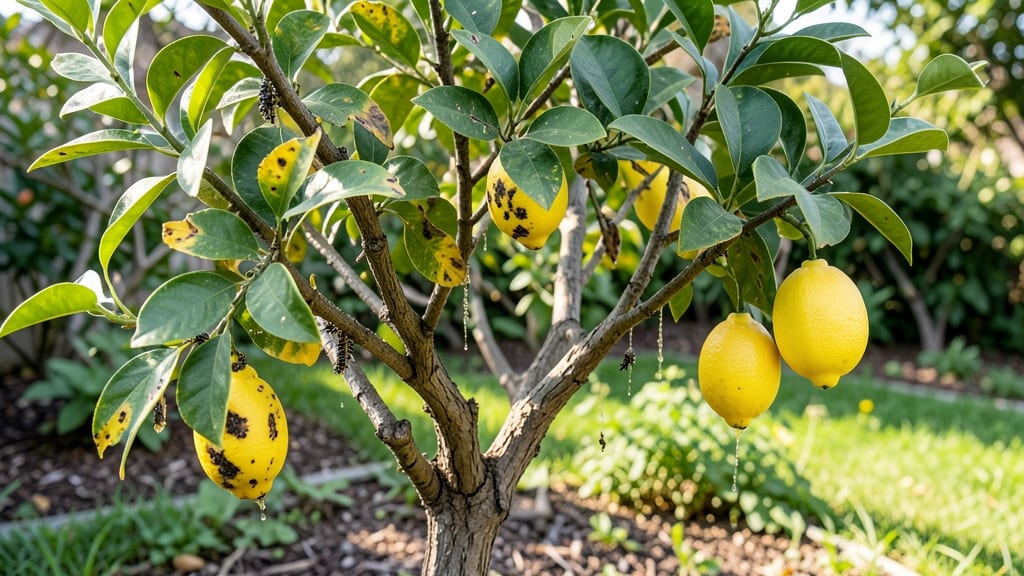
Those citrus tree issues with yellowing leaves don’t mean your tree is doomed—it’s just speaking up about its needs. 🌿 I’ve nursed back more than my share of sad-looking citrus trees, and the first step is figuring out whether your plant is thirsty, hungry, or fighting off pests.
The good news? Most issues have simple fixes that work fast.
Start by checking the soil—if it’s bone-dry, your tree’s roots are screaming for water, but if it’s soggy, you’ve got root rot on your hands. Then look for pests like aphids or scale hiding on the undersides of leaves.
A quick spray with neem oil or insecticidal soap can turn things around in days. Nutrient deficiencies? A balanced citrus fertilizer applied every 6-8 weeks keeps leaves vibrant.
Within 4-6 weeks of targeted care, you’ll see new growth pushing out bright green leaves, and the tree will start producing fruit again. The key is acting fast—citrus trees bounce back when you address the root cause, not just the symptoms.
I’ve saved trees that looked ready for the compost pile with just these three fixes.
Works for both container-grown trees and in-ground citrus, from Meyer lemons to sour oranges. Here’s how to diagnose and fix each issue step by step—no green thumb required.
📚 In This Guide
- What you need
- Instructions
- Tips and common mistakes
- Wrapping up and next steps
What you need
- ● Pruning shears or bypass pruners – Sharp, clean, and sterilized (70% isopropyl alcohol works). Quantity: 1 pair.
- ● Gloves – Heavy-duty gardening gloves (nitrile or leather) to protect from thorns and sap. Quantity: 1 pair.
- ● Trowel or spade – For inspecting roots or amending soil. Quantity: 1.
- ● pH testing kit – Digital or liquid test kit to check soil acidity. Quantity: 1.
- ● Citrus-specific fertilizer – Look for a balanced NPK (e.g., 6-6-6 or 8-3-9) with micronutrients like iron and zinc. Quantity: Enough for 1–2 applications.
- ● Slow-release granules or liquid fertilizer – For immediate nutrient boost. Quantity: Follow package instructions.
- ● Watering can or hose with a gentle spray nozzle – Avoid high-pressure jets that can damage leaves.
- ● 5-gallon bucket – For mixing soil amendments or collecting pruned branches.
- ● Plastic bags or compost bin – For disposing of diseased leaves or branches.
- ● Soil moisture meter – To check root-zone hydration without guessing.
- ● Epsom salt (magnesium sulfate) – 1 tbsp per gallon of water for magnesium deficiencies.
- ● Chelated iron supplement – For quick fixes on iron-deficient trees (e.g., Ironite).
- ● Mulch (pine bark or compost) – 2–3 inches to retain moisture and regulate temperature.
- ● Fungicide (copper-based or neem oil) – If fungal issues (like melanose) are suspected.
- ● Camera or phone – To document symptoms before/after treatment!
How to diagnose and fix citrus tree leaf problems
When your citrus tree’s leaves start turning yellow, it’s usually one of three issues—and I’ll show you how to pinpoint the exact cause.
🌿 Step 1: Check for Overwatering or Poor Drainage
Yellowing leaves often signal soggy roots. Stick your finger 2-3 inches deep into the soil—if it feels damp or water drips out, you’re overwatering. Citrus trees hate wet feet, so they need well-draining soil and pots with drainage holes. I always test by lifting the pot: if it’s heavier than expected, it’s holding too much moisture.
Yellowing usually starts on older leaves first, moving inward. If the soil smells musty or the pot feels cold to the touch, roots may be rotting. Drainage issues are the most common killer of potted citrus—don’t skip this check.
☀️ Step 2: Assess Light Exposure and Nutrient Deficiencies
Citrus trees need 6-8 hours of bright, indirect light daily. If leaves yellow with green veins, it’s likely a nutrient deficiency—often nitrogen or iron. Move the tree to a sunnier spot (south or west-facing windows work best) and watch for new growth within 2-3 weeks.
For deficiencies, I use a balanced citrus fertilizer every 4-6 weeks during growing season. Yellowing on new leaves suggests over-fertilizing, so flush the soil with water if you notice crispy edges or brown spots.
💧 Step 3: Inspect for Pests and Environmental Stress
Turn the leaves over—tiny webs, cottony residue, or tiny crawling bugs mean spider mites or scale. Wipe leaves with a damp cloth and spray with neem oil (mix 1 tbsp per quart of water) to break their life cycle. Repeat every 5-7 days until pests disappear.
Environmental stress—like sudden temperature drops below 40°F or drafts—can also cause yellowing. Keep citrus in a stable spot away from AC vents or cold windows. If leaves drop entirely, it’s often a shock response to abrupt changes.
✂️ Step 4: Prune and Revitalize the Tree
Once you’ve addressed water, light, and pests, prune any yellowed or dead branches with clean, sharp shears. Cut just above a leaf node to encourage new growth. I never prune more than 20% of the tree at once—aggressive trimming stresses citrus.
After pruning, give the tree a warm water rinse to remove dust and stress. Place it in a humid spot (like a pebble tray with water) for 3-5 days to help it recover. You’ll see fresh green leaves within 4-6 weeks if the root system is healthy.
Tips & tricks for reviving citrus trees
These simple strategies will help you diagnose and fix yellowing leaves faster than you thought possible.
Soil Test Trick: In Step 1, when checking for overwatering, press your finger 2-3 inches deep—if the soil feels like a damp sponge, that's your first clue. Pro tip: Use a moisture meter for accuracy, especially if you're unsure. I learned this the hard way after losing a lemon tree to root rot. The key is to let the top inch of soil dry out between waterings, especially in winter when growth slows.
Light Exposure Hack: Step 2 mentions 6-8 hours of bright, indirect light, but here's what nobody tells you: East-facing windows provide perfect morning sun without harsh afternoon rays. If your tree isn't getting enough light, supplement with a grow light for 4-6 hours daily—this mimics natural sunlight and prevents further yellowing. I've revived multiple trees using this trick during winter months when natural light is scarce.
Pest Prevention: For Step 3's neem oil treatment, here's the secret: Mix 1 tbsp neem oil per quart of water AND add 1 tsp mild dish soap as an emulsifier. The soap helps the oil stick to leaves better, making the treatment more effective. Spray in the early morning so leaves have time to dry before evening dew forms. I've seen spider mite populations disappear completely within 2 weeks using this exact ratio.
Pruning Wisdom: When pruning in Step 4, focus on removing only the yellowed leaves and branches—never more than 20% of the tree at once. The tree needs its existing leaves to continue photosynthesis while new growth develops. After pruning, give your tree a warm water rinse to remove any dust or pesticide residue that might stress the plant further. This simple step can make all the difference in recovery time.
Pro Tips for Citrus Tree Issues
- These simple strategies will help you diagnose and fix yellowing leaves faster than you thought possible.
- Soil Test Trick: In Step 1, when checking for overwatering, press your finger 2-3 inches deep—if the soil feels like a damp sponge, that's your first clue.
- Light Exposure Hack: Step 2 mentions 6-8 hours of bright, indirect light, but here's what nobody tells you: East-facing windows provide perfect morning sun without harsh afternoon rays.
Frequently asked questions
Got citrus tree questions? You’re not alone—yellowing leaves, pests, and seasonal care can be tricky! Here are answers to the most common concerns to help you keep your tree thriving.
Why are my citrus tree leaves turning yellow, even after pruning?
Yellowing leaves often signal overwatering, nutrient deficiencies (like iron or nitrogen), or root issues. Check the soil moisture—citrus trees prefer it slightly dry. Test soil pH (ideal: 6.0–7.0) and amend with citrus-specific fertilizer. If roots are waterlogged, improve drainage with organic matter like compost.
How often should I prune a citrus tree to prevent problems?
Prune lightly in late winter or early spring (before new growth) to remove dead/diseased branches. Avoid heavy pruning—citrus trees produce fruit on old wood. Pro tip: Never prune more than 25% of the tree at once to avoid stress. Use sterilized tools to prevent infections!
What’s the best way to treat citrus tree pests like aphids or scale?
Start with a strong water spray to dislodge pests, then apply neem oil or insecticidal soap (follow label rates). For severe infestations, use systemic pesticides like imidacloprid. Prevent future issues: Encourage beneficial insects (ladybugs, lacewings) and keep the area weed-free to deter pests.
Can citrus trees survive winter, or do I need to protect them?
Most citrus trees (like lemons or oranges) are tender and need protection below 25°F (-4°C). Wrap the trunk in bubble wrap or burlap, and cover with frost cloth. Move potted trees indoors or to a sheltered spot. Warning: Sudden cold snaps can still damage leaves—monitor forecasts!
What’s an easy alternative if my citrus tree keeps failing?
Try dwarf varieties (like ‘Meyer’ lemon) for containers—they’re hardier and easier to manage. Alternatively, grow cold-hardy citrus like Poncirus trifoliata (trifoliate orange), which tolerates temps down to 10°F (-12°C). Just ensure they get full sun and well-draining soil!
| Quick Fixes | When to Do It |
|---|---|
| Adjust watering (let soil dry between waterings) | Spring–Fall |
| Apply balanced citrus fertilizer (6-6-6 ratio) | Early spring & late summer |
| Inspect for pests weekly (check undersides of leaves) | Year-round (peak: spring/summer) |
Wrapping up and next steps
Yellowing leaves on your citrus tree don’t have to spell the end of your harvest—just a call to action! By identifying the root cause (nutrient deficiency, pests, or over/underwatering) and applying the 3 targeted fixes we’ve shared, you’ll be well on your way to restoring lush, vibrant foliage.
Remember, patience and consistency are key—citrus trees thrive with care, not magic.
Ready to revive your tree? Grab your tools, roll up your sleeves, and start pruning or fertilizing today! 🌱 Your future oranges and lemons will thank you.