
Pruning
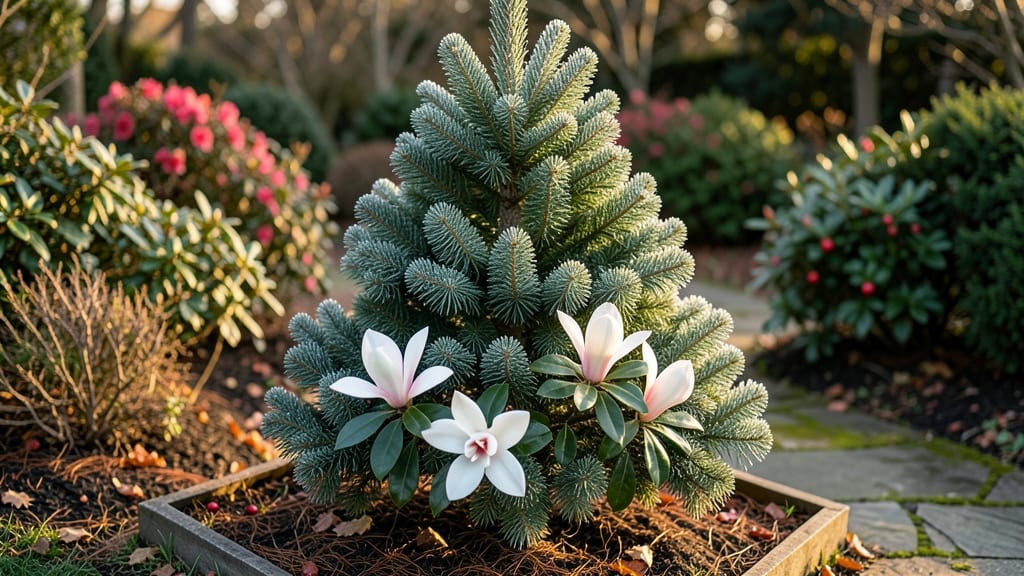
Pairing a Christmas tree with magnolias creates a garden that looks stunning in every season. 🌿 The towering evergreen provides structure while magnolias burst with blooms in spring, offering a perfect contrast of textures and colors year-round.
This combo works especially well in mixed borders or as a focal point in winter gardens.
The key is spacing—plant magnolias about 10-15 feet from your Christmas tree to avoid shading issues. For a holiday-themed design, choose white or pink magnolias like Magnolia stellata to complement the tree’s green needles. Add companion plants like boxwoods or camellias for extra texture and seasonal interest.
In winter, the evergreen tree stays lush while dormant magnolia branches add subtle structure. By spring, the magnolias explode with fragrant blooms, creating a breathtaking contrast against the tree’s dark green foliage. This pairing works beautifully in both formal and naturalistic garden styles.
For best results, plant in well-drained soil with partial shade for the magnolias. Mulch to retain moisture and protect roots in colder months. This design keeps your garden elegant and dynamic, no matter the season.
📚 In This Guide
- What you need
- Instructions
- Tips and common mistakes
- Wrapping up and next steps
What you need
- ● Magnolia tree(s): 1–3 mature Magnolia grandiflora or Magnolia stellata (dwarf varieties work well for smaller spaces). Ensure they’re healthy and pruned for shape.
- ● Evergreen branches: 10–15 fresh pine, cedar, or fir branches (3–5 feet long) for structure and texture.
- ● Floral wire or twine: 1–2 spools of floral wire (20–22 gauge) or jute twine for securing branches.
- ● Pruning shears: Sharp, clean bypass pruners (for trimming magnolia leaves/branches).
- ● Container or pot: A large, sturdy planter (18–24 inches wide) with drainage holes, or a repurposed wooden barrel for rustic charm.
- ● Potting soil: 1–2 bags of well-draining, acidic soil mix (ideal for magnolias and evergreens).
- ● Mulch: Pine bark or wood chips (1–2 bags) to retain moisture and add texture.
- ○ Decorative accents (optional but fun!): Miniature fairy lights or battery-operated candles for holiday ambiance.
- ● Small ornaments or beads to dangle from magnolia branches.
- ● A tree skirt or landscape fabric to conceal the base neatly.
- ● Gloves: Heavy-duty gardening gloves to protect your hands.
- ● Watering can: With a rose attachment for gentle watering.
- ● Measuring tape: To ensure even spacing between branches.
- ● Spray bottle: For misting magnolia blooms (especially in dry climates).
- ○ Fertilizer (optional): A slow-release, acid-loving plant fertilizer to boost growth.
How to design a Christmas tree with magnolias for year-round beauty
Transform your landscape into a living holiday centerpiece that blooms in spring, stays lush through summer, and retains its festive charm all year.
🌱 Step 1: Select and Prepare the Right Magnolia Varieties
Choose evergreen magnolias like Magnolia grandiflora or Magnolia 'Little Gem' for their year-round foliage, then add deciduous varieties like Magnolia stellata for spring blooms. I always plant 3-4 evergreen magnolias as the "tree" base—position them in a tight cluster to create a dense, tree-like silhouette. Space them 6-8 feet apart to allow natural branching.
Dig holes twice as wide as the root ball but only as deep. Loosen the roots slightly if they're circling—this encourages outward growth. The reason we don't plant too deep is that magnolias hate having their trunks buried; it causes rot. Water each tree immediately after planting to settle the soil around the roots.
☀️ Step 2: Create a Multi-Layered Planting Design
Surround your magnolia "tree" with understory plants that complement the height and texture. I use boxwoods (Buxus sempervirens) for their glossy evergreen leaves and camellias for winter blooms. Place boxwoods 4-5 feet from the magnolias in a semi-circle, then fill gaps with dwarf rhododendrons for seasonal color.
Add spring bulbs like daffodils or tulips at the base—plant them 6 inches deep in fall so they bloom before the magnolias leaf out. The bulbs will provide early color while the magnolias establish. Mulch the entire area with 3 inches of pine bark to retain moisture and suppress weeds, but keep mulch 6 inches away from tree trunks to prevent rot.
✂️ Step 3: Prune for Shape and Encourage Blooms
Prune evergreen magnolias immediately after flowering (late spring) to shape the tree form. Remove 1/3 of the oldest stems at the base to open the center and encourage new growth. For deciduous magnolias, prune right after they finish blooming—this prevents removing next year's flower buds.
Thin out crowded branches to improve airflow, which reduces disease risk. You'll see new growth within 4-6 weeks—this is your signal that the tree is responding well. Avoid heavy pruning in fall; magnolias need time to harden off before winter. If you notice yellowing leaves, it's usually a sign of overwatering—magnolias prefer well-drained soil and only need watering when the top 2 inches of soil feel dry.
🪴 Step 4: Maintain Year-Round Health and Seasonal Interest
Fertilize in early spring with a balanced, slow-release fertilizer (10-10-10) to support new growth. I apply ½ cup per tree, working it into the top 2 inches of soil. Avoid high-nitrogen fertilizers—they promote leafy growth at the expense of flowers. Water deeply once a week during the first growing season to establish roots, then reduce to every 2 weeks once established.
In winter, evergreen magnolias may need light protection from drying winds. A burlap wrap around the trunk can help retain moisture. Deciduous magnolias will drop leaves, but the structure remains elegant. Watch for scale insects on evergreen varieties—treat with neem oil if you see sticky residue on leaves. The key to long-term success is consistent care, not heavy intervention.
⏰ Step 5: Plan for Long-Term Growth and Expansion
Magnolias grow 12-24 inches per year, so plan for their mature size. After 3-5 years, you may need to thin out the center again to maintain an open, tree-like form. If your design includes deciduous magnolias, their spring blooms will be the star show—plan to enjoy them in March-April, just as winter fades.
To keep the understory thriving, replace any boxwoods or camellias that die back after 5-7 years. The evergreen magnolias will provide the backbone, while the layered plants add texture and seasonal color. This isn't a static design—it evolves. In 5 years, your "Christmas tree" will be a mature, multi-layered focal point that stays beautiful through every season.
Tips & tricks for perfect Christmas tree with magnolias
Here's what nobody tells you about creating a living magnolia Christmas tree that stays stunning through every season.
Variety Selection: When choosing your evergreen magnolias, opt for Magnolia grandiflora or Magnolia 'Little Gem'—these varieties maintain their glossy foliage year-round and grow well in tight clusters. I've found that planting them slightly closer than the recommended 6-8 feet apart creates a denser, more tree-like silhouette faster. The key is selecting trees with similar growth rates so they mature evenly. For deciduous varieties like Magnolia stellata, choose plants with established root systems—they'll bloom more reliably in their first spring.
Planting Depth Matters: The most common mistake I see is planting magnolias too deep. Remember, magnolias hate having their trunks buried—this causes rot and weakens the tree. Dig holes only as deep as the root ball, then water immediately after planting to settle the soil. I always add a handful of organic compost to the backfill soil to give the roots a nutrient boost right from the start. This small step makes a noticeable difference in how quickly your magnolias establish.
Layering Strategy: The secret to year-round interest lies in how you layer your plants. Boxwoods should form the first layer at 4-5 feet from the magnolias, creating a natural understory. For the second layer, add dwarf rhododendrons in gaps—their spring blooms will complement the magnolias beautifully. I've had great success with Rhododendron 'PJM' for its hardiness and vibrant flowers. The spring bulbs you plant at the base (6 inches deep) will provide early color, but make sure they're planted in fall—they need time to establish before the magnolias leaf out in spring.
Pruning Timing: Evergreen magnolias should be pruned immediately after flowering in late spring, while deciduous varieties get their pruning right after blooming. The 4-6 week window for new growth after pruning is your best indicator of success—if you don't see fresh growth within this time, you may have pruned too late in the season. I always carry a small pair of pruning shears in my gardening bag during this period so I can make quick adjustments whenever I notice overgrowth. For evergreens, removing 1/3 of the oldest stems at the base opens up the center and encourages that beautiful tree shape.
Pro Tips for Christmas Tree With Magnolias
- Here's what nobody tells you about creating a living magnolia Christmas tree that stays stunning through every season.
- Variety Selection: When choosing your evergreen magnolias, opt for Magnolia grandiflora or Magnolia 'Little Gem'—these varieties maintain their glossy foliage year-round and grow well in tight clusters.
- Planting Depth Matters: The most common mistake I see is planting magnolias too deep.
Frequently asked questions
Got questions about creating or caring for a Christmas tree with magnolias? Here are some common ones—and their answers—to help you bring year-round elegance to your garden!
Can magnolias be used as a Christmas tree?
While magnolias aren’t traditional evergreen trees, their large, fragrant blooms and lush foliage make them stunning alternatives! Opt for everblooming varieties like Magnolia grandiflora or Magnolia stellata for seasonal interest. Just note: They’ll need extra support if decorated heavily due to their softer branches.
When is the best time to prune magnolias for a tree shape?
Prune magnolias right after flowering (late spring) to shape them into a tree. Avoid heavy pruning in fall or winter—it can stimulate new growth that won’t harden off before cold weather. Use clean, sharp tools and make cuts just above a bud or branch collar for the cleanest results.
How do I decorate a magnolia "tree" without damaging it?
Skip heavy ornaments and opt for lightweight, natural decor like pinecones, dried citrus slices, or fairy lights. Avoid wrapping lights too tightly—they can restrict airflow and harm the branches. If using a real magnolia, consider a temporary holiday display (like a photo backdrop) to preserve its health.
Will magnolias bloom year-round if kept indoors?
Magnolias are outdoor plants and need seasonal dormancy to bloom properly. Bringing one indoors may stunt growth or prevent flowering. Instead, enjoy their blooms outdoors year-round by choosing evergreen varieties and providing well-draining soil, partial shade, and consistent moisture.
What do I do if my magnolia’s branches look sparse or leggy?
Leggy magnolias often need structured pruning to encourage bushier growth. Thin out overcrowded branches and cut back some of the longest stems to promote new side shoots. Fertilize lightly in early spring with a balanced, slow-release formula to support recovery.
Wrapping up and next steps
Transforming your space with a Christmas tree adorned with magnolias isn’t just a holiday trend—it’s a celebration of year-round beauty and creativity! 🌿 Whether you’re pruning for seasonal blooms or crafting a stunning centerpiece, this evergreen-magnolia fusion brings warmth, texture, and timeless charm to any room.
The key is patience, precision, and a touch of holiday magic.
Ready to bloom with inspiration? Start small—grab a single magnolia branch or a few evergreen sprigs—and let your imagination run wild. Next, explore our pruning tips or DIY decor guides to keep your magnolia tree thriving (and stunning!) all year long. Happy crafting! ✨