
Pruning
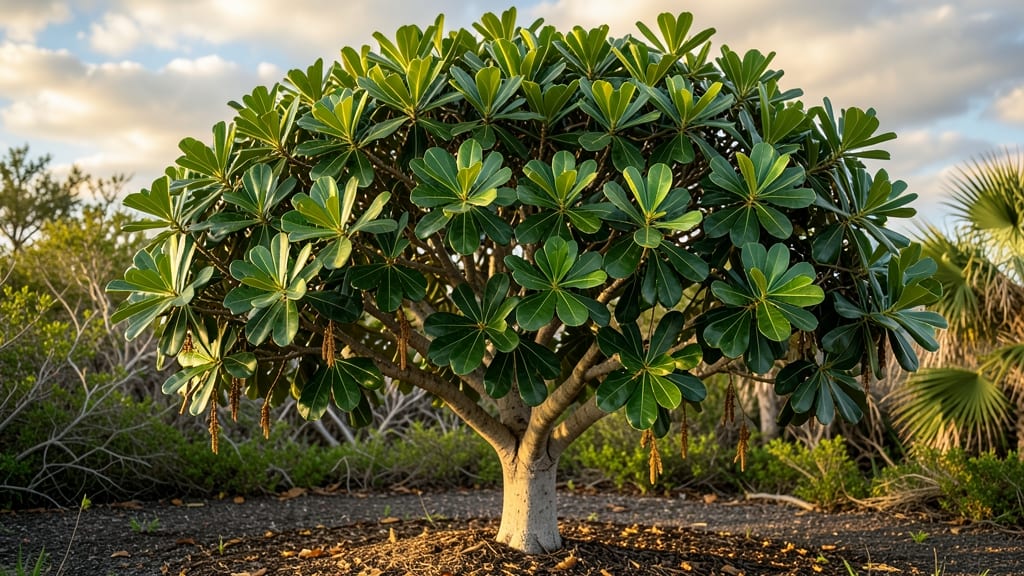
Controlling Chinese tallow tree growth in Florida starts with strategic pruning—this invasive species can spread like wildfire if left unchecked. ✂️ I’ve battled these trees in my own yard, and the right cuts make all the difference between a manageable canopy and a full-blown jungle takeover.
The key is timing: prune in late winter or early spring before new growth explodes, and you’ll slow its spread while keeping your landscape tidy.
You’ll need sharp pruners, gloves, and a ladder for taller branches—safety first. Focus on removing suckers (those aggressive shoots at the base) and thinning dense areas to improve airflow. Florida’s humidity means cuts heal slower, so seal larger wounds with pruning paste to prevent disease.
The goal isn’t just aesthetics; it’s stopping this tree from choking out native species in your yard and beyond.
After pruning, expect faster regrowth—that’s why consistency is critical. Repeat cuts every 3-4 months to weaken the tree’s dominance. With patience, you’ll reclaim control, and your yard will thank you with less maintenance and more space for Florida-friendly plants.
The payoff? A landscape that stays lush without becoming a tallow tree monoculture.
Here’s the catch: Chinese tallow is illegal in some Florida counties due to its invasive nature. Before you plant or prune, check local regulations—some areas require removal entirely. If you’re dealing with an established tree, consider professional help for safe disposal. Your yard (and Florida’s ecosystems) will appreciate the effort.
📚 In This Guide
- What you need
- Instructions
- Tips and common mistakes
- Wrapping up and next steps
What you need
- ● Pruning shears or hand pruners – Bypass pruners (sharp, 7-9" blade) for small branches (up to ½ inch thick).
- ● Loppers – Long-handled (24-30"), 20-24" cutting capacity for medium branches (½ to 1½ inches thick).
- ● Pruning saw – Curved-tooth saw for branches 1½+ inches thick (avoid straight teeth—they tear wood).
- ○ Extension pole pruners – Optional but helpful for high branches (10-20 ft reach).
- ● Work gloves – Heavy-duty, cut-resistant gloves (e.g., Mechanix or similar) to protect hands from thorns and sap.
- ● Ladder or lift – Sturdy, 3-section aluminum ladder (20-24 ft) or a tree lift for tall trees (15+ ft).
- ● Disinfectant (70% isopropyl alcohol or bleach solution) – 1 part bleach to 9 parts water to sterilize tools between cuts and prevent disease spread.
- ● Heavy-duty trash bags or bucket – For collecting pruned branches (5+ gallon capacity).
- ○ Pruning sealant (optional) – Tree wound sealant for cuts larger than 2 inches in diameter (controversial but can help prevent decay in some cases).
- ● Safety goggles – Protects eyes from debris and sap.
- ● Long sleeves/pants – Covers arms and legs from scratches and sap burns.
- ● Tree pruning rope or harness – For working at extreme heights (if climbing).
- ● String or painter’s tape – Marks branches for removal before cutting.
- ● Water spray bottle – Keeps tools cool and sap from sticking during hot Florida days.
Step-by-step guide to pruning Chinese tallow trees in Florida
Here's how I control aggressive growth while keeping your tallow tree healthy and manageable.
✂️ Step 1: Time Your Pruning for Optimal Growth
Prune your Chinese tallow tree (Triadica sebifera) during late winter to early spring, just as new growth begins but before buds swell. Florida's mild winters mean you can work through February to March—this timing prevents stressing the tree during summer heat or winter dormancy. Avoid pruning in fall, as new growth won't harden off before cold snaps.
I always check for bud swell—tiny green bumps along branches—that signals the tree’s about to burst into growth. Pruning too early risks cutting off potential blooms, while waiting too late encourages weak, leggy growth. For fast control, focus on structural pruning first to open the canopy and improve airflow.
✂️ Step 2: Remove Dead, Diseased, or Crossing Branches First
Start by sanitizing your pruners with rubbing alcohol to prevent spreading disease. Cut out any dead or diseased branches—these are easy to spot as they’re brown, brittle, or lack leaves. Remove crossing or rubbing branches next; these create wounds that invite pests and rot. I look for branches growing inward at sharp angles—they’ll split under their own weight.
For diseased wood, make clean cuts 6-12 inches below the affected area to ensure you remove all infected tissue. Bag and dispose of debris immediately—Chinese tallow spreads aggressively, and diseased material can root. If you see blackened cankers or oozing sap, that’s a sign of fungal infection, and you’ll need to prune more aggressively.
✂️ Step 3: Thin the Canopy for Airflow and Light Penetration
Chinese tallow grows fast and dense, so thinning is key to preventing fungal issues. Step back and visualize the tree’s shape—aim to remove 20-30% of the foliage to open it up. Focus on inner branches that block light from reaching the center. I target branches that are thinner than a pencil or growing straight up; these compete with stronger limbs for resources.
Use hand pruners for branches under ½ inch thick and loppers for ½ to 2 inches. For anything thicker, break out the pruning saw. Always cut just outside the branch collar—the swollen area where the branch meets the trunk—to promote faster healing. Avoid leaving stubs; they invite decay and weaken the tree’s structure.
⏰ Step 4: Shape the Tree for Balance and Controlled Growth
Now’s the time to refine the tree’s form. Chinese tallow responds well to open-center pruning, so I remove suckers at the base and low-hanging branches that touch the ground. These compete with the main trunk and encourage weak growth. For a multi-stemmed look, select 3-5 strong branches and prune others back to their origin points.
If your tree is too tall, avoid topping it—this triggers vigorous, weak regrowth that’s hard to control. Instead, prune back the leader (the central upright branch) by ⅓ to encourage lateral branching. For fast control, I also head back overly long branches by ⅓ to ½ their length. This redirects energy to smaller branches and thickens the foliage.
💧 Step 5: Post-Pruning Care for Fast Recovery
After pruning, water deeply to help the tree recover—especially if you’ve made large cuts. Chinese tallow is drought-tolerant once established, but new growth needs moisture to harden off. I apply a 2-3 inch layer of mulch around the base (but not touching the trunk) to retain soil moisture and suppress weeds that compete for nutrients.
Watch for new shoots sprouting at pruning cuts—these are called epicormic buds and are normal. Thin them out as they grow to 3-4 inches to avoid overcrowding. If you notice yellowing leaves or stunted growth after pruning, it’s a sign of stress. In that case, hold off on heavy pruning next year and focus on light maintenance instead.
Tips & tricks for pruning Chinese tallow trees in Florida
Took me years of trial-and-error to perfect these pruning strategies—here's how to control that aggressive growth without stressing your tree.
Timing is Everything: The late winter to early spring window (February-March) is non-negotiable for Florida's climate. I've seen trees stressed when pruned in summer heat or fall's unpredictable freezes. Check for bud swell—those tiny green bumps signal the tree's about to burst into growth. Prune just before they appear to preserve blooms and prevent leggy regrowth. For fast control, prioritize structural pruning first to open the canopy and improve airflow immediately.
Disease Prevention Strategy: Chinese tallow spreads aggressively, so sanitation is critical. I always sanitize my pruners with rubbing alcohol before making any cuts, especially when dealing with diseased wood. For fungal infections, make clean cuts 6-12 inches below visible cankers to remove all infected tissue. Bag and dispose of debris immediately—never leave it on the ground where it can root and spread. I've seen infected material sprout new trees within weeks if not properly disposed of.
Canopy Thinning Technique: Step back and visualize your tree's shape before cutting. Aim to remove 20-30% of foliage to create that perfect balance between sunlight penetration and growth control. Focus on inner branches thinner than a pencil—they're competing with stronger limbs for resources. Use hand pruners for branches under ½ inch, loppers for ½ to 2 inches, and a pruning saw for anything thicker. Always cut just outside the branch collar to promote faster healing and prevent decay.
Recovery Care: After heavy pruning, water deeply to help the tree recover—especially important in Florida's dry seasons. Apply a 2-3 inch layer of mulch around the base (but not touching the trunk) to retain moisture and suppress weeds. Watch for epicormic buds sprouting at pruning cuts and thin them out when they reach 3-4 inches to prevent overcrowding. If you notice yellowing leaves or stunted growth after pruning, that's your tree signaling stress—lighten up on next year's pruning schedule.
Pro Tips for Chinese Tallow Tree Florida
- Took me years of trial-and-error to perfect these pruning strategies—here's how to control that aggressive growth without stressing your tree.
- Timing is Everything: The late winter to early spring window (February-March) is non-negotiable for Florida's climate.
- Disease Prevention Strategy: Chinese tallow spreads aggressively, so sanitation is critical.
Frequently asked questions
Got questions about managing Chinese tallow trees in Florida? You’re not alone!
Here are answers to the most common concerns—from pruning tips to long-term control strategies.
When is the best time to prune a Chinese tallow tree in Florida?
The ideal time is late winter to early spring (February–March), before new growth begins. This minimizes stress on the tree and reduces sap flow. Avoid pruning during Florida’s hot, humid summer—it can attract pests and diseases. Pro tip: If you must prune in summer, do it early in the morning to reduce heat stress.
How much can I cut back a Chinese tallow tree without harming it?
Chinese tallow trees are resilient but don’t remove more than 25–30% of the canopy in a single session. For aggressive control, prune incrementally over 2–3 years. If the tree is small (<10 feet), you can remove up to 50% of the branches to slow growth. Warning: Over-pruning can stress the tree, making it more susceptible to invasive pests like the tallow looper caterpillar.
Are there natural alternatives to pruning for controlling Chinese tallow?
Yes! Combine pruning with these methods for better results:
- Mulching: Apply thick mulch (3–4 inches) around the base to block sunlight and suppress regrowth.
- Herbicide (spot treatment): Use targeted herbicides like triclopyr or glyphosate on fresh cuts (follow Florida-friendly guidelines).
- Goats or livestock: Some landowners use goats to graze young shoots—eco-friendly and effective!
- Competitive planting: Shade out tallow with native trees like Sabal palmetto or Live Oak.
For large infestations, consult the UF/IFAS Extension for expert advice.
Why does my Chinese tallow keep sprouting new growth after pruning?
This is called suckering, and it’s common! Chinese tallow trees regenerate quickly from roots or stumps. To prevent it:
- Apply horticultural vinegar or copper sulfate to fresh cuts to kill residual growth.
- Cut below the soil line (if possible) and treat the stump with herbicide.
- Monitor for root suckers—dig them out or smother with cardboard/mulch.
Persistence is key—tallow trees are tough but not invincible!
How long does it take to see results from pruning a Chinese tallow tree?
Results vary, but you’ll typically see slowed growth within 3–6 months if pruned correctly. For full control (especially in dense stands), plan for 2–5 yearsPro tip: Take photos of the tree before/after pruning to track progress—it’s surprisingly satisfying!
Still stumped? Drop your question in the comments—we’re happy to help Florida gardeners tackle this invasive tree!
Wrapping up and next steps
Controlling the Chinese tallow tree in Florida doesn’t have to be a challenge—just a strategic pruning session!
By following the right techniques, you’ll reclaim your yard’s balance while keeping this fast-growing tree in check. 🌿 Whether you’re trimming for safety, aesthetics, or growth management, your efforts will pay off with a healthier landscape.
Ready to take action? Grab your tools and schedule that pruning session—your Florida garden will thank you! For extra help, consult local experts or extension services to tailor your approach.