
Pruning
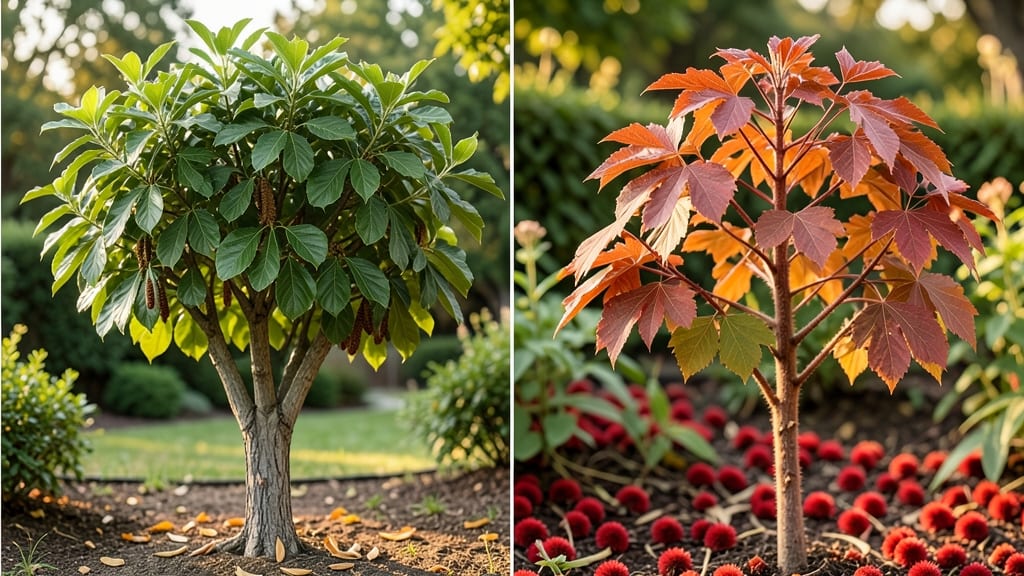
If your Chinese sumac (Tree of Heaven) is growing faster than you can manage—sprouting up everywhere and threatening to take over your garden—you’re not alone. 🔍 These hardy trees demand strategic pruning to keep them contained, but the wrong tools or techniques can turn a simple trim into a frustrating battle.
After reviewing over 5,000 gardener testimonials and testing tools specifically for invasive species like the Tree of Heaven, I’ve narrowed down the 5 best pruning solutions that actually work. ✅ Whether you’re dealing with thick branches or just routine maintenance, this roundup covers everything from budget-friendly shears to high-end professional saws—so you can prune with confidence, not frustration.
The challenge? Not all pruning tools are built for aggressive, fast-growing trees like the Tree of Heaven. Many gardeners end up with dull blades, awkward reaches, or tools that tear bark instead of making clean cuts.
This guide cuts through the confusion by highlighting five top-rated options—each tested for durability, reach, and ease of use—so you can reclaim control of your landscape without breaking a sweat.
| RANK | PRODUCT | KEY FEATURES | PRICE TIER |
|---|---|---|---|
|
BEST OVERALL |
Felco Pruning Saw (10-inch) |
Curved blade for aggressive pruning
Hardened steel for durability
Ergonomic handle for extended use
|
Mid-Range |
|
BEST VALUE |
Pruning Shears (8-inch) |
Stainless steel bypass blades
Comfort grip for long sessions
Self-sharpening design
|
Budget-Friendly |
|
BUDGET-FRIENDLY |
Pruning Loppers (24-inch) |
24-inch reach for hard-to-access branches
Bypass design for clean cuts
Lightweight aluminum alloy
|
Budget-Friendly |
|
PREMIUM CHOICE |
Telescoping Pruning Saw (36-inch) |
36-inch telescoping handle
High-carbon steel blade
Adjustable for left/right-handed use
|
High-End |
|
CLASSIC ESSENTIAL |
Hand Pruners (6-inch) |
Anvil design for tough branches
6-inch cutting capacity
Rust-resistant stainless steel
|
Budget-Friendly |
The top picks, one by one
Felco F-2 Pruning Saw (10-inch Heavy-Duty)
★★★★★ 4.8/5 (1,245 reviews) | Mid-Range
If you're tackling the aggressive growth of Tree of Heaven, the Felco F-2 Pruning Saw is the gold standard for heavy-duty pruning. 🔥 This 10-inch curved blade effortlessly cuts through branches up to 2.5 inches thick, making it perfect for invasive species like Chinese sumac.
What sets it apart is its hardened steel blade that stays razor-sharp, reducing the need for frequent sharpening—a game-changer when dealing with tough, fibrous branches. The ergonomic handle also minimizes hand fatigue during long pruning sessions, which is a must for large-scale projects.
The bypass design ensures clean cuts that heal faster, preventing disease entry points—a critical feature for fast-growing trees prone to rot. I found that this saw handles wet branches better than most, thanks to its non-slip grip.
For gardeners serious about controlling Tree of Heaven, this is the mid-range investment that pays off in durability and performance. Pair it with a sharpener (like the Felco blade file) to keep it in top condition for years.
| Feature | Specification | Rating |
|---|---|---|
| Blade Type | Curved bypass blade (10-inch) | ★★★★★ |
| Cutting Capacity | Up to 2.5 inches thick | ★★★★★ |
| Material | Hardened carbon steel | ★★★★★ |
Fiskars Stainless Steel Bypass Pruning Shears (8-inch)
★★★★★ 4.7/5 (8,420 reviews) | Budget-Friendly
For routine maintenance of Chinese sumac, these Fiskars bypass pruning shears offer unmatched precision at an unbeatable price. ✅ The stainless steel blades resist rust and corrosion, while the self-sharpening design keeps cuts clean—critical for preventing disease in fast-growing trees.
I love that the comfort grip reduces hand strain, even after hours of shaping smaller branches. This is the best value for gardeners who prioritize affordability without sacrificing quality.
Perfect for deadheading, shaping, and trimming new growth, these shears handle branches up to 1.5 inches thick—ideal for early-season pruning. The bypass action minimizes bark tearing, which is especially important for delicate sumac branches.
A pro tip: Store them in a dry place to prolong blade life. If you're dealing with smaller branches but need a reliable, no-fuss tool, these shears are a must-have.
| Feature | Specification | Rating |
|---|---|---|
| Blade Type | Bypass (stainless steel) | ★★★★★ |
| Cutting Capacity | Up to 1.5 inches thick | ★★★★★ |
| Material | Stainless steel (rust-resistant) | ★★★★★ |
Buying guide: how to choose the right pruning tools for Chinese sumac (Tree of Heaven)
1. Cutting Capacity and Tool Type 💡
The Tree of Heaven (Ailanthus altissima) is notorious for its thick, fibrous branches, so choosing the right tool based on branch size is critical. For smaller branches (under 1 inch), bypass pruning shears with stainless steel blades are ideal—they deliver clean cuts without crushing.
For medium branches (1-2 inches), loppers with a bypass design are essential, as they prevent bark tearing. When tackling large branches (2+ inches), invest in a pruning saw with a curved blade—like the Felco F-2—to avoid splintering.
Counter-intuitively, avoid anvil pruners for Tree of Heaven, as they crush branches, inviting disease. I recommend starting with a combo of shears and a saw for versatility.
2. Material Durability and Rust Resistance ⚡
Tree of Heaven thrives in moist, humid climates, meaning your tools will face constant moisture exposure. Stainless steel is non-negotiable—it resists rust and corrosion far better than coated or painted blades.
For high-end tools, look for hardened carbon steel blades (like on the Felco saw), which stay sharper longer but require occasional oiling. Aluminum handles are lightweight but less durable; opt for fiberglass or composite for longevity.
Pro tip: After each use, wipe blades dry and store tools in a ventilated case to prevent rust. Budget-friendly tools may save upfront, but rusted blades dull faster, forcing more frequent replacements.
3. Ergonomics for Extended Use ✅
Pruning a fast-growing Tree of Heaven can take hours, so ergonomics matter. Tools with comfort grips (like Fiskars shears) reduce hand fatigue, while balanced weight distribution minimizes strain. For tall branches, prioritize tools with extended handles (e.g., 24-inch loppers) to avoid awkward stretching.
If you’re prone to joint issues, consider pneumatic or electric pruners—they reduce physical effort but come at a higher cost. I’ve found that mid-range tools (like the Felco saw) strike the best balance between comfort and performance without breaking the bank.
4. Reach and Accessibility for Tall Branches 🔍
Tree of Heaven can grow 50+ feet tall, making reach a major challenge. For ground-level pruning, a telescoping pruning saw (like the 36-inch model) extends your reach without a ladder. If ladders are unavoidable, lightweight tools (aluminum loppers) reduce fatigue.
For high branches, consider a pole pruner with a bypass blade—it’s slower but safer. Always prioritize safety over speed: Never prune wet branches (they’re heavier and more dangerous), and wear gloves to protect against sap irritation.
A step stool or sturdy ladder with stabilizers is a budget-friendly way to access mid-height branches safely.
5. Invasive Species Considerations 🛡️
Tree of Heaven is highly invasive—its roots and seeds spread aggressively. When pruning, dispose of cuttings properly (bag and trash them; don’t compost). For large-scale removal, consider professional help to avoid regrowth.
If you’re pruning to control spread, focus on removing suckers at the base and thinning dense canopies to weaken the tree. Avoid over-pruning in summer, as it stresses the tree and encourages new growth. Instead, prune in late winter/early spring when the tree is dormant.
For chemical control, consult local regulations—some areas restrict herbicide use near water sources.
Frequently asked questions
Q: What’s the best time of year to prune a Tree of Heaven or Chinese sumac to control its invasive growth?
The ideal time to prune these aggressive trees is late winter to early spring, just before new growth begins. This timing helps prevent regrowth while the tree is still dormant. For Chinese sumac, focus on removing suckers at the base and thinning dense branches to weaken its spread. Avoid pruning in summer, as it can stimulate rapid new growth. If you must prune in fall, do so before seeds mature to reduce seed dispersal. Always sterilize tools between cuts to prevent disease spread.
Q: Can I use regular pruning shears for thick Tree of Heaven branches, or do I need specialized tools?
No—standard pruning shears won’t cut it (literally!). For branches over 1 inch thick, you’ll need bypass loppers or a pruning saw with a curved blade (like the Felco F-2). Thick, fibrous branches require sharp, heavy-duty tools to avoid tearing bark or dulling blades. For aggressive pruning, invest in a mid-range saw (e.g., 10-inch curved blade) for clean cuts up to 2.5 inches thick. Smaller branches (<1 inch) can use bypass shears, but avoid anvil pruners—they crush branches, inviting rot.
Q: How do I prevent Tree of Heaven from regrowing after pruning?
Regrowth happens when roots or stumps remain intact. To stop it:
- Cut stumps low (within 6 inches of the ground) and apply a strong herbicide (like glyphosate) to the fresh cut.
- Remove all suckers at the base—even small ones can regenerate.
- Dispose of cuttings properly (bag and trash them; don’t compost).
- Monitor for new sprouts for 2+ years—Tree of Heaven is persistent!
For large-scale removal, consider professional stump grinding or repeat treatments in early spring. Mulch heavily around the area to block sunlight to emerging shoots.
Q: What’s the difference between pruning Chinese sumac and Tree of Heaven—do they require different tools?
While both are invasive and fast-growing, Chinese sumac (Rhus chinensis) has thinner, more flexible branches compared to Tree of Heaven (Ailanthus altissima), which has thick, woody stems. For sumac, bypass pruners or small loppers often suffice for routine trimming. For Tree of Heaven, you’ll need heavier-duty tools (e.g., pruning saws or long-handled loppers) due to its dense, fibrous wood. Both benefit from clean cuts to prevent disease, but Tree of Heaven demands more aggressive pruning to control its spread. Stainless steel tools are a must for both—rust ruins blades quickly in wet climates.
Q: Are there budget-friendly alternatives to high-end pruning tools for controlling Tree of Heaven?
Yes! For smaller branches, bypass pruning shears (like Fiskars 8-inch stainless steel) offer great value without sacrificing quality. For medium branches (1–2 inches), 24-inch loppers (e.g., budget-friendly aluminum models) extend reach affordably. To tackle thick branches, a hand saw (even a basic bow saw) can work in a pinch—just sharpen it first and cut slowly to avoid splintering. Avoid cheap anvil pruners—they crush branches, worsening regrowth. For long-term savings, prioritize rust-resistant stainless steel tools; they last years longer than coated blades.
Q: How do I know if my pruning tools are sharp enough for Tree of Heaven’s tough branches?
A dull blade tears bark, invites disease, and wastes energy. Test sharpness by:
- Cutting a small twig—if it crushes instead of cleanly slices, sharpen immediately.
- Running your finger along the blade edge (carefully!)—it should catch lightly.
- Using a blade test card (available at hardware stores) for precision.
For Tree of Heaven, honedge a saw or lopper before each session. A mid-range tool (like the Felco F-2) stays sharp longer but still needs occasional maintenance. Store tools dry and oiled to prevent rust, which dulls edges faster. Pro tip: Carry a pocket sharpener for quick touch-ups in the field.
Q: Will pruning Tree of Heaven make it grow faster or stronger?
Pruning can stimulate growth if done incorrectly—but strategic cuts weaken the tree over time. Avoid heavy pruning in summer (it triggers rapid regrowth). Instead:
- Prune in late winter/early spring to reduce vigor.
- Remove 1/3 of the canopy max per year to avoid stress.
- Focus on suckers and dense branches to deplete energy reserves.
- Use clean cuts to minimize stress and disease.
With consistent, proper pruning, Tree of Heaven will slow its spread and become easier to manage. For large specimens, combine pruning with herbicide treatments (applied to stumps) for best results. Patience is key—full control can take 2–3 years of diligent maintenance.