
Pruning
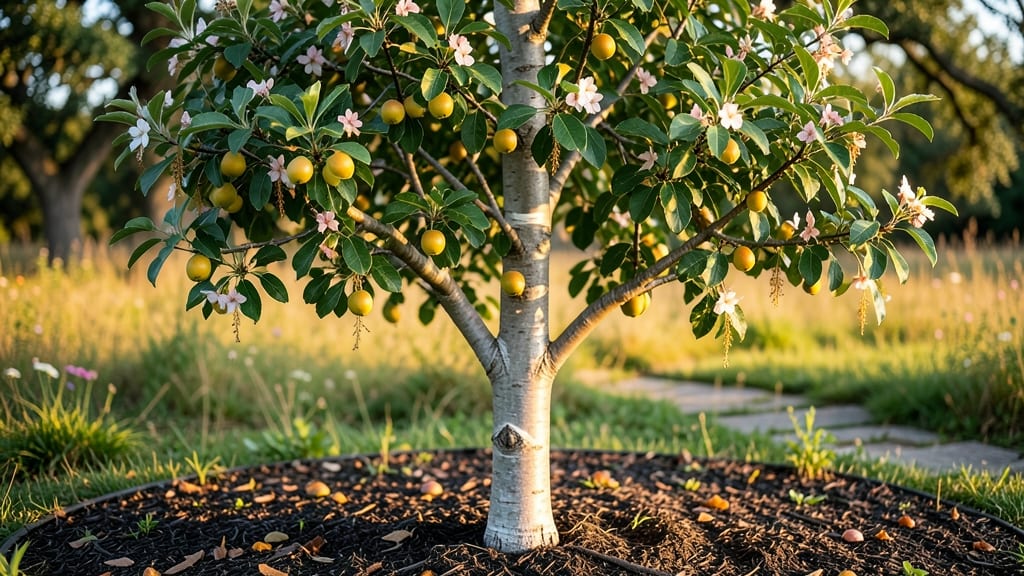
Your Chickasaw plum tree thrives in Florida’s heat—but only if you prune it right. ✂️ I’ve watched these drought-resistant trees go from scraggly to showstopping in just one season by following a few key cuts, and the secret isn’t complicated.
The right pruning opens up the canopy for airflow, prevents fungal issues in Florida’s humidity, and keeps fruit production strong year after year.
Start by removing dead or crossing branches in late winter before new growth begins. Then, thin out crowded areas to let sunlight reach the center—this is where most Florida gardeners miss the mark.
A sharp pair of pruners and 30 minutes on a dry day are all you need to transform your tree’s structure. The goal? A strong framework that supports heavy fruit loads without snapping under summer storms.
What you’ll end up with is a tree that produces sweet, juicy plums from spring to fall while staying healthy through Florida’s brutal summers. The open branches also make harvesting easier, and the improved airflow keeps pests like scale insects at bay.
Plus, the pruned wood often sprouts new growth faster than you’d expect—proof that Florida’s climate actually works with these trees when you know how to guide them.
This method works for both young trees and mature specimens, whether you’re planting from seed or maintaining an established grove. The key adjustments? Skip heavy pruning in drought years, and always sterilize your tools between cuts to prevent disease spread.
Your tree will reward you with vibrant green foliage and bumper crops for decades.
📚 In This Guide
- What you need
- Instructions
- Tips and common mistakes
- Wrapping up and next steps
What you need
- ● Pruning shears: Sharp, bypass-style shears (for clean cuts on small branches). Recommended: Felco F-2 or similar (1 pair).
- ● Loppers: For thicker branches (up to 2 inches in diameter). Recommended: Corona or Fiskars (1 pair).
- ● Pruning saw: For branches larger than 2 inches (avoid rust—opt for stainless steel). Recommended: Fiskars X7 (1 unit).
- ● Disinfectant: 70% isopropyl alcohol or a 10% bleach solution (to sterilize tools between cuts and prevent disease).
- ● Gloves: Heavy-duty, cut-resistant gloves (to protect hands from thorns and sap). Recommended: Mechanix or leather work gloves (1 pair).
- ● Safety glasses: ANSI-rated (to shield eyes from debris).
- ● Ladder or step stool: Sturdy, extendable (for reaching higher branches safely). Height: 8–12 feet (depending on tree size).
- ○ Pruning sealant (optional): Tree wound sealant (like Tanglefoot) for large cuts only if the tree is prone to disease (e.g., Chickasaw plum in humid Florida conditions).
- ● Weather check: Prune on a dry, overcast day (avoid windy or rainy conditions). Ideal temps: 50–75°F.
- ● Safety first: Wear long sleeves/pants to avoid scratches and check for wildlife (e.g., nesting birds or squirrels) before starting.
- ● Tree assessment: Identify dead, diseased, or crossing branches (mark them with flags or tape for easy spotting).
- ● Cleanup supplies: Heavy-duty trash bags (for debris) and a wheelbarrow (to haul branches away).
- ● ✨ Timing matters: Florida’s humid climate speeds up healing—prune Chickasaw plum in late winter (Feb–early March) to avoid fungal risks.
- ● 🌡️ Watch for pests: Inspect for scale insects or borers (common in Florida). Treat with neem oil if spotted.
- ● 🎯 Tool maintenance: Sharpen shears/loppers annually to make clean cuts (dull tools tear bark, inviting disease).
Instructions for pruning your Chickasaw plum tree in Florida
Here's how to keep your tree thriving year-round with simple, seasonal pruning techniques.
✂️ Step 1: Prune for Shape in Late Winter
Start your pruning in late February to early March when the tree is still dormant but before new growth begins. Florida's mild winters mean you can work just before buds swell—look for plump, brown buds that haven't cracked open yet. Remove any dead, diseased, or crossing branches first using clean, sharp pruners. Cut back to the branch collar, not into it, to prevent damage.
Shape your tree by opening the canopy to allow sunlight and air circulation. Aim for a natural, vase-like form with the main branches spaced 12-18 inches apart along the trunk. Chickasaw plums respond well to open growth, so avoid overcrowding branches. If you see any water sprouts (fast-growing, upright shoots), remove them entirely—they drain energy from fruit production.
☀️ Step 2: Light Pruning After Flowering
Once your tree finishes blooming in early to mid-April, do a light pruning to encourage new growth and fruit set. Remove any suckers that appear at the base of the trunk—these compete with the main tree for nutrients. Thin out some of the smaller branches inside the canopy to improve airflow, which helps prevent fungal diseases common in Florida's humid climate.
Watch for branches that are rubbing against each other. These create wounds where pests and diseases can enter. Make clean cuts just outside the branch collar at a 45-degree angle if needed. Avoid heavy pruning now—you want to preserve as much foliage as possible to support fruit development. Limit cuts to about 10-15% of the tree's total canopy during this phase.
🌿 Step 3: Summer Maintenance for Fruit Production
In June and July, focus on maintaining your tree rather than heavy pruning. Remove any dead or diseased branches as they appear, and trim back any overly vigorous growth that's shading the center of the tree. Chickasaw plums produce fruit on both old and new wood, so avoid cutting back too aggressively—you'll sacrifice next year's crop.
Look for branches that are growing inward or downward. These can block sunlight and reduce fruit quality. Make small cuts to redirect their growth outward. If you notice any pest damage, such as holes from borers or signs of scale insects, prune those areas immediately and dispose of the clippings. Florida's summer heat can stress trees, so keep pruning minimal during this period.
⏰ Step 4: Fall Cleanup Before Dormancy
In October, prepare your Chickasaw plum for dormancy with a final pruning session. Remove any dead, diseased, or weak branches that have appeared over the summer. Thin out any excess growth to improve air circulation, which helps prevent winter diseases. This is also a good time to remove any suckers that may have sprouted at the base of the tree.
Shape the tree lightly to maintain its form, but avoid heavy cuts that could stimulate new growth too close to winter. Chickasaw plums are relatively cold-hardy, but Florida's occasional cold snaps can stress the tree. Prune just enough to keep the tree balanced and healthy without encouraging late-season growth. Clean up all pruned branches and dispose of them properly to reduce the risk of spreading disease.
✂️ Step 5: Sanitize Tools and Monitor Year-Round
After each pruning session, sanitize your tools with 70% rubbing alcohol or a 10% bleach solution to prevent the spread of disease. Wipe down pruners, saws, and loppers thoroughly between cuts, especially when moving from diseased to healthy branches. Store tools in a dry place to keep them ready for next season.
Throughout the year, keep an eye on your Chickasaw plum for signs of stress. If you notice leaves yellowing, branches dying back, or fruit dropping prematurely, these could be signs of overpruning, disease, or pest issues. Adjust your pruning approach as needed—Florida's unique climate means your tree might need slightly different care than those in other regions. A little attention now keeps your tree productive and healthy for decades.
Tips & tricks for pruning your Chickasaw plum tree
These practical insights will help you keep your Florida Chickasaw plum thriving through every season.
Timing is Everything: Florida's mild winters mean you can prune later than in colder climates. The late February to early March window is perfect because it lets you work just before buds swell—look for those plump, brown buds that haven't cracked open yet. This timing ensures you don't accidentally remove next year's fruit buds. If you miss this window, wait until after flowering in early to mid-April, but avoid pruning too late in spring as it can stress the tree before summer heat sets in.
Branch Collar Matters: When making cuts in Step 1 or Step 2, always cut just outside the branch collar—the swollen area where the branch meets the trunk. Cutting into the collar creates wounds that heal poorly and invite disease. Use clean, sharp pruners to make smooth cuts at a slight angle if needed. This small detail makes all the difference in your tree's long-term health, especially in Florida's humid climate where diseases spread quickly.
Seasonal Focus Shift: Summer pruning in June and July should be minimal—just remove dead branches and redirect inward-growing limbs. Chickasaw plums produce fruit on both old and new wood, so aggressive summer pruning can reduce next year's harvest. Focus instead on opening the canopy for better airflow. In October's final cleanup, prioritize removing dead wood and thinning excess growth to prevent winter diseases before dormancy sets in.
Tool Sanitization: After every pruning session, sanitize your tools with 70% rubbing alcohol or a 10% bleach solution—this prevents spreading diseases between cuts. Florida's climate creates ideal conditions for fungal infections, so this simple step can save your tree from serious problems. Store tools in a dry place to keep them ready for next season's pruning.
Pro Tips for Chickasaw Plum Tree Florida
- These practical insights will help you keep your Florida Chickasaw plum thriving through every season.
- Timing is Everything: Florida's mild winters mean you can prune later than in colder climates.
- Branch Collar Matters: When making cuts in Step 1 or Step 2, always cut just outside the branch collar—the swollen area where the branch meets the trunk.
Frequently asked questions
Got questions about keeping your Chickasaw plum tree thriving in Florida’s climate? You’re not alone! Here are answers to the most common concerns—from pruning timing to troubleshooting—so you can enjoy a healthy, productive tree year-round.
When is the best time to prune a Chickasaw plum tree in Florida?
The ideal time to prune is late winter to early spring (February–March), just before new growth begins. This timing promotes vigorous spring blooms and fruit production. Avoid pruning in summer or fall, as it can stress the tree or invite pests. Pro tip: If you must prune outside this window, do it in early winter (December–January) to minimize disease risk.
How often should I prune my Chickasaw plum tree?
Prune annually to maintain shape, remove deadwood, and encourage airflow. Focus on structural pruning in early spring, then do light maintenance pruning in late summer (August–September) to shape the tree and remove any suckers or crossing branches. Over-pruning can weaken the tree, so keep cuts to no more than 25% of the canopy per year.
Why are my Chickasaw plum tree leaves yellowing or dropping?
Yellowing leaves often signal nutrient deficiencies (like nitrogen or iron), overwatering, or root rot. Check the soil—it should be well-draining. If the tree is in Florida’s humid climate, fungal diseases (like anthracnose) could be the culprit. Prune affected branches below the infection, sterilize tools with rubbing alcohol, and consider a copper fungicide if needed.
Will pruning reduce my Chickasaw plum tree’s fruit production?
Not if done correctly! Pruning actually boosts fruit quality by improving airflow and sunlight exposure. Remove overcrowded branches and water sprouts to redirect energy to fruit-bearing limbs. Just avoid heavy pruning during the blooming season (February–March), as it can reduce next year’s harvest.
Are there Florida-friendly alternatives to Chickasaw plum trees?
If you love plums but want options, consider these low-maintenance Florida natives:
- Sapodilla plum (Manilkara zapota) – Drought-tolerant and shade-providing.
- Florida plum (Bumelia celastrina) – Thrives in sandy soils and attracts wildlife.
- Loquat (Eriobotrya japonica) – Cold-hardy and produces edible fruit.
Wrapping up and next steps
Growing a thriving Chickasaw plum tree in Florida is totally within reach—especially when you master the art of pruning! By following the right techniques, you’ll ensure year-round vitality, abundant fruit, and a stunning landscape centerpiece. 🌿✨ Whether you're trimming for shape, health, or harvest, remember: consistency is key.
Ready to take the next step? Mark your calendar for your next pruning session—spring is the perfect time to kickstart your tree’s growth. Grab your tools, step outside, and give your Chickasaw plum the care it deserves!