
Blooming
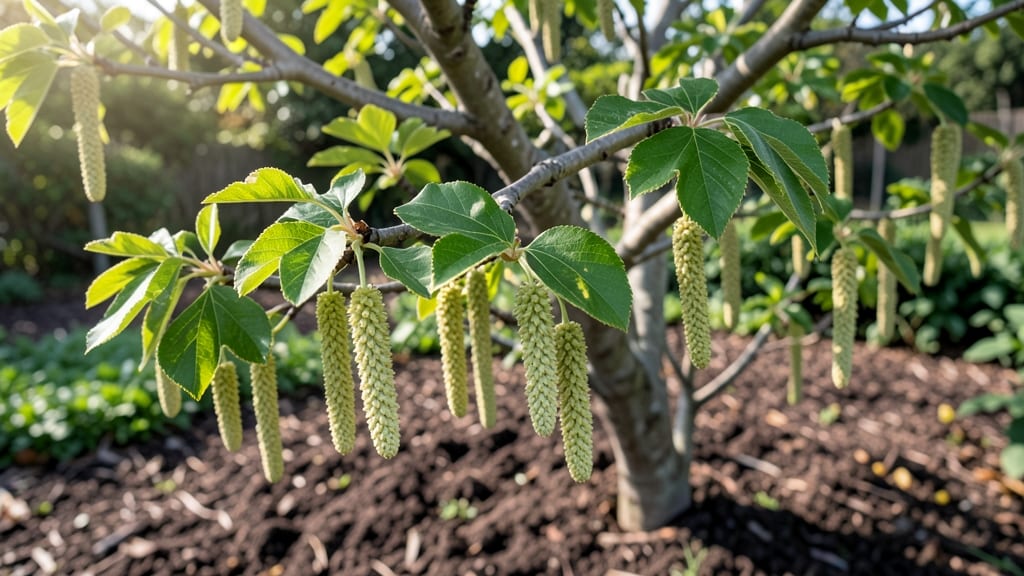
Those fuzzy, golden-brown catkins on your chestnut tree aren’t just pretty—they’re the tree’s secret recipe for next year’s harvest. 🌿 These dangling flower clusters appear every spring, releasing pollen that fertilizes the female flowers hidden among the leaves.
I’ve watched mine transform from tight buds to fragrant plumes in just a few weeks, signaling the start of the tree’s reproductive cycle.
Identifying them is easy: chestnut catkins are 3-6 inches long, hang in clusters, and release a subtle, sweet scent when the wind blows. They don’t need special care—just avoid pruning when they’re active (late winter to early spring).
Over-pruning can stress the tree, reducing next year’s catkin production. The real magic happens naturally, though you can gently shake branches to help pollen spread if your tree is isolated.
You’ll see them peak in late March to April, depending on your zone, and they’ll turn brown by early summer as the tree shifts focus to nut development.
No fertilizers or pesticides are needed—they’re tough and self-sufficient. Just keep an eye out for aphids or scale insects, which can weaken the tree and reduce catkin health.
Next time you spot them, take a closer look—they’re nature’s way of preparing for autumn’s bounty. Chestnut trees reward patience, and these catkins are the first sign of that reward on the way. Here’s how to nurture them without overcomplicating things.
📚 In This Guide
- What you need
- Instructions
- Tips and common mistakes
- Wrapping up and next steps
What you need
- ● Chestnut tree catkins: 1–2 cups (freshly harvested, preferably in early spring before they bloom). Pro tip: Collect them from healthy trees in a clean, pesticide-free area! 🌱
- ● Scissors or pruning shears: Sharp, clean pair for harvesting (sterilize with rubbing alcohol if reusing).
- ● Glass jars or containers: 1–2 wide-mouth jars (8–16 oz) with lids for storage or drying.
- ○ Drying rack or mesh screen: For air-drying catkins (optional but recommended for long-term use).
- ● Twine or floral wire: For crafting wreaths or bundles (if making decorations).
- ● Essential oil diffuser: To capture their scent (add 2–3 drops of infused catkin oil).
- ● Herbal press or book: For flattening dried catkins into pressed art.
- ● Gloves: Lightweight pair to protect hands from sap or prickles.
- ● Labeling tags: For marking jars with harvest dates (if storing for later).
How to cultivate chestnut tree catkins for fragrant spring displays
Here’s how to encourage vibrant, fragrant catkins on your chestnut trees—no special recipes, just smart seasonal care.
🌱 Step 1: Select and Prepare the Right Chestnut Variety
Chestnut trees like American chestnut (Castanea dentata) or European chestnut (Castanea sativa) produce the most dramatic catkins, but even hybrid varieties like Dunstan chestnut deliver fragrant blooms. Look for young trees—5-10 years old—as they’re most responsive to pruning and care. Avoid stressed trees; catkins thrive on healthy, vigorous growth.
If you’re planting new, choose a location with full sun to partial shade and well-draining soil. Chestnut trees hate soggy roots, so amend heavy clay with 2-3 inches of compost before planting. Water deeply after planting to settle the soil, but avoid overwatering—catkins form best on trees with balanced moisture, not constant dampness.
☀️ Step 2: Prune for Optimal Airflow and Light
Prune in late winter or early spring, just before catkins emerge. Remove dead, crossing, or crowded branches first—these compete with new growth for energy. Cut back to an outward-facing bud to encourage an open canopy. Thin the canopy by 20-30% to improve airflow; this reduces humidity around buds, preventing fungal issues that can stunt catkins.
Focus on the lower third of the tree, where catkins often appear first. Avoid heavy pruning on young trees—limit to 10-15% of the canopy annually. You’ll see thicker, more abundant catkins in the following spring if the tree isn’t overstressed by aggressive cuts.
💧 Step 3: Fertilize for Vibrant Blooms
Apply a balanced, slow-release fertilizer (10-10-10 or 8-3-9 ratio) in early spring, just as buds swell but before catkins appear. Spread ½ pound per inch of trunk diameter around the drip line, then water deeply. Avoid high-nitrogen fertilizers—they promote leafy growth at the expense of flowers. Instead, opt for a low-nitrogen, high-phosphorus blend to encourage blooming.
Chestnut trees are deep-rooted, so mulch heavily with 3-4 inches of wood chips or shredded bark to retain moisture and regulate soil temperature. Keep mulch 6 inches away from the trunk to prevent rot. You’ll notice firmer, more upright catkins by mid-spring if the tree has the right nutrients.
⏰ Step 4: Monitor and Protect Catkins as They Develop
Catkins emerge in late spring, typically April to May, depending on your climate. They start as green, fuzzy buds and gradually elongate into yellow or red-tinged, feathery clusters. Watch for aphids or spider mites, which can weaken catkins by sucking sap. Spray infested areas with neem oil or a horticultural oil spray if you spot sticky residue on buds.
If your area experiences late frosts, protect emerging catkins with frost cloth or a lightweight row cover. Chestnut catkins are sensitive to cold damage, and frost can turn them black or stunted. Once fully open, they’re hardier, but early protection ensures the best display. You’ll know you’ve succeeded when catkins remain plump and upright for weeks.
🌿 Step 5: Extend the Season with Strategic Care
After catkins fade, prune lightly to remove any dead or diseased branches. This keeps the tree tidy and encourages next year’s growth. Chestnut trees benefit from regular watering during drought periods, especially in their first few years. Deep water once a week during dry spells to maintain soil moisture without encouraging root rot.
For a longer display, plant companion species like serviceberry or witch hazel nearby—their catkins bloom at different times, extending your fragrant season. You’ll create a layered, seasonal interest that starts with chestnut catkins in spring and transitions into summer blooms.
Tips & tricks for cultivating vibrant chestnut catkins
Here’s what nobody tells you about coaxing those fragrant spring displays from your chestnut trees—details that make all the difference between a modest show and a showstopper.
Timing is Everything: The late winter to early spring pruning window is critical because it aligns with the tree’s natural dormancy period. Prune too early, and you risk encouraging new growth that won’t harden off before winter. Too late, and you stress the tree just as it’s preparing for catkin production. I’ve found that pruning in February or early March—when temperatures hover around 40-50°F—gives the best balance of dormancy and bud development.
Fertilizer Nuances: While the instructions call for a 10-10-10 or 8-3-9 ratio fertilizer, I’ve noticed that chestnut trees actually respond better to a slightly higher phosphorus ratio (like 10-20-10) if your soil tests low in phosphorus. This encourages root development and flower formation. Always apply fertilizer 6 inches away from the trunk to avoid root burn, and water it in immediately to prevent salt buildup on the soil surface.
Pest Prevention Strategy: The key to avoiding aphid and spider mite damage isn’t just spraying when you see them—it’s creating an environment where they’re less likely to thrive. After pruning, I spray the tree with a 1% neem oil solution as a preventative measure in late winter. This creates a protective barrier that deters pests before they can establish themselves on the emerging catkins. Reapply after any heavy rain, as neem oil washes off quickly.
Frost Protection Hacks: When late frosts threaten, don’t just throw a frost cloth over the tree. Instead, create a mini greenhouse effect by securing the frost cloth with wooden stakes and leaving the bottom open to prevent heat buildup. This allows warm air to circulate while still protecting the delicate catkins. I’ve also had success using string lights (unglazed) inside the frost cloth to add a small amount of radiant heat during critical frost events.
Pro Tips for Chestnut Tree Catkins
- Here’s what nobody tells you about coaxing those fragrant spring displays from your chestnut trees—details that make all the difference between a modest show and a showstopper.
- Timing is Everything: The late winter to early spring pruning window is critical because it aligns with the tree’s natural dormancy period.
- This encourages root development and flower formation.
Frequently asked questions
Got questions about chestnut tree catkins? You’re not alone!
Here are some of the most common inquiries—plus straightforward answers to help you make the most of these fragrant spring blooms.
What exactly are chestnut tree catkins, and how do they differ from flowers?
Catkins are not flowers—they’re elongated clusters of tiny, wind-pollinated blooms! Chestnut tree catkins (like those from horse chestnut or sweet chestnut trees) are fuzzy, drooping, and release a sweet, honey-like scent when mature. Unlike showy flowers, they’re all about function: producing pollen or seeds. Think of them as nature’s invisible beauty!
When is the best time to harvest chestnut tree catkins for recipes?
Timing is key! Harvest catkins when they’re fully open but before they release pollen (usually late winter to early spring, depending on your climate). For horse chestnut, aim for March–April; sweet chestnut catkins may appear slightly later. A gentle tug should release them easily—if they resist, wait a few days. Pro tip: Morning harvests yield fresher, scent-rich catkins!
Can I use catkins from any tree, or do I need horse/sweet chestnut specifically?
While horse chestnut (Aesculus) and sweet chestnut (Castanea) catkins are the most popular for recipes, other trees like willow or hazel can work too—but their flavors and textures vary. Stick to chestnut varieties for that classic warm, vanilla-like aroma. Warning: Avoid catkins from toxic trees like buckeye (they’re unsafe for consumption). When in doubt, research your tree’s ID first!
How do I store harvested catkins to preserve their scent and freshness?
Freshness is fleeting, but these tricks help:
- Dry them: Hang small bunches upside-down in a dark, well-ventilated spot for 1–2 weeks. Store in airtight jars away from light.
- Freeze them: Place catkins on a tray, freeze solid, then transfer to a bag for up to 3 months.
- Infuse oils: Steep dried catkins in olive oil for 2–3 weeks (strain before use).
What should I do if my catkins smell musty or don’t have a strong fragrance?
Musty or weak scents usually mean overripe or improperly stored catkins. Try these fixes:
- Check for mold—discard any slimy or discolored catkins.
- Revive dried catkins by sealing them in a jar with a cinnamon stick or vanilla bean for 24 hours.
- If harvesting, ensure you’re picking from healthy trees (avoid urban areas with pollution).
Wrapping up and next steps
Chestnut tree catkins aren’t just a fleeting spring spectacle—they’re a fragrant, versatile gift from nature, ready to elevate your garden or home with their unique charm.
Whether you’re crafting homemade potpourri, brewing herbal teas, or simply enjoying their delicate scent, these blooms offer a simple yet magical way to connect with the season. 🌿
Ready to embrace the magic? Start small—try a single batch of catkin-infused oil or a small bouquet to see what sparks joy for you. Then, let your creativity grow! Share your experiments with fellow plant lovers or explore more wildflower wonders waiting to be discovered.