
Pruning
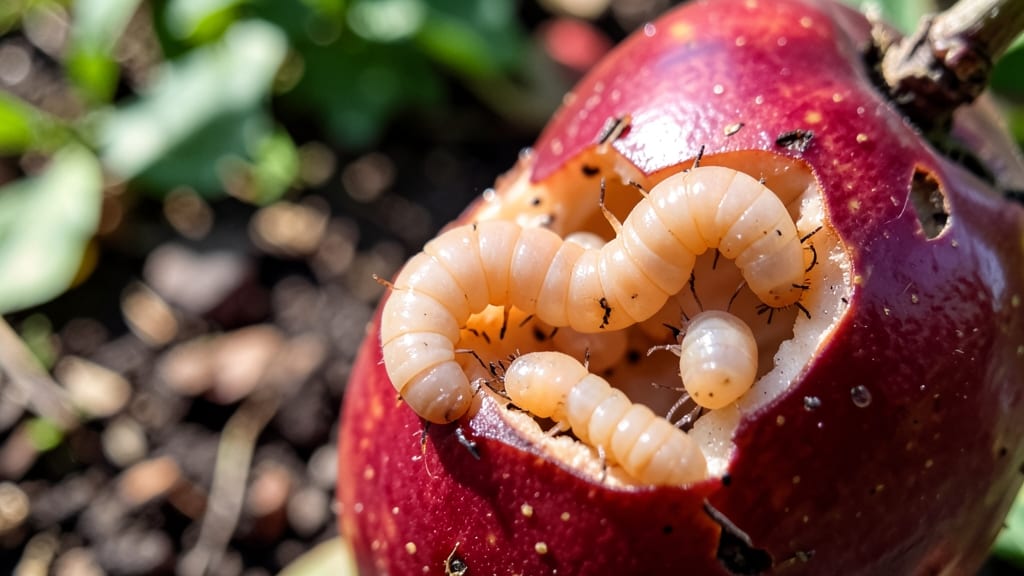
Your cherries are disappearing before you can pick them—those tiny, squirming maggots are the culprits. 🌿 Cherry tree maggots turn fruit into a mushy mess, but there’s a fast organic spray solution that works without harsh chemicals.
I’ve battled these pests for years, and this method stops the damage in its tracks within 2-3 weeks. The key is timing and a mix of neem oil, insecticidal soap, and a little baking soda—all ingredients you can find at the garden center.
You’ll need to spray at dawn or dusk when the maggots are most active, and repeat every 5-7 days until the fruit is safe. The smell of neem oil alone deters them, but the baking soda disrupts their lifecycle.
By the time your cherries ripen, you’ll be enjoying plump, pest-free fruit straight off the tree. No more dropping fruit or maggot-infested harvests—just sweet, juicy cherries you can pick with confidence. The best part? This method keeps your tree healthy for next season too.
Works for both sweet and tart cherry varieties, and it’s safe for bees and other pollinators when applied correctly. Let’s get those maggots under control before your harvest disappears!"
Root Causes Of Fruit Fly Infestations
Understanding why cherry trees attract maggots starts with the lifecycle of their tiny, destructive culprits: fruit flies (Rhagoletis indifferens). These pests don’t randomly target your trees—they’re drawn by specific conditions that make your cherries an all-you-can-eat buffet.
Let’s break down the key triggers, so you can disrupt their party before it starts.
Fruit flies (and their maggot larvae) are opportunists. They lay eggs in soft, decaying, or wounded fruit—not healthy, firm cherries. Here’s why this happens:
- Natural Ripening Signals: As cherries ripen, their sugars and acids increase, releasing volatile organic compounds (VOCs) that act like a dinner bell to fruit flies. 🍒🔥 Overripe cherries emit stronger scents, making them irresistible. - Physical Vulnerabilities: Cracks, bruises, or punctures (from hail, birds, or even poor harvesting) create entry ports for flies to deposit eggs.
Once inside, maggots feast on the fruit’s flesh, accelerating rot. - Fallen Fruit Magnet: Dropped cherries on the ground ferment quickly, becoming high-moisture breeding grounds. A single fallen fruit can hatch dozens of maggots, which then crawl onto nearby healthy fruit.
Actionable Insight: 💡 Harvest promptly—pick cherries as soon as they’re ripe (but firm) and remove any that fall to the ground. For organic growers, shake trees gently over a tarp to collect dropped fruit before flies find it.
A stressed cherry tree is like an open invitation for pests. When trees are nutrient-deficient, waterlogged, or diseased, they produce fruit that’s more susceptible to infestations. Key stressors include:
- Nitrogen Imbalance: Too much nitrogen (common in over-fertilized trees) leads to lush foliage but weak fruit skins, making cherries easier to penetrate. Conversely, low nitrogen reduces fruit quality, making them less resistant to pests. - Water Stress: Both drought and overwatering weaken trees.
Drought-stressed fruit becomes dry and shriveled (attracting flies), while overwatered fruit ferments faster, creating a maggot paradise. - Fungal or Bacterial Infections: Diseases like brown rot (Monilinia spp.) or cankers create open wounds where flies can lay eggs. Infected fruit often mummifies, trapping maggots inside.
Actionable Insight: 🌡️ Monitor soil moisture—aim for 1–1.5 inches of water per week (adjust for clay/sandy soil). Use balanced organic fertilizer (e.g., 10-10-10) in early spring to avoid nitrogen spikes. Prune dead or diseased branches to remove fly-friendly hiding spots.
In a healthy ecosystem, cherry trees have built-in pest control—birds, parasitic wasps, and beneficial insects that prey on fruit flies. But when these predators disappear, maggots thrive. Common reasons for predator loss:
- Pesticide Overuse: Broad-spectrum synthetic insecticides (even non-fly-targeted ones) can kill natural enemies like ladybugs, lacewings, and predatory mites. 🚫💥
- Habitat Fragmentation: Monoculture orchards (rows of identical trees) offer fewer hiding spots for predator insects compared to diverse, layered gardens.
- Late Planting: Fruit flies emerge mid-to-late summer, but if your tree blooms early, the first wave of cherries ripens before predators return from winter.
Actionable Insight: ✨ Encourage biodiversity—plant companion flowers (like dill, fennel, or yarrow) near your tree to attract predator insects. Avoid neonicotinoid sprays (e.g., imidacloprid), which harm pollinators and predators alike.
Fruit flies are cold-sensitive and time their lifecycle to cherry ripening. Warm, humid conditions in late summer create the perfect storm:
- Temperature Triggers: Flies are most active when average daily temps exceed 70°F (21°C).
Heat waves speed up their reproduction cycle, leading to multiple generations per season. - Humidity and Rain: High humidity extends larval survival (maggots dry out in low humidity), while light rains help spread eggs and larvae via water runoff. - Regional Outbreaks: In warmer climates (Zones 6–9), flies may have two generations per year, while cooler zones see one annual wave.
Migratory flies can also hitchhike on wind currents from infested orchards.
Actionable Insight: 📅 Track local fly emergence—check your USDA Hardiness Zone and monitor degree-day accumulations (a tool used by organic growers to predict pest activity). In Zone 7+, expect peaks in July–August; in cooler zones, watch for June–July.
Some gardening habits unwittingly create fly hotspots. For example:
- Thick Canopies: Dense foliage traps heat and moisture, speeding up fruit rot and hiding maggot-infested fruit from sight.
- Mulch Piles: Grass clippings or leaf litter near the tree’s drip line can harbor overwintering pupae (maggots turn into pupae in the soil).
- Delayed Pruning: Leaving dead wood or suckers provides shelter for adult flies during the day.
Actionable Insight: 🔪 Prune in late winter to open the canopy and remove debris. Use straw mulch (not fresh grass) around the base, keeping it 2–3 inches deep to deter soil-dwelling pupae.
Fruit flies don’t target cherry trees randomly—they’re drawn by a perfect storm of ripe fruit, weak defenses, and ideal weather. By addressing these root causes, you can disrupt their lifecycle before maggots turn your harvest into a swarming nightmare.
The good news? Organic sprays (like spinosad or kaolin clay) work best when combined with these preventive strategies.
Quick Fixes for Wormy Fruit Trees
If your cherry tree is under siege by maggots, don’t panic—there are effective, organic ways to reclaim your harvest. The key is acting fast and targeting the root causes: larvae, adult flies, and infested fruit. Below, we break down practical solutions by problem, from immediate damage control to long-term prevention.
Problem: Overripe or damaged cherries attract more flies, creating a breeding ground for maggots. Fix:
- 🍒 Pick and destroy all fallen or wormy fruit daily. Drop them into a sealed trash bag (not compost) to prevent flies from emerging.
- 🔪 Prune branches with heavy infestations—focus on clusters with discolored or soft fruit.
- 🌡️ Time it right: Harvest cherries as soon as they ripen to avoid leaving them vulnerable.
Pro Tip: 💡 Use a fruit cage (fine mesh netting) over branches during peak fly season (late spring to summer) to block adult flies.
Problem: Maggots burrow into fruit, making them inedible. Fix:
- 🍳 Spinosad Spray (fermentation-based):
- Mix 1.5 tsp per gallon of water (follow label instructions).
- Spray early morning or evening (avoid bees) on fruit and foliage.
- Reapply every 7–10 days during fly season.
- 🥘 Kaolin Clay Treatment:
- Apply a 1–2% clay suspension (1–2 tbsp clay powder per gallon of water).
- Creates a protective film that repels flies and disrupts their ability to lay eggs.
- Spray weekly until harvest.
- 🔪 Neem Oil (for severe cases):
- Mix 1 tbsp neem oil + 1 tsp mild soap per gallon of water.
- Spray at dusk (neem can harm beneficial insects in sunlight).
- ⚠️ Warning: Avoid spraying neem near bees or during bloom.
Pro Tip: ✨ Combine methods for best results—e.g., clay spray + spinosad for a double barrier against flies.
Problem: Adult cherry fruit flies (Rhagoletis) lay eggs in fruit, restarting the cycle. Fix:
- 🍎 Red Sphere Traps:
- Hang red plastic spheres (or homemade traps filled with apple cider vinegar + dish soap) near the tree.
- Flies are drawn to the color and drown in the liquid.
- Replace traps every 2 weeks.
- 🍺 Apple Cider Vinegar Trap:
- Fill a jar with vinegar + a drop of dish soap.
- Cover with plastic wrap, poke small holes, and hang near the tree.
- Flies enter but can’t escape.
Pro Tip: 🎯 Place traps 10+ feet from the tree—flies are more likely to be lured away from fruit.
Problem: Weak trees attract more pests. Maggots thrive in stressed or nutrient-deficient fruit. Fix:
- 💪 Boost Tree Vitality:
- 🌿 Mulch with wood chips or straw (3–4 inches deep) to retain moisture and deter flies.
- 📊 Fertilize with balanced organic fertilizer (10-10-10) in early spring.
- 💧 Water deeply (1–2 inches per week) to prevent drought stress.
- 🔪 Prune for Airflow:
- Thin out crowded branches to improve sunlight and airflow—less shade = fewer hiding spots for flies.
- Remove dead wood where larvae may overwinter.
Pro Tip: 🔥 Plant companion plants like mint, lavender, or basil near the tree—their scents repel fruit flies naturally.
Problem: Maggots return year after year if conditions stay ideal. Fix:
- 🍂 Clean Up Fallen Fruit:
- Rake up all debris from under the tree in fall and winter—maggots pupate in soil.
- 🌱 Rotate Sprays:
- Alternate spinosad, kaolin clay, and neem oil to prevent resistance.
- 🌿 Cover Young Trees:
- Use floating row covers (lightweight fabric) over newly planted cherry trees during fly season.
Pro Tip: 🌡️ Monitor with yellow sticky traps—if you see more than 5 flies per trap per week, ramp up sprays and traps.
Final Note: Consistency is key—one treatment won’t solve it alone. Combine removal, trapping, and organic sprays for a maggot-free harvest next season! 🍒✨
Frequently asked questions
How do I know if my cherries have maggots before picking them?
Look for small holes or dark specks in the fruit—these are signs of maggot entry points. Squeeze gently: soft, mushy spots mean larvae are inside. Also check for tiny white larvae (about 1/4-inch long) when you cut open suspect cherries. If you see these signs, harvest immediately and treat your tree.
Can I still eat cherries with maggots if I remove the larvae?
No, it’s not safe. Maggots contaminate the fruit with bacteria as they feed, and removing them doesn’t eliminate the risk of foodborne illness. Always discard infested cherries—even if they look otherwise fine. The safest option is to prevent maggots in the first place using organic sprays and traps.
Will spinosad harm my bees or other pollinators?
Spinosad is low-toxicity to bees when used correctly, but timing matters. Apply sprays after sunset or before sunrise when bees are less active. Avoid spraying during bloom periods, and never apply when flowers are open. For extra safety, use kaolin clay instead—it’s bee-friendly and creates a protective barrier.
How long does it take for organic sprays to work against cherry maggots?
Results vary, but you’ll typically see a reduction in new infestations within 3–5 days of consistent spraying. For full control, apply sprays every 5–7 days during peak fly season (late spring to summer). Combine sprays with traps and fruit removal for the fastest results—usually 2–3 weeks of treatment stops the cycle.
Can I use the same organic spray year after year?
Not indefinitely. Pests can build resistance to single treatments over time. Rotate between spinosad, neem oil, and kaolin clay each season to prevent resistance. Also, clean up fallen fruit and debris in fall/winter to break the maggot lifecycle—this reduces the need for repeated sprays next year.