
Pruning
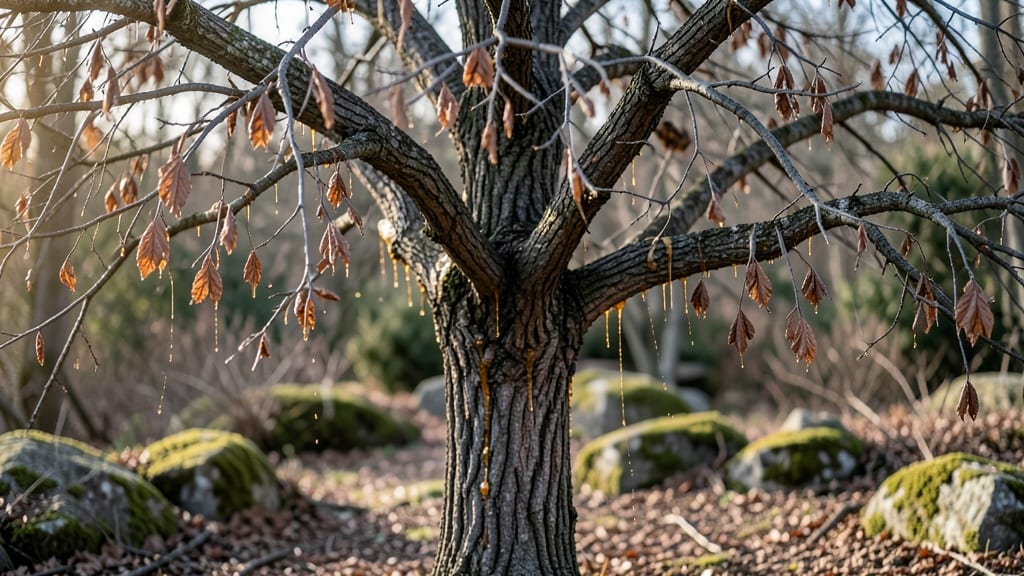
Your cherry tree dripping sap isn’t just annoying—it’s a sign something’s off. 🌳 Whether it’s spring’s natural flow or a stress signal from pests or disease, understanding the cause is your first step to fixing it.
I’ve turned my own sap-dripping cherry tree around using these 3 simple fixes, and you can too.
The real culprits? Overwatering, pests like aphids or scale, or even winter damage—all of which trigger that messy sap flow. Before grabbing tools, inspect the bark for holes, sticky residue, or unusual growth.
If you spot tiny bugs or oozing wounds, that’s your clue: prune carefully, apply horticultural oil, or adjust your watering routine. Most issues fix with basic care, but some need a pro’s eye.
Once you address the root cause, the sap slows within 2-4 weeks, leaving you with a cleaner tree and fewer sticky surprises. Prune in late winter or early spring, seal wounds with pruning paint, and keep an eye on moisture levels.
A little prevention—like mulching properly and avoiding heavy pruning in hot weather—keeps future sap disasters at bay.
Still seeing heavy sap flow after trying these steps? It might be a deeper issue like bacterial canker or fungal infection, and that’s when calling an arborist pays off.
But for most cases, these fixes work—no fancy tools or expensive treatments needed. Let’s get your tree back to its best.
Understanding Sap Flow Issues
If your cherry tree is leaking sap like a faucet left running, don’t panic—it’s usually a sign of stress or damage rather than a fatal flaw. Sap is a natural part of a tree’s life cycle, but excessive dripping can signal underlying problems.
Below, we break down the most common causes—so you can diagnose the issue and take action before it worsens.
Cherry trees are sensitive to sudden temperature swings, especially during spring and fall. When warm days follow freezing nights, the tree’s vascular system struggles to regulate sap flow. This creates pressure buildup in the xylem (the tree’s water-transporting tubes), leading to leaks.
Why it happens:
- Frost damage can rupture cell walls, forcing sap to escape through cracks.
- Rapid thawing after winter turns frozen sap into a sticky mess.
- Late frost events (common in cherry trees) confuse the tree’s dormancy cycle, causing premature sap production.
Actionable tip: 🌡️ Monitor your local frost dates and protect young or newly planted cherry trees with burlap wraps or frost cloth during unpredictable weather. Mulching the base also insulates roots from extreme cold.
Any injury—whether from pruning, pests, or mechanical harm—can trigger a defensive reaction in cherry trees. When bark or wood is damaged, the tree seals off the wound by producing callus tissue, but the process often leaks sap as a byproduct.
Common culprits:
- Improper pruning cuts (tearing bark instead of making clean cuts).
- Animal gnawing (deer, rabbits, or rodents chewing bark).
- Lawn equipment (mowers or trimmers scraping the trunk).
- Hail or wind damage (cracking branches or splitting bark).
Actionable tip: 🔪 If you’ve recently pruned, use sharp, sterile tools and make cuts at a 45-degree angle just outside the branch collar. Seal larger wounds with pruning sealant (though many arborists debate this—consult a local expert first!).
Sap dripping can also be a red flag for hidden invaders. Pests like borers, aphids, or scale insects disrupt the tree’s nutrient flow, forcing it to "bleed" as a defense mechanism. Fungal infections (e.g., silver leaf fungus) can clog vascular tissues, creating pressure that escapes as sticky residue.
Signs to watch for:
- Sawdust-like frass near the base (borer larvae).
- Black sooty mold on leaves (aphid honeydew).
- Cracked or oozing bark (fungal cankers).
Actionable tip: 🐜 Inspect the trunk and branches for entry holes, tunnels, or unusual growths. Treat infestations early with neem oil (for soft-bodied pests) or contact a certified arborist for systemic insecticides if borers are suspected.
While cherry trees need consistent moisture, excess water—especially in heavy clay soil—can suffocate roots and disrupt sap regulation. Waterlogged conditions force the tree to overproduce sap to compensate, leading to leaks.
Why it happens:
- Compacted soil prevents roots from absorbing water efficiently.
- Frequent deep watering (e.g., daily in hot climates) overwhelms the tree.
- Poor drainage near the trunk (e.g., from mulch piled too high).
Actionable tip: 💧 Test soil moisture with your finger—if the top 2 inches are damp, wait to water. Improve drainage by amending soil with compost or creating a swale (a shallow trench) to redirect excess water away from the root zone.
Most sap issues are manageable with the right care. Start by identifying the root cause (literally!), then take targeted steps to restore your cherry tree’s health. If the problem persists, consult a local arborist to rule out deeper issues like vascular diseases.
Fixing Sap Flow in Cherry Trees
A cherry tree oozing sap can feel like a sticky mess you can’t escape—but don’t worry! With the right approach, you can stop the drips and protect your tree’s health.
Below, we’ve mapped out practical solutions for the most common causes, along with prevention tips to keep your tree happy and sap-free.
If your tree is bleeding sap after aggressive pruning or damage (like broken branches), it’s signaling stress. The good news? You can help it heal.
How to Fix It
✅ 🔥 Seal the Wounds Properly
- Use pruning sealant (like Tanglefoot Tree Wound Pruning Seal) on fresh cuts to prevent sap loss and pest entry.
- Pro Tip: Apply it within 24 hours of pruning for best results. 💡
✅ 👨🍳 Prune at the Right Time
- Avoid heavy pruning in late spring or early summer—this is when sap flow is highest.
- Best times: Late winter (dormant season) or early fall.
✅ 🌿 Reduce Stress with Mulch & Water
- Add 2–4 inches of organic mulch around the base (but not touching the trunk) to retain moisture.
- Water deeply once a week during dry spells to keep the tree hydrated.
Sap dripping can be a sign of borers, aphids, or fungal infections like silver leaf fungus. These pests/diseases create wounds that trigger excessive sap flow.
How to Fix It
✅ 🔪 Identify & Treat Pests
- For borers (holes in bark, sawdust-like frass):
- Inject systemic insecticide (like imidacloprid) into the tree.
- _OR_ use beneficial nematodes (for larval stages).
- For aphids/sap-sucking bugs:
- Spray with neem oil or insecticidal soap (reapply every 5–7 days).
✅ 🌡️ Fight Fungal Infections
- If you see discolored leaves or fungal growth, prune infected branches 12 inches below the damage.
- Apply copper fungicide or baking soda spray (1 tsp baking soda + 1 quart water + a drop of dish soap) to prevent spread.
✅ 🌿 Boost Tree Immunity
- Fertilize lightly with a balanced NPK (10-10-10) fertilizer in early spring.
- Avoid over-fertilizing—too much nitrogen can weaken defenses.
Extreme weather—whether scorching summer heat, freezing winters, or drought—can force sap to leak as the tree struggles to regulate moisture.
How to Fix It
✅ 💦 Hydrate Deeply & Consistently
- Water slowly and deeply (1–2 inches per week) to encourage deep root growth.
- Use drip irrigation to avoid wetting leaves (which can cause fungal issues).
✅ 🌿 Provide Shade & Mulch
- If your tree is in a hot, sunny spot, add shade cloth during peak heat.
- Mulch heavily (3–4 inches) to insulate roots from temperature swings.
✅ ❄️ Protect from Frost Cracks
- Wrap young trees in burlap or tree guard before winter to prevent frost cracks.
- Avoid winter pruning—wait until late winter when the tree is dormant.
Once you’ve stopped the drips, keep them from returning with these long-term strategies:
🔹 🌱 Choose the Right Variety
- Some cherry trees (like Weeping Cherries) are more prone to sap flow. Opt for dwarf or columnar varieties if mess is a concern.
🔹 🪓 Prune Like a Pro
- Only remove dead, diseased, or crossing branches—never more than 25% of the canopy at once.
- Use clean, sharp pruners to make smooth cuts (avoid jagged edges).
🔹 🐞 Encourage Beneficial Insects
- Plant companion plants like lavender or marigolds to attract ladybugs and lacewings, which prey on sap-sucking pests.
🔹 📅 Monitor & Maintain Year-Round
- Inspect your tree every 2–3 months for early signs of stress, pests, or disease.
- Clean up fallen leaves/debris to reduce fungal spores.
Final Thought: A little patience and care goes a long way—most sap issues resolve within a few weeks of proper treatment. If the problem persists, consult a certified arborist to rule out deeper issues like root rot or systemic disease. 🌿
Frequently asked questions
Is cherry tree sap dripping normal during spring?
Some sap flow in early spring is normal as the tree awakens from dormancy, but excessive dripping isn't healthy. The key difference: normal sap is light and intermittent, while heavy, sticky drips often signal stress from frost damage, pests, or improper pruning. Monitor for other symptoms like cracked bark or pest activity.
Can I stop cherry tree sap dripping by just sealing the wounds?
Sealing wounds helps reduce sap loss, but it's not a complete fix. The real solution involves addressing the root cause—whether it's pests, disease, or environmental stress. Combine sealing with proper pruning techniques, pest control, and seasonal care for lasting results.
What's the fastest way to clean up sap drips from my driveway?
Use a mix of warm water and mild dish soap (1 tablespoon per gallon) to break down the sap. Scrub with a stiff brush, then rinse thoroughly. For stubborn residue, try rubbing alcohol or vinegar on a cloth. Always work in shaded areas to prevent the sap from re-hardening.
Will pruning my cherry tree in summer make the sap dripping worse?
Yes, pruning during active growth (spring/summer) can significantly increase sap flow. Wait until late winter (dormant season) when sap is at its lowest. If you must prune in summer, do so during cooler morning hours and seal all wounds immediately with pruning sealant.
How do I tell if my cherry tree's sap is from pests vs. natural causes?
Look for these clues: pest-related sap often comes with tiny holes in bark, sawdust-like frass, or sticky residue (aphid honeydew). Natural sap is usually clear and appears after temperature changes or minor injuries. Inspect leaves for signs of pests or disease to confirm the cause.