
How To
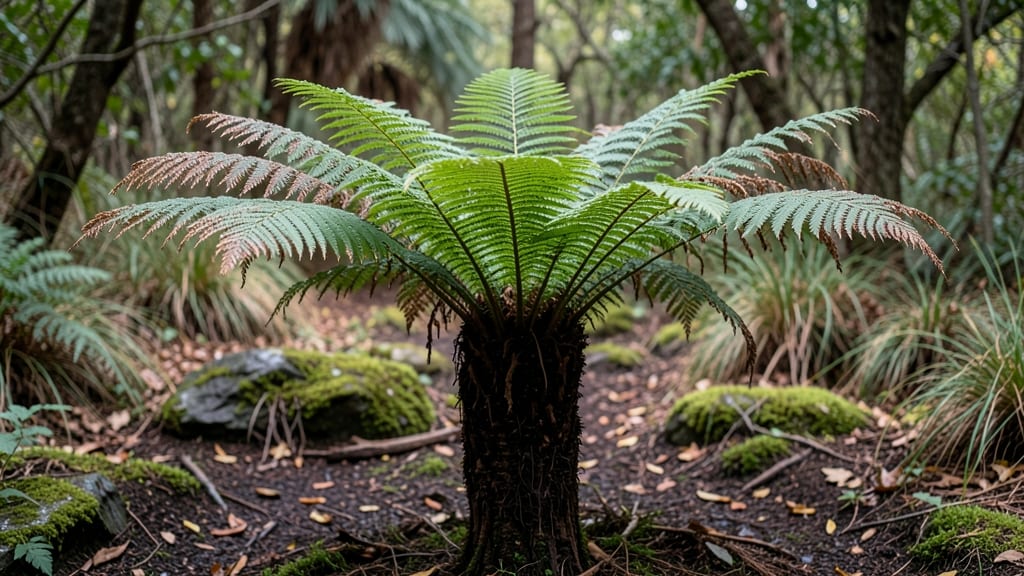
Your Tasmanian tree fern’s brown tips aren’t just cosmetic—they’re a cry for help. 🌿 I’ve nursed back more than my share of these striking plants, and fungal blight is the #1 culprit behind those crispy edges.
The good news? Copper spray isn’t just a fix—it’s a game-changer that stops the spread in its tracks.
Overwatering or poor drainage creates the perfect damp, dark environment for fungal spores to thrive. Combine that with stagnant air (hello, closed terrariums) and you’ve got a recipe for disaster.
The brown tips start small but spread fast—pruning alone won’t cut it. That’s where copper fungicide comes in, acting like a shield against the microscopic invaders.
Within 2-3 weeks of treatment, you’ll see fresh green fronds unfurling where there was only crispy brown before. The key is consistency: spray every 7-10 days until new growth proves the blight’s retreat.
For prevention, I swear by improving airflow and watering only when the top 2 inches of soil feel bone-dry.
This method works for both indoor and outdoor ferns—no fancy equipment needed. Just copper spray, a spray bottle, and a commitment to breaking the fungal cycle. Your fern’s lush, feathery crown will thank you.
Root Causes Of Fern Decline
When your Tasmanian tree fern (Dicksonia antarctica) starts showing brown, crispy tips, it’s usually a cry for help from the plant itself. Understanding the why behind this distress signal is the first step to restoring its health.
Below, we break down the most common culprits—each with a clear scientific explanation and actionable insights to address them.
Tasmanian tree ferns thrive in consistently moist but well-draining soil. When roots sit in soggy conditions for too long, they struggle to absorb oxygen, leading to root rot. This stress manifests as brown, brittle tips because the plant can’t efficiently transport water and nutrients upward.
Why it happens:
- Waterlogged soil: Compacted or heavy clay soil traps excess moisture, suffocating roots. Pythium or Phytophthora fungi—common in waterlogged environments—can also infect roots, blocking nutrient uptake.
- Lack of aeration: Roots need oxygen. Overwatering displaces air pockets in the soil, forcing roots to "drown."
- Pot-bound stress: If the fern is in a container without drainage holes, water pools at the bottom, accelerating rot.
Actionable fix: Ensure pots have drainage holes and use a chunky, peat-based mix (e.g., 60% peat, 30% perlite, 10% coarse sand). Water only when the top 2 inches of soil feel dry. For outdoor ferns, plant in a slightly elevated spot to improve drainage.
Tasmanian tree ferns are native to temperate climates and are sensitive to extreme temperature fluctuations. Brown tips often appear when fronds are exposed to scorching afternoon sun or sudden freezes, causing cellular damage.
Why it happens:
- Sunburn: Direct sunlight (especially in hotter months) causes oxidative stress in frond tissues. Chlorophyll breaks down, leading to necrosis (dead tissue) at the tips.
- Cold damage: Temperatures below 20°F (-6°C) can freeze frond tips, causing them to turn brown and brittle. Even rapid temperature drops (e.g., nighttime frost after a warm day) stress the plant.
- Dry heat: Low humidity combined with high heat increases transpiration (water loss) faster than the roots can replenish, leading to desiccation.
Actionable fix:
- 🌿 Provide shade: Use 30-50% shade cloth in summer or place the fern under dappled light (e.g., near a north-facing window or under taller trees).
- ❄️ Protect from frost: Move potted ferns to a sheltered location or cover them with burlap if frost is forecasted.
- 💦 Boost humidity: Mist fronds daily in dry conditions or use a pebble tray with water to increase ambient moisture.
Fungal pathogens like Phytophthora cinnamomi (a soil-borne fungus) or Botrytis cinerea (gray mold) thrive in moist, stagnant conditions and attack Tasmanian tree ferns, clogging vascular tissues and causing brown, mushy tips.
Why it happens:
- Phytophthora: This oomycete (often mistaken for a fungus) infects roots and crowns, blocking water transport. Infected fronds show brown, wilted tips even when soil is wet.
- Botrytis: Thrives in high humidity and poor air circulation, causing grayish-brown lesions on frond tips. Spores spread via water splashes.
- Root rot: Fungi like Fusarium or Rhizoctonia decompose root tissue, reducing the plant’s ability to absorb water and nutrients.
Actionable fix:
- 🛡️ Prevent spread: Avoid overhead watering—use drip irrigation or a watering can with a narrow spout to keep fronds dry.
- 🍄 Fungal treatment: Apply a copper-based fungicide (e.g., Copper Sulfate or Bordeaux Mixture) every 2-4 weeks during wet seasons. For severe cases, remove and destroy infected fronds to prevent spread.
- 🌱 Improve airflow: Space ferns 3-4 feet apart and prune surrounding vegetation to reduce humidity around the crown.
Brown tips can also signal over-fertilization or exposure to harsh chemicals, which disrupt the fern’s delicate nutrient balance.
Why it happens:
- Salt buildup: Over-fertilizing with synthetic fertilizers (especially high in nitrogen or salts) causes osmotic stress, where roots can’t absorb water properly. This leads to crispy, brown tips.
- Chlorine or fluoride: Tap water with high chlorine/fluoride levels can accumulate in soil, burning root tips and restricting nutrient uptake.
- Nutrient deficiency: While less common, low magnesium or potassium can cause frond tips to brown (often accompanied by yellowing between veins).
Actionable fix:
- 💧 Flush the soil: Water the fern with distilled or rainwater for 10-15 minutes to leach out excess salts. Repeat monthly.
- 🌿 Use organic fertilizer: Switch to a balanced, slow-release organic fertilizer (e.g., fish emulsion or worm castings) and apply only every 3-4 months.
- 🔍 Test soil pH: Tasmanian tree ferns prefer acidic to neutral soil (pH 5.5-7.0). Use a soil test kit and amend with peat moss or sulfur if pH is too high.
Pro Tip: 💡 When in doubt, start with the basics—check drainage, adjust watering habits, and inspect for pests before jumping to treatments. Often, brown tips are a symptom of an easily fixable issue!
Fixing brown tips naturally
Reviving your Tasmanian tree fern’s crispy brown tips starts with pinpointing the cause and acting fast—because once those edges turn brittle, they’re not coming back. Below, we map the most common culprits to practical, plant-friendly fixes, plus smart prevention tips to keep your fern lush and thriving.
No fancy tools required—just elbow grease and a little green thumb know-how!
If brown tips are spreading like a web (especially in damp, shaded spots), fungal blight is likely the villain. Copper-based fungicides are your secret weapon—safe for pets, effective against pathogens, and easy to apply.
How to Treat It: 🍳 Mix a copper solution: Combine 1 tsp copper sulfate (or a pre-mixed copper fungicide like Bonide Copper Fungicide) with 1 gallon of water. Stir well until dissolved. 👨🍳 Spray like a pro: On a dry, windless morning, drench the fern’s fronds—top and bottom—until glistening. Focus on brown edges and any slimy patches (a dead giveaway for fungus). ⏰ Repeat weekly for 2–3 weeks, then monthly as prevention. Morning applications let foliage dry faster, reducing humidity hotspots where fungus thrives.
Prevention Tips: ✨ Boost airflow: Prune nearby plants to let breezes circulate. Fungal spores hate fresh air! 🌡️ Avoid overhead watering: Use a soaker hose or water at the base to keep fronds dry. 💡 Mulch wisely: Use pine bark or gravel (not dense organic mulch) to prevent soil-borne fungi from splashing onto fronds.
Soggy soil = sad roots. If your fern’s tips are brown and the soil smells funky, it’s time for a root check and a drainage overhaul.
How to Fix It: 🔪 Test the soil: Stick your finger 2 inches deep—if it’s damp, hold off on watering. If it’s bone-dry, you’ve been underwatering (see next section). 🥘 Repot if needed: If the pot has no drainage holes, transfer to a container with holes (or drill them yourself). Use a fast-draining mix: 50% orchid bark, 30% perlite, and 20% peat moss. 💧 Water only when dry: Stick your finger in—water only when the top 1–2 inches are dry. For mature ferns, this might mean every 7–10 days in summer, less in winter.
Prevention Tips: 🎯 Upgrade your pot: Terracotta pots dry faster than plastic. If repotting isn’t an option, place a tray of pebbles under the pot to wick away excess moisture. 🌧️ Water deeply but infrequently: Drench the soil until water runs out the bottom, then let it drain completely. No soggy bottoms!
Crispy, brittle tips on a light, airy fern? You might be underwatering or dealing with salt buildup from tap water or fertilizers.
How to Revive It: 🚰 Flush the soil: Run water through the pot until it drains clean for 5–10 minutes. This washes away salt and chemicals. 💦 Soak the roots: Place the pot in a tray of water for 10–15 minutes to rehydrate the root ball. Empty the tray afterward. 🌿 Adjust your routine: Water slowly and deeply 2–3 times a week (adjust for climate). If using tap water, let it sit out overnight to evaporate chlorine.
Prevention Tips: 💡 Use filtered or rainwater: Salt and chlorine in tap water add up. A DIY filter (pebble + charcoal in a bucket) works in a pinch. 📊 Fertilize lightly: Switch to a diluted, organic fertilizer (like fish emulsion) and apply every 2 months in spring/summer. No winter feeding!
If brown tips appear only on one side (often the side facing a window or door), cold drafts or windburn could be the culprit.
How to Protect It: 🛡️ Move it strategically: Place your fern away from AC vents, sliding doors, or drafty windows. A north-facing spot (in the Northern Hemisphere) gets gentle light without harsh drafts. 🌿 Wrap vulnerable fronds: In winter, loosely wrap brown tips with burlap (like a tiny sweater) to prevent further damage.
Prevention Tips: 🔥 Group plants together: Creates a microclimate that buffers temperature swings. 🌡️ Monitor humidity: Aim for 40–60% humidity. A pebble tray with water near the fern (not touching it) adds moisture without overwatering.
No matter the root problem, these quick fixes can help your fern bounce back: - Trim the damage: Use clean, sharp scissors to snip off only the brownest tips (never more than 1/3 of the frond).
This redirects energy to healthy growth. - Fog the fronds: Lightly mist the undersides of leaves daily to boost humidity and reduce stress. - Feed it gently: After treating the issue, apply a half-strength seaweed fertilizer to strengthen recovery.
Remember: Patience is key! Tasmanian tree ferns are tough—they’ll grow out of brown tips only if the roots stay healthy. Stick with your fixes for 4–6 weeks, and you’ll see fresh, vibrant fronds pushing out. 🌿✨
Frequently asked questions
Why do Tasmanian tree fern tips turn brown only on one side?
This usually signals environmental stress like cold drafts or windburn. The side facing windows, doors, or AC vents often gets damaged first. Move your fern away from drafts and protect vulnerable fronds with burlap wraps during winter. Check for uneven humidity—one side may be drier than the other.
Can I save my fern if the brown tips have turned completely crispy?
Unfortunately, crispy brown tips are dead tissue that won’t regrow. Trim only the most damaged edges (never more than 1/3 of the frond) to redirect energy to healthy growth. Focus on fixing the root cause—whether it's fungal infection, water issues, or temperature stress—to prevent further damage.
How often should I apply copper fungicide to my Tasmanian tree fern?
Start with weekly applications for 2-3 weeks to stop active fungal spread, then switch to monthly prevention during damp seasons. Always spray in the morning on dry, windless days. For severe cases, combine with improved airflow (prune nearby plants) and avoid overhead watering to create an unfriendly environment for spores.
Is my tap water causing the brown tips in my Tasmanian tree fern?
Possibly! Tap water with high chlorine, fluoride, or salt content can accumulate in soil and burn root tips. Test by flushing the soil with distilled or rainwater for 10 minutes. Switch to filtered water or let tap water sit 24 hours before using. Also reduce fertilizer frequency—over-fertilizing worsens salt buildup.
Why does my outdoor Tasmanian tree fern get brown tips every winter?
Winter stress from cold snaps, frost, or drying winds is the likely culprit. Protect your fern by moving it to a sheltered location or covering it with burlap. Mulch the base with pine bark to insulate roots. In spring, trim damaged fronds and apply a balanced fertilizer to encourage new growth.