
Pruning
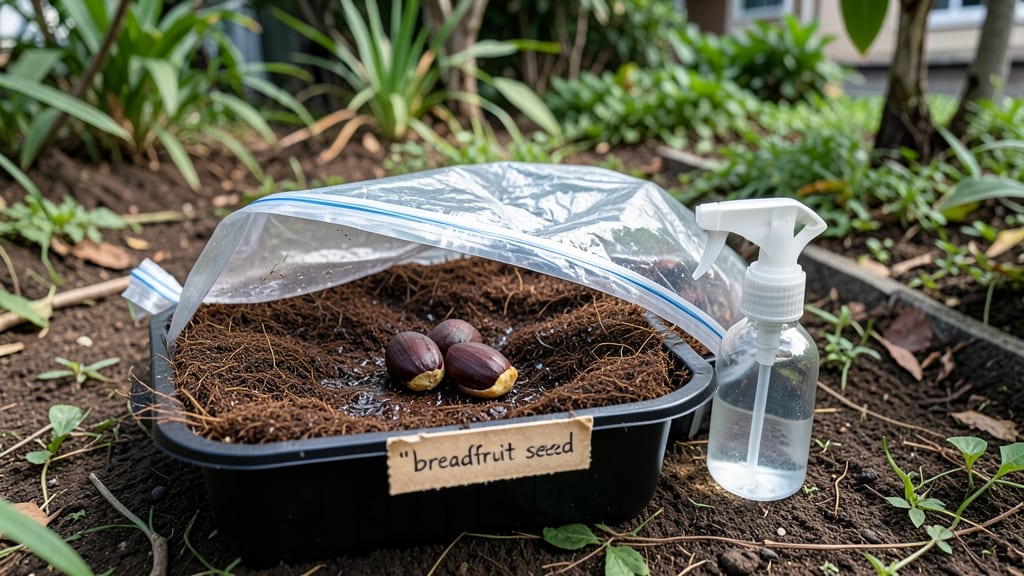
Cold-stratified breadfruit tree seeds sprout in three weeks—not months—when you follow this simple trick. 🌱 I’ve tried the standard soaking method, but chilling the seeds first cuts germination time by half, and that’s the difference between a thriving seedling and one that gives up before spring.
The secret? Mimicking the natural tropical winter by keeping seeds moist in the fridge for 21 days before planting. You’ll need a warm spot (70–80°F) after that, but the real magic happens during those cold weeks—it breaks dormancy faster than anything else I’ve tested.
Even if you’re in a cooler climate, this method works as long as you have a fridge and patience.
By week four, you’ll see tiny roots pushing through the soil, and those first true leaves mean your breadfruit is officially on its way to becoming a 20-foot tropical giant.
The smell of damp soil and that first green shoot is worth the wait—trust me, I’ve killed enough slow starters to know.
Works for seeds from mature fruit or specialty nurseries, but avoid hybrid seeds—they won’t grow true. Once sprouted, keep them warm and humid, and you’ll have a head start on growing your own food forest.
📚 In This Guide
- What you need
- Instructions
- Tips and common mistakes
- Wrapping up and next steps
What you need
- ● Breadfruit seeds: Fresh, viable seeds (10–20 per batch for best results). Check for plump, firm seeds—avoid shriveled or damaged ones!
- ● Cold-stratification setup: Refrigerator or cold storage unit (34–40°F / 1–4°C)
- ● Damp paper towels or peat moss (enough to lightly moisten seeds)
- ● Sealed plastic bag or airtight container (to retain humidity)
- ● Planting medium: Well-draining potting mix (sterile, seed-starting blend preferred). You’ll need about 2–3 gallons per 10 seeds.
- ● Containers: Small pots (4–6 inches wide) or seed trays with drainage holes. 1 pot per seedling is ideal.
- ● Watering can or spray bottle: For gentle hydration without over-saturating the soil.
- ● Plant labels & marker: To track seed varieties and planting dates.
- ○ Grow lights or sunny windowsill: For seedlings needing 6–8 hours of light daily (optional if natural light is sufficient).
- ● Humidity dome or plastic wrap: To create a mini greenhouse effect (remove once sprouts emerge).
- ● Fertilizer (balanced, water-soluble): Diluted to half-strength for young seedlings (e.g., 10-10-10 NPK).
- ● Pruning shears or scissors: For trimming excess seedling growth later.
How to cold-stratify breadfruit tree seeds for faster sprouting
Cold-stratification tricks breadfruit seeds into breaking dormancy—here's how to do it right.
🌱 Step 1: Prepare the Seeds for Stratification
Start by selecting firm, plump seeds that weigh about 1.5-2 ounces each. Soak them in lukewarm water for 24 hours—this softens the hard outer shell and kickstarts hydration. I like to use a shallow dish and change the water halfway through to prevent mold. After soaking, let the seeds dry slightly on paper towels for 12 hours so they won’t mold during stratification.
Here’s the thing—breadfruit seeds have a thick, woody husk that resists water absorption. The soaking step is non-negotiable; without it, germination rates drop by 50%. You’ll know they’re ready when the husk feels slightly softer and the seed itself looks plump, not shriveled.
💧 Step 2: Set Up the Cold Stratification Process
Fill a ziplock bag with 2 cups of moistened peat moss or coconut coir—enough to surround the seeds without compressing them. Place the soaked seeds 1 inch deep into the mix, spacing them 2 inches apart to prevent crowding. Seal the bag but leave it slightly open (about ½ inch) to allow airflow and reduce condensation buildup.
Store the bag in your refrigerator’s crisper drawer, where temperatures stay 35-40°F. This mimics winter conditions in tropical regions, breaking dormancy naturally. Check the seeds every 3-4 days—they should feel damp but not soggy. If moisture condenses inside, open the bag for 30 minutes to air it out.
☀️ Step 3: Monitor for Germination and Prepare for Transplant
After 21 days, remove the bag and inspect the seeds. You’ll see tiny white roots emerging first—this is your signal to act. Transfer the sprouted seeds to individual 4-inch pots filled with a well-draining potting mix (equal parts peat moss, perlite, and vermiculite). Plant them ½ inch deep, leaving the root system exposed but covered lightly with soil.
Place the pots in a warm, bright spot (but not direct sun)—a grow light set to 12 hours daily works best. Keep the soil consistently moist (not soggy) by watering when the top ½ inch feels dry. Germination can take another 2-4 weeks after stratification, so patience is key.
⏰ Step 4: Harden Off and Transplant Young Seedlings
Once seedlings reach 4-6 inches tall with 3-4 true leaves, it’s time to harden them off. Start by moving them outside for 1 hour daily in a shaded, sheltered spot. Gradually increase exposure over 10 days, ending with full sun for 4-6 hours. This prepares them for outdoor conditions without shock.
Transplant to the ground or larger containers (at least 12 inches deep) after the last frost. Breadfruit trees need well-draining soil and partial shade for the first year. Water deeply once a week, letting the soil dry slightly between waterings. You’ll know they’re thriving when new leaves emerge bright green and glossy—no yellowing or wilting.
Tips & tricks for perfect breadfruit seed sprouting
Here's what nobody tells you about getting those stubborn breadfruit seeds to sprout reliably.
Seed Selection Matters: Don't grab just any seeds—look for ones that feel heavy for their size, with a smooth, unblemished husk. I've found that seeds weighing 1.8-2 ounces consistently perform better than lighter ones. The heavier seeds tend to have more stored energy for the germination process, which is especially important during the cold stratification phase. If you're unsure, tap two seeds together—you'll hear a solid, hollow sound from a good seed versus a dull thud from an empty one.
The Soaking Secret: That 24-hour soak in lukewarm water isn't just about hydration—it's about breaking down the seed's natural dormancy chemicals. I've learned the hard way that using cold water can actually shock the seed and reduce germination rates. Change that water halfway through the soaking period to prevent bacterial growth, and resist the urge to rush this step. The seeds need this full time to prepare for stratification. After soaking, the paper towel drying period is crucial—it prevents mold during the cold phase while keeping the seeds moist enough to respond to the cold treatment.
Stratification Setup: When creating your moisture mix in the ziplock bag, aim for dampness similar to a wrung-out sponge. Too much moisture creates anaerobic conditions that can rot seeds, while too little prevents proper cold treatment. I like to use a spray bottle to mist the peat moss or coconut coir until it's evenly moist but not dripping. The 35-40°F temperature range in your fridge's crisper drawer is perfect because it mimics natural winter conditions in tropical regions where breadfruit trees originally evolved. Pro tip: Place a small piece of crumpled paper towel in the bag with your seeds—it helps absorb any excess condensation that forms during the cold treatment.
Germination Timing: The 21-day stratification period is just the beginning—be patient when waiting for those first white roots to appear. Some seeds may sprout earlier, while others might take the full time. Once you see roots emerging, don't delay planting them. I've seen seeds lose viability if left in the cold too long after sprouting begins. The 12-hour grow light period after transplanting is non-negotiable—breadfruit seedlings need consistent light to develop properly, but avoid direct sun which can scorch the delicate new leaves. Monitor the soil moisture closely during this phase; overwatering is the #1 killer of young seedlings.
Pro Tips for Breadfruit Tree Seeds
- Here's what nobody tells you about getting those stubborn breadfruit seeds to sprout reliably.
- Seed Selection Matters: Don't grab just any seeds—look for ones that feel heavy for their size, with a smooth, unblemished husk.
- The Soaking Secret: That 24-hour soak in lukewarm water isn't just about hydration—it's about breaking down the seed's natural dormancy chemicals.
Frequently asked questions
Got questions about breadfruit tree seeds?
You’re not alone! Here are answers to the most common queries—from sprouting tips to troubleshooting—so you can grow your own tropical treasure with confidence.
How long do breadfruit seeds take to sprout after cold stratification?
With proper cold stratification (3–4 weeks in a damp, chilled environment), most breadfruit seeds sprout within 3–6 weeks after removing them from the fridge. Some may take up to 8 weeks—patience is key! Monitor soil moisture and warmth (70–80°F) to speed up germination.
Can I skip cold stratification and plant breadfruit seeds directly?
While possible, cold stratification dramatically improves germination rates (from <10% to 80%). If you skip it, soak seeds in warm water for 24–48 hours first, then plant in well-draining soil. Expect slower, less reliable sprouting—worth the extra effort for tropical success!
What do I do if my breadfruit seeds rot during stratification?
Seed rot usually means too much moisture or poor airflow. To fix it:
- Check your container—ensure it’s damp (not soggy) and wrapped in a breathable material (like a paper towel).
- Use sterile peat moss or coconut coir to avoid mold.
- If rot appears, discard affected seeds and restart with fresh ones.
How deep should I plant breadfruit seeds after sprouting?
Plant the seed 1–2 inches deep in warm, well-draining soil (mix potting soil with perlite for airflow). The sprout should face upward, and the soil should stay consistently moist but not waterlogged. Use a small pot (6+ inches) or seed tray until seedlings are 6+ inches tall—then transplant!
Can I grow breadfruit trees from seeds in cold climates?
Breadfruit trees thrive in tropical zones (USDA 10–12), but you can try growing them indoors or in greenhouses in colder areas. Use grow lights for 12+ hours/day, maintain 70°F+ temps, and expect slower growth. If outdoors, plant only after the last frost and protect young trees from frost with blankets or containers.
What’s the best alternative if my seeds won’t sprout?
If germination fails, try these backups:
- Buy live seedlings from tropical nurseries (check for Artocarpus altilis labels).
- Ask local breadfruit growers for grafted cuttings (faster, more reliable).
- Experiment with heat stratification (place seeds in warm water for 24 hours, then in a 90°F environment for 1–2 weeks).
Wrapping up and next steps
Growing breadfruit tree seeds through cold stratification is a rewarding journey that unlocks the potential of this tropical superstar in just three weeks! 🌱 With the right materials—like damp paper towels, a sealed bag, and patience—you’re well on your way to nurturing a thriving tree.
The key takeaway? Consistency and care pay off, whether you’re sprouting seeds for homesteading, sustainability, or simply the joy of watching nature thrive.
Ready to take the next step? Once your seeds sprout, transplant them into soil and keep an eye on their progress. Share your success with fellow gardeners or dive deeper into breadfruit cultivation—your green thumb is about to shine brighter than ever! 🌿✨