
Pruning
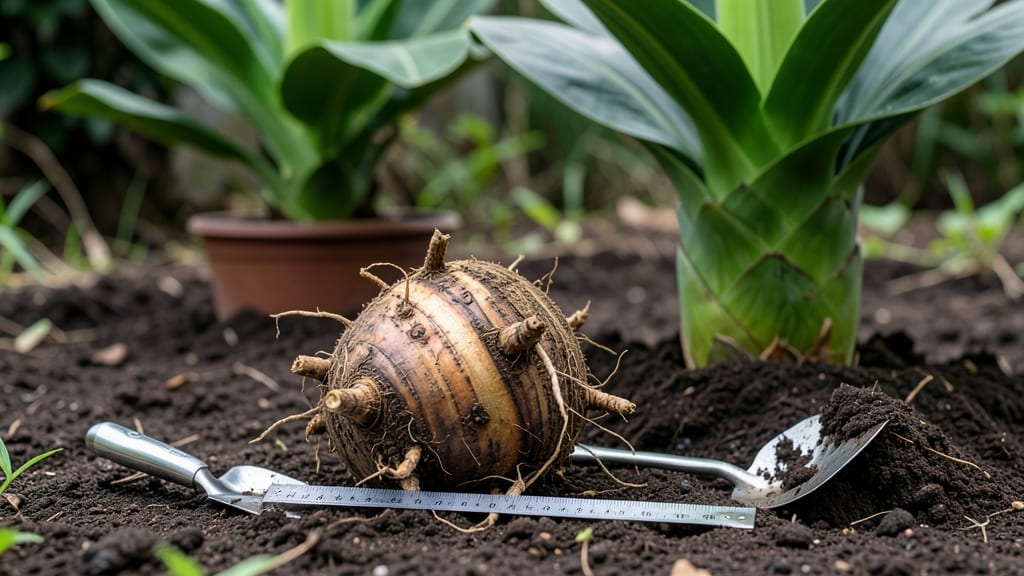
The banana tree corm is the secret weapon behind those lush, tropical leaves and sweet fruit you've always wanted. 🌿 I've learned that pruning the right way keeps your banana plant healthy, productive, and thriving for years—not just one season.
The key is timing, technique, and knowing exactly where to cut without damaging the plant's heart.
You'll need sharp pruners, a clean workspace, and a clear understanding of your banana plant's growth cycle. The best time to prune is right after harvest, when the plant has stored energy in its corm.
I always sterilize my tools first—rust or bacteria can turn a simple pruning job into a disaster. For outdoor plants, wait until temperatures stay above 50°F at night to avoid stressing the corm.
When done right, your banana tree will reward you with thicker pseudostems, more flower stalks, and bigger fruit clusters. The corm itself becomes stronger, resisting pests and diseases better.
You'll notice new shoots emerging within 4-6 weeks of proper pruning, and the plant's overall shape becomes more balanced and sturdy.
This method works for both dwarf and large banana varieties, whether you're growing in containers or in-ground. The same principles apply to tropical climates and protected indoor setups with grow lights. Here's how to get it done without killing your plant—honestly, I've made every beginner mistake at least once.
📚 In This Guide
- What you need
- Instructions
- Tips and common mistakes
- Wrapping up and next steps
What you need
- ● Pruning shears or secateurs: Sharp, clean, and sterilized (rubbing alcohol or bleach solution works). Choose bypass-style (not anvil) for cleaner cuts.
- ● Gloves: Heavy-duty gardening gloves (nitrile-coated for durability) to protect against thorns and sap.
- ● Disinfectant: 70% isopropyl alcohol or a 10% bleach solution (1 part bleach to 9 parts water) for sterilizing tools between cuts.
- ● Pruning saw: Curved-tooth saw (for thicker stems or corms over 2 inches in diameter).
- ● Compost or mulch: Well-aged compost or straw mulch (1-2 cubic feet) to cover pruned areas and retain moisture.
- ● Sharp knife or machete: Stainless steel (for slicing through tough pseudostems or corm layers).
- ● Watering can or hose: With a fine-mist nozzle for post-pruning hydration.
- ● Banana tree corm: A healthy, mature corm (diameter: 4+ inches, height: 12+ inches) with visible growth points.
- ● Root stimulator: Mycorrhizal fungi powder or seaweed extract to boost recovery.
- ● Plant hormone gel: (e.g., rooting hormone) for stubborn or slow-healing cuts.
- ● Pruning sealant: Beeswax-based (not plastic-based) to prevent sap oozing on large cuts.
- ● Label tags: Waterproof plant markers to track pruning dates and corm varieties.
- ● Safety goggles: If working with very thorny or large banana varieties.
Step-by-step guide to pruning banana tree corms
Here's how I keep my banana trees thriving—healthy leaves, strong corms, and better harvests every season.
✂️ Step 1: Identify and Remove Dead or Dying Pseudostems
Start by examining your banana tree's pseudostems—the thick, leafy stalks that look like trunks. Healthy ones feel firm and green at the base, while dead ones turn brown, hollow out, or collapse easily. Use clean, sharp pruners to cut dead pseudostems at the base, leaving no stubs. This prevents disease from spreading to healthy growth.
I always prune in the morning when the air is still cool—this reduces stress on the plant and gives it time to recover before the heat of the day. Watch for any oozing sap; if you see black or foul-smelling liquid, that’s a sign of rot, and you’ll need to dig deeper to remove the infected corm section.
🌱 Step 2: Prune Old or Damaged Leaves
Banana trees produce massive leaves, and while they’re stunning, old or yellowing ones drain energy from the corm. Remove leaves that are completely brown, torn, or showing signs of pest damage. Use your pruners to cut the leaf stalk (petiole) at its base, just above where it meets the pseudostem. Avoid tearing leaves—this can leave jagged edges that invite fungal infections.
Here’s the thing—don’t remove more than one-third of the leaves at once. You’ll see the corm struggling if you overdo it, and new growth slows down. Healthy leaves should be a vibrant green with no spots or curling. If you’re unsure, leave it—better to err on the side of caution with these tropical giants.
⏰ Step 3: Thin Out Crowded Pseudostems for Better Airflow
Banana trees often produce multiple pseudostems from a single corm, and while this can look lush, it weakens the plant. If you have more than three healthy pseudostems, it’s time to thin. Choose the strongest, most upright stems and prune the rest at the base. This redirects the corm’s energy to fewer, stronger growth points.
I like to do this step after a harvest, when the plant is already stressed and less likely to protest. You’ll notice new shoots emerging from the corm within 4-6 weeks—these will be more robust because they’re not competing for resources. Just don’t thin too aggressively; a single strong pseudostem is better than none at all.
💧 Step 4: Fertilize and Water After Pruning
Once you’ve finished pruning, give your banana tree a balanced, slow-release fertilizer to replenish nutrients lost during the process. I use a 10-10-10 formula and scatter it evenly around the base of the corm, then water it in deeply. This helps the plant recover faster and encourages new growth.
Water the corm deeply but infrequently—banana trees hate soggy roots. After pruning, I water every 3-4 days until new shoots appear, then adjust based on soil dryness. Stick your finger 2 inches into the soil; if it feels dry, it’s time to water. If it’s still damp, wait another day. Overwatering is the fastest way to turn a healthy corm into a mushy mess.
☀️ Step 5: Monitor for New Growth and Repeat as Needed
Within 2-3 weeks, you should see new shoots emerging from the corm—these are your plant’s way of telling you it’s happy with the pruning. Keep an eye out for signs of stress, like yellowing leaves or wilting, which could mean you pruned too aggressively. If this happens, trim back slightly and give it time to bounce back.
Banana trees are heavy feeders, so I repeat this pruning process every 6-8 months to keep the corm healthy and productive. The key is consistency—don’t wait until the plant is struggling to prune. A little maintenance now means bigger, healthier harvests later. And trust me, there’s nothing like the satisfaction of a well-pruned banana tree reaching for the sky.
Tips & tricks for pruning banana tree corms
Real talk: Pruning banana trees feels intimidating at first, but these simple tricks will help you avoid common mistakes and keep your corm thriving.
Timing is Everything: I can't stress enough how important morning pruning is—especially in hot climates. The cooler temperatures reduce stress on the plant, and you'll notice new shoots appear faster. If you must prune later in the day, water thoroughly beforehand and avoid pruning during peak afternoon heat when the plant is most vulnerable to shock.
Tool Prep Matters: Before you start, sterilize your pruners with rubbing alcohol to prevent spreading disease between cuts. I also sharpen my blades regularly—dull tools crush stems instead of making clean cuts, which invites infections. A little prep work now saves you from dealing with rot later.
Visual Cues for Healthy Growth: When thinning pseudostems in Step 3, look for these signs of strong growth: vibrant green at the base, firm texture when squeezed gently, and upward growth angle. Avoid stems that lean or show brown spots—these won't recover. Remember, you're aiming for 3 healthy stems max, not more.
Post-Pruning Care: After fertilizing with the 10-10-10 formula, mulch around the base with 2-3 inches of organic matter. This helps retain moisture and regulates soil temperature—critical after the stress of pruning. I use composted leaves or straw, which also adds nutrients as it breaks down.
Pro Tips for Banana Tree Corm
- Real talk: Pruning banana trees feels intimidating at first, but these simple tricks will help you avoid common mistakes and keep your corm thriving.
- Timing is Everything: I can't stress enough how important morning pruning is—especially in hot climates.
- Tool Prep Matters: Before you start, sterilize your pruners with rubbing alcohol to prevent spreading disease between cuts.
Frequently asked questions
Got questions about banana tree corms? You’re not alone!
Here are some of the most common concerns—plus straightforward answers to keep your banana plant thriving.
What exactly is a banana tree corm, and why does it matter?
A banana tree corm is the thick, underground stem (or "rhizome") that stores nutrients and produces new shoots. It’s the heart of your plant—removing or dividing it properly ensures healthy regrowth and better fruit production. Think of it like a plant’s "battery"!
When is the best time to prune or harvest the corm?
Prune or harvest the corm in late winter or early spring, just before new growth starts. Avoid doing it during fruiting season—this stresses the plant. For tropical climates, aim for the dry season. Pro tip: Wait until the leaves yellow slightly to confirm dormancy.
How do I safely remove a banana corm without killing the plant?
Use a sterilized knife to cut the corm below the soil line, leaving at least 2–3 inches of the base attached. Disinfect tools to prevent disease, and never pull—this can tear roots. For division, split the corm horizontally, ensuring each piece has an "eye" (growth node).
Can I grow a new banana tree from a corm I’ve removed?
Plant the corm in well-draining soil, 6–8 inches deep, with the growth nodes facing upward. Water lightly and keep it in partial shade for 2–3 weeks. Most corms sprout within 4–6 weeks if conditions are right. Bonus: Save a piece for propagation!
What should I do if my banana corm rots after pruning?
Rotting usually means overwatering or poor drainage. If you notice soft, mushy spots, trim the affected area with a clean knife and treat with fungicide. Improve drainage by amending soil with perlite or sand. Warning: Discard heavily rotted corms—they won’t recover.
Are there alternatives to pruning the corm for smaller spaces?
Yes! Instead of full removal, try top-pruning: Cut the pseudostem (the "trunk") at ground level after fruiting. This redirects energy to corm growth and reduces size. For dwarf varieties, prune leaves to 60% of height to encourage bushier growth.
Wrapping up and next steps
Mastering the art of pruning your banana tree corm is the key to unlocking a thriving harvest and a healthier plant! 🌱 With the right tools, timing, and techniques, you can ensure your banana tree grows strong, produces abundant fruit, and stays disease-free.
Remember, patience and consistency are your best friends—don’t rush the process, and always prioritize the well-being of your plant.
Ready to put your new skills into action? Start by inspecting your banana tree this week—look for signs of overgrowth, dead leaves, or pests, and take the first step toward a bountiful harvest. Happy pruning! 🌟