
Pruning
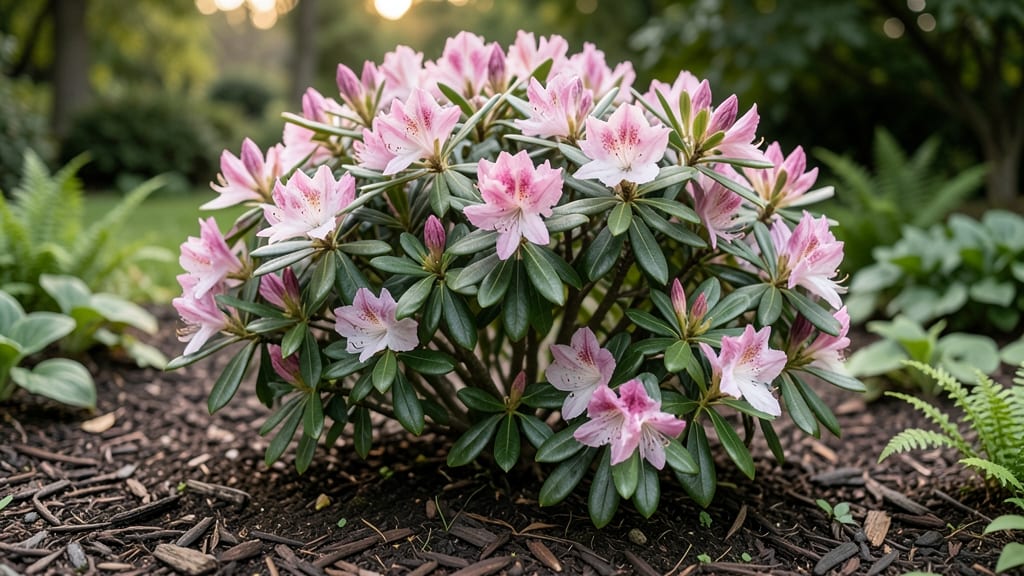
Outdoor azalea tree care starts with knowing these three secrets: when to prune, how much light they need, and the soil pH that makes them explode with blooms. 🌸 I’ve turned my once-sparse azaleas into a springtime spectacle by mastering these basics—no green thumb required.
The key is timing: prune right after flowering (late spring) to shape the shrub without cutting off next year’s buds. Most people wait too late, and the plant never recovers. Azaleas thrive in partial shade and acidic soil (pH 4.5-5.5)—test yours before planting, or amend with sulfur if needed.
By mid-summer, you’ll see fresh growth, and those buds will form for next spring. The payoff? Vibrant blooms for years with minimal effort. Even my neighbor’s neglected azalea perked up after a single pruning session.
Works for both evergreen and deciduous varieties, and the same rules apply whether you’re in Zone 5 or 9. Let’s get those shrubs thriving!
📚 In This Guide
- What you need
- Instructions
- Tips and common mistakes
- Wrapping up and next steps
What you need
- ● Pruning shears: Bypass pruners (sharp, clean, and 5-7 inches long) for clean cuts. Quantity: 1 (or 2 for large shrubs).
- ● Loppers: Bypass or anvil type (for thicker branches, 18-24 inches long). Quantity: 1.
- ● Hand pruners: Small, sharp pruners for delicate trimming. Quantity: 1.
- ● Gloves: Heavy-duty, cut-resistant (protects from thorns and sap). Quantity: 1 pair.
- ● Disinfectant: 70% isopropyl alcohol or bleach solution (1 part bleach to 9 parts water) to sterilize tools between cuts. Quantity: Small bottle or spray.
- ○ Pruning sealant: Optional but helpful for large cuts to prevent disease (e.g., tree wound paint). Quantity: Small tube.
- ● Mulch: Organic mulch (pine bark, wood chips, or shredded leaves, 2-3 inches deep). Quantity: Enough to cover the base.
- ● Watering can or hose: With a gentle spray nozzle for post-pruning hydration.
- ● Extension pole: For hard-to-reach branches (3-6 feet long).
- ● Safety glasses: Protects eyes from debris.
- ● Knee pads: For comfort during ground-level pruning.
- ● Pruning saw: For thick, woody stems (if needed).
- ● Fertilizer: Acid-loving plant fertilizer (e.g., 10-10-10 or azalea-specific) for post-pruning nourishment.
How to prune azaleas for year-round health and blooms
Here’s my battle-tested routine for keeping azaleas thriving—when to cut, how much to remove, and what to watch for.
✂️ Step 1: Prune Immediately After Spring Blooming
Azaleas bloom on last year’s growth, so the key is waiting until after flowers fade but before buds set for next year. I target mid-to-late May, when spent blooms turn brown but new buds haven’t formed yet. Use sharp, clean pruners to make cuts just above a leaf bud or lateral branch—never leave stubs.
Remove only 1/3 of the oldest stems at the base. These are the thickest, woody branches that crowd out younger growth. Thin out crossing branches first—they rub against each other and create wounds. You’ll see the plant’s natural shape emerge as you work.
☀️ Step 2: Light Summer Pruning for Airflow
In June or July, do a quick check for dead, diseased, or weak branches. These stand out as brown, mushy, or spindly growth. Cut these out completely at the base. Avoid heavy pruning now—it triggers new growth that won’t harden off before winter.
Shape lightly by trimming the tips of leggy branches to encourage bushier growth. Never cut back into old wood—you’ll sacrifice next year’s blooms. A good rule: if the branch is thicker than your thumb, leave it alone.
🌿 Step 3: Fall Cleanup for Winter Prep
Late September to early October is the time to tidy up. Remove any suckers or water sprouts—those fast-growing, weak stems that pop up at the base. These drain energy from the main plant. Cut them at the ground level with clean pruners.
Apply a 2-3 inch layer of mulch around the base (but not touching the trunk) to protect roots. Azaleas hate winter soil heaving, so this keeps them stable. Now’s also the time to fertilize lightly with an acid-loving plant formula—just follow package rates.
⏰ Step 4: Winter Inspection and Adjustments
During dormancy (December–February), check for damaged branches from ice or snow. Prune these out immediately—dead wood holds pests and diseases. Avoid heavy pruning now, but you can lightly shape if needed. The plant’s energy is focused on root growth, so let it rest.
Watch for buds swelling in late winter—this is your signal to stop pruning. Any cuts after February risk removing next year’s flower buds. A light trim to open the center is fine, but keep it minimal.
Tips & tricks for perfect azalea pruning
A few strategic adjustments will help you transform your azaleas from struggling shrubs to showstopping bloomers year after year.
Timing is Everything: The mid-to-late May window for Step 1 pruning is non-negotiable—this is when azaleas complete their spring bloom cycle without compromising next year's buds. I've seen gardeners accidentally prune too early and lose their entire next season of flowers. Watch for those spent blooms to turn completely brown while new buds remain tightly closed. This visual cue is your perfect signal to start.
Tool Quality Matters: Sharp, clean pruners are non-negotiable for healthy cuts. Dull tools crush stems instead of making clean cuts, which invites disease. I keep a pair of bypass pruners specifically for azaleas and sterilize them with rubbing alcohol between cuts. For thicker branches (over ½ inch), switch to loppers—but never use hedge shears, which tear rather than cut cleanly. This attention to detail prevents those ugly ragged edges that mar your plant's appearance.
Pruning Physics: When removing ⅓ of the oldest stems in Step 1, focus on the thickest, most woody branches at the base. These are the ones crowding out younger growth. The "thumb test" from Step 2 works perfectly here too—any branch thicker than your thumb should be prioritized for removal. This creates that magical open center that lets sunlight and air circulate, preventing fungal issues and encouraging new growth from the base up.
Seasonal Maintenance: The 2-3 inch mulch layer in Step 3 isn't just decorative—it's your azalea's winter blanket. I've seen too many gardeners skip this step only to have their plants heave out of the ground during freeze-thaw cycles. Use pine bark or wood chips (never dyed mulch) and keep it 2-3 inches deep but clear of the trunk. This simple layer can mean the difference between a plant that survives winter and one that thrives through it.
Pro Tips for Azalea Tree Care Outdoor
- A few strategic adjustments will help you transform your azaleas from struggling shrubs to showstopping bloomers year after year.
- Timing is Everything: The mid-to-late May window for Step 1 pruning is non-negotiable—this is when azaleas complete their spring bloom cycle without compromising next year's buds.
- Tool Quality Matters: Sharp, clean pruners are non-negotiable for healthy cuts.
Frequently asked questions
Got questions about keeping your azalea trees thriving? Here are some of the most common concerns—plus straightforward answers to help you care for these stunning shrubs with confidence!
When is the best time to prune azalea trees?
Prune azaleas right after they finish blooming (typically late spring to early summer). This timing encourages fresh growth and next year’s flowers. Avoid heavy pruning in fall or winter, as it can stress the plant before dormancy. Light shaping in late winter (before buds swell) is fine, but never prune in bloom—you’ll sacrifice next year’s flowers!
How much can I trim my azalea without hurting it?
Azaleas tolerate 1/3 of their growth removed per year, but avoid drastic cuts. Focus on dead, diseased, or crossing branches first. For shaping, trim just outside the bud at a 45° angle. Over-pruning (more than 1/3) can weaken the plant and reduce blooms. Pro tip: Use clean, sharp shears to prevent tearing!
Do azaleas need special care after pruning?
Yes! After pruning, water deeply to help recovery, especially in dry spells. Mulch around the base (2–3 inches) to retain moisture and protect roots. Avoid heavy fertilizer right after pruning—wait 6–8 weeks to let the plant recover. Bonus: A light layer of organic mulch (like pine bark) also mimics their natural acidic soil preferences!
Why aren’t my azaleas blooming after pruning?
Bloom issues often stem from over-pruning, poor soil pH (they love acidic soil, pH 4.5–6.0), or lack of sunlight (they need partial shade). Check for buds forming in late winter—if none appear, adjust care. Fix it: Test soil pH, fertilize with acid-loving plant food, and ensure they get 4–6 hours of morning sun.
Can I grow azaleas in containers, or do they need to be planted in the ground?
Azaleas thrive in large containers (15+ gallons) with well-draining, acidic soil. Use a mix of peat moss, pine bark, and perlite. Container-grown azaleas need regular watering (they dry out faster) and annual repotting to refresh soil. Pro move: Move pots to a sheltered spot in winter if temps drop below 10°F!
What should I do if my azalea leaves turn yellow or brown?
Yellowing leaves often signal overwatering or poor drainage, while brown edges can mean underwatering, sunburn, or fungal issues. Check soil moisture (it should stay evenly damp, not soggy). If fungal disease (like powdery mildew) is the culprit, prune affected areas and treat with neem oil or fungicide. Prevent it: Space plants for airflow and avoid overhead watering!
Wrapping up and next steps
Caring for your azalea tree outdoors is all about patience, timing, and a little love—and you’ve got the perfect blueprint to make it thrive! 🌸 With the right tools, seasonal pruning know-how, and a watchful eye for pests or diseases, your shrub will reward you with stunning blooms year after year.
Remember, consistency is key, so schedule your maintenance and enjoy the process.
Ready to transform your garden? Start by marking your calendar for next year’s pruning sessions and take a moment to admire your hard work. Pro tip: Snap a photo of your azalea’s progress—it’s the best way to track growth and celebrate your green thumb! 🌿