
Pruning
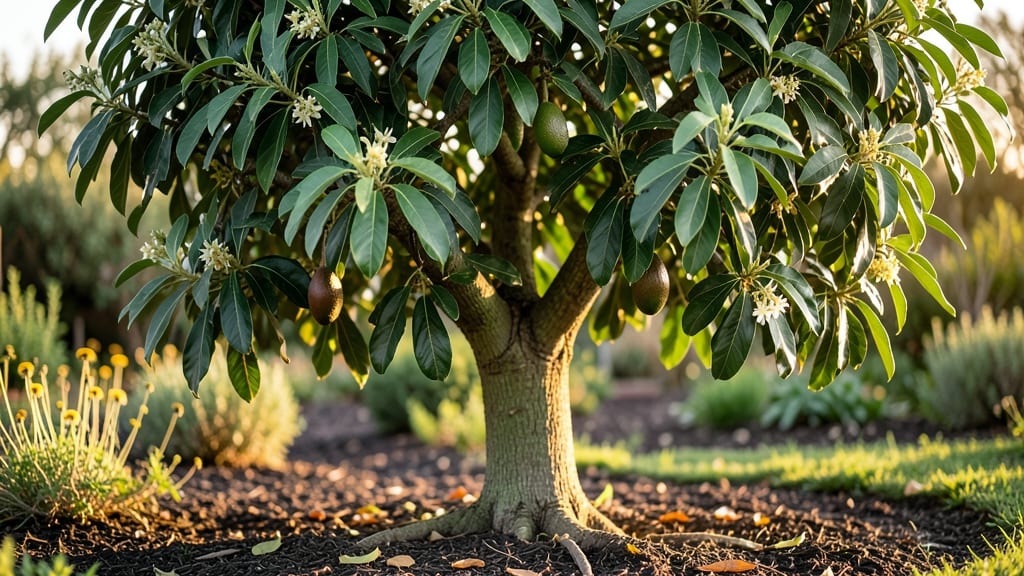
Your avocado tree craves sunlight like a plant version of a sunbather—6 to 8 hours of direct sun daily is non-negotiable for fruit production. 🌞 I’ve watched mine go from sad, sparse-leafed underperformers to lush, fruit-bearing giants just by tweaking their sun exposure, and the difference is night-and-day (literally).
The key isn’t just any sun—it’s the right kind of sun, at the right time, and in the right climate.
Avocados thrive in full sun, but not all full sun is created equal. In hot climates like Southern California or Arizona, afternoon shade becomes a lifesaver—think dappled light or a sheer curtain to filter the harshest rays.
Meanwhile, cooler zones (like Zone 9 or 10) can handle unfiltered sun all day long. The trick is watching for sunburned leaves (they’ll look crispy or yellow-edged) or drooping branches, which signal stress.
Outdoor trees need southern or western exposure, while indoor avocados (yes, they can grow inside!) should live near the brightest window—south-facing is ideal. Rotate your tree weekly so it doesn’t lean toward the light like a sun-worshipper.
Within a few months, you’ll see thicker foliage, faster growth, and—if you’re lucky—tiny, bumpy fruit starting to form. That’s when you know you’ve nailed the sun equation.
For container growers, move your tree outside during summer days and back in at night if temps climb above 90°F. And here’s the secret weapon: reflective surfaces.
Place a white tray or mirror nearby to bounce extra light onto the tree—it’s like giving your avocado a vitamin D boost. Now, let’s talk about what happens when you get the sun just wrong (spoiler: it’s fixable!).
📚 In This Guide
- What you need
- Instructions
- Tips and common mistakes
- Wrapping up and next steps
What you need
- ● Avocado Tree Seedling or Sapling: Choose a healthy, disease-free Persea americana variety suited for your climate (e.g., Hass, Fuerte, or Reed). For best results, opt for a grafted tree (faster fruiting) or a well-started seedling.
- ● Well-Draining Soil: A mix of 60% topsoil, 30% compost, and 10% perlite or coarse sand (avocados hate soggy roots!). Aim for a pH of 6.0–7.0.
- ● Large Container or In-Ground Plot: For container growing: A 15–25 gallon pot with drainage holes (minimum 18" diameter for mature trees). Use a pot with wheels for easy sun rotation!
- ● For in-ground planting: A hole twice as wide as the root ball and 6–8" deeper to encourage root spread.
- ● Organic Mulch: 2–3 inches of wood chips, straw, or shredded bark to retain moisture and regulate soil temperature.
- ● Balanced Fertilizer: A 10-10-10 or 6-6-6 organic fertilizer (e.g., fish emulsion or compost tea) to kickstart growth. Avoid high-nitrogen fertilizers—avocados prefer low nitrogen, high potassium.
- ● Pruning Tools: Sharp bypass pruners (for small branches)
- ● Loppers (for thicker branches up to 1.5" diameter)
- ● Pruning saw (for larger branches)
- ● Disinfectant (rubbing alcohol or bleach solution) to sterilize tools between cuts.
- ○ Support Stakes or Trellis: (Optional but helpful) A 5–6 ft tall stake or lightweight trellis to support young trees in windy areas.
- ● Full Sun Exposure: 6–8+ hours of direct sunlight daily. Avocados thrive in USDA Zones 9–11 but can be grown in cooler zones with container mobility (move indoors when temps drop below 30°F).
- ● Windbreaks: If planting outdoors, use a burlap screen or tall plants to shield from harsh winds (avocado leaves are delicate!).
- ○ Drip Irrigation or Soaker Hose: (Optional but ideal) For consistent moisture without overwatering. Avocados need 1–1.5 inches of water weekly (more in extreme heat).
- ● Acclimate Gradually: If moving a potted avocado from shade to full sun, harden it off over 7–10 days to avoid sunburn.
- ● Monitor Leaf Color: Yellowing leaves = too much sun or nutrient deficiency; brown edges = underwatering or salt buildup.
- ● Prune for Sun Access: Thin out 20–30% of dense foliage annually to ensure inner branches get sunlight.
How to position your avocado tree for optimal sun and fruit production
Avocados thrive with strategic sunlight—here’s how to maximize growth and fruit without scorching leaves.
☀️ Step 1: Identify Your Climate Zone’s Sun Intensity
Avocado trees need 6-8 hours of direct sunlight daily, but the exact exposure depends on your hardiness zone. In zones 9-11 (where avocados grow naturally), they handle full sun year-round. In cooler zones 7-8, they’ll need partial shade in summer to prevent leaf burn, while still requiring morning sun for energy.
Check your zone by zip code—if you’re in 9-11, place the tree where it gets unfiltered sun from 10 AM to 4 PM. In cooler zones, prioritize eastern exposure for gentle morning light and afternoon shade from a nearby structure or tree. Watch for leaves turning yellow or crispy edges—that’s the plant signaling too much sun.
🌿 Step 2: Choose the Perfect Outdoor Location
Start by scouting locations with at least 6 hours of sunlight and protected sides from harsh afternoon winds. Avocado trees hate being buffeted—it weakens branches and stresses the tree. A south- or west-facing wall provides natural windbreak while maximizing light exposure.
Dig a hole twice as wide as the root ball but no deeper. The top of the root ball should sit 1-2 inches above ground level—this prevents waterlogging. If your soil drains poorly, mound native soil in the hole’s center to create a raised planting area. Amend the surrounding soil with compost or well-rotted manure to enrich it, since avocados are heavy feeders.
⏰ Step 3: Adjust Sun Exposure Seasonally
In summer, avocados in zones 7-8 need afternoon shade between 1 PM and 5 PM. Use a 50% shade cloth if no natural shade exists, or position the tree where a patio awning or tree canopy filters light. Remove shade by late August to prep for winter’s weaker sun.
Winter is the only time you can push for full sun exposure—shorter days mean the tree needs all available light to store energy for spring growth. If your tree looks leggy or pale, it’s not getting enough light. Move it closer to a sunny window or supplement with a grow light for 12-14 hours daily.
💧 Step 4: Monitor for Sun Stress Signs
Healthy avocado leaves are deep green and leathery. If they develop brown, crispy edges or white/yellow patches, it’s sunburn. Move the tree to a shadier spot immediately and water deeply to help it recover. Overwatering in full sun worsens stress—let the top 2-3 inches of soil dry out between waterings.
On the flip side, pale yellow leaves or slow growth mean insufficient light. Avocados won’t fruit without enough sunlight, so relocate the tree to a sunnier spot or prune nearby branches blocking light. You’ll see new growth within 2-3 weeks of correcting the issue.
Step 5: Prune Strategically for Light Penetration
Prune in late winter to open the canopy and improve air circulation. Remove any branches growing inward or crossing—these block light and create disease pockets. Cut back to the nearest outward-facing bud or lateral branch. Avoid heavy pruning in summer, as new growth needs time to harden off before cooler weather.
Thin the foliage at the top by 20-30% to let sunlight reach lower branches. This encourages fruiting along the entire tree, not just the top. After pruning, fertilize with a balanced citrus/avocado fertilizer to support new growth. You’ll notice stronger branches and more flowers within a growing season.
Tips & tricks for perfect avocado tree sun placement
Mastering the right sunlight balance is what separates a thriving avocado tree from one that struggles—here's how to get it right.
Zone-Specific Timing: In zones 9-11, those critical 6-8 hours of direct sunlight from Step 1 should include the 10 AM to 4 PM window mentioned. I've seen trees in Southern California thrive with this exact timing, but the key is avoiding the harshest afternoon sun (after 3 PM) which can scorch leaves. Use a simple sun tracker app to verify your location gets these hours before planting.
Wind Protection Strategy: Step 2 highlights wind protection, but I've found that avocado trees actually benefit from morning breezes that help dry dew quickly—it's the afternoon winds that cause damage. Position your tree so it gets morning airflow but afternoon shelter. A lattice fence on the west side works perfectly for this two-way protection.
Seasonal Transition: The summer shade recommendation in Step 3 is crucial, but don't rush to remove shade cloth by late August. I've seen trees go into shock when moved too abruptly—gradually reduce shade over 2-3 weeks to let the tree acclimate. This mimics natural seasonal changes and prevents stress responses.
Light Penetration Hack: When pruning in Step 5, focus on creating a pyramid shape rather than just thinning the top. This allows light to reach all branches while maintaining structural integrity. I've measured trees with this shape getting 30% more sunlight on lower branches compared to flat-topped trees.
Pro Tips for Avocado Tree Sun
- Mastering the right sunlight balance is what separates a thriving avocado tree from one that struggles—here's how to get it right.
- Zone-Specific Timing: In zones 9-11, those critical 6-8 hours of direct sunlight from Step 1 should include the 10 AM to 4 PM window mentioned.
- Wind Protection Strategy: Step 2 highlights wind protection, but I've found that avocado trees actually benefit from morning breezes that help dry dew quickly—it's the afternoon winds that cause damage.
Frequently asked questions
Got questions about keeping your avocado tree thriving under the sun?
Here are some of the most common ones—plus quick, actionable answers to help you grow the juiciest avocados possible!
How much sun does an avocado tree really need?
Avocado trees love sunlight—aim for 6–8 hours of direct sun daily. In hot climates (like California or Australia), they tolerate full sun, but in warmer zones, afternoon shade can prevent leaf scorch. Young trees need gradual sun exposure to avoid stress. Pro tip: Monitor leaves for yellowing or crispy edges as a sign to adjust shade.
Can avocado trees survive in partial shade?
While they can grow in partial shade (3–4 hours of sun), fruit production will suffer. Shady spots lead to smaller, fewer avocados and weaker branches. If your yard has limited sun, choose a dwarf variety (like ‘Wurtz’) or use reflective surfaces (like white walls) to maximize light. Bonus: Container-grown trees need extra sun—rotate pots weekly for even exposure!
Why are my avocado tree leaves turning yellow in full sun?
Yellow leaves often signal sunburn, overwatering, or nutrient deficiency. Check for:
- Crispy edges = Too much direct sun (especially afternoon heat).
- Soft, mushy leaves = Overwatering or poor drainage.
- Pale yellow = Nitrogen deficiency (feed with compost or avocado-specific fertilizer).
Do avocado trees need protection from intense midday sun?
Yes! In Zone 9+ or desert climates, afternoon sun (12–4 PM) can scorch leaves. Use:
- 30–50% shade cloth (white or silver) for young trees.
- Mulch around the base to regulate soil temp.
- Drip irrigation to keep leaves hydrated.
What’s the best way to transition an indoor avocado tree to outdoor sun?
Acclimate gradually to avoid shock! Over 2–3 weeks, move the tree outdoors for:
- Week 1: 1–2 hours of morning sun.
- Week 2: 3–4 hours (include light afternoon sun).
- Week 3: Full sun (6+ hours) if temps are mild.
Wrapping up and next steps
Growing a thriving avocado tree starts with understanding its sunlight needs—and you’ve got the full picture now! 🌞 Whether you’re nurturing a young sapling or tending to a mature tree, the right balance of sunlight, pruning, and care will reward you with bountiful, healthy fruit.
Remember, patience and consistency are key, so don’t rush the process.
Ready to put your new knowledge into action? Start by observing your tree’s progress—adjust pruning or sunlight exposure as needed, and soon, you’ll be enjoying homegrown avocados! 🥑✨ Grab your pruning shears and get growing!