
Trees
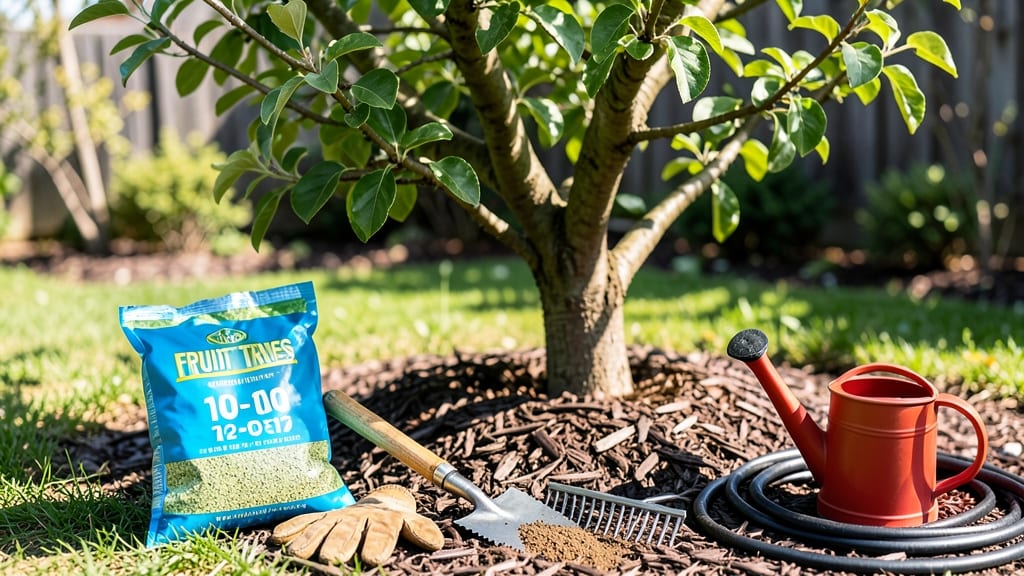
Fertilizing your Asian pear tree with the right asian pear tree fertilizer is the key to bigger, sweeter fruit and a healthier tree—here’s how to do it without burning the roots or wasting money.
Picture this: You’ve spent months nurturing your Asian Pear Tree, only to watch tiny, underwhelming fruits form where juicy, ripe pears should be. The issue isn’t always water or sunlight—it’s often what’s missing (or overdone) in the soil.
A precise fertilizer schedule can turn that disappointment into a bountiful harvest, but timing and type matter just as much as the amount.
In this guide, I’ll walk you through the best organic and synthetic fertilizers for your tree, when to apply them (and when to skip them entirely), and how to spot signs of over- or under-fertilization before they stunt your tree’s growth.
Whether you’re in Zone 6 or a warmer climate, these steps will keep your Asian Pear Tree thriving year after year.
You’ll learn how to feed your tree in spring for explosive growth, adjust mid-summer for fruit development, and avoid the common pitfalls that leave gardeners scratching their heads come harvest time. Let’s get started.
Best fertilizers for Asian pear trees by nutrient type
Choosing the right fertilizer for Asian pear trees is key to unlocking that sweet, abundant harvest you dream of. These trees thrive on a balanced nutrient mix, especially during fruit-bearing seasons.
Whether you prefer organic options or synthetic blends, understanding the NPK ratios and micronutrients will make all the difference in your tree's productivity.
Asian pear trees (Pyrus pyrifolia) need three primary nutrients: nitrogen (N) for leafy growth, phosphorus (P) for root and flower development, and potassium (K) for fruit quality.
But don't overlook micronutrients like boron, zinc, and magnesium, which are critical for preventing fruit drop and ensuring strong cell walls. Let’s break down the best fertilizer types and how to use them effectively.
Organic fertilizers like compost, manure, and fish emulsion release nutrients slowly, improving soil health over time. Synthetic fertilizers, on the other hand, provide immediate results but require careful monitoring to avoid over-fertilization. For Asian pears, a 10-10-10 NPK ratio is ideal during early growth, while a 5-10-10 or 6-12-12 blend works better during fruit development.
| Fertilizer Type | NPK Ratio | Best For | Application Time | Micronutrients |
|---|---|---|---|---|
| Compost | Varies (organic matter) | Soil health, slow release | Spring and fall | Boron, zinc, magnesium |
| Fish Emulsion | 5-1-1 (organic) | Early growth, leafy foliage | Early spring | Nitrogen, trace minerals |
| 10-10-10 Synthetic | 10-10-10 | Balanced growth, young trees | Early spring and mid-summer | None (add micronutrients separately) |
| 5-10-10 or 6-12-12 | 5-10-10 or 6-12-12 | Fruit development, mature trees | Late spring to early summer | Boron, magnesium |
| Epsom Salt (Magnesium Sulfate) | 0-0-0 (micronutrient) | Leaf health, fruit quality | Early summer (foliar spray) | Magnesium |
| Borax (Boron) | 0-0-0 (micronutrient) | Prevents fruit drop | Pre-bloom (late winter) | Boron |
For young Asian pear trees, I recommend starting with a 10-10-10 fertilizer in early spring to promote strong root and leaf growth. Once your tree begins flowering, switch to a 5-10-10 or 6-12-12 blend to support fruit development.
These ratios ensure your tree gets enough phosphorus and potassium without overloading it with nitrogen, which can lead to excessive foliage at the expense of fruit.
Micronutrients like boron and zinc are often overlooked but are vital for Asian pears. Boron, for example, helps prevent fruit drop and improves cell wall strength. A light application of borax in late winter can work wonders. Similarly, Epsom salt (magnesium sulfate) can be sprayed on leaves in early summer to prevent yellowing between veins, a sign of magnesium deficiency.
In cooler climates like USDA Zones 6-7, opt for slow-release fertilizers or organic options to prevent nutrient runoff during heavy rains. In warmer zones (8-9), you can use liquid fertilizers like fish emulsion every 4-6 weeks for a quick nutrient boost.
Always water your tree deeply after applying fertilizer to help nutrients penetrate the soil and avoid root burn.
One common mistake is over-fertilizing in late summer or fall, which can stimulate new growth that won’t harden off before winter. Instead, focus on light feedings in early spring and mid-summer, then let your tree rest in the off-season.
This approach ensures your Asian pear tree stays healthy, productive, and ready for another bountiful harvest.
If you notice yellowing leaves or small, misshapen fruit, it’s a sign your tree needs a micronutrient boost. Test your soil annually to check pH levels—Asian pears prefer a slightly acidic to neutral soil (pH 6.0-7.0).
If your soil is too alkaline, consider adding sulfur or peat moss to adjust the pH and improve nutrient uptake.
For container-grown Asian pear trees, use a well-draining potting mix with added compost and a balanced slow-release fertilizer. These trees need more frequent feeding—every 3-4 weeks during the growing season—since nutrients leach out
Seasonal fertilizer schedule for Asian pear trees
Your Asian pear tree thrives on a precision fertilizer schedule that matches its growth cycles. Unlike annuals, fruit trees like Pyrus pyrifolia need nutrient pulses timed with dormancy, bloom, and harvest phases. Skipping steps—like feeding too late in summer—can reduce fruit quality or stress the tree before winter.
I’ve broken this down into quarterly milestones with clear cues like bud swell and leaf color changes to guide your timing.
Start by testing your soil’s pH (6.0–7.0 ideal) and organic matter. Most Asian pears grow best in well-draining, slightly acidic soil. If your soil lacks nutrients, amend it with compost or aged manure before applying fertilizers.
For established trees, focus on balanced NPK ratios (10-10-10) with micronutrients like boron and zinc, which prevent blossom-end rot and improve fruit set.
Apply slow-release fertilizer (e.g., 10-10-10) when buds swell slightly (Zone 6: early Feb). Focus on phosphorus to kickstart root growth. Avoid synthetic fertilizers if soil is cold and wet—opt for compost tea instead.
Switch to a high-nitrogen fertilizer (e.g., 12-6-6) when first leaves emerge. This fuels leaf and flower production. For organic growers, use fish emulsion or alfalfa pellets. Water deeply after application to prevent root burn.
Use a balanced fertilizer (10-10-10) when fruit begins to form (3–4 weeks post-bloom). Add micronutrients (e.g., boron spray) to prevent blossom drop. Reduce nitrogen now to avoid leafy growth at fruit’s expense.
Apply a low-nitrogen, high-potassium fertilizer (5-10-10) after harvest to strengthen wood and roots. This phase is critical for next year’s bloom. Avoid fertilizing after August to let the tree harden off for winter.
No fertilizing during this period. Focus on mulching (3–4 inches) with wood chips to insulate roots. If your tree is young or struggling, apply compost in early spring instead of synthetic fertilizers.
Pro tip: Use visual cues to time your feedings. For example, when 50% of buds are open (early spring), it’s time for your pre-bloom nitrogen boost. Similarly, yellowing leaves in summer may signal a need for iron or magnesium—test your soil if this persists.
Always water before and after applying fertilizer to protect roots.
For container-grown Asian pears, halve the fertilizer amounts and feed every 4 weeks from spring to summer. Containers dry out faster, so flushing with water monthly helps prevent salt buildup. If your tree is newly planted, skip the first year’s fertilizer—focus on root establishment instead.
Remember, over-fertilizing is a common mistake that leads to burned roots, excessive foliage, and poor fruit quality. Stick to the schedule, and your Asian pear tree will reward you with abundant, sweet fruit for decades. 🍐🌿