
Pruning
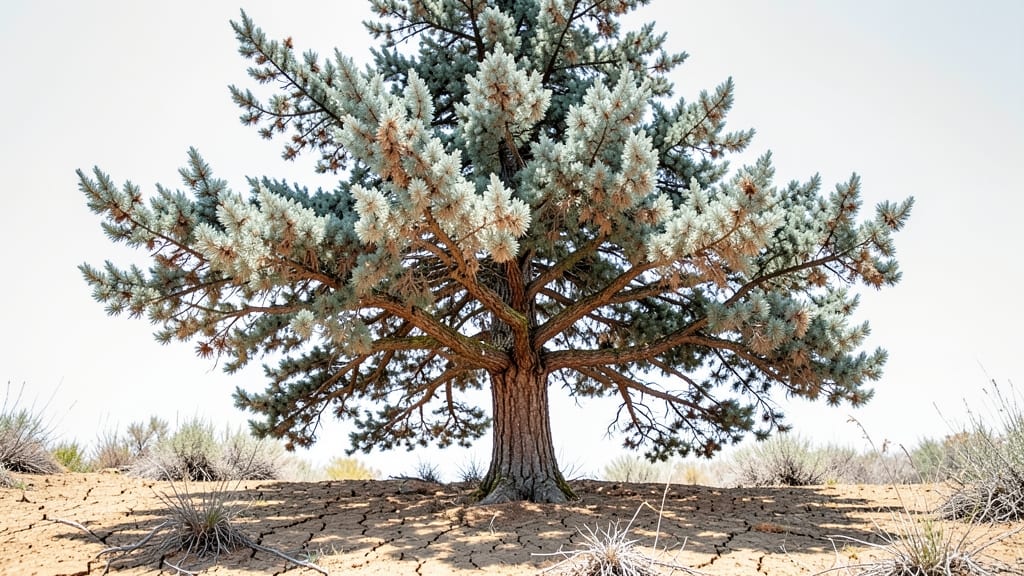
Arkansas's diverse ecosystems support stunning native trees that thrive year-round. These ten species offer beauty, resilience, and ecological benefits for any landscape, from urban yards to rural homesteads.
Southern Magnolia for Fragrant Evergreen Elegance
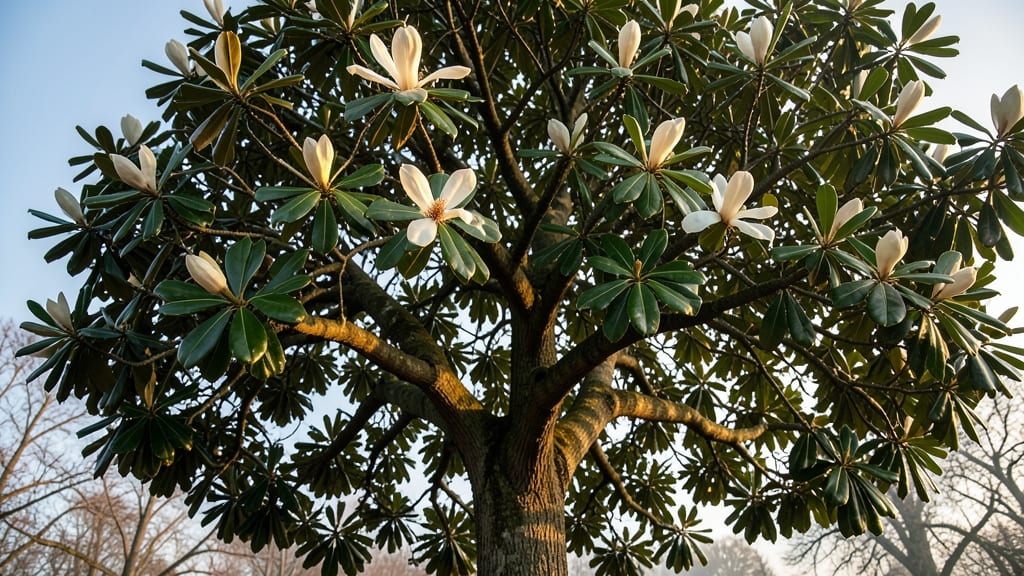
If you crave a tree that delivers year-round drama with almost no effort, the Southern Magnolia (Magnolia grandiflora) is Arkansas’s answer. This evergreen giant thrives in the state’s humid climate, offering glossy, leathery leaves that stay lush through winter and intoxicatingly fragrant white blooms in late spring—all while attracting bees, butterflies, and hummingbirds.
Plant it in full sun to partial shade with well-drained soil (it tolerates Arkansas’s clay-heavy soils better than many natives). Space saplings 20-30 feet apart for privacy screens, as they grow 60-80 feet tall at maturity. The key to minimal maintenance? Water deeply but infrequently once established—this drought-tolerant beauty handles Arkansas’s heat with ease. Prune only to shape, as its natural form is already stunning.
Perfect for homeowners who want low-maintenance shade without sacrificing beauty, Southern Magnolias also add value to properties. Their timeless elegance makes them a top choice for historic Arkansas homes and modern landscapes alike. 🌟
Eastern Redbud for Early Spring Color
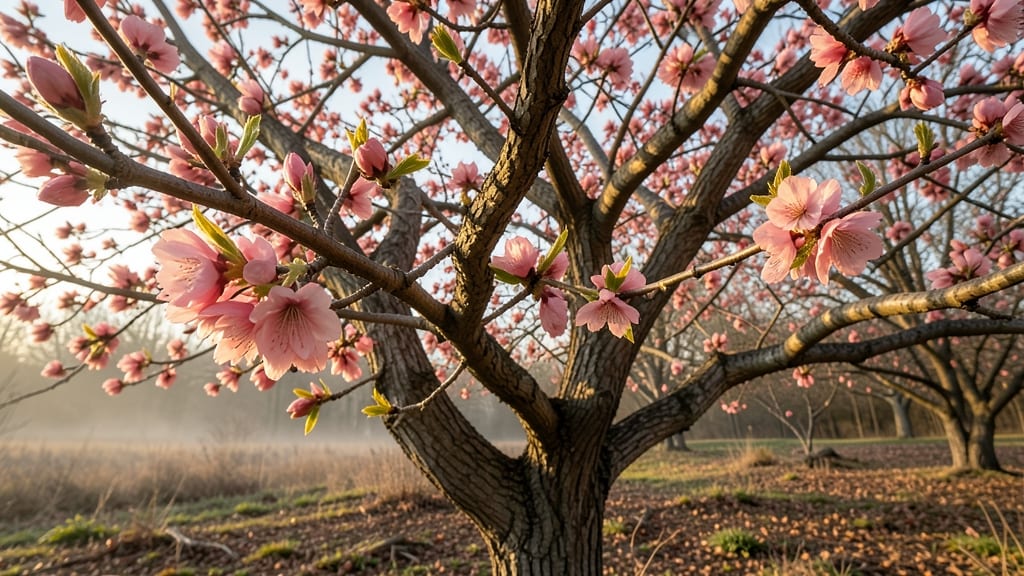
When Arkansas’s mild winters wake the land with a burst of color, the Eastern Redbud (Cercis canadensis) steals the show. This fast-growing understory tree bursts into vibrant pink blooms before its heart-shaped leaves even appear—a stunning spectacle that lasts just 1-2 weeks in early spring.
Perfect for small spaces, it thrives in partial shade to full sun and tolerates a range of soil types, including Arkansas’s common clay-heavy soils. Plant it near patios or garden edges where you can enjoy its pollinator-friendly flowers, which attract bees and butterflies. Mature trees reach 20-30 feet but can be pruned to maintain a compact form, making them ideal for urban gardens.
This low-maintenance tree is a must-have for gardeners who want early-season color without the upkeep of larger specimens. Its adaptability and cheerful blooms make it a standout for both beginners and experienced landscapers. 🌟
Pignut Hickory for Nut-Producing Strength
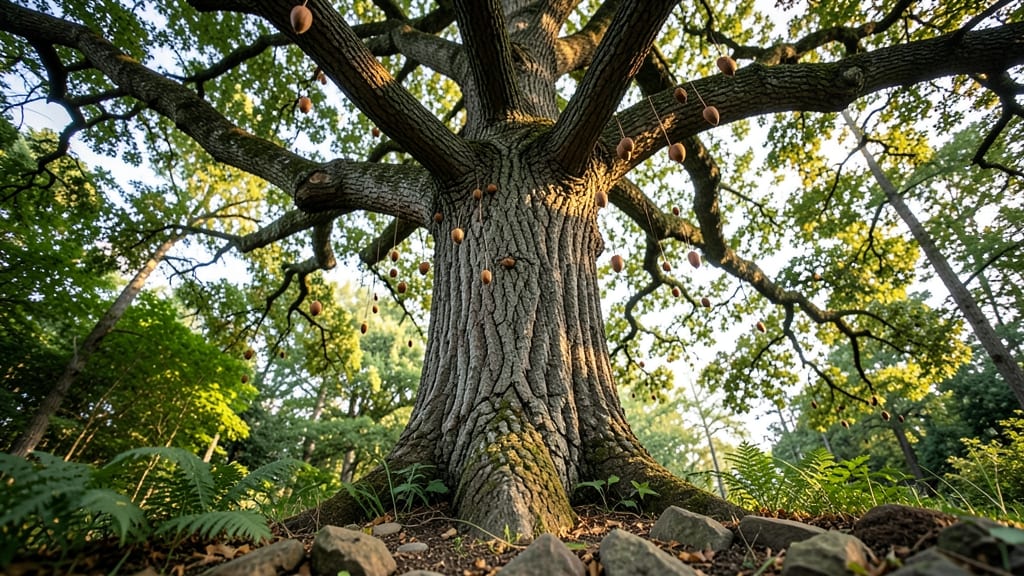
Looking for a low-maintenance Arkansas tree that rewards you with edible nuts while improving your soil? The pignut hickory (Carya glabra) is your answer—a tough, native workhorse that thrives in poor, rocky soil where other trees struggle.
This understory tree grows 40–60 feet tall and produces small, bitter-sweet nuts in fall, prized by wildlife (and humans who roast them). Unlike its cousin the shagbark hickory, pignut hickory tolerates drought, shade, and clay-heavy Arkansas soils, making it ideal for food forests or wildlife habitats. Plant it in full sun to partial shade for best nut production.
Perfect for homesteaders, permaculture gardens, or naturalists restoring native ecosystems, this tree adds year-round structure with its golden autumn foliage. 🌱
American Holly for Year-Round Structure
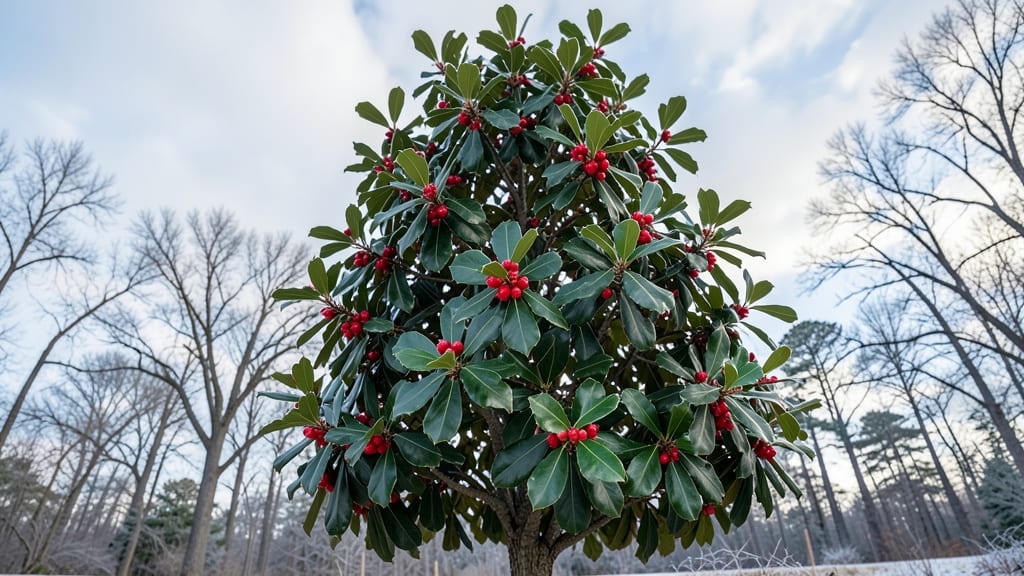
When Arkansas winters strip most landscapes bare, American holly stands tall with its glossy evergreen leaves and vibrant red berries, offering year-round structure and color. This native evergreen thrives in Arkansas’s climate, making it a standout choice for both formal gardens and natural woodlands.
Holly prefers full sun to partial shade and adapts well to Arkansas’s acidic, well-drained soils—common in the state’s wooded areas. Its dense growth makes it ideal for hedges or accent plantings, while the berries provide a vital food source for birds during harsh winters. Prune lightly in late winter to maintain shape and encourage bushier growth.
Perfect for gardeners seeking low-maintenance evergreens that double as wildlife magnets, American holly brings both beauty and function to Arkansas landscapes. 🌟
Sweetgum Tree for Dramatic Fall Foliage
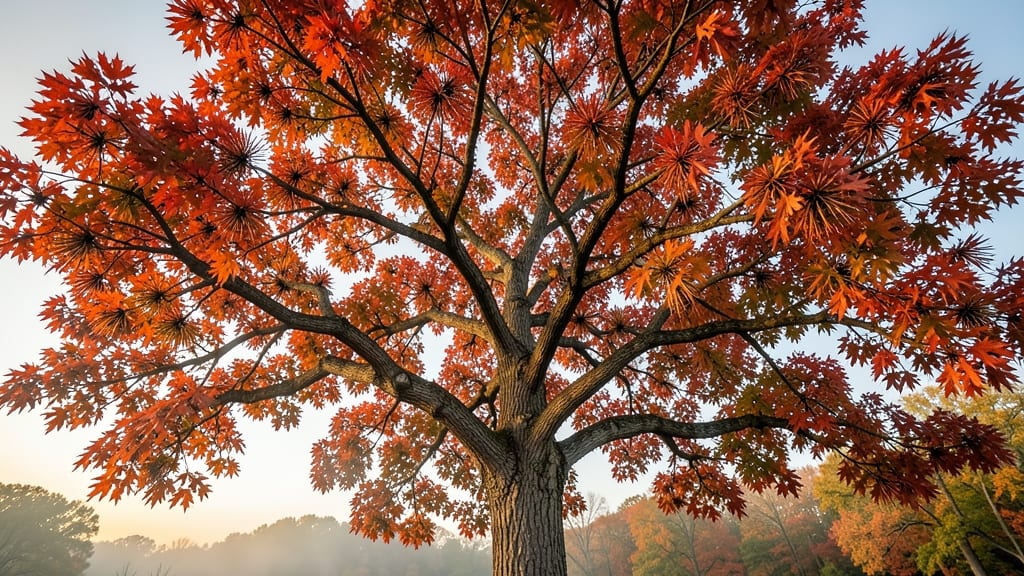
If you’re craving a dramatic seasonal show without the fuss of exotic imports, the sweetgum tree (Liquidambar styraciflua) delivers fiery red and orange foliage that steals the spotlight in fall. This fast-growing Arkansas native grows 3-5 feet per year, making it ideal for quickly transforming large yards or park landscapes into autumn masterpieces.
Sweetgums thrive in full sun to partial shade and adapt to a wide range of soils, including Arkansas’s common clay-heavy grounds. Their star-shaped leaves (a dead giveaway for identification) create a dappled canopy in summer, while their spiky seed balls add texture year-round. Prune young trees to remove branches at the base to prevent tripping hazards—these "gumballs" can become a nuisance when they drop.
Landscape designers love sweetgums for their bold seasonal impact and low-maintenance nature, but they’re especially great for homeowners who want to support local ecosystems. Plant one as a focal point near patios or walkways to enjoy its fall glory up close. 🌻
Black Cherry for Wildlife Support
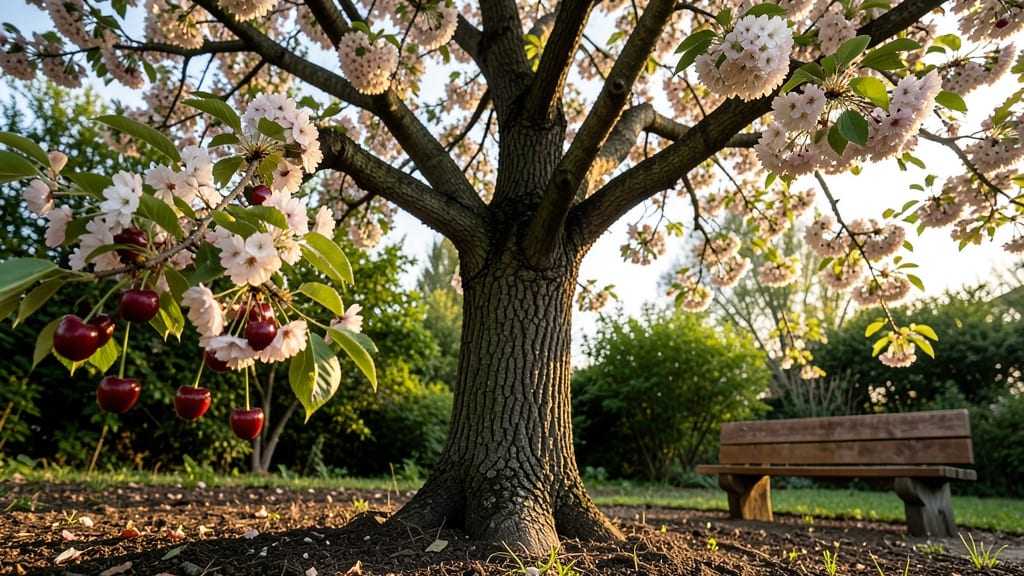
Want a tree that doubles as a wildlife magnet and a sustainable building material? The black cherry delivers both with its fragrant spring blooms and edible summer fruit, while its prized wood becomes furniture after harvest.
Plant it in full sun with well-drained soil, and you’ll attract birds, butterflies, and bees throughout the growing season. The tree’s dark red bark and glossy leaves add year-round interest, while its fruit feeds wildlife in late summer. Prune annually to maintain shape and remove dead branches—just avoid heavy pruning during the growing season to preserve its natural form.
This versatile tree thrives in Arkansas’s climate and offers a sustainable resource for local woodworkers. Perfect for eco-conscious gardeners who want beauty, function, and wildlife support in one package. 🌟
Swamp Chestnut Oak for Wetland Resilience
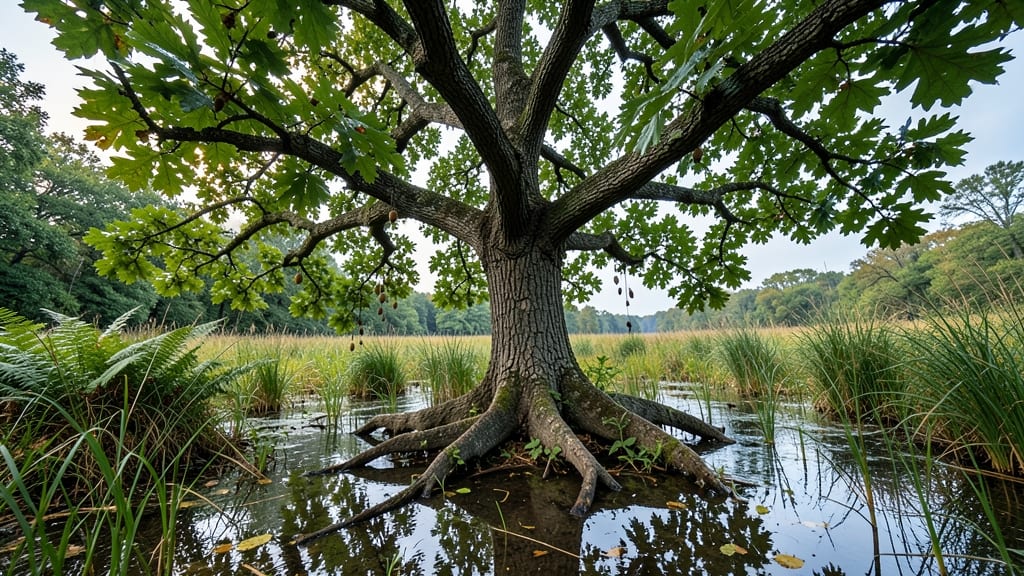
If your Arkansas landscape includes soggy spots or you’re dreaming of a wildlife-friendly rain garden, the Swamp Chestnut Oak is your ideal native solution. This hardy tree thrives in moist, even waterlogged soils—where many plants fail—while providing year-round structure and food for local wildlife.
Known for its lobed leaves and abundant acorns, this oak grows 60–80 feet tall with minimal care once established. It tolerates partial shade to full sun, making it versatile for pond edges, wetland restoration, or low-lying areas. The acorns feed squirrels, ducks, and turkeys, turning your yard into a mini ecosystem. Plus, its deep roots help stabilize soil and filter runoff.
Perfect for gardeners who want low-maintenance beauty without sacrificing ecological benefits, this tree is especially great for Arkansas’s humid climate. Plant it in spring for a future canopy that’s both resilient and rewarding. 🌱
Carolina Silverbell for Delicate Spring Flowers
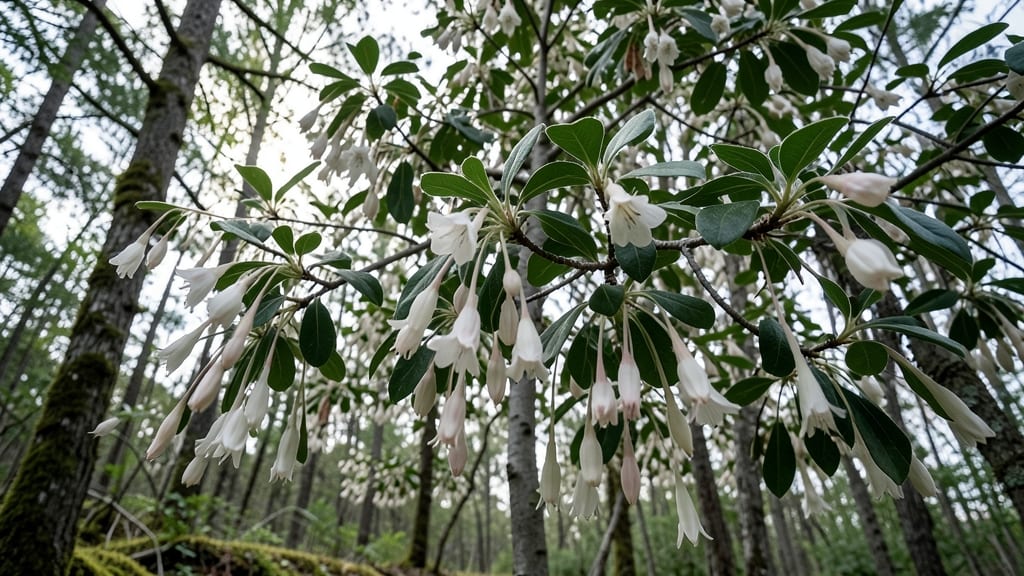
If your Arkansas garden has shady spots where most plants struggle to thrive, Carolina Silverbell (Halesia carolina) is the understated star you’ve been missing. This native understory tree transforms dull corners into ethereal spring displays with its cascading bell-shaped white flowers, each dangling like tiny chimes in the breeze.
Thriving in partial to full shade, Carolina Silverbell tolerates Arkansas’s humid summers and acidic soils better than many ornamentals. Plant it 15–20 feet from structures or other trees, as it matures to 20–30 feet tall with a rounded canopy. The flowers appear in late spring, followed by small, edible fruits that birds adore—making it a dual-purpose beauty and wildlife magnet.
Perfect for gardeners seeking low-maintenance elegance, this tree requires minimal pruning and handles drought once established. Urban gardeners with limited space will love its compact growth compared to larger shade trees. 🌷
Shortleaf Pine for Arkansas’s Native Forests
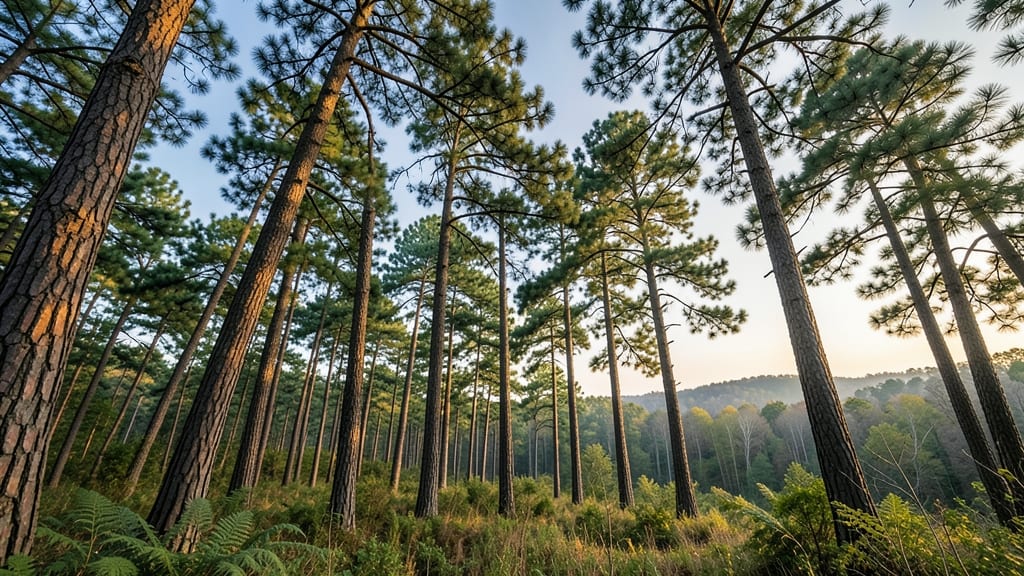
If you're looking to restore Arkansas’s historic pine forests or add a low-maintenance windbreak to your property, the shortleaf pine is your best bet. This fast-growing evergreen thrives in the state’s climate, offering both ecological benefits and practical landscape value.
Native to Arkansas’s upland forests, shortleaf pines grow 2-3 feet per year and tolerate poor, acidic soils—ideal for areas where other trees struggle. Their dense foliage improves soil health by reducing erosion and providing organic matter as needles decompose, while their structure supports wildlife like songbirds, squirrels, and even endangered red-cockaded woodpeckers.
Perfect for landowners restoring native ecosystems or those seeking a resilient, high-impact tree, shortleaf pines require minimal care once established. Plant them in full sun for optimal growth and watch them transform your landscape into a thriving forest. 🌟
Eastern Red Cedar for Drought Tolerance

When Arkansas summers stretch into months of drought conditions, the Eastern Red Cedar stands tall as your unsinkable landscape hero. Unlike thirsty ornamentals, this native evergreen thrives on neglect, making it the perfect choice for xeric landscapes where water conservation matters most.
With its blue-gray foliage and striking blue berries that persist through winter, this tree offers year-round structure while providing food for birds. Plant it on slopes or bare spots to prevent erosion—its deep roots stabilize soil while requiring minimal water once established. Even in urban yards, it handles heat and poor soil like a champ, growing at a steady pace of 1-2 feet annually.
Ideal for gardeners in Arkansas’s dry regions, this tree demands almost no maintenance beyond occasional pruning to shape its natural pyramid form. Whether you're restoring native habitats or simply reducing your water bill, the Eastern Red Cedar delivers beauty and resilience without the fuss. 🌿