
Pruning
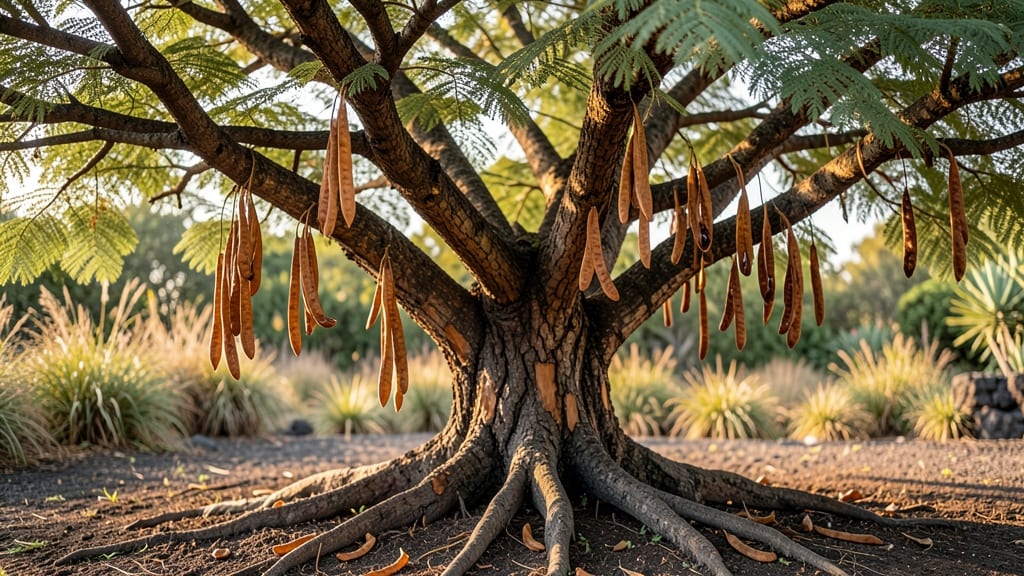
Those velvety acacia tree pods are nature’s own treasure chest—packed with seeds that can grow into stunning trees or even edible delights like gum arabic. 🌿 I’ve spent years watching these pods transform from green to brown, learning when to harvest them for propagation or preserving their unique properties, and I’m sharing everything I’ve discovered to help you do it right.
First, you’ll need to spot the perfect pods—look for the ones that’ve turned a rich, earthy brown and feel slightly papery to the touch, usually appearing in late summer or early fall.
Harvesting them at this stage ensures the seeds are mature enough to germinate but still fresh enough to preserve. Gently twist or cut them from the tree, being careful not to damage the branches or the pods themselves.
Once you’ve collected them, you’ve got options: you can dry the pods for decorative use, extract gum arabic from certain species like Acacia senegal, or even propagate new trees by soaking the seeds overnight before planting.
The key is patience—these pods hold the potential for years of growth, and handling them with care ensures you get the best results.
Whether you’re growing acacias for their beauty, their practical uses, or even their edible qualities, understanding how to work with these pods will take your gardening to the next level. Let’s get started on turning those pods into something extraordinary!
Natural Triggers Behind Pod Development
Acacia tree pods don’t just appear by chance—they’re the result of a fascinating interplay between biology, environmental cues, and the tree’s survival instincts. Understanding these triggers can help you encourage (or control) pod growth in your own garden. Here’s why these edible delights form in the first place:
Acacia pods begin their journey as flowers, and their development hinges on successful pollination. Most acacia species rely on specialized pollinators, like bees, wasps, or even birds, to transfer pollen from one flower to another.
For example: - Acacia koa (Hawaiian koa) depends on koʻa moths (Platalophora koae), which are so precise they can only pollinate koa flowers. - Acacia senegal (gum arabic acacia) attracts bees that collect nectar while inadvertently spreading pollen.
Why it matters: Without pollination, flowers wilt without forming pods. If you’re growing acacias for pods, ensure your trees are isolated from non-pollinating varieties or attract local pollinators with native flowering plants nearby.
Pod development is tightly linked to seasonal changes, particularly temperature and daylight. Most acacia trees follow this pattern: 1. Flowering occurs in spring or early summer, triggered by longer daylight hours and warming temperatures.
- Fertilized flowers swell into pods over 3–6 months, maturing as days grow shorter in late summer or fall.
- Cold snaps or drought can halt development, while consistent warmth and moisture speed it up.
Pro tip: 🌡️ If you’re in a warmer climate, pods may develop year-round, but they’ll still need moderate water (not soggy soil) to avoid splitting prematurely.
Acacia trees are nitrogen-fixers, meaning they pull nitrogen from the air (thanks to bacteria in their roots) to fuel pod production.
However, other nutrients play a role too: - Phosphorus supports root and pod development. - Potassium strengthens cell walls, preventing pods from cracking. - Calcium ensures proper pod structure (a deficiency can lead to blind pods—those that form but stay hard and empty).
Actionable fix: If your soil is poor, amend it with compost or a balanced fertilizer (like 10-10-10) in early spring to give trees a growth boost.
While not always harmful, pests and pathogens can indirectly trigger pod changes:
- Pod-boring insects (like certain beetles) may cause premature dropping, but light damage can sometimes stimulate early ripening in surviving pods.
- Fungal infections (e.g., Phytophthora root rot) weaken trees, leading to smaller or deformed pods.
- Over-pruning or drought stress can force trees to prioritize seed production over foliage, resulting in a heavy pod crop the following season.
Prevention tip: ✨ Monitor trees for yellowing leaves, wilting, or unusual pod shapes—these are red flags. Use neem oil for pests or mulch to retain moisture and reduce stress.
Not all acacia species produce pods equally—some are wildly prolific, while others barely bother.
Key genetic influences include: - Species traits: Acacia melanoxylon (blackwood) produces abundant, large pods, while Acacia dealbata (silver wattle) has smaller, less reliable yields. - Hybrid vigor: Crossbred acacias (like Acacia × saligna) may produce more pods due to hybrid strength. - Age of the tree: Young acacias (under 5 years) often prioritize root/foliage growth over pods, while mature trees (10+ years) go all-in on reproduction.
Grower’s note: If you’re after consistent pod harvests, choose fast-growing, high-yield varieties like Acacia senegal or Acacia farnesiana (sweet acacia), and give trees at least a decade to mature.
Acacia pods are drought-tolerant, but extreme water conditions can drastically alter their development:
- Excess water → Pods split open prematurely or rot (common in Acacia auriculiformis).
- Severe drought → Pods fail to mature or become woody and inedible.
- Irregular watering → Pods develop unevenly, with some staying green while others dry out.
Balancing act: 💡 Water deeply once a week during dry spells, but reduce frequency in rainy seasons. Drip irrigation is ideal—it delivers moisture directly to roots without wetting pods.
Pruning isn’t just about aesthetics—it directly impacts pod production:
- Heavy pruning in winter removes next year’s potential pod-bearing branches, leading to lower yields.
- Light pruning in late winter/early spring (before flowering) encourages new growth and more flowers.
- Removing old pods (even unripe ones) can trick the tree into producing more, as it senses fewer seeds are competing for resources.
Pruning pro tip: 🔪 Use clean, sharp shears to cut back 1/3 of the oldest branches annually, focusing on overcrowded or diseased wood. Avoid pruning during flowering season (when buds are forming).
Fixing Common Acacia Pod Problems
When your acacia tree pods aren’t turning out as expected—whether they’re falling prematurely, attracting pests, or failing to ripen—don’t panic! Most issues have simple, practical solutions. Below, we’ve mapped common problems to step-by-step fixes, plus prevention tips to keep your harvest thriving.
Cause: Overwatering, nutrient deficiencies, or stress from pruning too late in the season.
How to Fix It: 🔥 Adjust Watering – Acacia trees prefer drought-like conditions. Water deeply once a week (or less in dry climates) and avoid soggy soil. Let the top 2–3 inches dry out between waterings. 🍳 Fertilize Smartly – Use a low-nitrogen, high-phosphorus fertilizer (like 5-10-10) in early spring to encourage pod development. Avoid heavy nitrogen—it promotes leaves over fruit. 👨🍳 Prune at the Right Time – Trim branches after pod harvest (late fall/winter) to avoid stressing the tree during flowering or fruiting seasons.
Prevention Tip: 💡 Mulch with wood chips (2–3 inches) to retain moisture without suffocating roots—this mimics their natural, arid habitat.
Cause: Mealybugs, aphids, or fungal infections (like powdery mildew) can stunt pods or cause them to rot.
How to Fix It: 🔪 Spot-Treat Pests –
- Mealybugs/Aphids: Spray with neem oil (1 tbsp per gallon of water) or insecticidal soap. Repeat every 5–7 days until pests vanish.
- Scale Insects: Scrape off clusters with a soft brush and apply horticultural oil (follow label rates).
🌡️ Fungal Issues? –
- Remove infected pods/branches immediately and dispose of them in a sealed bag.
- Improve airflow by thinning dense foliage and watering at the base (not overhead).
Prevention Tip: ✨ Encourage natural predators—ladybugs and lacewings love acacia pests! Plant companion flowers (like marigolds) nearby to attract them.
Cause: Insufficient sunlight, immature trees, or harvesting too soon.
How to Fix It: ⏰ Wait for the Right Color – Most edible acacia pods (like Vachellia species) turn golden-brown to dark brown when ripe. A gentle tap should release seeds easily. 🌞 Boost Sunlight – If pods stay green, the tree may need more light. Prune nearby shade trees or relocate young saplings to a sunnier spot. 📊 Feed for Fruit Development – Add potassium-rich fertilizer (like wood ash or banana peel tea) in late summer to support ripening.
Pro Tip: 🎯 Harvest in stages—pods ripen unevenly. Pick only the fully brown ones and leave the rest to mature.
Cause: Young age, improper pollination, or lack of pruning to encourage flowering.
How to Fix It: 🌸 Be Patient – Acacia trees often take 3–5 years to bear pods. Focus on healthy growth first. 🐝 Hand-Pollinate (If Needed) – Use a soft brush to transfer pollen from one flower to another on mild, dry days (acacias rely on wind/insects). 🔪 Prune for Airflow – Thin out overcrowded branches to let sunlight reach the center, where flowers often form.
Prevention Tip: 💡 Plant multiple acacia varieties—some species (like Acacia senegal) cross-pollinate better, increasing pod yield.
Final Reminder: Consistency is key! Monitor your tree’s water, soil, and sunlight needs regularly, and you’ll enjoy a bountiful harvest year after year. 🌟
Frequently asked questions about Acacia tree pods
How do I know when acacia tree pods are ready to harvest?
Look for pods that have turned a rich, earthy brown color and feel slightly papery when touched. A gentle tap should release seeds easily. Most species mature in late summer or early fall, but timing varies by climate. Avoid harvesting green pods—they won’t be ready for propagation or preservation.
Can I eat acacia tree pods, or are they only for propagation?
It depends on the species! Some acacia pods, like those from Acacia senegal, contain gum arabic used in food and medicine, while others (like Acacia koa) are edible when cooked. Always research your specific variety—some contain toxins. For most ornamental acacias, pods are best used for seeds or decorative purposes.
What’s the best way to store harvested acacia pods?
For long-term storage, place dry pods in a paper bag or breathable fabric sack and keep them in a cool, dry place. Avoid plastic—it traps moisture and can cause mold. If storing seeds, remove them from pods and refrigerate in an airtight container for up to 1 year. For decorative use, hang pods in bundles to dry completely first.
Why are my acacia pods falling off the tree before they ripen?
Premature pod drop is often caused by overwatering, nutrient deficiencies, or pest damage. Check for mealybugs or aphids and treat with neem oil. Reduce watering to once a week and fertilize with a low-nitrogen, high-phosphorus blend (like 5-10-10) in early spring. Prune lightly in late winter to avoid stressing the tree during flowering.
How long does it take for acacia seeds from pods to germinate?
Germination time varies by species but typically takes 2–4 weeks under ideal conditions. Soak seeds overnight in lukewarm water before planting in well-draining soil. Keep the soil consistently moist (not soggy) and place in a warm, sunny spot. Some acacias, like Acacia dealbata, may take up to 6 weeks to sprout.