
Pests and Diseases
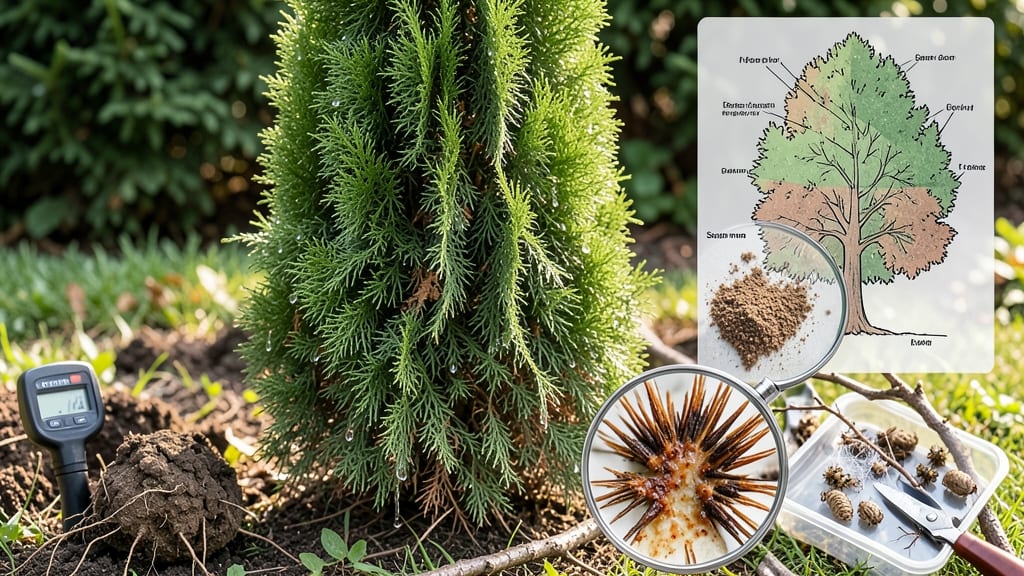
Your cypress tree’s brown branches might be screaming "help" from root rot or fungal canker—don’t panic, we can turn this around. 🌲 The first step is identifying whether it’s overwatering, drought stress, or a sneaky fungal infection like Seiridium canker, which thrives in wet conditions.
I’ve nursed back trees with these exact symptoms, and the fix starts with a simple soil check.
Start by digging 2 inches into the soil—if it’s soggy, you’ve got root rot; if it’s bone-dry, your tree’s thirsty. Look for yellowing lower branches (root rot) or brown, dead patches (fungal canker).
Prune affected branches with clean tools, then improve drainage by amending soil with compost or switching to drip irrigation. The goal? Healthy roots = lush green growth in just a few weeks.
For fungal infections, apply a copper fungicide (like Bonide Copper Fungicide) every 2 weeks until new growth appears. Space treatments out to avoid overdoing it—your tree’s immune system needs time to recover.
Mulch properly (2-3 inches) to regulate moisture, and avoid overhead watering. With these steps, you’ll see revival signs within 4-6 weeks—think vibrant green needles and stronger branches.
If brown patches keep spreading despite your efforts, it’s time to call an arborist. Advanced fungal infections or severe root damage might need professional intervention, but 90% of cases improve with proper care. Your cypress can bounce back—let’s get it growing green again.
Root Causes Behind Browning
If your cypress tree is turning brown, don’t panic—this is often a sign that something specific is wrong, and understanding the root causes (literally!) can help you take targeted action. Cypress trees, whether Cupressus or Chamaecyparis, are resilient but susceptible to stress from environmental and biological factors.
Below, we break down the most common culprits behind browning foliage, so you can diagnose the issue and act fast.
Cypress trees thrive in well-draining soil, and when they sit in soggy conditions, their roots suffocate. Overwatering or compacted, clay-heavy soil can lead to root rot, a fungal disease that blocks water and nutrient uptake.
As roots decay, the tree struggles to transport water and nutrients to the foliage, causing browning from the bottom up.
- Signs: Yellowing needles, wilting, and a foul smell at the base.
- Why it happens: Fungi like Phytophthora and Pythium thrive in waterlogged soil, attacking roots and cutting off the tree’s lifeline.
- Actionable fix: Amend soil with compost or sand to improve drainage, and avoid watering until the top 2–3 inches of soil are dry.
While too much water is harmful, chronic underwatering can also turn cypress needles brown. These trees prefer consistent moisture, especially in hot, dry climates. When roots dry out, the tree goes into survival mode, shedding water-laden needles to conserve resources.
- Signs: Crispy, dry needles (often starting at the tips), stunted growth.
- Why it happens: The tree prioritizes root health over foliage, leading to desiccation and browning.
- Actionable fix: Deep water 1–2 times per week (depending on climate) and mulch to retain moisture.
Fungi are the #1 cause of browning in cypress trees, and they don’t just target roots—they attack leaves, stems, and even the bark. The most common offenders include:
| Disease | Symptoms | Why It Happens |
|---|---|---|
| Seiridium canker | Brown, sunken cankers on branches; dieback from the top down. | Fungal spores spread via wounds or splashing water, clogging vascular tissue. |
| Cytospora canker | Oozing resin, dead twigs, and browning foliage in patches. | Weakened trees (from stress or injury) are prime targets for this aggressive fungus. |
| Needle blight | Small brown spots on needles that expand; premature needle drop. | High humidity and poor air circulation create the perfect breeding ground. |
Actionable fix: Prune infected branches 12 inches below the damage, sterilize tools with bleach, and apply copper fungicide as a preventative spray.
Insects like cypress tip moths, bagworms, and scale insects feed on cypress trees, injecting toxins or stripping nutrients that lead to browning. Their damage weakens the tree, making it more susceptible to fungal infections.
- Signs:
- Bagworms: Brown, silk-covered “purses” on branches.
- Tip moths: Brown, webbing at branch tips.
- Scale: Sticky residue (honeydew) and sooty mold.
- Why it happens: Pests disrupt the tree’s ability to photosynthesize, leading to nutrient deficiencies and browning.
- Actionable fix: Handpick large pests, apply neem oil or insecticidal soap, and introduce beneficial nematodes for soil-dwelling grubs.
Cypress trees are adaptable, but extreme conditions can push them over the edge. Here’s how:
- Sun scorch: Intense afternoon sun + dry soil = brown, papery needles on the south/west side.
- Salt burn: Near coastal areas or over-fertilized soil, salt buildup damages roots and foliage.
- Wind damage: Whipping branches tear needles, leaving jagged brown edges.
Actionable fix:
- Provide afternoon shade for young trees.
- Flush soil with fresh water if salt buildup is suspected.
- Stake or prune to reduce wind exposure.
💡 Pro Tip: Before treating, check the soil pH (cypress prefers 6.0–7.0). A pH outside this range can mimic nutrient deficiencies and stress symptoms.
How to Fix Your Cypress Tree
A browned cypress tree can feel like a heartbreaking loss, but with the right steps, you can nurse it back to health—or at least prevent further damage. Below, we’ve mapped out practical fixes for each common cause, along with prevention tips to keep your tree thriving.
Let’s roll up our sleeves and get to work! 🌱✨
Signs: Soft, mushy stems at the base, yellowing/browning needles, foul odor, and soil that stays soggy even after rain.
Step-by-Step Fix:
- 🔪 Trim the Damage
- Use sterilized pruning shears (rubbing alcohol or bleach wipe) to remove all brown, dead branches. Cut back to healthy green growth—this stops the spread of rot.
- Pro Tip: 💡 Disinfect tools between cuts to avoid cross-contamination.
- 🚿 Improve Drainage (Fast!) - Dig a shallow trench around the base (12–18 inches deep) to redirect water away from the roots. - Amend the soil with sand or perlite (mix 20% sand into the top 6–12 inches of soil).
Avoid heavy clay soil—it’s a root rot magnet. - Raise the tree slightly by adding a 6-inch mound of gravel under the root ball if planting in a low spot.
- 💊 Apply Fungicide
- Spray copper fungicide (like Copper Sulfate) or phosphite-based fungicides (e.g., Subdue MAX) on the soil and lower branches. Follow label rates—do not overapply.
- Warning: ⚠️ Avoid fungicides with chlorothalonil (like Daconil) if your tree is stressed; they can worsen damage.
- 💧 Water Smartly
- Stop overhead watering—use drip irrigation or soaker hoses to keep the root zone moist but not soggy.
- Water deeply 2–3 times per week (early morning) instead of daily shallow sprinkles.
Prevention for Next Time:
- ✨ Plant in well-draining soil—test your soil’s drainage by digging a hole, filling it with water, and timing how long it takes to drain. If it’s >4 hours, amend the soil.
- 🌡️ Avoid overwatering—cypress trees hate "wet feet."
Stick your finger in the soil: if it’s damp below 2 inches, wait to water. - 🌧️ Install a French drain if your yard floods after rain.
Signs: Brown needles with black or purple spots, powdery white growth, or cankers (sunken, dead patches on branches).
Step-by-Step Fix:
- 🍂 Remove Infected Parts
- Cut out all diseased branches (at least 6 inches below the last visible damage). Burn or bag the clippings (do not compost).
- Pro Tip: 🔥 Sterilize pruning tools with 70% isopropyl alcohol between cuts.
- 🛡️ Apply Fungicide
- Use a systemic fungicide (like Propiconazole or Myclobutanil) before new growth starts in spring.
- For powdery mildew, spray neem oil or baking soda mix (1 tbsp baking soda + 1 quart water + a drop of dish soap) weekly.
- 🌿 Boost Airflow
- Thin out dense foliage to improve airflow—fungi thrive in humid, shaded spots.
- Space trees 6–10 feet apart if replanting.
Prevention for Next Time:
- 🌡️ Water early in the day so foliage dries quickly.
- 🎯 Avoid overhead sprinklers—use drip lines instead.
- 💪 Strengthen the tree with balanced fertilizer (like 10-10-10) in early spring.
Signs: Brittle, crispy brown needles (especially on the south or west side), with no fungal growth or soft stems.
Step-by-Step Fix:
- 💦 Deep Water Immediately
- Water slowly and deeply (1–2 inches per week) until the soil is 6–12 inches moist.
- Use a soil probe or screwdriver to check moisture—if it’s dry at 3 inches, water again.
- 🌳 Provide Temporary Shade
- Shade cloth (30–50%) or a lightweight tarp on the sun-exposed side can prevent further damage.
- Quick Fix: 🌡️ Move potted cypress to a morning sun, afternoon shade spot.
- 🍃 Mulch Like a Pro
- Apply 2–4 inches of mulch (wood chips or pine straw) away from the trunk to retain moisture.
- Warning: ⚠️ Never pile mulch against the trunk—this causes rot.
Prevention for Next Time:
- 🌧️ Install drip irrigation for consistent moisture.
- 🌿 Choose the right location—cypress trees prefer full sun to partial shade (avoid harsh afternoon sun in hot climates).
- 💧 Monitor soil moisture with a moisture meter or your finger.
Signs: Sawdust-like frass (chewed debris), tiny holes in needles, or sap oozing from branches.
Step-by-Step Fix:
- 🕵️ Identify the Culprit
- Bagworms? Look for spinning cocoon-like bags on branches.
- Spider mites? Check for fine webbing on needles.
- Scale insects? See brown bumps on stems.
- 🪲 Manual Removal (For Small Infestations)
- Bagworms: Handpick bags and drown in soapy water.
- Spider mites: Spray with strong water jet to knock them off.
- 💊 Chemical Control (If Needed)
- Bagworms: Use Bt (Bacillus thuringiensis) or permethrin spray (follow label).
- Scale/mites: Apply horticultural oil or neem oil in early spring.
Prevention for Next Time:
- 🌿 Inspect trees weekly during peak pest season (spring–summer).
- 🎯 Encourage natural predators like ladybugs and birds with nearby plants.
- 🍃 Prune for sunlight—pests love dense, shaded trees.
- 📊 Test your soil (pH 6.0–7.0 is ideal for cypress). Adjust with lime (to raise pH) or sulfur (to lower pH) if needed. - 💪 Fertilize lightly—over-fertilizing stresses trees. Use a slow-release, balanced fertilizer in early spring. - 🌡️ Avoid stress—cypress trees hate transplant shock.
Water deeply for 2–3 weeks before moving and prune only 10% of branches at a time.
Remember: Some browning is normal (especially in fall/winter), but if more than 30% of the tree is affected, consult an arborist for severe cases. With these fixes, your cypress can bounce back—or at least stop the spread! 🌿💚
Frequently asked questions
Why does my cypress tree turn brown in patches instead of all at once?
Patchy browning usually signals fungal infections like Seiridium canker or Cytospora canker, which attack specific branches. Check for sunken brown patches or oozing resin—these are classic signs. Unlike root rot (which starts at the bottom), fungal issues spread from infected areas outward.
Can I save my cypress if the brown needles are crispy and dry?
Yes! Crispy brown needles often mean drought stress or sun scorch. Deep water the tree (1–2 inches per week) and provide afternoon shade with shade cloth. Mulch with 2–3 inches of wood chips to retain moisture. New growth should appear within 4–6 weeks if roots are still healthy.
How do I tell if my cypress has root rot vs. just underwatering?
Root rot causes yellowing at the base with a foul smell, while underwatering shows crispy brown tips. Dig near the roots—if soil stays soggy for days, it’s rot. For underwatering, check for dry soil 3+ inches deep and water deeply until moist 6–12 inches down.
Is it safe to prune brown branches now, or should I wait?
Prune dead branches now (they won’t regrow), but wait to prune healthy branches until late winter/early spring when the tree is dormant. Sterilize tools with rubbing alcohol to prevent spreading disease. Cut 12 inches below any fungal cankers to ensure removal.
Will my cypress tree recover if I fix the problem now?
Recovery depends on how much healthy growth remains. If less than 30% is brown, your tree can bounce back with proper care. For severe cases, consult an arborist—some fungal infections (like Seiridium canker) may require professional treatment. Start with drainage fixes and fungicide to give it the best chance!