
Plants
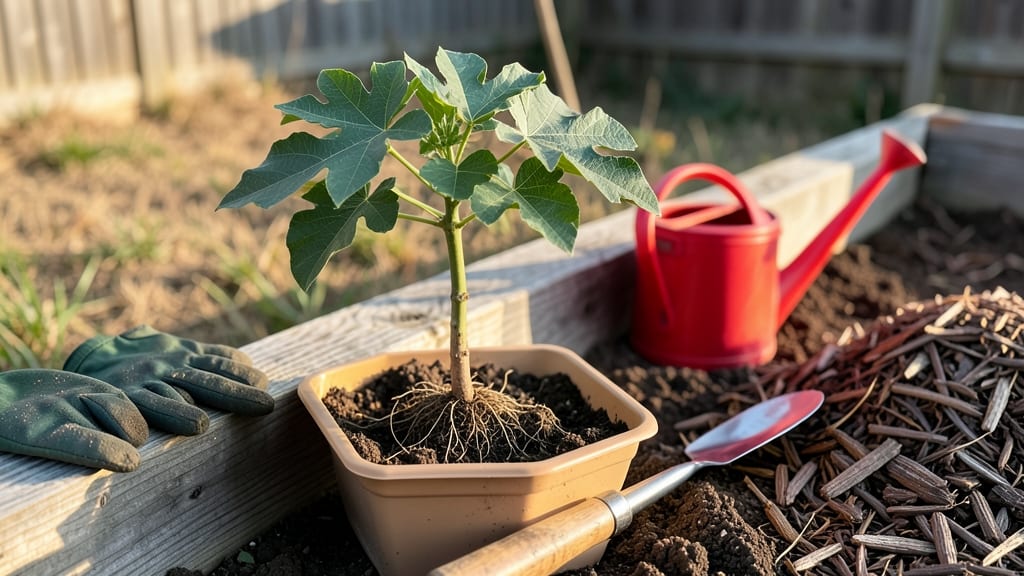
Planting a fig tree in Texas at the right time means the difference between a decades-long fruit producer and a sad, sun-scorched sapling.
Texas’s brutal summers and unpredictable winters can make planting a fig tree feel like a gamble—but timing it right ensures your tree thrives for decades with minimal fuss.
The key? Avoid the scorching heat of July and the frost risks of December, and you’re already ahead of 90% of gardeners who rush it wrong.
For most of Texas (USDA zones 8a-10b), the sweet spot is late winter to early spring—think February or March—when soil warms but the worst heat hasn’t arrived. Or, if you prefer, plant in fall (October-November) to let roots establish before winter chills.
Below, I break down the exact months by region, the best varieties for Texas heat, and how to prep soil so your fig tree grows stronger than the Texas sun itself.
Best months to plant fig trees in Texas by region (north vs. Central vs. South)
Texas’s diverse climate zones mean fig trees thrive with different planting strategies depending on where you live. In North Texas, cooler winters and hotter summers demand precise timing, while Central Texas offers a longer window.
The Rio Grande Valley in the South can even plant year-round—but there are still best practices to follow.
Fig trees are heat-loving plants, but they need time to establish roots before Texas’s brutal summers. The key is planting when soil temperatures stay above 60°F but aren’t yet scorching. For most regions, this means late winter to early spring or fall, but exact months vary by zone.
Here’s how to match your region’s climate to the perfect planting window:
| Region | USDA Zone | Best Planting Months | Soil Prep Tip | Heat Consideration |
|---|---|---|---|---|
| North Texas | 7a-8b | February-March or October-November | Amend with compost and sand to prevent clay compaction | Avoid summer planting—roots can’t establish in extreme heat |
| Central Texas | 8a-9a | March-April or September-October | Add gravel to improve drainage in heavy soils | Use drip irrigation to protect roots from summer drought |
| South Texas | 9a-10b | Year-round (best: September-November) | Mulch heavily with wood chips to retain moisture | Choose heat-tolerant varieties like Celeste or Brown Turkey |
In North Texas, where winters dip below freezing, planting bare-root figs in October or November gives roots time to establish before spring growth. If you choose container-grown trees, wait until late February or March when soil warms up.
Central Texas’s milder winters extend the window to March-April for spring planting. This region benefits from fall planting in September-October because cooler temps reduce transplant shock. Always test your soil—pH 6.0-7.0 is ideal for figs.
For South Texas gardeners, the Rio Grande Valley’s warm climate allows planting almost anytime. However, September-November is still best to avoid peak summer heat. Use shade cloth for young trees during the hottest months to prevent leaf scorch.
No matter your region, avoid planting during extreme heat—even drought-tolerant figs struggle when roots can’t establish. Water deeply after planting and mulch with 3-4 inches of organic mulch to lock in moisture and regulate soil temperature.
Pro tip: If you’re in a transition zone (like East Texas), monitor local frost dates. Figs can handle brief cold snaps but won’t recover from prolonged freezing. A microclimate near a south-facing wall can add 5-10°F of protection.
Once planted, give your fig tree time to adjust. In North Texas, expect slower growth the first year due to cooler soils. In South Texas, growth may be rapid—but prune aggressively in summer to manage size and improve fruit production.
With the right timing, your fig tree will reward you with sweet, homegrown fruit for decades. Start with the best month for your region, prep your soil, and give it the care it needs to thrive in Texas’s challenging climate. 🌱
Top 5 heat-tolerant fig varieties for Texas gardens (with cold hardiness ratings)
Texas’s scorching summers and occasional cold snaps demand heat-tolerant fig varieties that can handle 100°F+ temperatures while surviving light freezes. The right variety ensures your tree thrives year-round with minimal stress. I’ve ranked the top 5 fig varieties for Texas gardens, prioritizing cold hardiness, drought resistance, and fruit productivity.
When selecting a fig for your Texas garden, focus on USDA Zones 8-10 varieties. Some can even tolerate brief dips to 15°F with proper care. Below, I’ve included their cold hardiness ratings and ideal growing conditions to help you choose the perfect match for your climate zone.
Brown Turkey is my top recommendation for North Texas gardens due to its excellent heat tolerance and ability to handle brief freezes down to 15°F. This variety produces large, sweet figs and thrives in well-draining soil. For Central and South Texas, where heat is more extreme, Celeste and Desert King are unbeatable choices.
The Mission fig is another standout, offering drought resistance and a long harvest season. It’s perfect for gardeners in USDA Zone 9 who want reliable fruit production.
If you’re in East Texas, where humidity is higher, Violette de Bordeaux is a great pick—it handles moisture better and tolerates colder snaps.
For container gardening in urban Texas areas, Celeste and Brown Turkey are ideal because they adapt well to potted environments. Just ensure your container has drainage holes and use a lightweight potting mix to prevent root stress during heatwaves.
When planting, always mulch heavily around the base to retain moisture and protect roots. Figs in Texas need 6+ hours of sun daily, but afternoon shade can help during the peak summer months.
Avoid planting in low-lying areas where cold air pools, as this can damage even cold-hardy varieties.
With the right variety and care, your fig tree will reward you with decades of fruit production, even in Texas’s harsh climate. Start with Celeste or Brown Turkey for the best balance of heat tolerance and cold hardiness, and watch your tree flourish year after year!