
Pruning
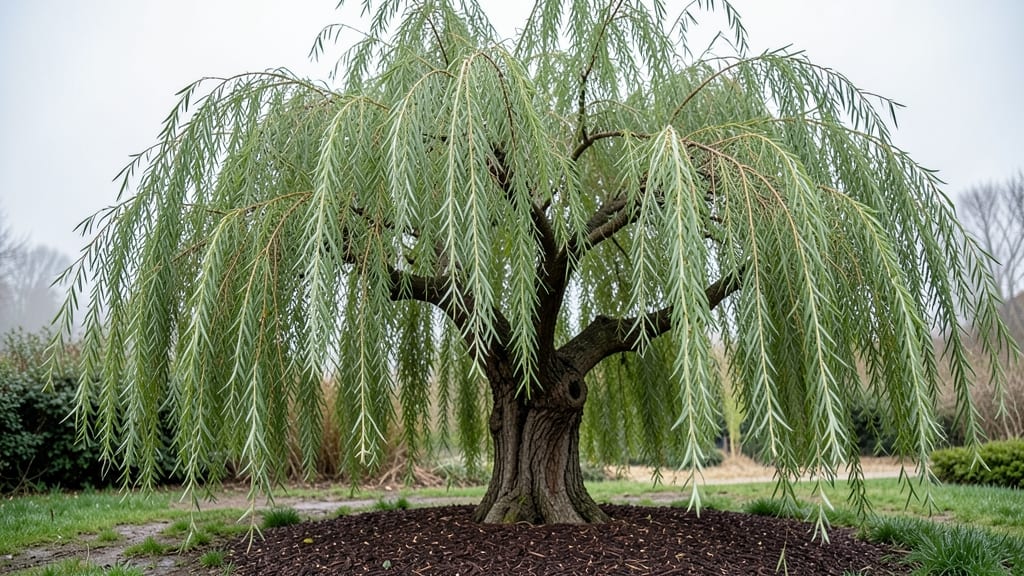
A weeping willow tree size can reach 30 to 50 feet tall with a sprawling canopy, making it a stunning but space-demanding centerpiece for any landscape.
If you're dreaming of a graceful, cascading tree to frame your landscape but worry about weeping willow tree size, you're not alone—these giants can grow uncontrollably without the right care.
One year, I planted mine near a pond, only to watch it stretch toward the sky like a living waterfall, its roots spreading farther than I’d ever planned.
But here’s the good news: with strategic pruning and smart planting placement, you can manage its growth while keeping that dreamy, weeping look.
Below, I’ll break down how fast they grow, what to expect in 10 years versus 30 years, and the best ways to tame their size without sacrificing their beauty.
You’ll also discover space-saving pruning tips, small-space alternatives, and how to pair it with other plants for a balanced, low-maintenance garden design. Let’s get started!


How tall do weeping willow trees grow? Mature size & growth rate explained
If you've ever admired the elegant, cascading branches of a weeping willow tree, you might be wondering: how tall can these trees really get? The answer depends on age, climate, and growing conditions—but the numbers will surprise you.
These trees are fast growers with dramatic growth spurts, especially in their first decade. Let's break down what to expect at every stage of their life.
Weeping willows (Salix babylonica) are among the fastest-growing trees in the world. In ideal conditions, they can add 3 to 5 feet per year during their youth.
By age 10, a healthy specimen might already reach 20 to 30 feet tall, with branches spreading 15 to 25 feet wide. Without proper management, these trees can easily become landscape invaders, overshadowing homes and crowding out other plants.
Here’s the key detail most gardeners miss: climate plays a huge role in growth rate. In warm, humid regions like the Southeast U.S., weeping willows grow 20% faster than in cooler climates like the Pacific Northwest.
Even a 10-year difference in planting can mean a 15-foot height difference by maturity. That’s why choosing the right location—and planning for their mature size—is critical.
🌳
At maturity (15-30 years), a weeping willow typically stands between 30 and 50 feet tall, with a spread that can match or exceed its height. Imagine a tree wider than your house!
In some cases, especially near water sources, these trees can grow even taller—reaching 60 to 70 feet in ideal conditions. The root system is just as expansive, often spreading 30 to 50 feet from the trunk, which can damage foundations, sidewalks, and underground pipes if not managed.
One of the most striking differences between a 10-year-old and a 30-year-old weeping willow is the canopy density. A young tree might have sparse, delicate branches, while a mature specimen develops a thick, weeping curtain of foliage that can block sunlight and alter microclimates in your yard.
This is why many gardeners opt to plant them near ponds or lakes, where their natural habitat needs are met without encroaching on living spaces.
If you're considering planting a weeping willow, location is everything. These trees thrive in USDA Zones 5-8 and need full sun (6+ hours daily) and consistently moist soil.
In drier climates, their growth rate slows significantly, but they’ll still reach 20 to 30 feet tall if given enough water. For faster growth, plant near a natural or man-made water feature, as their roots love to trail in water.
Here’s a pro tip: If you’re planting near a structure or driveway, leave at least 30 feet of clearance from the trunk to avoid root damage.
Weeping willows have aggressive root systems that can lift sidewalks and crack foundations if unchecked. Regular root pruning (every 3-5 years) can help mitigate this issue.
🌿
For those who love the aesthetic of weeping willows but worry about their size, there are dwarf varieties like Salix babylonica ‘Tortuosa’ (corkscrew willow), which max out at 15 to 20 feet tall.
These smaller versions offer the same graceful, weeping habit without the same space requirements. However, even dwarf varieties can spread widely, so they’re best suited for larger gardens or containers with deep root zones.
In summary, weeping willows are stunning but high-maintenance trees that demand space, water, and regular pruning. If you’re ready to commit to their care, they’ll reward you with year-round interest, beautiful foliage, and a serene, almost mystical presence in your landscape.
Just be sure to plan for their mature size from day one!
Space-saving pruning techniques to control weeping willow tree size
Weeping willow trees are stunning but notorious for their aggressive growth patterns. Without proper care, they can quickly overwhelm your landscape. The good news? Strategic pruning techniques can help you manage their size while keeping them healthy.
I’ve pruned my own weeping willow for years, and these methods work wonders for controlling both height and spread.
Before you grab your pruners, remember: timing and technique matter most. Prune at the wrong time, and you risk stunting growth or inviting pests. But with the right approach, you can shape your tree without harming it. Let’s dive into the three most effective pruning methods for space-saving results.
Step-by-Step Guide to Pruning Your Weeping Willow
- 1 Timing is Everything: Prune in late winter or early spring (before buds swell) or summer after flowering. Avoid pruning in fall or winter—this can stress the tree and leave it vulnerable to disease.
- 2 Crown Reduction for Height Control: Use this method to reduce the tree’s overall height. Select 3-4 main branches near the top and cut back by no more than 25% of their length. Make cuts just above a bud or lateral branch to encourage new growth.
- 3 Selective Branch Removal: Thin out overcrowded or weak branches to improve airflow and reduce spread. Remove branches that cross or rub against each other. Cut at the branch collar (the swollen area where the branch meets the trunk) to prevent damage.
- 4 Root Pruning for Spread Control: Dig around the tree’s outer root zone (about 12–18 inches from the trunk) and trim aggressive roots with a spade or root saw. This encourages the tree to focus energy on existing roots rather than spreading outward. Do this in early spring before new growth begins.
- 5 Clean Up and Protect: After pruning, sterilize your tools with rubbing alcohol to prevent disease spread. Apply a wound sealant (like tree paint) to large cuts to protect the tree. Mulch around the base to retain moisture and suppress weeds.
You’ll need the right tools for the job: a sharp bypass pruner for small branches, loppers for medium-sized limbs, and a pruning saw for thicker branches. For root pruning, a spade or root saw will do the trick. Safety first—always wear gloves and eye protection when pruning.
Pruning a weeping willow might seem daunting, but breaking it down into manageable steps makes it easier. Start with selective branch removal if your tree is already too large, and gradually work on crown reduction over a few years.
With patience and consistency, you’ll keep your weeping willow looking stunning while keeping it in check.
Remember, the goal isn’t to stunt the tree but to guide its growth in harmony with your landscape. Over time, you’ll find the perfect balance between its natural beauty and your space constraints. Happy pruning! ✂️🌳