
Trees
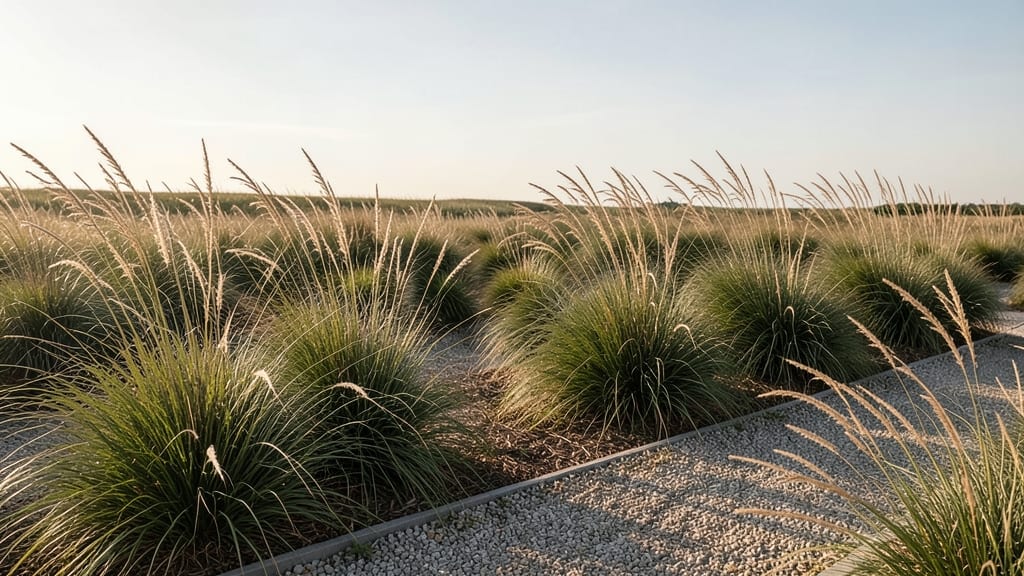
Tired of noisy neighbors or harsh winds ruining your outdoor space? Tree berms offer natural privacy and windbreaks that blend seamlessly with your landscape. These 10 creative designs use native plants and strategic placement to create functional, low-maintenance beauty.
Evergreen Privacy Berm with Boxwoods
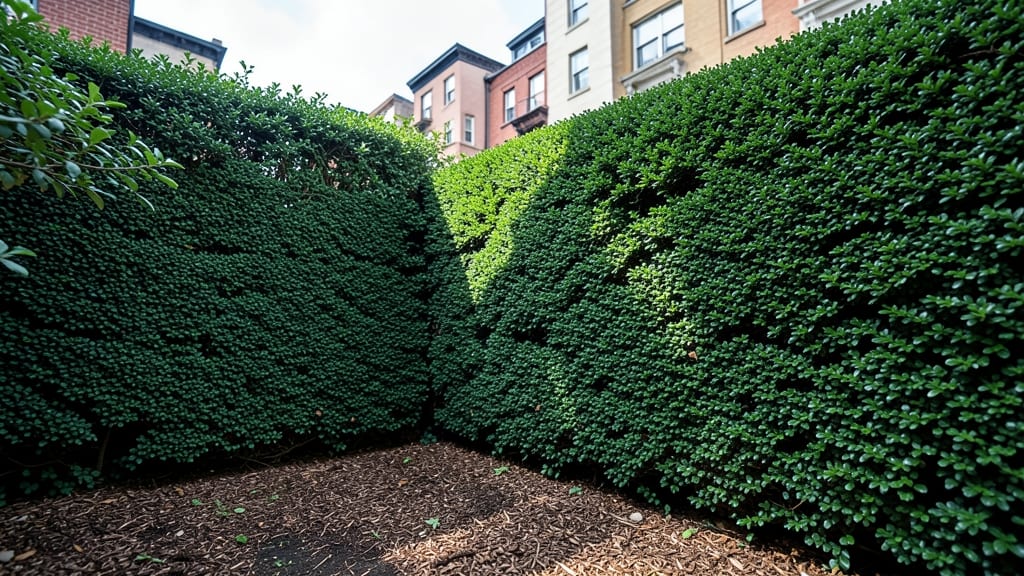
Transform your tight urban backyard into a serene retreat with a boxwood berm—a structured, evergreen privacy screen that works harder than a fence. Unlike seasonal plants, boxwoods deliver year-round greenery and wind deflection, making them perfect for noise-prone city spaces where every inch counts.
Shape the berm in gentle tiers (2-3 feet high) to create visual interest while maximizing windbreak efficiency. Plant Buxus sempervirens or Buxus microphylla varieties in a staggered grid pattern, spacing them 2-3 feet apart for dense growth. Top with light-colored gravel mulch to reflect heat and suppress weeds, while keeping maintenance minimal.
Urban gardeners and apartment dwellers will love how this design blocks noise while adding elegant structure—no summer bare branches or winter cleanup. The manicured look also works beautifully alongside patios or small decks. 💚
Wildflower Meadow Berm for Pollinators
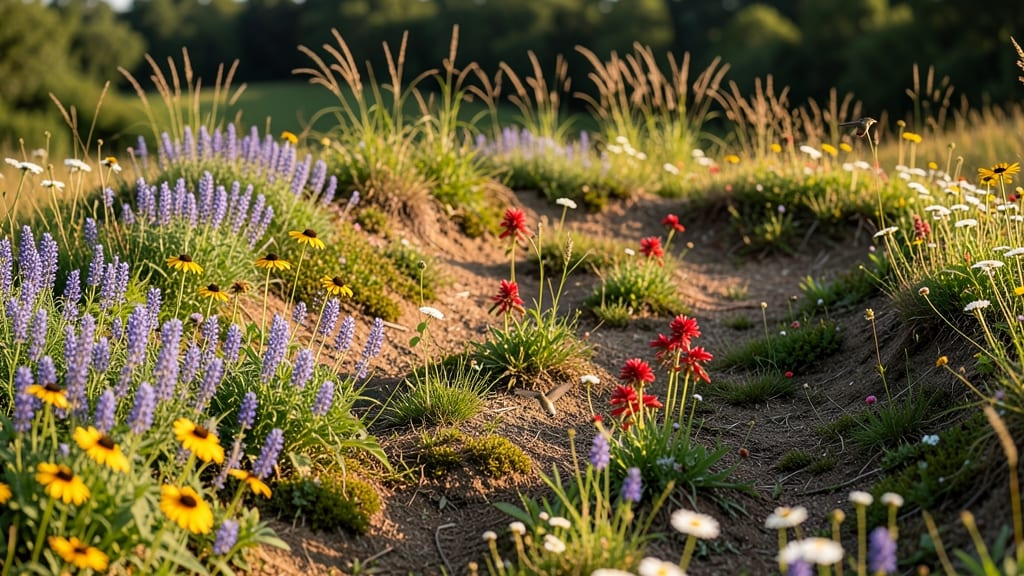
Transform your yard into a buzzing pollinator paradise with a wildflower meadow berm—where every bloom serves a purpose. This eco-friendly design not only softens wind and muffles noise but also creates a thriving habitat for bees, butterflies, and hummingbirds while requiring minimal upkeep once established.
Start by shaping a gentle slope or tiered mound using native wildflowers like purple coneflower, black-eyed Susan, and bee balm, which thrive in full sun and well-drained soil. Mix in clover and yarrow for extra texture and pollinator appeal. The key is to avoid mowing—let the plants grow tall and seed naturally to sustain local ecosystems year after year.
This design is ideal for gardeners who love vibrant color and want to make a difference. Plant your berm in early spring or fall, then sit back and enjoy the show as your garden becomes a haven for wildlife. 🌻
Bamboo Windbreak Berm for Coastal Areas
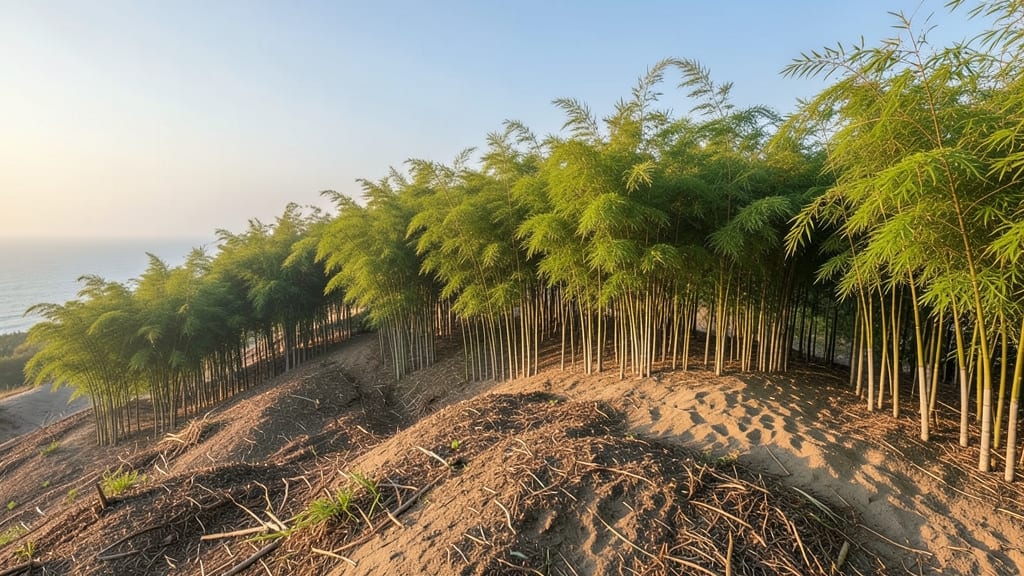
If salty ocean breezes or exposed fields are making your outdoor space unenjoyable, clumping bamboo on a berm is your solution. Unlike running bamboo that spreads aggressively, clumping varieties like Fargesia murielae grow in tight clusters, creating a natural windbreak without invasive roots.
Plant bamboo in a sloped berm facing the prevailing wind direction, with the highest point toward the wind source. The dense stalks can reduce wind speeds by up to 50% while adding tropical elegance to coastal landscapes. For best results, plant in well-draining sandy soil and space clumps 3-5 feet apart to allow airflow between plants. Mulch with pine straw to retain moisture and suppress weeds.
This design thrives in USDA zones 5-9, making it perfect for beachfront homes or open fields. Coastal gardeners will love how it softens harsh winds while adding vertical interest—no noisy neighbors or flying debris in sight! 🌿
Hydrangea Privacy Berm with Seasonal Color
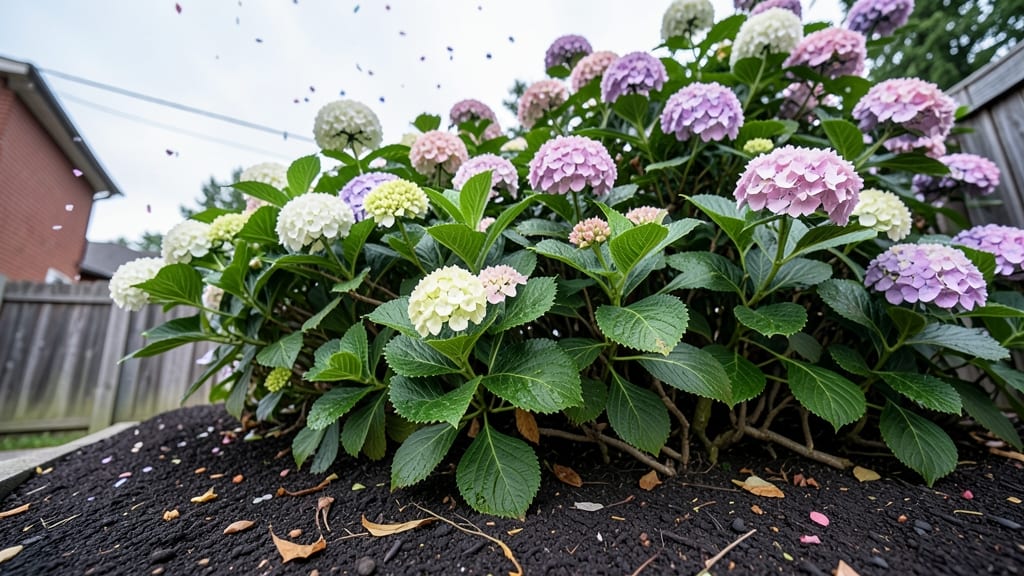
Want a privacy screen that doubles as a seasonal showstopper? A hydrangea privacy berm delivers lush foliage year-round and bold blooms from summer through fall, making it ideal for small yards where space is limited but impact matters.
Start by selecting large-leaf hydrangeas like 'Endless Summer' or 'Nikko Blue' for their dense growth habit and ability to thrive in partial shade. Shape the berm in gentle tiers to encourage cascading foliage, then mulch with wood chips to retain moisture and suppress weeds. Prune in late winter to shape the plants while they're dormant, and fertilize lightly in spring to encourage vibrant blooms.
This design works beautifully for homeowners who want low-maintenance privacy without sacrificing curb appeal. The ever-changing colors—from pink to blue—keep your garden feeling fresh and inviting. 🌻
Native Shrub Berm for Low-Water Landscapes
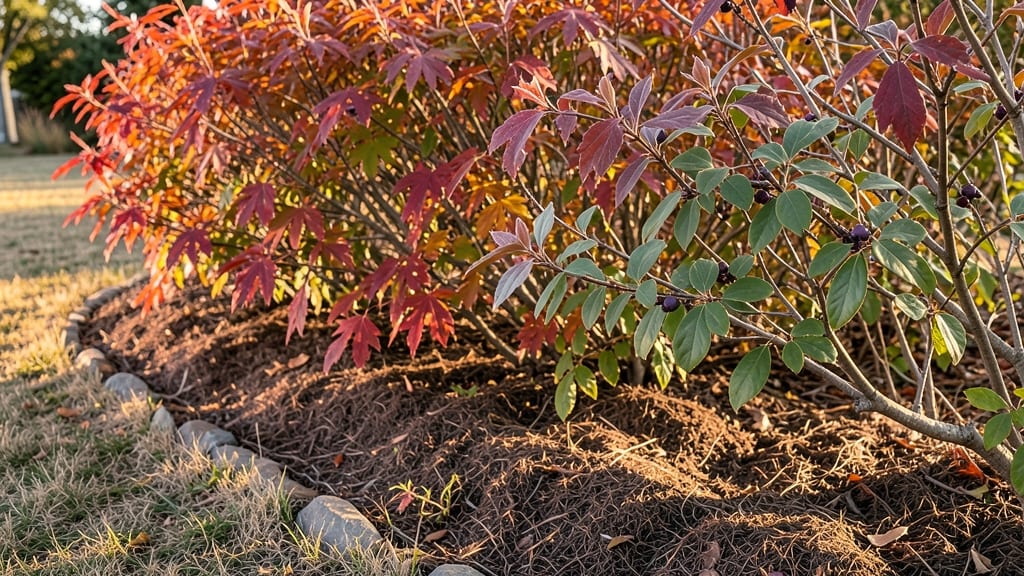
If you're in a dry climate or simply want to cut back on water usage, a native shrub berm is your answer. This design combines sumac (with its fiery fall foliage) and serviceberry (known for edible berries) to create a living windbreak that thrives on rainfall alone.
Start by shaping your berm with native soil and rocks to improve drainage—critical for drought-tolerant plants. Space sumac bushes (3-5 feet apart) along the front edge for bold color, while serviceberry shrubs (4-6 feet apart) add height and seasonal interest. These plants not only reduce water needs but also support pollinators and local wildlife.
Perfect for water-conscious gardeners in the Southwest or Midwest, this berm requires almost no maintenance once established. The natural texture and layered growth create a stunning, low-water landscape that works year-round. 💚
Arborvitae Windbreak Berm for Year-Round Screening
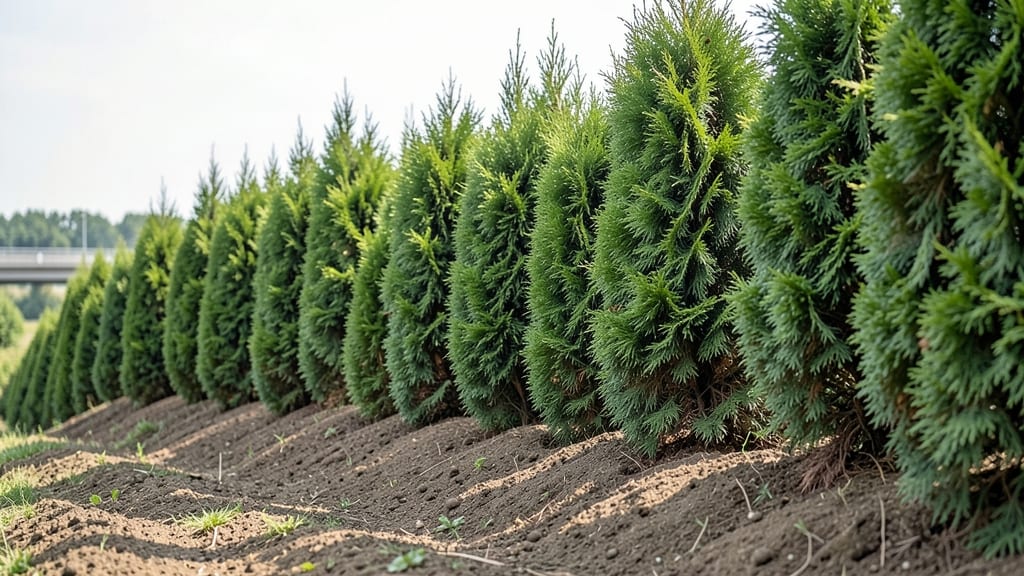
Need a year-round solution to block highway noise or nosy neighbors? Arborvitae trees planted in a berm create a living windbreak that stays lush in every season, growing up to 2-3 feet per year for quick results.
These evergreen conifers thrive in full sun to partial shade and tolerate a wide range of soils, making them low-maintenance stars. Plant them in a stepped berm design for visual interest while maximizing wind deflection—just ensure proper spacing (3-6 feet apart) for airflow. Mulch the base to retain moisture and suppress weeds, and you’ll enjoy dense foliage that muffles sound naturally.
This design is perfect for homeowners along busy roads or open fields who want instant privacy without sacrificing curb appeal. The uniform green color also complements modern landscapes beautifully. 💚
Crape Myrtle Berm with Seasonal Interest
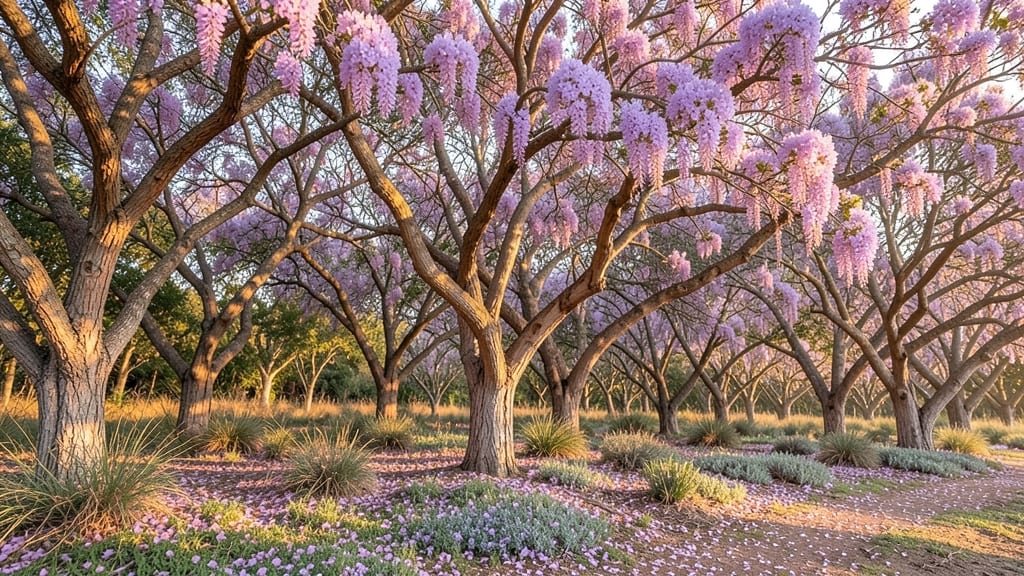
If you love the charm of Southern gardens but struggle with humidity and heat, crape myrtle berms deliver year-round beauty with minimal fuss. These trees thrive in sweltering conditions, offering lavender summer blooms and stunning exfoliating bark in winter—plus, they’re naturally drought-tolerant once established.
For your berm, plant crape myrtle varieties like 'Natchez' or 'Tonto' in a tiered mound, spacing them 10-15 feet apart to allow airflow and prevent disease. Mulch with pine straw to retain moisture and suppress weeds, and prune in late winter to shape the tree while it’s dormant. The peeling bark adds texture even when flowers fade, making this a standout feature in winter landscapes.
Southern gardeners will appreciate how crape myrtles handle humidity without the pests or fungal issues that plague other trees. This berm idea works especially well near patios or pool areas, where their shade and seasonal color create a welcoming atmosphere. 🌻
Privacy Berm with Mixed Evergreens and Ferns
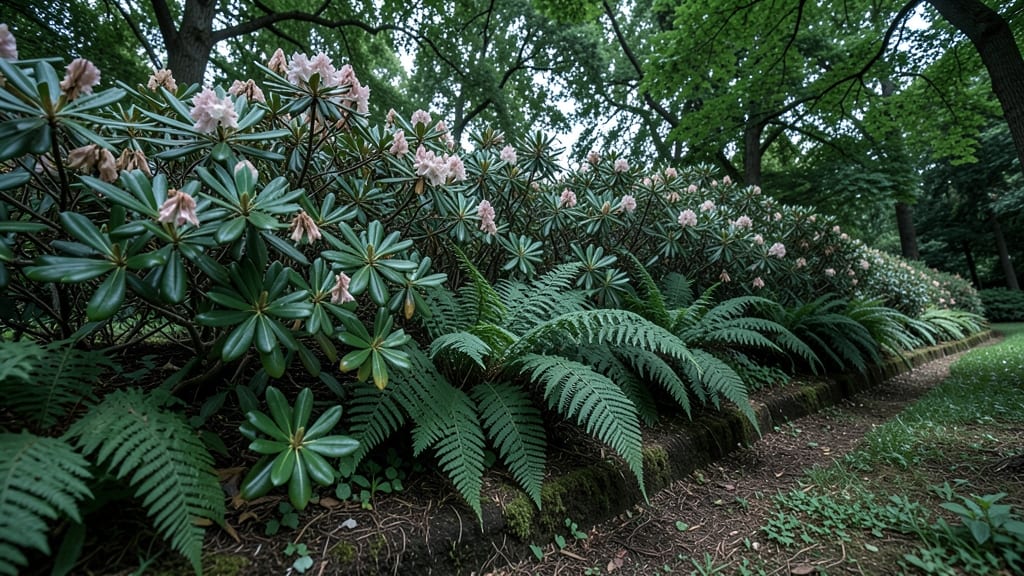
Transform your shady garden into a serene retreat with a privacy berm that thrives in low light while blocking unwanted noise. Unlike sun-loving designs, this layered approach uses evergreens like rhododendrons and ferns to create a lush, textured barrier that stays green year-round—ideal for woodland gardens or north-facing yards.
Start with a gently sloped berm (2-3 feet high) filled with acidic, well-draining soil to support ferns and evergreens. Plant taller rhododendrons or pieris at the back, mid-height holly or inkberry in the middle, and trailing ferns like maidenhair or Christmas fern along the front for cascading texture. The dense foliage absorbs sound while the varying heights add visual depth, making it perfect for urban gardens near busy streets.
This design requires minimal maintenance—just occasional mulching to retain moisture and prune ferns to encourage bushier growth. It’s especially rewarding for gardeners who love woodland aesthetics and want a natural, low-maintenance solution that feels like a secret garden. 🌿
Edible Privacy Berm with Fruit Trees
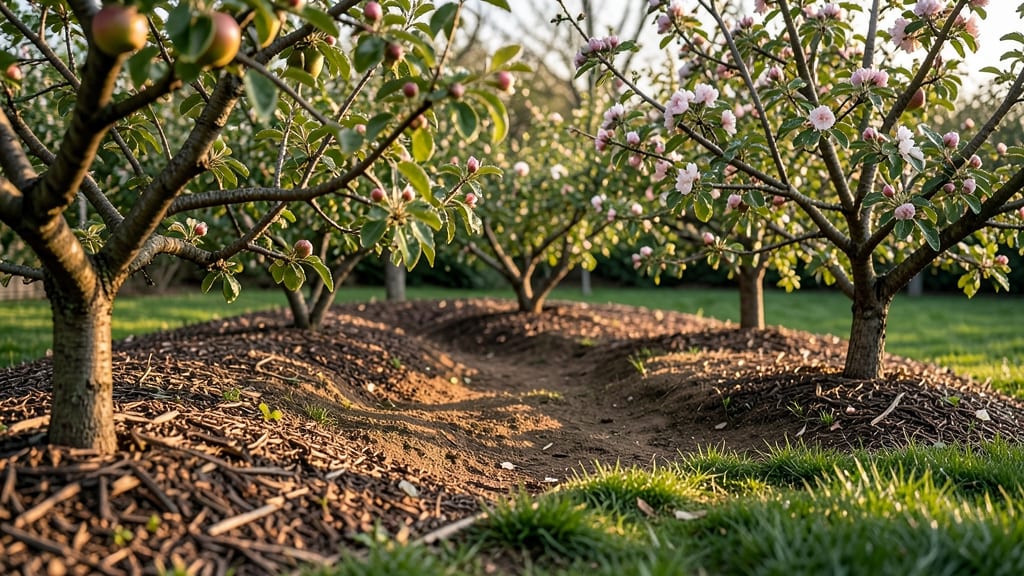
Turn your backyard into a fruit-bearing oasis with an edible privacy berm using apple, pear, or cherry trees. This dual-purpose design blocks wind, muffles noise, and rewards you with fresh produce—all while adding rustic charm to your landscape.
Start by selecting dwarf or semi-dwarf varieties (like 'Honeycrisp' apples or 'Rainier' cherries) to keep the berm compact. Plant trees in a gentle slope along property lines, spacing them 12–15 feet apart for mature growth. Mulch heavily with wood chips to suppress weeds and retain moisture, while also adding a polished finish. For best results, choose self-pollinating varieties or pair complementary trees to ensure fruit set.
This design is ideal for urban homesteaders or families who want to grow their own food without sacrificing privacy. The seasonal interest—from spring blooms to autumn harvests—keeps the garden dynamic year-round. 🌟
Grass Berm with Ornamental Grasses

Want a modern minimalist garden that requires almost no upkeep? A grass berm with ornamental grasses like switchgrass or maiden grass delivers movement, texture, and natural sound absorption—all while thriving in drought conditions.
These grasses grow in clumps (not invasive runners) and tolerate poor soil, making them perfect for urban or suburban spaces. Plant them in mounded designs to create visual interest while softening harsh winds and muffling noise. Their arching forms add dynamic lines to clean-lined landscapes, and they require no pruning—just an occasional trim in late winter to remove dead foliage.
This design is ideal for gardeners who love low-maintenance solutions with a contemporary edge. The grasses' golden hues in fall add seasonal color without the work of flowering plants. 🌻