
Trees
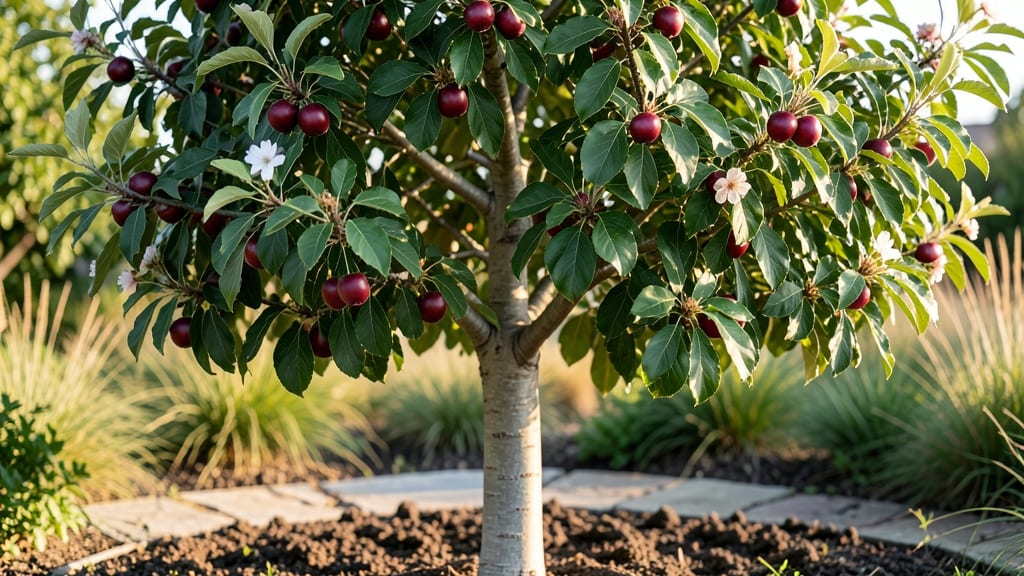
Your Santa Rosa plum tree leaves hold the secret to perfect preserves, jams, and syrups—but only if you harvest them at the right time. 🌿 I’ve learned the hard way that waiting too long turns those luscious green leaves into tough, bitter scraps that ruin batches.
The key is timing, and a few simple tricks to keep them fresh until you’re ready to use them.
Start by harvesting leaves when they’re fully mature but still tender—usually in late spring or early summer, before the fruit sets. Avoid leaves with yellowing, spots, or curling, as these can signal disease or pest issues that’ll compromise your harvest.
Store them in a single layer on a paper towel in the fridge for up to 5 days, or freeze them in airtight bags for longer storage. The fresher the leaves, the brighter the flavor in your preserves.
📚 In This Guide
- What you need
- Instructions
- Tips and common mistakes
- Wrapping up and next steps
What you need
- ● Sharp pruning shears or garden scissors – Look for bypass pruners (8-10" blades) for clean cuts.
- ● Disposable gloves – Nitrile or latex-free for sensitive skin.
- ● Large breathable mesh bags or paper towels – For collecting leaves without crushing them (10–20 bags, depending on yield).
- ● Spray bottle with water – Mist leaves lightly to preserve freshness during transport.
- ● Food dehydrator or oven-safe trays – For drying (if preserving long-term). Dehydrators are ideal (18–24" models).
- ● Air-tight storage containers (glass jars or Mylar bags) – With silica gel packets for moisture control (quart-sized jars work well).
- ● Labeling supplies (masking tape + markers) – To track harvest dates and drying methods.
- ○ Optional: Harvesting basket with a soft lining – To avoid bruising leaves during collection.
- ● Portable fan or dehydrator fan attachment – Speeds up drying in humid climates.
- ● Essential oil diffuser (with citrus or lavender oils) – Adds a fresh scent to dried leaves for culinary or craft uses.
- ● Digital scale (0.1 oz precision) – For precise measurements if using leaves in recipes.
- ● Solar food dehydrator – Eco-friendly option for large batches (check local sun hours!).
Instructions for harvesting and preserving Santa Rosa plum tree leaves
Here's how to collect and store those fragrant leaves for tea, garnishes, or cooking—without wasting a single one.
🌿 Step 1: Identify and Harvest Leaves at Peak Freshness
Santa Rosa plum leaves reach their best flavor and aroma when fully mature but still tender. Look for leaves that are deep green, 3-4 inches long, and free of spots or yellowing. The best time to harvest is in the morning after dew has dried—this ensures maximum essential oil content.
Use clean, sharp pruning shears to snip leaves just above a leaf node. Avoid taking more than 1/3 of the new growth from any branch to prevent stressing the tree. I always harvest from the outer edges first, letting the center leaves continue photosynthesizing for fruit production.
💧 Step 2: Clean and Prepare Leaves Immediately
Spread the harvested leaves on a clean kitchen towel or mesh screen. Gently brush off any debris or insect eggs with a soft-bristle brush. Never wash leaves with water—they'll yellow and lose flavor quickly. If you must remove stubborn dirt, use a damp paper towel to blot gently, then let them air dry completely.
Here's the thing—don't skip this step. Even a single dirty leaf can contaminate your whole batch during storage. I keep a small bowl of distilled water nearby to dip my fingers in between leaves to prevent transferring oils from my hands to the leaves.
⏰ Step 3: Choose Your Preservation Method
For drying leaves, tie small bundles with twine and hang upside down in a dark, well-ventilated area for 1-2 weeks until crisp. Test dryness by crushing a leaf—it should crumble easily. Store in an airtight container away from light. For freezing, lay leaves flat on a tray and freeze until solid, then transfer to a sealed bag. Frozen leaves keep for 6 months.
If you're making plum leaf tea, I recommend drying first—it intensifies the natural flavors. Watch for any signs of mold during the drying process. If you see even a hint of fuzz, discard the entire batch immediately to avoid contamination.
🪴 Step 4: Store Preserved Leaves Properly
Place dried leaves in an airtight glass jar with a tight-sealing lid. Keep them in a cool, dark place like a pantry or cupboard. Properly stored leaves will maintain their flavor for up to 1 year. For frozen leaves, use within 6 months for best quality—freezer burn will degrade their delicate flavors.
Don't overfill containers. Leaves need room to breathe, even when stored. I like to leave about 1 inch of space at the top of the jar. Label everything with the date—you'll forget how long those leaves have been sitting in the back of your pantry!
☀️ Step 5: Use Leaves Before They Lose Potency
Freshly dried leaves make the best tea—just steep 1 teaspoon per cup of boiling water for 5-7 minutes. For cooking, add leaves to dishes in the last 10 minutes of simmering to preserve their aroma. Never boil plum leaves—they'll turn bitter and lose their delicate flavor profile.
I know it seems like a lot of steps, but each one ensures you get that perfect Santa Rosa plum leaf flavor. The key is working quickly and storing properly. Once you've got your first successful batch, you'll want to harvest every season!
Tips & tricks for perfect Santa Rosa plum leaf preservation
Took me a while to figure these out, so here goes—these little details make all the difference between good and extraordinary plum leaf preservation.
Timing Secret: In Step 1, harvest those leaves only when they're completely dry after morning dew—this is when their essential oils are at their peak. I've learned the hard way that harvesting after rain or when leaves are still damp will dilute their flavor. Also, work quickly once you start harvesting; those oils degrade fast once the leaves are cut.
Cleaning Technique: For Step 2, I've found that using a soft-bristle makeup brush instead of fingers helps remove more debris without damaging the delicate leaf surfaces. And here's what nobody tells you—if you have a few stubborn leaves with insect eggs, place them in a sealed bag in the freezer for 24 hours first. The cold kills the eggs without harming the leaf itself.
Drying Strategy: When drying in Step 3, I recommend using a small fan on low setting to circulate air around your hanging bundles. This cuts the 1-2 week drying time by about 30% without risking mold. Just make sure the airflow isn't too strong—you want gentle circulation, not a leaf blower effect. And always test dryness by crushing a leaf between your fingers; it should crumble like dried herbs, not feel papery or bendy.
Storage Wisdom: For Step 4, I've discovered that adding a small packet of silica gel to your storage jar extends shelf life by another 3-6 months. The silica absorbs any residual moisture that could cause browning. I also use glass jars with black interior coatings—they block light better than clear glass and preserve the vibrant green color longer.
Pro Tips for Santa Rosa Plum Tree Leaves
- Took me a while to figure these out, so here goes—these little details make all the difference between good and extra...
- Timing Secret: In Step 1, harvest those leaves only when they're completely dry after morning dew—this is when their ...
- Cleaning Technique: For Step 2, I've found that using a soft-bristle makeup brush instead of fingers helps remove mor...
Frequently asked questions
about Santa Rosa plum tree leaves—because even the best harvests come with questions! Here’s what you need to know before diving in.When is the best time to harvest Santa Rosa plum tree leaves?
The ideal time to harvest leaves is early spring (just before buds bloom) or late fall (after fruit harvest). Avoid peak summer heat, as leaves can become tough or bitter. Harvest on a dry, sunny morning for maximum potency and freshness.
Can I use Santa Rosa plum tree leaves if they’re yellow or spotted?
No—only use healthy, vibrant green leaves! Yellowing or spotted leaves may indicate disease (like fungal infections) or pest damage. Discard them to avoid compromising your harvest. Always inspect leaves before processing.
How long do dried Santa Rosa plum leaves last, and how should I store them?
Properly dried leaves last 1–2 years if stored in an airtight container (like glass jars) in a cool, dark place. Avoid humidity—moisture speeds up spoilage. Label your stash with the harvest date for freshness tracking!
What can I do with Santa Rosa plum leaves if I don’t want to dry them?
Fresh leaves work great for infusions (like herbal tea), culinary garnishes (think salads or soups), or even natural dyes. For tea, steep 1–2 leaves in hot water for 5–10 minutes. Just avoid overconsumption—moderation is key!
Why are my Santa Rosa plum tree leaves curling or dropping?
Curling/dropping leaves often signal pests (aphids, mites) or stress (overwatering, drought). Check the undersides for tiny bugs, and adjust watering if soil feels soggy. A mild neem oil spray can help—test on a small branch first!
Wrapping up and next steps
Harvesting and preserving Santa Rosa plum tree leaves is a rewarding way to unlock their culinary and medicinal potential! Whether you're drying them for teas, using them fresh in recipes, or storing them for later, the key lies in timing, technique, and care.
With the right approach, you’ll enjoy their unique flavor and benefits all year round.
Ready to dive in? Start small—try harvesting a few leaves today and experiment with preservation methods. Your kitchen (and taste buds) will thank you! 🌿✨