
Pruning
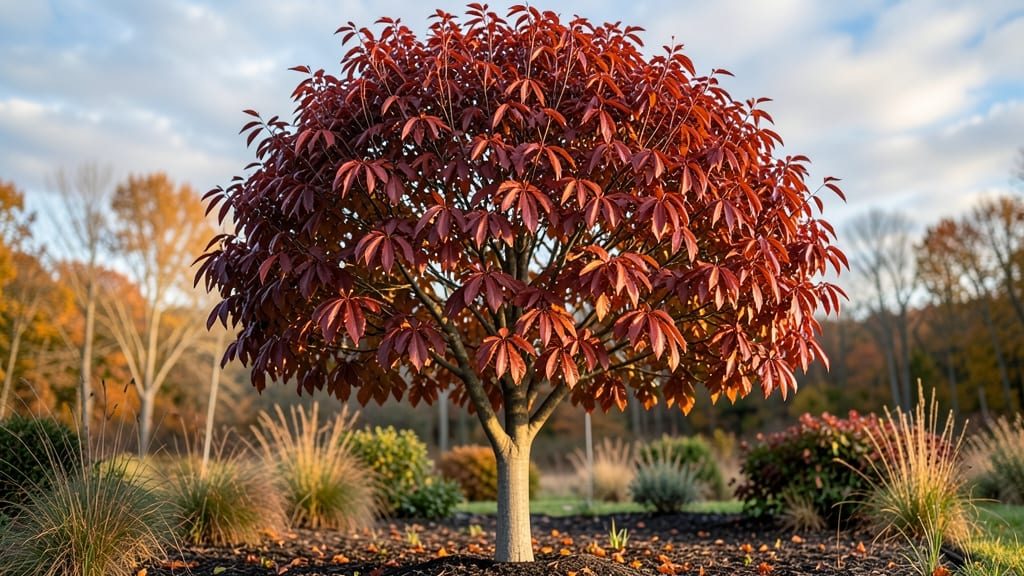
The Rising Sun redbud tree’s fall color is a fiery showstopper that sets the stage for its legendary purple spring blooms—but many gardeners miss the clues this season holds for next year’s performance.
Picture this: your 🌳 Rising Sun redbud in Zone 6a bursts into hues of yellow, orange, and red by late October, signaling it’s working hard to store energy for spring.
But here’s the catch—how you prune now can either amplify that autumn drama or rob your tree of its future glory.
Fall foliage isn’t just pretty; it’s a health report from your tree. Duller colors or early leaf drop? That’s your cue to adjust pruning timing, soil prep, or even watering habits before winter sets in.
In this guide, I’ll walk you through when to prune for maximum fall color and spring blooms, plus the 3 pruning mistakes that secretly sabotage both seasons. Let’s turn your redbud’s autumn show into a year-round highlight.


How fall colors in Rising Sun redbud trees signal pruning needs
The Rising Sun redbud tree (Cercis canadensis 'Rising Sun') transforms your landscape with vibrant purple blooms in spring, but its fall foliage holds the key to next year's performance.
Those fiery yellows, oranges, and reds aren't just autumn beauty—they're a health report from your tree, signaling when and how to prune for optimal growth.
Most gardeners focus on spring blooms, but the fall color intensity directly correlates with bud formation for next spring. A tree with deep red leaves in autumn typically produces more abundant blooms than one with pale yellow foliage.
Understanding this connection helps you time pruning perfectly to preserve energy reserves while shaping your tree.
Key insight: The Rising Sun redbud's fall color spectrum follows a predictable pattern based on nutrient levels, sunlight exposure, and pruning history. By analyzing these colors, you can determine whether your tree needs light pruning to improve airflow, moderate trimming to remove deadwood, or no pruning at all to conserve energy for winter.
| Fall Color | Pruning Signal | Action Required | Best Time to Prune |
|---|---|---|---|
| Deep red | Healthy, vigorous growth | Minimal pruning (remove deadwood only) | Late winter (Feb-March) |
| Orange-yellow | Moderate nutrient levels | Light shaping (20% of branches) | Late fall (Oct-Nov) |
| Pale yellow | Stress or over-pruning | No pruning; focus on soil health | Spring (April-May) |
| Mixed colors | Uneven growth | Target dense branches (30% reduction) | Early winter (Jan) |
The deep red fall foliage you see in healthy Rising Sun redbuds results from high anthocyanin production, a sign of strong root systems and efficient nutrient storage.
This color phase occurs when your tree has 6-8 weeks of warm days followed by cool nights, typically in late October in most USDA zones 5-8.
If your tree displays predominantly orange or yellow leaves, it suggests moderate stress—often from inadequate sunlight or previous year's pruning. In this case, light pruning in late fall (October-November) can stimulate new growth while allowing the tree to store energy for spring blooms.
Focus on removing crossing branches or those growing inward to improve air circulation.
For trees with pale yellow leaves, the message is clear: delay pruning entirely. This color indicates nutrient deficiency or over-pruning from previous years. Instead, amend the soil with compost or organic matter and avoid fertilizing until spring.
The tree needs to conserve energy rather than support new growth before winter.
Timing is everything when pruning based on fall colors. The optimal window for Rising Sun redbuds is late October to early November, after leaves have fully changed but before hard frosts.
Pruning too early removes photosynthetic leaves that could still feed the roots, while pruning too late risks winter dieback from exposed cuts.
Pro tip: Use a sharp bypass pruner to make clean cuts just outside the branch collar. Avoid topping the tree or removing more than 25% of the canopy in one season.
The goal is to shape without shocking the tree, ensuring it enters dormancy with enough energy reserves for next year's purple bloom spectacle.
Remember that fall color intensity also reflects your tree's watering habits during the growing season. Deep, infrequent watering (every 10-14 days) encourages deeper root growth, which translates to richer fall colors and healthier blooms.
If your tree's fall display is lackluster year after year, reassess your watering schedule and soil drainage first.
By mastering the language of fall colors in your
Step-by-step pruning guide for Rising Sun redbud trees in late fall
The Rising Sun redbud tree (Cercis canadensis 'Rising Sun') transforms your yard in late fall with fiery foliage that rivals its spring blooms. To preserve this stunning display and set the stage for next year’s purple blossoms, strategic pruning is essential.
Late fall—specifically October through November—is the ideal window to prune while the tree is dormant but before hard frosts arrive.
Pruning at this time removes weak or dead branches that could detract from fall color while encouraging a healthier growth pattern for spring. However, avoid heavy pruning, as this can stress the tree and reduce its ability to store energy for next year’s vibrant blooms.
Let’s break down the process into clear, actionable steps to ensure your tree stays lush and colorful year after year.
Step-by-Step Pruning Guide for Rising Sun Redbud Trees
-
Step 1: Gather the Right Tools
- Sharp bypass pruners for small branches
- Loppers for medium-sized branches (½"–1½" diameter)
- Sterilized pruning saw for thick branches
- Disinfectant (rubbing alcohol) to prevent disease spread
-
Step 2: Assess the Tree for Pruning Needs
- Identify dead or diseased branches (no leaves, discolored)
- Look for crossing or rubbing branches that weaken structure
- Remove suckers or water sprouts at the base
- Check for overcrowded growth reducing airflow
-
Step 3: Prune for Fall Color Retention
- Cut back dead branches to the collateral bud below
- Avoid removing more than 25% of foliage to preserve energy
- Shape the tree by thinning out dense areas for better light penetration
- Leave healthy branches with fall color potential intact
-
Step 4: Make Clean Cuts for Healing
- Cut at a 45-degree angle just outside the branch collar
- Avoid tearing or stripping bark during cuts
- Remove all stubs to prevent rot or disease
- Sterilize tools between cuts to avoid contamination
-
Step 5: Apply Post-Pruning Care
- Water the tree deeply after pruning to reduce stress
- Add a 2-3 inch layer of mulch around the base (keep away from trunk)
- Monitor for pests or disease in early spring
- Avoid heavy fertilization until new growth appears
Timing is everything when pruning your Rising Sun redbud in late fall. Aim to finish pruning by mid-November to allow the tree to harden off before winter. This timing ensures the tree can retain its fall color while preparing for dormancy.
If you miss this window, wait until early spring (before buds swell) to avoid disrupting the tree’s natural cycle.
After pruning, keep an eye on your tree’s foliage health over the winter months. Healthy branches will develop richer fall colors next year, while stressed branches may produce paler or sparse blooms.
With the right care, your Rising Sun redbud will reward you with a spectacular purple spring display and a showstopping fall foliage show.
Remember, the key to vibrant fall color in your Rising Sun redbud lies in balanced pruning—removing only what’s necessary to maintain health and structure. By following these steps, you’ll ensure your tree stays lush, colorful, and thriving for seasons to come. Happy pruning! 🌳✂️