
Companion Plants
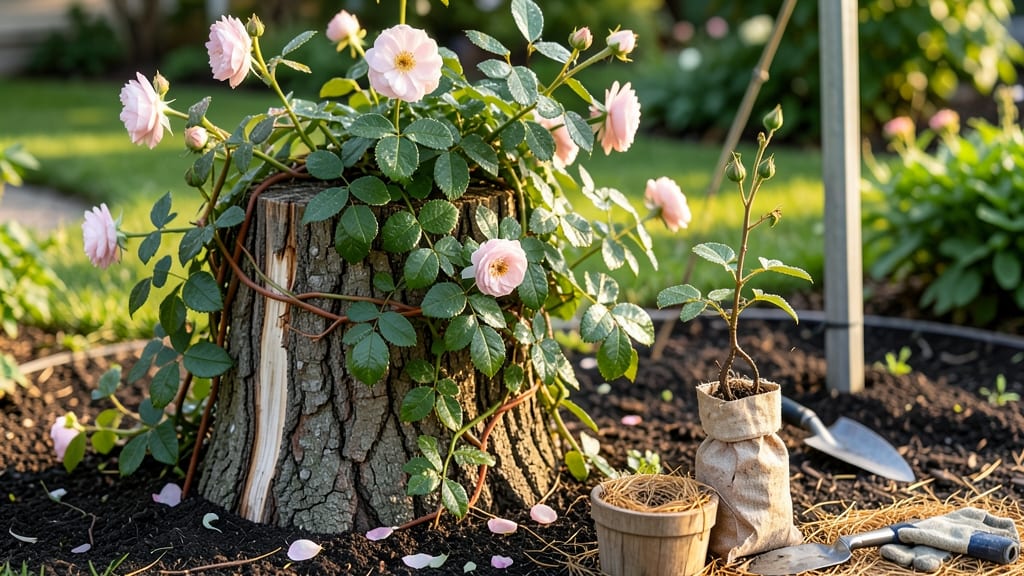
Fast-growing plants to cover tree stumps transform tree stumps into lush, natural-looking features within a single season. 🌿 I’ve covered stumps with everything from creeping jenny to wildflowers, and the right choice turns an eyesore into a garden highlight—no more ugly stumps ruining your yard’s clean lines.
The key is matching your climate and light conditions to hardy, aggressive growers. Native species like Virginia creeper or pachysandra spread quickly, suppress stubborn regrowth, and handle foot traffic better than imported options. A little soil prep—like adding compost or mulch—gives them the boost they need to take over fast.
By late summer, you’ll have a thick, green carpet that hides the stump completely. The best part? These plants need almost no maintenance once established—just occasional trimming to keep them tidy. Perfect for shady spots, sunny borders, or even under trees where grass struggles.
Works in any yard, from formal gardens to wildflower meadows. Here’s how to pick the right plants for your space and climate!
📚 In This Guide
- What you need
- Instructions
- Tips and common mistakes
- Wrapping up and next steps
What you need
- ● Fast-growing ground cover plants: 10–20 plants (quantity depends on stump size; closer spacing = faster coverage)
- ● Recommended varieties: Creeping thyme, clover, moss, or vinca vine (check local climate suitability)
- ● Soil amendments: 2–3 bags (10–20 lbs each) of compost or peat moss (for nutrient-rich soil)
- ● 1 bag of mulch (pine straw or shredded bark, 2–3 cubic feet)
- ● Tools: 1 garden trowel or spade (for digging small holes)
- ● 1 pruning shears (to trim plants to size)
- ● 1 watering can or hose with nozzle (for gentle hydration)
- ● 1 measuring tape (to space plants evenly, ~6–12 inches apart)
- ● 1 stump cover fabric (landscape fabric to suppress weeds)
- ● 1 slow-release fertilizer (granular or liquid, for extra growth boost)
- ● 1 stump grinder or drill bits (if you want to hollow out the stump for planting)
- ● 1 mulch ring or edging (to keep mulch in place and define the area)
- ● 1 pH testing kit (to check soil acidity before planting acid-loving plants like azaleas)
How to select and plant fast-growing groundcovers over tree stumps
Transform that eyesore into a lush, intentional landscape feature in record time.
🌱 Step 1: Choose the Right Fast-Growing Species for Your Climate
Not all groundcovers thrive equally—pick plants that match your zone and moisture conditions. For shady, moist areas, creeping jenny (Lysimachia nummularia) spreads aggressively with bright yellow foliage, while sunny, dry spots favor clover (Trifolium repens), which stays green even in drought. I always verify the mature spread of each plant; some, like pachysandra (Pachysandra terminalis), stay compact at 12-18 inches, while others like mondo grass (Ophiopogon japonicus) can reach 3-4 feet if unchecked.
Check your local nursery for native species—they adapt better and require less maintenance. For example, wild strawberry (Fragaria virginiana) thrives in partial shade and produces edible fruit as a bonus. If your stump sits in full sun, opt for creeping thyme (Thymus serpyllum), which tolerates heat and drought once established. The key is matching the plant’s natural habitat to your site’s conditions.
🪴 Step 2: Prepare the Stump Surface for Planting
Skip the temptation to plant directly into the stump’s decaying wood—it rots too quickly and creates a soggy mess. Instead, remove the top 1-2 inches of rotted wood with a pruning saw or chisel, then fill the cavity with 4-6 inches of fresh potting mix (amended with compost). This creates a stable rooting medium while allowing water to drain properly. I like to add a slow-release fertilizer to the mix—just a handful per stump—to give roots a nutrient boost right away.
For larger stumps, create a raised bed effect by mounding soil around the edges, sloping it gently toward the center. This prevents water pooling, which can suffocate roots. If your stump is still oozing sap, wait until it dries completely before planting—fresh sap inhibits seed germination and root growth. A quick test: press your finger into the stump surface; if it springs back, it’s dry enough.
☀️ Step 3: Plant in a Strategic Pattern for Fast Coverage
Don’t just toss seeds or plugs randomly—space plants in a staggered grid to minimize gaps. For seed-starting species like clover or creeping jenny, sow seeds ½ inch apart in rows 6 inches apart, then thin to 3-4 inches once seedlings emerge. If using plugs or bare-root plants, place them 8-12 inches apart in a diamond pattern; this creates a tighter weave as they fill in. I mark planting spots with a wooden dowel or spray paint to visualize the pattern before digging.
Water deeply immediately after planting to settle the soil and eliminate air pockets. Use a soaker hose or watering wand to deliver moisture 1 inch deep—this encourages roots to grow downward rather than stay shallow. Mulch with 2-3 inches of shredded bark (not wood chips) to retain moisture and suppress weeds. Avoid thick mulch layers; they smother young plants and trap too much heat.
💧 Step 4: Maintain Moisture and Monitor Growth Weekly
For the first 4-6 weeks, check soil moisture daily—young groundcovers dry out faster than established plants. Water early in the morning to reduce evaporation and fungal risks. You’ll know moisture is ideal when the top 1-2 inches of soil feel damp but not soggy. Overwatering here is just as harmful as underwatering; soggy conditions invite rot and pests.
Watch for first signs of spread—creeping jenny sends out runners in 3-4 weeks, while clover forms a dense mat in 6-8 weeks. If you notice bare patches, fill them with additional plugs or scatter fresh seed. For aggressive spreaders like pachysandra, trim back any overgrowth with hand shears to keep it contained. This isn’t about perfection; it’s about guiding the plant to cover the stump uniformly and quickly.
✂️ Step 5: Prune and Refine for a Polished Look After 3 Months
Once the groundcover has fully filled the stump’s surface (usually 8-12 weeks), it’s time to shape it. Use sharp, clean shears to trim back any straggly edges or overgrowth. For textured plants like mondo grass, I like to mow lightly with a string trimmer set to a high blade to encourage denser growth. This step isn’t just about aesthetics—it also stimulates new shoots at the base.
If you planted edible groundcovers like wild strawberry, harvest any excess runners to redirect the plant’s energy into root expansion. For ornamental species, consider adding decorative stones or mulch borders to define the edges. The goal here is to make the stump disappear visually while keeping the groundcover healthy and vibrant. With this method, your stump will look intentional—not like an afterthought—in under a year.
Tips & tricks for fast-growing groundcover over tree stumps
Here's what I've learned after transforming multiple stumps into lush landscape features—these details make all the difference.
Species Selection Strategy: When choosing between creeping jenny and clover for your stump, consider their growth habits. Creeping jenny spreads horizontally with bright yellow foliage that creates a striking contrast, while clover forms a dense mat that's perfect for high-traffic areas. For partial shade, wild strawberry offers the bonus of edible fruit while still providing excellent coverage. I always verify mature spread measurements—pachysandra's 12-18 inch spread makes it ideal for smaller stumps, while mondo grass can handle larger areas if contained.
Stump Preparation Pro Tip: The key to successful planting is creating that stable rooting medium in Step 2. After removing the top 1-2 inches of rotted wood, I recommend adding a layer of landscape fabric at the bottom of your 4-6 inch potting mix to prevent future rot from seeping through. This extra step has saved me from dealing with soggy, rotting stumps later on. For larger stumps, use a level to ensure your raised bed effect has proper drainage—water should flow toward the center, not pool.
Planting Pattern Precision: That staggered grid pattern in Step 3 isn't just decorative—it's a coverage efficiency system. For seed-starting species, I've found that using a small garden rake to create shallow furrows before sowing seeds ½ inch apart helps maintain proper spacing as they germinate. When placing plugs, use a string and stakes to create your diamond pattern before digging—this visual guide ensures perfect spacing every time. The immediate deep watering isn't just about settling soil; it's about encouraging those roots to grow downward where they'll find stability.
Post-Planting Maintenance: During those critical first 4-6 weeks, I've developed a simple moisture test: stick your finger about 1 inch deep into the soil. If it comes out clean, water immediately. If it's damp but not soggy, hold off. The daily moisture checks might seem tedious, but they prevent the two biggest killers—overwatering and underwatering. For aggressive spreaders like pachysandra, I keep a pair of hand shears nearby to trim back any overgrowth that might encroach on your desired coverage area.
Pro Tips for Plants To Cover Tree Stumps
- Here's what I've learned after transforming multiple stumps into lush landscape features—these details make all the difference.
- Species Selection Strategy: When choosing between creeping jenny and clover for your stump, consider their growth habits.
- Stump Preparation Pro Tip: The key to successful planting is creating that stable rooting medium in Step 2.
Frequently asked questions
Got questions about covering tree stumps with plants? You’re not alone! Here are answers to the most common concerns—so you can transform that eyesore into a lush, low-maintenance landscape feature in no time.
What’s the fastest-growing groundcover for covering tree stumps?
For quick results, opt for creeping thyme, clover, or moss—they spread aggressively and smother stumps in 6–12 months. If you prefer shade-tolerant options, ajuga (bugleweed) or sweet woodruff are excellent choices. Just ensure the plant matches your climate and sunlight conditions!
How long does it take for plants to fully cover a stump?
Most groundcovers take 1–3 years for complete coverage, but fast-spreading options like creeping jenny or wild strawberry can do it in 12–18 months with consistent care. Patience pays off—thicker growth means fewer weeds and a polished look!
Can I use mulch instead of plants to hide a stump?
Mulch is a low-maintenance alternative, especially for large or deep stumps. Use wood chips or pine straw (3–4 inches deep) to suppress weeds and decay the stump over time. For a greener look, combine mulch with moss or sedum for a natural blend.
Do I need to remove the stump before planting groundcover?
Not necessarily! Small stumps (4–6 inches in diameter) can be covered directly with plants, but larger ones may need partial removal (grinding down) to prevent rot or pests. If leaving it intact, choose deep-rooted plants like hostas or heucheras to avoid competition.
Will plants attract pests like ants or termites to the stump?
Some stumps (especially oak or pine) are termite magnets, but healthy, fast-growing groundcovers can outcompete pests by shading the wood. To minimize risks, avoid mulching directly against the stump (keep a 2-inch gap) and choose drought-tolerant plants like sedum or ice plant, which deter moisture-loving insects.
What’s the best time of year to plant groundcover over a stump?
Plant in early spring or fall when temperatures are mild and rainfall is consistent. Avoid extreme heat or frost, which can stress young plants. If using moss, wait until the stump is damp but not soggy—moisture is key for its growth!
Wrapping up and next steps
Transforming an unsightly tree stump into a vibrant, functional part of your landscape is simpler than you think! 🌿 By choosing the right fast-growing groundcover, you can turn a bare stump into a lush, green feature in just one year.
Whether you prioritize low maintenance, wildlife support, or sheer beauty, there’s a perfect plant for your needs.
Ready to take action? Pick your favorite groundcover, gather your supplies, and get planting—your stump (and your garden!) will thank you. Start your project today and enjoy a greener, more inviting outdoor space in no time!