
Leaf Blower
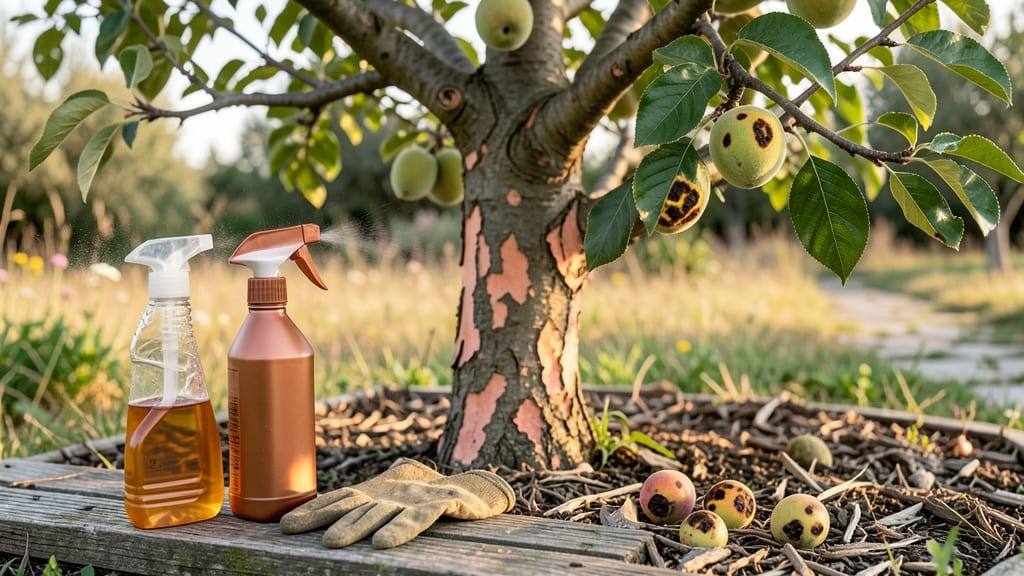
Peach tree leaf spots turn your backyard into a disease battleground faster than you'd think. 🌿 Those ugly brown spots aren't just cosmetic—they drain your tree's energy, weaken branches, and can eventually kill your fruit crop if ignored.
I've battled this exact problem with my 5-year-old Elberta, and I'm sharing the organic fixes that saved it last summer.
The culprits are usually fungal diseases like brown rot or leaf spot, thriving in damp, shady conditions. Overhead watering, poor air circulation, and wet foliage create the perfect storm.
I learned the hard way that chemical sprays alone won't cut it—you need to combine pruning, sanitation, and preventative sprays for real results. The key is acting early before the spots spread beyond control.
You'll start seeing improvement within 2-3 weeks of proper treatment: healthier green leaves, fewer spots appearing, and stronger branches ready for next year's fruit. The organic copper sprays I use smell faintly metallic but work just as well as harsh chemicals without harming bees or your soil.
Your tree will bounce back with proper care, and you'll enjoy peaches again without the constant leaf spot battle.
Works for home orchards, backyard trees, and even container-grown peaches. The same principles apply whether you're dealing with brown rot, leaf spot, or general fungal issues. Let's get your tree back to full strength—naturally.
The Hidden Triggers Behind Leaf Spots
Leaf spots on your peach tree aren’t just random blemishes—they’re often a cry for help from your tree, signaling that something’s gone awry in its environment. Understanding the root causes is the first step to restoring your tree’s health.
Below, we break down the primary culprits behind those unsightly (and potentially damaging) spots, complete with the science and conditions that fuel their spread.
Fungi are the #1 cause of leaf spots on peach trees, thriving in warm, moist conditions. These microscopic organisms release spores that land on leaves, where they germinate and feed on plant tissue, creating the telltale brown, black, or yellow spots you see.
- Key Fungal Culprits:
- Cladosporium (produces olive-green spots with dark borders)
- Cercospora (causes small, angular spots with gray centers)
- Alternaria (leads to dark, concentric-ringed lesions)
- Phyllosticta (creates tiny, circular spots with a dark edge)
- Why They Spread: - High Humidity (60%+): Fungal spores need moisture to germinate.
Prolonged leaf wetness (from rain, dew, or overhead watering) creates the perfect breeding ground. - Warm Temperatures (70–85°F): Fungi grow fastest in this range, which is common during peach tree blooming and fruiting seasons. - Poor Air Circulation: Dense foliage or overcrowded trees trap moisture, giving fungi a foothold.
- Actionable Insight: > 💡 Pro Tip: Prune your tree to improve airflow and remove infected leaves immediately—don’t compost them (spores can survive and reinfect).
Leaf spots don’t appear overnight—they’re often the result of repeated stress from unfavorable weather. While fungi are the direct cause, the wrong conditions make your tree vulnerable.
- Rainfall Overload:
- Frequent, heavy rains wash away protective waxes on leaves, making them susceptible to fungal invasion.
- Solution: If rain is unavoidable, water your tree at the base (not overhead) and avoid late-day watering to allow leaves to dry quickly.
- Sudden Temperature Shifts:
- Cool nights followed by warm days create condensation on leaves, mimicking the moist environment fungi love.
- Solution: Mulch around the base of the tree to regulate soil temperature and reduce stress.
- Drought Stress:
- While too much water helps fungi, too little weakens the tree’s defenses. Drought-stressed trees are more prone to infections.
- Solution: Water deeply 1–2 times per week during dry spells, ensuring the root zone stays moist but not soggy.
A peach tree fighting malnutrition is like a person with a weakened immune system—easier pickings for pathogens. Leaf spots often flare up when the tree lacks critical nutrients.
- Common Deficiencies:
- Nitrogen (N): Leads to pale, yellowing leaves (chlorosis), making them less resilient to fungi.
- Potassium (K): Helps regulate water balance; low levels make leaves more prone to disease.
- Zinc (Zn) or Iron (Fe): Essential for leaf health; deficiencies can cause interveinal spotting (spots between veins).
- How to Fix It:
- Soil Test First: Identify deficiencies before fertilizing. Many leaf spots mimic nutrient issues—don’t guess!
- Organic Boosts:
- Nitrogen: Compost tea or fish emulsion.
- Potassium: Wood ash or greensand.
- Micronutrients: Chelated iron or zinc sprays.
- Warning Sign: > ⚠️ Red Flag: If spots appear only on older leaves or in patches, nutrient deficiency (not just fungi) may be the culprit.
Pests like aphids, mites, and thrips don’t cause leaf spots directly, but their feeding creates wounds that let fungi in. Their sticky honeydew also promotes fungal growth (like sooty mold).
- Top Pest Offenders:
- Aphids: Cluster on new growth, exuding honeydew that fosters mold.
- Spider Mites: Weaken leaves with tiny punctures, making them vulnerable to secondary infections.
- Peach Tree Borers: Damage bark, stressing the tree and reducing its ability to fight disease.
- How to Break the Cycle:
- Monitor Regularly: Check undersides of leaves for pests (use a magnifying glass if needed).
- Natural Controls:
- Neem Oil Spray: Deters pests and has mild antifungal properties.
- Beneficial Insects: Ladybugs and lacewings prey on aphids.
- Prune Infested Branches: Remove heavily damaged areas to stop pest spread.
Sometimes, leaf spots are a symptom of deeper issues, like:
- Root Rot: From overwatering or compacted soil, which starves the tree of oxygen and nutrients.
- Bacterial Cankers: Caused by Pseudomonas or Xanthomonas, leading to oozing lesions and defoliation.
- Viral Infections: Rare but possible (e.g., peach mosaic virus), often spread by sap-sucking insects.
- Diagnostic Checklist:
- Fungal Spots: Irregular shapes, often with spores underneath.
- Bacterial Spots: Water-soaked, then brown with yellow halos.
- Viral: Mosaic patterns, stunted growth, or unusual leaf shapes.
- Prevention:
- Sanitize Tools: Use rubbing alcohol between cuts to avoid spreading pathogens.
- Remove Debris: Fallen leaves and fruit mummies harbor spores—clean up annually.
- Plant Resistant Varieties: Some peach cultivars (e.g., ‘Redhaven’ or ‘Elberta’) are less prone to fungal diseases.
Fixing Fungal Leaf Spots Naturally
Now that you know the culprits behind those pesky peach tree leaf spots—whether it’s Cercospora, Alternaria, or even environmental stress—it’s time to roll up your sleeves and restore your tree’s health. The good news? You don’t need harsh chemicals to turn things around.
With a mix of preventive care, organic sprays, and a few smart gardening tweaks, you can banish leaf spots for good. Let’s dive into practical, step-by-step solutions tailored to each cause.
If leaf spots are caused by fungal pathogens like Cercospora or Alternaria, your first line of defense is preventive sprays and cultural fixes to create an unfavorable environment for spores.
🔥 Step 1: Prune for Better Airflow
Fungi thrive in damp, crowded conditions. Start by removing infected leaves and branches—sterilize your pruners with rubbing alcohol between cuts to avoid spreading spores.
Focus on: - Thinning out dense foliage to improve airflow. - Opening the canopy so sunlight can dry leaves faster. - Cleaning up fallen leaves (a hotspot for fungal spores).
> 💡 Pro Tip: Prune in early morning or late afternoon to avoid stressing the tree in peak heat.
🍳 Step 2: Apply Organic Fungicides
Skip the synthetic fungicides and opt for natural, effective alternatives that disrupt fungal growth without harming beneficial insects or the environment. Here are the top picks:
| Spray Solution | How to Use | Best Time to Apply |
|---|---|---|
| Neem Oil (1%) | Mix 1 tbsp neem oil + 1 tsp mild soap + 1 quart water. Spray undersides of leaves (where spores hide). | Evening, every 7–10 days until new growth appears. |
| Baking Soda Spray | Dissolve 1 tbsp baking soda + 1 tbsp vegetable oil + 1 gallon water. Add a few drops of soap as a surfactant. | Early morning, weekly during wet seasons. |
| Copper Fungicide (Organic) | Follow label instructions (e.g., 0.5–1 lb copper per 100 gallons water). | Preventively in spring, then again after rain. |
| Potassium Bicarbonate | Mix 1 tbsp potassium bicarbonate + 1 tsp soap + 1 gallon water. | Weekly during outbreaks. |
> 🌡️ Warning: Always test sprays on a small leaf first—some trees (like peaches) can be sensitive to copper.
👨🍳 Step 3: Boost Tree Immunity
A healthy tree fights off fungi better. Strengthen your peach tree’s defenses with:
- Balanced fertilization: Use a low-nitrogen, high-potassium fertilizer (e.g., 5-10-10) in early spring to promote resilience.
- Compost tea: Brew a fish emulsion or compost tea (1:10 ratio) and foliar-feed monthly to enhance microbial activity in the soil.
- Beneficial microbes: Apply mycorrhizal fungi or Trichoderma harzianum (a natural soil fungus) to outcompete pathogens.
If leaf spots are environmentally triggered (e.g., excessive moisture, nutrient deficiencies, or physical damage), the fix is simpler: adjust your growing conditions.
⏰ Step 1: Improve Drainage & Watering Habits
- Water at the base (not overhead) to keep leaves dry.
- Avoid late-day watering—wet foliage overnight invites fungal growth.
- Mulch properly: Use 2–3 inches of organic mulch (straw, wood chips) to regulate soil moisture and temperature.
🔪 Step 2: Fix Nutrient Imbalances Yellowing leaves with spots?
Your tree might be zinc- or magnesium-deficient. - Test your soil (a simple DIY kit works) and amend with: - Epsom salt (magnesium sulfate) for yellowing between veins. - Chelated iron for chlorotic (pale) spots. - Lime (if soil pH is too acidic, below 6.0).
🌿 Step 3: Protect from Physical Stress
- Shade cloth: If your tree is in a hot, dry climate, provide 30% shade during peak summer to prevent sun scorch (which weakens leaves).
- Windbreaks: Use bamboo screens or shrubs to shield young trees from harsh winds that tear leaves.
Once your tree is healthy, lock in those gains with these low-maintenance habits:
- Sanitize tools after pruning (bleach or alcohol wipes).
- Rotate sprays (e.g., neem oil one week, baking soda the next) to prevent fungal resistance.
- Plant companion plants like marigolds or garlic nearby—they repel pests and improve soil health.
- Monitor regularly: Check leaves weekly during rainy seasons for early signs of spots.
Final Thought: 🎯 Consistency is key! Fungal leaf spots won’t disappear overnight, but with diligent sprays, proper pruning, and soil care, your peach tree will bounce back stronger—and stay spot-free for seasons to come.
Frequently asked questions about peach tree leaf spots
What do different colored leaf spots mean on my peach tree?
Brown spots with dark borders often signal Cercospora or Alternaria fungi, while yellow halos around spots may indicate bacterial infections. Olive-green spots with dark centers suggest Cladosporium. Concentric rings? That’s likely Phyllosticta. Always check leaf undersides for fungal spores or bacterial oozing to confirm.
Can I still harvest peaches if my tree has leaf spots?
You can harvest peaches, but check for fruit rot first. Fungal leaf spots often spread to fruit as brown rot or peach leaf curl. Remove all infected fruit immediately—don’t compost it! Healthy peaches from spot-free branches are safe to eat, but wash thoroughly before consuming.
How often should I spray my peach tree for leaf spots?
Start with preventive sprays every 7-10 days during rainy seasons or when humidity exceeds 60%. Once spots appear, increase to weekly applications. Rotate between neem oil, baking soda, and copper sprays to prevent fungal resistance. Always spray in the evening to avoid leaf burn.
Will pruning my peach tree help stop leaf spots?
Prune to remove 30-50% of infected leaves and branches, focusing on crowded areas that trap moisture. Sterilize tools between cuts with rubbing alcohol. Thin the canopy to improve airflow—this reduces humidity on leaves by 20-30%, making fungal growth much harder.
Can I use household items to treat peach tree leaf spots?
Yes! Mix 1 tablespoon baking soda + 1 tablespoon vegetable oil + 1 gallon water with a few drops of soap as a surfactant. Spray this solution weekly during outbreaks. For a stronger option, try 1 tablespoon neem oil + 1 teaspoon mild soap + 1 quart water. Both are safe, effective, and won’t harm beneficial insects.