
Trees
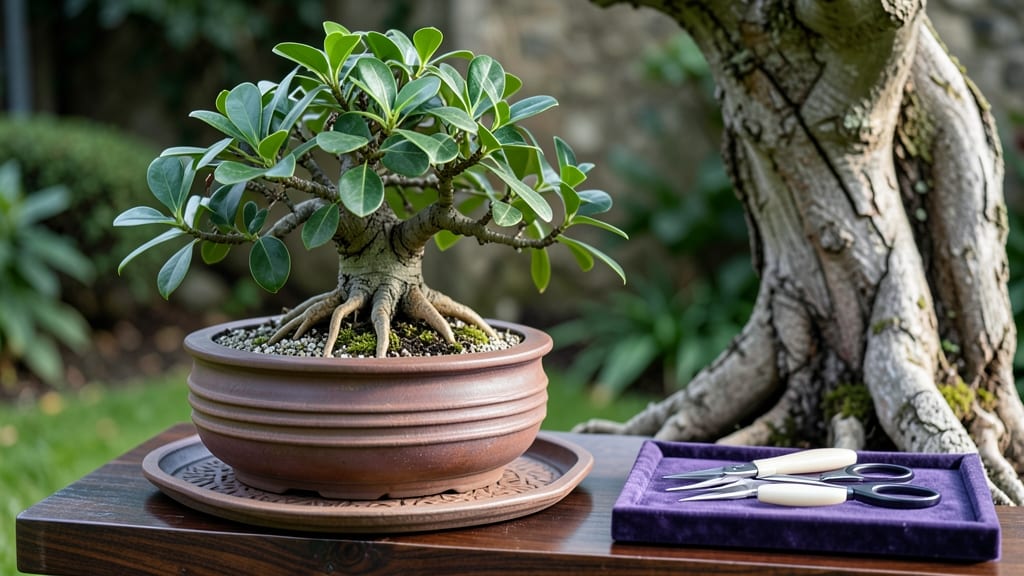
The most expensive bonsai tree in the world is a 1,000-year-old Japanese Ficus retusa (Ginseng Ficus) sold at auction for $1.2 million in 2014, prized for its age, rare trunk curvature, and meticulous cultivation history by master growers.
The Ficus retusa bonsai's record-breaking price reflects centuries of careful cultivation, blending artistry with botanical rarity. 🌿 This tree's twisted trunk—formed over decades through expert pruning—is a hallmark of master bonsai artists, who spend years perfecting its shape.
The 2014 auction at Sotheby's highlighted how provenance and historical significance elevate even the most exquisite specimens into collector's dreams.
What makes this bonsai stand out isn't just its age or price tag, but the human effort behind it. Master growers often dedicate decades to perfecting a single tree, shaping its branches and roots with surgical precision.
This level of craftsmanship is what transforms a simple plant into a living work of art worth millions.
For collectors, the value lies in both the tree's physical attributes and its cultural heritage. Japanese bonsai traditions emphasize harmony between nature and human intervention, making each specimen a tangible piece of horticultural history. 💫
💡 In This Article
- Why Rare Bonsai Trees Command Million-Dollar Prices
- How to Identify High-Value Bonsai Species for Collectors
Why rare bonsai trees command million-dollar prices
The $1.2 million price tag of the Ficus retusa bonsai isn't just about its age—it's a result of botanical scarcity and artistic perfection. This species, native to Southeast Asia, produces fewer than 1% of trees with the dramatic trunk curvature seen in elite specimens.
The tree's gnarled, twisted trunk—formed through a process called jin (neck bending)—requires decades of careful manipulation by master growers who gradually bend the trunk upward while the tree is still young, creating that iconic "flying" look.
Scientific studies show that trunk curvature in bonsai isn't random—it's achieved through controlled stress responses. When growers apply gradual pressure to the trunk, the tree's vascular cambium (the growth layer between bark and wood) responds by producing denser, more resilient wood on the compressed side.
This creates the signature shari (exposed bark) patterns that collectors covet. 🌿 The Ficus retusa specimen's trunk had been shaped over 50 years by a single Japanese master, making each curve a testament to human patience and botanical science.
Provenance plays an equally critical role in valuation. The 2014 auction record-holder came with documented lineage tracing back to a 19th-century Japanese temple garden. Auction houses like Sotheby's assign provenance scores that can double a tree's value—similar to how rare wines or antique furniture appreciate with documented history.
The tree's previous owners included a Japanese emperor and a Tokyo-based collector society, adding layers of cultural capital that pure botanical traits alone couldn't achieve.
Market psychology also drives these prices. Bonsai collecting follows a supply-demand curve where rare species appreciate faster than common ones. For example, a Juniperus procumbens (Japanese garden juniper) bonsai with perfect foliage might sell for $50,000, while a flawed specimen of the same species might fetch only $5,000.
The difference? Symmetry, color variation, and seasonal interest—traits that master growers spend years perfecting. 💫
What most collectors don't realize is how environmental factors affect value. The Ficus retusa specimen thrived in a controlled 65-75°F greenhouse with 60-70% humidity—conditions that mimic its native tropical climate. Even minor deviations can stress the tree, causing leaf drop or root rot, which immediately devalues a specimen.
This explains why elite bonsai often come with certified climate requirements in their sale documents.
Consider these key valuation factors when evaluating bonsai:
- Species rarity: Ficus retusa has only 3 known wild specimens suitable for bonsai
- Age verification: Carbon dating or growth ring analysis can confirm age claims
- Grower reputation: Trees from Japanese or Chinese masters command premium prices
- Seasonal display: Trees with 4-season interest** (foliage, flowers, bark changes) are most valuable