
Pruning
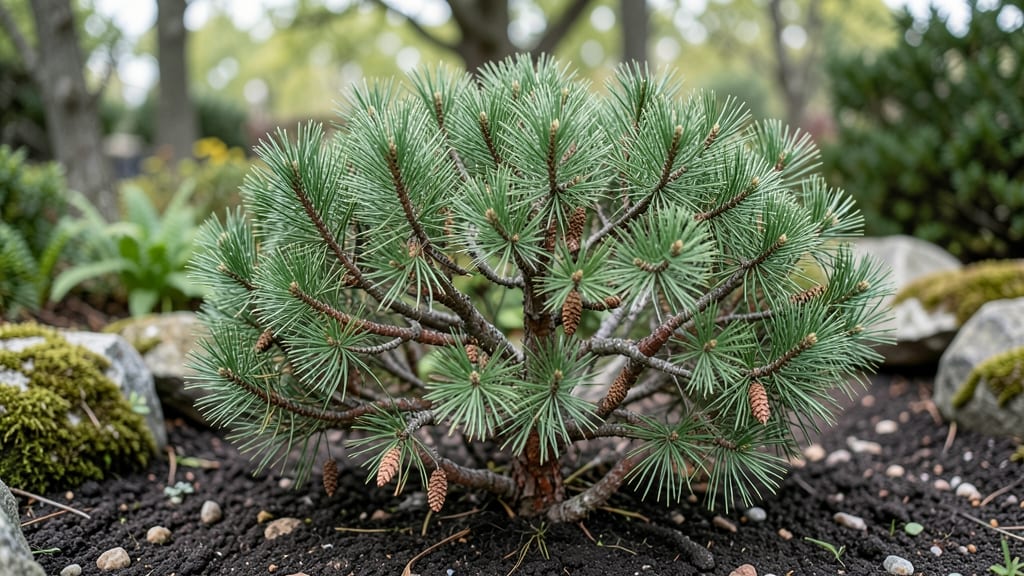
This mini pine tree real brings the forest to your patio—or even your windowsill—without the space commitment. 🌲 I’ve grown Pinus mugo and Pinus sylvestris varieties in containers for years, and these hardy dwarfs thrive where full-size pines would never fit.
The secret lies in choosing the right species, giving them the right conditions, and a little strategic pruning to keep them compact. These trees need well-draining soil (think sand or gravel mix) and full sun—at least 6 hours daily.
Water them deeply but infrequently (once a week in summer, less in winter), and they’ll reward you with year-round greenery. The key to their tiny stature? Pruning in late winter to shape them and remove overgrowth, while leaving the lower branches to create that classic pine silhouette.
By summer, your mini pine will look like it’s been there for decades, with needles soft as velvet and a shape that fits perfectly in a 15-gallon container or a small garden bed. They’re low-maintenance once established, and their scent—fresh, resinous, and nostalgic—is pure magic.
Perfect for balconies, fairy gardens, or even as a centerpiece in a cozy corner. Here’s how to keep them thriving for years.
📚 In This Guide
- What you need
- Instructions
- Tips and common mistakes
- Wrapping up and next steps
What you need
- ● Dwarf Pine Tree: 1–3 Pinus mugo (mugo pine) or Pinus sylvestris (Scots pine) saplings (3–6 inches tall, available at nurseries or online)
- ● OR 1–2 mature dwarf pine trees (1–3 feet tall) for pruning/styling (check local garden centers)
- ● Container: 1–2 ceramic or fabric pots (6–12 inches wide) with drainage holes (for saplings)
- ● OR a shallow decorative tray (for styling pruned branches)
- ● Potting Mix: 1 bag (5–10 quarts) well-draining cactus/succulent mix (or add perlite/pumice to regular soil)
- ● Tools: 1 pair bypass pruners (sharp, clean, and sterilized)
- ● 1 small hand saw (for thicker branches, if needed)
- ● 1 pair gardening gloves (to protect from sap/resin)
- ● 1 spray bottle (for misting)
- ● Decorative Touches: Miniature pine cones, moss, or pebbles (for a "fairy garden" vibe)
- ● Fairy lights or solar-powered LED string lights
- ● Growth Boosters: Slow-release fertilizer pellets (for potted trees)
- ● Rooting hormone (if propagating from cuttings)
- ● Safety: Newspaper or a drop cloth (to protect surfaces during pruning)
How to grow and care for dwarf pine trees in small spaces
These hardy little evergreens bring forest charm to patios and balconies—here’s how to keep them thriving.
🌱 Step 1: Select the Right Dwarf Pine Variety for Your Space
Dwarf pines like Mugo, Ponderosa Blue, or Dwarf Alberta Spruce stay under 6 feet tall and work perfectly in containers or small gardens. I always check the mature height tag—some labeled "dwarf" still grow 10+ feet over time. For true miniatures, look for cultivars like 'Blue Rug' Juniper or 'Globe' Mugo, which max out at 3-4 feet.
Consider your climate zone—coastal pines like 'Pendula' Ponderosa tolerate salt spray, while alpine varieties like 'Little Gem' need well-draining soil. If your space gets full sun, opt for sun-loving types; partial shade suits 'Emerald Sentinel' Spruce. The key is matching the pine’s natural habitat to your microclimate.
🪴 Step 2: Plant in Well-Draining Soil with Proper Container Setup
Use a 12-18 inch diameter pot with drainage holes—dwarf pines hate soggy roots. Fill the bottom 2 inches with gritty mix (I blend 50% potting soil and 50% perlite for airflow). For in-ground planting, amend native soil with 3 inches of compost and 1 inch of coarse sand to prevent root rot.
Plant at the same depth as the nursery container—burying the root flare too deep suffocates the tree. Gently tap the soil around the roots to remove air pockets, then water deeply until it drains from the bottom. Dwarf pines need moderate moisture but dry out faster in containers, so I check soil moisture by sticking my finger 1 inch deep—if dry, it’s time to water.
☀️ Step 3: Provide the Right Light and Temperature Conditions
Most dwarf pines thrive in full sun (6+ hours daily), but varieties like 'Blue Star' Juniper tolerate partial shade. If growing indoors near a window, rotate the pot quarter-turn weekly so the tree grows evenly—you’ll spot leggy growth when one side stretches toward the light. For outdoor potted pines, move them to a sheltered spot in winter to protect from freezing winds and salt spray if near roads.
Temperature extremes stress dwarf pines—keep them in USDA Zones 3-7 (check your variety’s hardiness). In summer, watch for heat stress (needles turn yellow or brown) and provide afternoon shade if temps exceed 90°F. Mulch the root zone with 2 inches of pine bark to regulate soil temperature and retain moisture.
✂️ Step 4: Prune and Maintain for Healthy Growth
Prune in late winter or early spring before new growth starts. Use clean, sharp shears to trim back overly long branches by ⅓ of their length, cutting just above a healthy bud. Avoid heavy pruning—dwarf pines grow slowly, and aggressive cuts stunt their natural shape. I also remove any dead, diseased, or crossing branches to improve airflow and prevent fungal issues.
Fertilize lightly in early spring with a balanced 10-10-10 formula (½ the recommended dose). Over-fertilizing burns roots and causes needle browning. Water deeply once a week in summer, letting the top 2 inches of soil dry between waterings. In winter, reduce watering to every 2-3 weeks unless in a heated space.
🌿 Step 5: Watch for Pests and Diseases Early
Dwarf pines are tough but can fall prey to spider mites, aphids, or pine needle scale. I inspect the undersides of needles weekly—tiny webs or sticky residue mean pests are present. Treat with neem oil spray (mix 1 tbsp neem oil + 1 tsp mild soap per gallon of water) and repeat every 7-10 days until pests disappear. For fungal issues like root rot, improve drainage and avoid overhead watering.
Yellowing needles often signal overwatering or nutrient deficiency. If the problem persists, test the soil pH—dwarf pines prefer slightly acidic soil (pH 5.0-6.5). Amend with sulfur if your soil is too alkaline. With proper care, your dwarf pine will stay lush and compact for decades, making it a low-maintenance centerpiece for small spaces.
Tips & tricks for perfect mini pine tree care
Here's what nobody tells you about keeping these tiny evergreens thriving in limited spaces.
Variety Selection Wisdom: When choosing your dwarf pine, pay close attention to the mature height label—some "dwarf" varieties can still reach 10 feet over time. For true miniature impact, 'Globe' Mugo and 'Blue Rug' Juniper stay compact at just 3-4 feet. I always verify the tag's mature height against my space—nothing worse than realizing your "mini" pine outgrows its container after 3 years. Match your variety to your microclimate: coastal varieties handle salt spray, while alpine types need well-draining soil.
Container Setup Secrets: The 12-18 inch pot size recommendation works perfectly, but I've found adding a layer of hydroponic clay pebbles at the bottom (instead of just perlite) improves drainage while preventing root suffocation. For in-ground planting, don't skip the 3 inches of compost—this creates the ideal airy root zone these trees crave. The 1-inch sand layer prevents compaction, which is especially critical in urban soils that tend to be dense.
Light and Temperature Mastery: The 6+ hours of daily sun requirement is non-negotiable for most varieties, but here's the trick: if you notice needles stretching toward the light, your tree needs to rotate. I set a reminder to turn my indoor potted pines quarter-turn weekly—this prevents that awkward "leggy" growth that ruins the compact shape. For outdoor pines near roads, I always move them to sheltered spots during winter to avoid salt damage from road treatments.
Pruning Precision: That ⅓ length trim recommendation is perfect, but here's what I've learned: always cut just above a healthy bud at a 45-degree angle. This encourages new growth while maintaining the tree's natural shape. I've ruined several pines by cutting too close to the bud—now I use a magnifying glass to spot those tiny growth points. And never prune more than ⅓ in a single session—dwarf pines grow slowly, and aggressive pruning stunts their development for years.
Pro Tips for Mini Pine Tree Real
- Here's what nobody tells you about keeping these tiny evergreens thriving in limited spaces.
- Variety Selection Wisdom: When choosing your dwarf pine, pay close attention to the mature height label—some "dwarf" varieties can still reach 10 feet over time.
- For in-ground planting, don't skip the 3 inches of compost—this creates the ideal airy root zone these trees crave.
Frequently asked questions
Got questions about growing or caring for your mini pine tree (real dwarf varieties)? You’re not alone! Here are some of the most common concerns—and straightforward answers—to help you keep your tiny evergreen thriving in small spaces.
How long does it take for a dwarf pine tree to reach its mature size?
A real mini pine tree (like Pinus mugo or Pinus sylvestris ‘Glauca Globosa’) typically matures in 5–10 years, but some varieties grow slowly—just 1–3 inches per year. Patience pays off! Monitor growth and prune lightly if branches overcrowd. For faster (but still compact) results, choose ‘Little Gem’ or ‘Blue Rug’ cultivars.
Can I grow a dwarf pine indoors year-round?
While some dwarf pines thrive indoors (like Pinus parviflora), most need outdoor conditions for sunlight, airflow, and seasonal dormancy. If you must keep it inside, place it near a south-facing window, use a grow light, and mist leaves weekly to mimic humidity. Warning: Indoor pines may drop needles faster due to dry air—consider a pebble tray!
How do I prune a mini pine tree without killing it?
Prune only in late winter or early spring (before new growth starts) using clean, sharp shears. Cut just above a bud or branch collar (never leave stubs!). For shaping, remove no more than 1/3 of the foliage at once. Avoid pruning in fall—it stresses the tree. Pro tip: Use sterilized alcohol on shears between cuts to prevent disease.
What pests should I watch for in dwarf pine trees?
Common culprits include spider mites, aphids, and pine needle scale. Check for webbed leaves, sticky residue, or tiny bumps on needles. Treat early with neem oil or insecticidal soap. For bark beetles (rare but deadly), remove infested branches immediately and dispose of them far from your yard. Healthy soil and proper watering reduce pest risks!
Are there non-pine alternatives for tiny spaces?
Yes! If pines feel too high-maintenance, try these low-maintenance dwarf evergreens:
- Dwarf Alberta spruce (Picea glauca ‘Conica’) – Slow-growing, conical shape.
- Boxwood ‘Green Mountain’ – Compact, great for hedges.
- Dwarf mugo pyracantha – Berries + thorn-free!
- Japanese garden juniper (Juniperus procumbens ‘Nana’) – Ground cover.
Wrapping up and next steps
Growing a mini pine tree real in your tiny space is not just possible—it’s a rewarding way to bring nature’s charm indoors! Whether you’re drawn to the Pinus mugo or another dwarf variety, these secrets ensure your tree thrives with minimal effort.
Remember, patience and proper care are key—your little pine will reward you with lush greenery and a cozy, forest-like vibe year after year.
Ready to get started? Pick your favorite dwarf pine and grab your pruning shears—your mini forest adventure awaits! 🌲✨