
Pruning
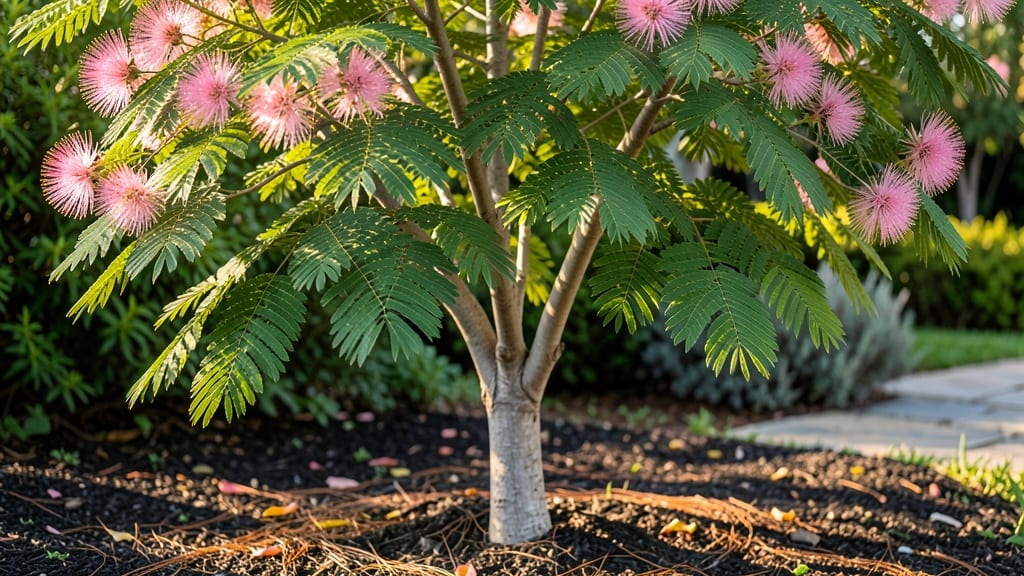
When your mimosa tree needs the help of a serious haircut, you're not alone—these fast growers outpace pruning plans every season. ✂️ I’ve wrestled with leggy branches, tangled trunks, and that "wild meadow" look, and the right cuts make all the difference.
The key isn’t just trimming back growth but shaping for airflow, sunlight, and even pest control. Start with clean, sharp pruners and focus on removing dead, crossing, or inward-growing branches first. Thin out 20-30% of the canopy in late winter or early spring to encourage bushier growth.
Avoid heavy pruning in fall—it stresses the tree before winter dormancy. For pests like spider mites or aphids, a strong jet of water often works before resorting to insecticidal soap. By summer, your mimosa will reward you with fuller foliage and fewer pest problems.
The branches will support themselves better, and you’ll skip the annual "why does this look like a weed?" moment. Just watch for fungal signs like black spots—those mean it’s time to call in reinforcements. This method works for young trees and mature giants alike.
The secret? Consistency—prune the same way every year, and your mimosa will stay healthy, shaped, and pest-free for decades.
📚 In This Guide
- What you need
- Instructions
- Tips and common mistakes
- Wrapping up and next steps
What you need
- ● Pruning shears: Bypass pruners (for clean cuts on small branches, ¼"–½" capacity). 1 pair (sharp and well-oiled).
- ● Loppers: Bypass or anvil type (for thicker branches, ¾"–1½" capacity). 1 pair (extendable loppers for taller trees are a game-changer!).
- ● Pruning saw: Curved-tooth handsaw (for branches thicker than 2"–3"). 1 saw (avoid rust—opt for stainless steel).
- ● Gloves: Heavy-duty gardening gloves (cut-resistant, like mechanics' gloves or pruning-specific). 1–2 pairs (mimosa thorns are no joke!).
- ● Safety glasses: ANSI-rated (to protect against debris). 1 pair (non-negotiable!).
- ● Ladder: Sturdy, extendable aluminum ladder (24–32 ft, with non-slip feet). 1 ladder (or hire a professional for tall trees!).
- ● Disinfectant: 70% isopropyl alcohol or bleach solution (1 part bleach to 9 parts water). Small spray bottle (sterilize tools between cuts to prevent disease).
- ● Trash bags: Heavy-duty contractor bags (30–50 gallon). 2–3 bags (for debris disposal).
- ● Rake or broom: Sturdy garden rake (for clearing fallen leaves/debris). 1 tool.
- ● Pole saw: For high branches (if you’re avoiding a ladder).
- ● Tree wound dressing: Pruning sealant (controversial, but some swear by it for larger cuts).
- ● Work boots: Steel-toe or composite-toe (extra protection for thorny trees).
- ● Pruning rope: For securing branches during heavy pruning.
- ● Camera or phone: Document before/after shots (track your tree’s growth progress!).
Step-by-step guide to pruning your mimosa tree
Keep your mimosa tree lush and manageable with these simple pruning steps—no green thumb required.
✂️ Step 1: Time Your Pruning for Best Results
Late winter or early spring is ideal—just before new growth begins. This ensures you're cutting back dormant branches, which heal faster and encourages fresh, vibrant blooms. If you must prune later, avoid heavy cuts after mid-summer, as new growth won't harden off before winter. You'll know it's the right time when you see buds swelling on the branches.
For established trees, a light shaping trim in late summer after flowering is fine, but avoid heavy pruning then. Mimosa trees bloom on old wood, so removing too many branches in summer can reduce next year's flowers. Think of it like trimming your hair—you wouldn’t cut it all off at once, just shape it gradually.
✂️ Step 2: Gather the Right Tools for Clean Cuts
Use sharp, clean pruning shears for smaller branches and a pruning saw for thicker stems over ½ inch in diameter. Disinfect your tools with rubbing alcohol between cuts to prevent spreading disease. I like to keep a small bottle of alcohol in my tool belt—just wipe down blades after every 3-4 cuts, and you'll avoid fungal issues entirely.
Wear gloves too—mimosa branches have thorns that can snag and irritate skin. Long sleeves are a good idea as well, since the branches can be brittle and snap back unexpectedly. You'll thank yourself later when your hands aren't covered in scratches.
✂️ Step 3: Remove Dead, Diseased, or Crossing Branches First
Start by scanning the tree for any branches that are dead (no green bark or leaves), diseased (mushy spots, black streaks, or oozing sap), or crossing (rubbing against each other). These should go first—they’re the easiest to spot and the most critical to remove. Cut these back to the main trunk or a healthy lateral branch, making your cut at a 45-degree angle just outside the branch collar.
If you’re unsure whether a branch is dead, scratch the bark with your fingernail. Live wood is greenish underneath, while dead wood is brown or black. Never leave dead branches on the tree—they drain energy from the healthy parts and can invite pests. Think of it like removing a splinter: the sooner you get it out, the better the tree will heal.
✂️ Step 4: Shape the Tree Gradually for a Natural Look
Step back and assess the tree’s overall shape. Mimosa trees grow in a rounded, vase-like form, so aim to maintain that silhouette. Remove no more than 25% of the tree’s foliage in one season—this prevents stress. Start by thinning out the interior branches to improve airflow and sunlight penetration, which reduces disease risk.
For height control, focus on cutting back the longest branches first. Make your cuts just above a leaf node or bud, angled slightly away from it. Avoid "topping" the tree by cutting the main trunk—this creates ugly stubs and encourages weak, bushy growth. Instead, prune selectively to guide the tree’s natural shape, like sculpting with branches.
✂️ Step 5: Clean Up and Monitor Your Tree
After pruning, rake up and dispose of all clippings—don’t leave them on the ground, as they can harbor pests or diseases. Water the tree deeply to help it recover, especially if you’ve made heavy cuts. You’ll see new growth within 4-6 weeks, signaling the tree is healing well.
Keep an eye on the pruned areas for the first few weeks. If you notice oozing sap or unusual wilting, it could mean you cut too close to the branch collar or the tree is stressed. In that case, trim back just a little more to expose healthy tissue. With proper care, your mimosa will reward you with lush foliage and those iconic pink blooms all season long.
Tips & tricks for perfect mimosa tree pruning
These simple strategies will help you maintain your mimosa tree's health and beauty with less stress and more success.
Timing is Everything: Late winter or early spring is the absolute best time to prune your mimosa tree because the tree is still dormant but about to burst with new growth. I've learned this the hard way—after pruning in summer once, I ended up with fewer blooms the following year. The key is to prune just as you see those first buds swelling on the branches. This timing ensures you're cutting back old wood while encouraging fresh, vibrant growth. If you must prune later, a light shaping trim in late summer after flowering is fine, but avoid heavy cuts.
Tool Preparation Matters: Your pruning tools can make or break the process. Always use sharp, clean pruning shears for branches under ½ inch in diameter, and a pruning saw for thicker stems. I keep rubbing alcohol handy to disinfect my tools between cuts—this simple step prevents spreading disease from one branch to another. Don't forget to wear gloves and long sleeves; mimosa branches have thorns that can leave painful scratches. Trust me, you'll appreciate the protection when you're making multiple cuts.
Cutting Technique for Healthy Growth: When removing branches, always make your cuts at a 45-degree angle just outside the branch collar—the swollen area where the branch meets the trunk. This technique promotes faster healing and prevents water from pooling in the wound. If you're unsure whether a branch is dead, scratch the bark with your fingernail—live wood will be greenish underneath, while dead wood will be brown or black. Removing dead branches first is crucial because they drain energy from the healthy parts of the tree and can invite pests.
Monitoring After Pruning: After you've finished pruning, keep an eye on the tree for the first few weeks. Look for signs of stress like oozing sap or unusual wilting, which might mean you cut too close to the branch collar. If you notice these signs, trim back just a little more to expose healthy tissue. Deeply water the tree, especially if you've made heavy cuts, and you should see new growth within 4-6 weeks—a sure sign your mimosa is healing well.
Pro Tips for Mimosa Tree The Help
- These simple strategies will help you maintain your mimosa tree's health and beauty with less stress and more success.
- Timing is Everything: Late winter or early spring is the absolute best time to prune your mimosa tree because the tre...
- Tool Preparation Matters: Your pruning tools can make or break the process. Always use sharp, clean pruning shears fo...
Frequently asked questions
Got questions about pruning your mimosa tree? You’re not alone!
Here are some of the most common concerns—and their answers—to keep your tree thriving year-round.
When is the best time to prune a mimosa tree?
The ideal time to prune is late winter or early spring (before new growth starts) to avoid disturbing nesting birds or promoting disease. Light trimming can also happen in summer to shape the tree, but avoid heavy cuts during flowering season (spring).
Will pruning my mimosa tree harm its flowers?
Pruning after flowering (late spring/early summer) minimizes impact on blooms. However, heavy pruning too early can reduce flower production. Focus on structural shaping in dormant seasons and light maintenance during bloom time to preserve those iconic puffball flowers!
How much can I trim back a mimosa tree?
Mimosa trees tolerate moderate pruning—up to 25-30% of the canopy per year. Avoid over-pruning (more than 30%) in a single session, as it stresses the tree. For large cuts, spread them over 2-3 years to encourage healthy regrowth.
What should I do if birds nest in my mimosa tree?
If birds have nested, wait until after fledglings leave (usually late summer). Trim carefully to avoid disturbing nests, and relocate any active nests to a safer spot. Mimosa trees are popular for nesting—plan pruning around bird migration seasons (spring/fall) for ethical care.
Can I prune a mimosa tree in fall or winter?
Yes, but avoid heavy pruning in late fall or winter (especially in cold climates), as it can leave cuts vulnerable to frost damage. Light shaping is fine, but prioritize dormant-season pruning in late winter (just before buds swell) for best results.
What if my mimosa tree isn’t growing after pruning?
Slow growth could mean over-pruning, poor soil, or disease. Check for yellowing leaves (nutrient deficiency) or mushy stems (root rot). Adjust pruning to lighter cuts, fertilize with phosphorus-rich soil, and ensure proper drainage. Patience helps—mimosa trees recover slowly!
Wrapping up and next steps
Mastering the art of mimosa tree pruning doesn’t have to feel overwhelming—just break it down into manageable steps, and you’ll enjoy a beautifully shaped tree year after year! 🌿 Whether you’re trimming for aesthetics, health, or seasonal blooms, consistency and patience are your best allies.
Now that you’re armed with the right tools, techniques, and answers to common questions, it’s time to roll up your sleeves and get pruning.
🌱 Next Steps:
- Pick a day—choose a calm, dry morning to start your pruning adventure.
- Grab your tools—double-check your pruners, gloves, and safety gear.
- Observe and act—watch your mimosa tree bloom and grow, adjusting your pruning plan as needed.
You’ve got this! Every cut brings your tree one step closer to its best shape—so let’s make it happen. 🌟