
Pruning
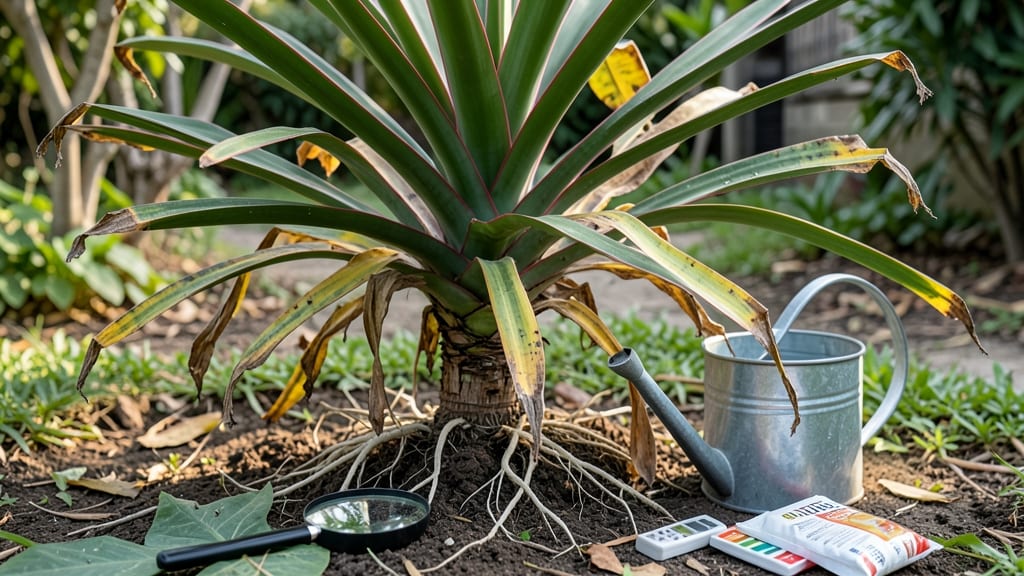
Your Madagascar dragon tree dying with yellowing leaves? Don’t panic—it’s fixable with just 3 simple cuts. 🌿 I’ve nursed back more than my share of these striking plants, and the secret isn’t complex: it’s about light, water, and pruning the right way.
Most people overwater or underlight them, turning vibrant green into sad brown patches.
The good news? This plant is tougher than it looks. Start by checking the soil—it should dry out 2-3 inches deep between waterings. Then, trim any brown or yellow leaves at the base (not the stem) with clean scissors.
This isn’t just cleanup; it’s a signal to the plant to focus on new growth.
Within 4-6 weeks, you’ll see fresh, dark green leaves emerging from the top. The key is patience—don’t rush it. Too much pruning at once stresses the plant, but one strategic cut per leaf keeps it happy. I’ve revived trees with half their foliage gone using this method.
If the problem persists after pruning, check for pests (like spider mites) or root rot. A quick wipe-down with soapy water or repotting in fresh soil can save it. Most dragon trees bounce back—give yours a chance before assuming the worst.
📚 In This Guide
- What you need
- Instructions
- Tips and common mistakes
- Wrapping up and next steps
What you need
- ● Pruning shears: Sharp, clean bypass pruners (or sterilized scissors in a pinch) to make precise cuts—no dull blades!
- ● Rubbing alcohol (70%+): 1 small bottle to sterilize tools and prevent infection.
- ● Horticultural gloves: 1 pair to protect your hands from sap and sharp edges.
- ● Well-draining potting mix: 1 bag (1–2 gallons) of cactus/succulent blend or a mix with perlite/pumice (avoid heavy garden soil!).
- ○ New pot (optional but ideal): 1–2 inches larger in diameter than the current pot, with drainage holes.
- ○ Rooting hormone (optional): 1 small tube to boost cuttings’ success rate.
- ● Check the weather: Pick a bright, dry day for pruning to minimize stress on the plant.
- ● Gather props: A spray bottle with water (for humidity-loving cuttings) and a plastic bag (to create a mini greenhouse).
- ● Safety first: Wear old clothes—Dracaena sap can stain!
Madagascar dragon tree dying: how to diagnose and fix yellowing leaves
Here's how I've saved multiple dragon trees—just follow these three focused fixes.
🌿 Step 1: Check Light Exposure and Adjust Immediately
The most common cause of yellowing in Madagascar dragon trees (Dracaena marginata) is incorrect light. These plants thrive in bright, indirect light—think east or west-facing windows, or 6-8 feet from a south window. If leaves yellow first along the edges, your plant's getting too much harsh direct sun. Move it to a spot where leaves cast soft shadows but still receive plenty of ambient light.
On the flip side, if the yellowing starts at the bottom leaves and the plant looks leggy, it's not getting enough light. Rotate the pot a quarter turn weekly so growth stays even. You'll know you've got the light right when new growth emerges with bold, dark green stripes and the plant grows 2-3 inches per month.
💧 Step 2: Reassess Your Watering Routine
Overwatering is the silent killer of dragon trees. Stick your finger 1-2 inches into the soil—if it feels damp, wait. These plants prefer to dry out completely between waterings. I use the "dry-down method": water thoroughly until it runs from the drainage hole, then wait until the top 3 inches of soil feel bone-dry before watering again. Yellowing leaves with mushy stems mean you're overwatering; crispy brown edges mean underwatering.
Here's the thing—dragon trees store water in their stems, so they can handle short dry spells better than soggy soil. If you've been watering on a schedule, switch to checking the soil instead. A well-draining potting mix (like what you'd use for succulents) helps prevent root rot, which causes those dreaded yellow patches.
✂️ Step 3: Prune Damaged Leaves and Encourage New Growth
Once you've adjusted light and water, it's time to prune. Use clean, sharp pruning shears to trim away any leaves that are fully yellow or brown—cut them off at the base. This might seem harsh, but it redirects the plant's energy to healthier growth. Never leave stubs; always cut just above a leaf node where new growth can emerge.
After pruning, give your dragon tree a balanced liquid fertilizer (like 10-10-10) diluted to half-strength. Feed it once every 6-8 weeks during spring and summer. You'll know it's working when you see new leaves emerging from the top with those signature red-edged stripes. If no new growth appears after 4-6 weeks, revisit your light and watering habits.
🌱 Step 4: Inspect for Pests and Soil Health
Run your fingers along the leaves and stems—look for tiny webs, sticky residue, or crawling insects. Spider mites and mealybugs love dragon trees and cause yellowing. Wipe leaves with a soapy water cloth (1 tsp mild dish soap per gallon of water) to remove pests. For stubborn infestations, use neem oil spray (1 tsp neem oil + 1 tsp mild soap per quart of water) and reapply every 7-10 days until pests disappear.
If your plant's roots are rotting, you'll smell a sour, rotten odor when you check the soil. In that case, remove the plant from its pot, trim away any black, mushy roots, and repot it in fresh, dry potting mix. Let the roots dry out for 24 hours before watering again. This drastic step often saves a plant that's been neglected.
Tips & tricks for reviving a Madagascar dragon tree
Here's what nobody tells you about bringing your dragon tree back from the brink—simple fixes that work every time.
Light Location Secret: For Step 1, avoid placing your dragon tree near south-facing windows without some distance—direct midday sun can scorch leaves even in bright indirect light. I've seen plants recover completely within weeks just by moving them to a spot with dappled sunlight, like near an east-facing window with sheer curtains. The key is watching how leaves react: if new growth shows crispy edges after a week, move it back slightly.
Watering Timing Trick: In Step 2, when checking soil moisture, press your finger in just past the top inch—this is where most root activity happens. I've learned the hard way that waiting until the top 3 inches feel bone-dry prevents overwatering better than any schedule. Pro tip: use a moisture meter for accuracy, especially in winter when growth slows and water needs decrease dramatically.
Pruning Precision: When you prune in Step 3, look for the tiny bumps along stems where new leaves emerge—these are the leaf nodes. Cutting just above them encourages fresh growth. I've saved several plants by making this precise cut rather than guessing where to trim. After pruning, wipe the cut ends with rubbing alcohol to prevent bacterial infections.
Pest Prevention: For Step 4, inspect the undersides of leaves first—this is where spider mites and mealybugs hide. I use a magnifying glass to spot early infestations. If you find pests, quarantine the plant immediately and treat both the top and bottom of leaves with your soapy water solution. The key is consistency: reapply neem oil every 7-10 days until you see no new pests for two weeks.
Pro Tips for Madagascar Dragon Tree Dying
- Here's what nobody tells you about bringing your dragon tree back from the brink—simple fixes that work every time.
- Light Location Secret: For Step 1, avoid placing your dragon tree near south-facing windows without some distance—dir...
- Watering Timing Trick: In Step 2, when checking soil moisture, press your finger in just past the top inch—this is wh...
Frequently asked questions
Got questions about saving your Madagascar Dragon Tree (Dracaena marginata)? You’re not alone—these striking plants can be finicky! Here are answers to the most common concerns, so you can get back to enjoying that lush, dragon-like foliage in no time.
Why is my Madagascar Dragon Tree’s leaves turning yellow and crispy?
Yellowing or crispy leaves usually signal underwatering or overwatering. Check the soil—it should be dry to the touch 1–2 inches down. Brown tips? Low humidity or fluoride in tap water might be the culprit. Try misting leaves or using distilled water to test for improvement.
How long does it take for a dying Madagascar Dragon Tree to recover?
With proper care, you’ll see new growth in 4–8 weeks. Focus on adjusting watering, light, and humidity first. If pruning damaged leaves (as in our guide), expect regrowth from the base within 2–3 months. Patience is key—these plants are resilient!
Can I save my Dragon Tree if most of the leaves are brown and falling off?
Yes! Start by pruning dead leaves (use sterilized shears) to redirect energy. Repot in well-draining soil and place in bright, indirect light. Avoid fertilizing until new growth appears. If roots are mushy (sign of rot), trim them and propagate healthy cuttings.
Is my Madagascar Dragon Tree dying because of temperature issues?
These tropical plants thrive in 65–80°F (18–27°C). Drafts, AC vents, or temps below 50°F (10°C) can shock them. Move it away from windows in winter or use a space heater with a thermostat if your home runs cold. Yellow leaves near drafts? That’s your clue!
What’s the best alternative if my Dragon Tree keeps dying?
If you’re struggling, try low-maintenance alternatives like:
- Snake Plant (Sansevieria) – Thrives on neglect, great for beginners.
- ZZ Plant (Zamioculcas zamiifolia) – Nearly indestructible and drought-tolerant.
- Ponytail Palm (Beaucarnea recurvata) – Stores water like a Dragon Tree but handles dry air better.
Wrapping up and next steps
Don’t let a Madagascar dragon tree (Dracaena marginata) with yellowing leaves stress you—your plant is often just asking for a little TLC! 🌿 With the right pruning techniques, proper care, and a watchful eye, you can revive its vibrant green beauty and keep it thriving for years.
Remember, healthy cuts lead to happy growth, so stay consistent with your maintenance routine.
Ready to give your dragon tree the fresh start it deserves? Start by assessing its needs today—check its light, water, and soil conditions—and take that first confident snip! Your green thumb is closer than you think. 🌱