
Container Gardens
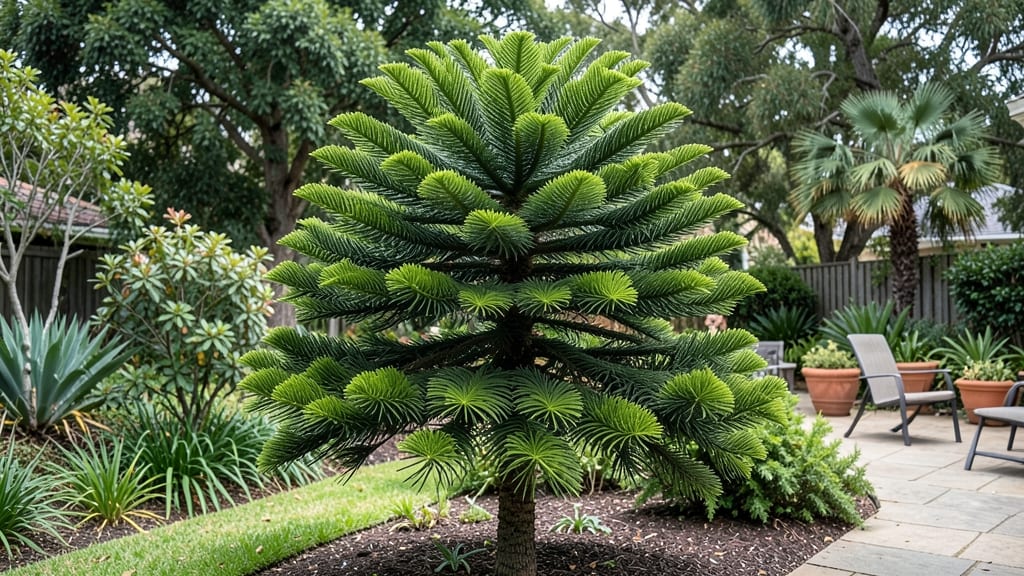
A live pine tree in a pot brings forest-fresh beauty to patios, balconies, or sunny windowsills—no yard required. 🌲 I’ve grown potted pines for years, and the secret to their thriving isn’t complicated: the right dwarf species, a breathable container, and a soil mix that mimics their natural acidic home.
Most people overwater or underestimate their sun needs, which is why so many pines struggle in pots. The key is matching your pine’s size to its container—5-gallon pots work for dwarf varieties like ‘Mugo’ or ‘Pugio,’ while larger species need 15+ gallons to prevent root crowding.
Use a mix of 60% pine bark, 30% peat moss, and 10% perlite to keep roots happy and water flowing freely. My pines stay lush because I water deeply only when the top inch of soil feels dry, and I never let them sit in soggy soil.
By summer, you’ll see fresh needles and slow, steady growth—3-6 inches per year, depending on the variety. The scent of pine needles in your space is unbeatable, and with proper care, these trees can live for decades in containers.
They’re also surprisingly low-maintenance once you get the basics right. This works for urban balconies, rustic porches, or even indoor winter displays (with bright light). Let’s get your pine thriving—no green thumb required!
📚 In This Guide
- What you need
- Instructions
- Tips and common mistakes
- Wrapping up and next steps
What you need
- ● Pine Tree Seedling or Small Sapling: Choose a slow-growing variety like Pinus mugo (mugo pine) or Pinus sylvestris (Scots pine) for pot-friendly growth.
- ● Size: 1–3 feet tall (smaller = easier to manage).
- ● Container: Material: Terracotta, ceramic, or plastic (terracotta wicks away moisture best).
- ● Size: At least 12–18 inches in diameter and depth (bigger = fewer repotting needs).
- ● Drainage: 5+ drainage holes (non-negotiable!).
- ● Potting Soil: 1–2 gallons of well-draining, acidic soil mix (pH 4.5–6.0).
- ● Blend: 50% peat moss or coconut coir + 30% perlite/pumice + 20% compost.
- ● Fertilizer: Slow-release, acidic fertilizer (e.g., 10-10-10 or 14-14-14 labeled for evergreens).
- ● Apply once in early spring (follow package rates).
- ● Garden Gloves (to protect hands from sharp pine needles).
- ● Trowel or Spade (for planting and soil adjustments).
- ● Watering Can with Narrow Spout (avoids soil erosion).
- ○ Mulch (Optional): 1–2 inches of pine bark or wood chips (retains moisture, suppresses weeds).
- ○ Saucer or Tray (Optional): For catching excess water (prevents root rot).
- ○ Support Stake (Optional): Use if your pine grows taller than 3 feet (prevents tipping).
- ● Sunlight Access: At least 6 hours of direct sunlight daily (south-facing windows or outdoor space).
- ● Temperature Range: 40–80°F (protect from extreme cold or heat).
- ● Patience: Pines grow slowly—plan for 1–3 inches of growth per year!
How to grow a live pine tree in a pot for year-round greenery
Here's how to keep your container pine thriving—no green thumb required, just patience and the right care.
🪴 Step 1: Choose the Right Pine and Container Setup
Start with a dwarf or slow-growing pine variety like 'Mugo' or 'Blue Rug'—they adapt best to containers. Avoid fast-growing species that outgrow pots quickly. Pick a container with drainage holes at least 12-18 inches deep (deeper for larger varieties) and 2-3 inches wider than the root ball. I use unglazed terra cotta because it breathes, but any container works as long as it drains well.
Fill the bottom 2 inches with gravel or coarse sand to improve drainage. This prevents root rot, which is the #1 killer of potted pines. If your pot lacks drainage, drill holes—pines hate soggy feet. Place a mesh screen over the holes to keep soil in while allowing water to escape.
🌱 Step 2: Plant Using Well-Draining Soil and Proper Technique
Use a fast-draining potting mix—never garden soil. I blend 50% peat moss or coconut coir, 30% perlite, and 20% coarse sand for the perfect balance. Fill the pot ⅓ full, then gently remove the pine from its nursery container and loosen the roots if they're circling. This encourages outward growth instead of root-bound stress.
Place the pine in the center of the pot and fill around the roots with soil, pressing lightly to eliminate air pockets. Leave 1 inch between the soil surface and the pot rim—this prevents overflow when watering. Water deeply until it drains from the bottom, then let excess water pool in the saucer evaporate before returning the pot to its spot.
☀️ Step 3: Position for Sunlight and Airflow
Pines need full sun—at least 6-8 hours daily—but they also appreciate afternoon shade in hot climates. A south- or west-facing spot works best. If indoors, place near a sunny window or supplement with a grow light for 12-14 hours daily. You'll know your pine is happy when its needles stay vibrant green and new growth appears in spring.
Ensure good airflow—pines hate humidity buildup, which invites fungal diseases. Space pots 6-12 inches apart and avoid cramming them into tight corners. If you notice brown needles or white powdery spots, increase airflow immediately. A small fan on low can help mimic outdoor conditions.
💧 Step 4: Water and Fertilize for Long-Term Health
Water when the top 1-2 inches of soil feel dry—stick your finger in to check. Pines prefer dry soil over soggy roots, so water deeply but infrequently. In summer, this might mean every 5-7 days; in winter, every 2-3 weeks. Always water until it drains from the bottom, then empty the saucer to prevent root rot.
Fertilize once in early spring with a slow-release, acid-loving plant fertilizer (like one formulated for azaleas or rhododendrons). I use ½ the recommended dose to avoid burning the roots. Skip fertilizing in fall and winter—pines go dormant and don’t need extra nutrients. Yellow needles often signal over-fertilization, so cut back if you see this.
✂️ Step 5: Prune and Repot for Longevity
Prune only to shape—never to encourage growth. Use clean, sharp shears to trim brown or damaged branches in late winter or early spring. Avoid cutting into old wood, as pines don’t regenerate well. If your pine looks leggy, you’ve likely waited too long to repot—this happens when roots fill the container.
Repot every 2-3 years in spring when roots circle the pot. Choose a container only 2-3 inches larger—bigger pots encourage root growth over foliage. Refresh the soil with new potting mix and trim 10-20% of the oldest roots to encourage new growth. This keeps your pine compact and healthy for decades.
Tips & tricks for thriving potted pine trees
Here's what nobody tells you about keeping container pines alive and looking their best year after year.
Drainage is Everything: I can't stress this enough—root rot is the silent killer of potted pines. If your pot doesn't have drainage holes, drill them yourself (seriously, don't skip this). For extra insurance, add a 2-inch layer of gravel or coarse sand at the bottom before planting. This creates a natural barrier that prevents water from pooling around the roots. I've seen pines die within weeks from soggy soil, and it's always because of poor drainage.
The Right Soil Mix Makes All the Difference: That 50% peat moss or coconut coir, 30% perlite, and 20% coarse sand blend isn't just a suggestion—it's non-negotiable for container pines. Regular potting mix holds too much moisture. If you're using coconut coir, make sure it's well-rinsed first to remove excess salts. Pro tip: Add a handful of orchid bark to improve aeration if you notice your pine's growth slowing.
Sunlight Secrets for Indoor Pines: Those 6-8 hours of daily sun are critical, but indoor lighting tricks can make all the difference. If your pine isn't getting enough light, rotate the pot quarter-turns every few days so all sides get equal exposure. For indoor setups, supplement with a grow light on a timer for 12-14 hours daily—just keep it 6-12 inches away to avoid burning the needles. I've had pines thrive in north-facing windows with just grow lights during winter months.
Watering Wisdom You'll Regret Ignoring: The top 1-2 inches dry rule is your best friend, but here's the secret: water until it drains from the bottom, then wait until the saucer is completely dry before watering again. I check this by lifting the pot—if it feels light, it's time to water. Overwatering is the #1 reason pines develop brown needles. In winter, you might only need to water every 2-3 weeks, so don't follow a rigid schedule—check the soil first.
Pro Tips for Live Pine Tree In A Pot
- Here's what nobody tells you about keeping container pines alive and looking their best year after year.
- Drainage is Everything: I can't stress this enough—root rot is the silent killer of potted pines.
- The Right Soil Mix Makes All the Difference: That 50% peat moss or coconut coir, 30% perlite, and 20% coarse sand blend isn't just a suggestion—it's non-negotiable for container pines.
Frequently asked questions
Got questions about keeping a live pine tree thriving in a pot? You’re not alone! Here are some of the most common concerns—and their simple solutions—to help you enjoy your evergreen beauty year-round.
What’s the best type of pine tree for a pot?
Opt for slow-growing, dwarf varieties like Pinus mugo (mugo pine) or Pinus thunbergii (Japanese black pine). These handle container life well and stay compact (3–6 feet tall). Avoid fast-growing species—they outgrow pots quickly and struggle with root-bound stress.
How do I protect my potted pine from winter damage?
Move pots to a sheltered spot (like a garage or under an eave) before temps drop below 20°F. Wrap the pot in burlap or use a tree blanket to shield roots. Water sparingly—overly wet soil freezes easier. Pro tip: Elevate pots on bricks to prevent frost heave!
Why is my pine tree’s needles turning brown?
Brown needles usually mean overwatering (roots suffocate) or underwatering (drought stress). Check soil moisture—it should be dry 1–2 inches down before watering. Also, avoid harsh fertilizers; opt for a slow-release, acid-loving plant formula in spring.
Can I keep a pine tree in a pot long-term?
Yes! With proper care, potted pines can live 10+ years. Key steps: Repot every 2–3 years (spring is best), use well-draining soil (like a mix of pine bark, peat, and sand), and prune lightly to encourage airflow. Just avoid root-binding by choosing pots 2–3 inches larger than the root ball.
What’s a good alternative if I don’t want a pine?
Try these low-maintenance evergreens for pots:
- Juniperus (juniper): Drought-tolerant and aromatic.
- Thuja occidentalis (arborvitae): Soft needles, fast-growing.
- Chamaecyparis lawsoniana (false cypress): Elegant, feathery foliage.
Wrapping up and next steps
A live pine tree in a pot brings timeless charm and fresh greenery to any space—whether you’re gifting it, decorating for the holidays, or simply enjoying nature indoors. With the right care, your evergreen beauty can thrive year-round, proving that even small spaces can nurture big rewards. 🌲✨
Ready to bring home your own? Start by choosing the perfect pine variety and potting it with love—your future centerpiece (or holiday heirloom!) is just a few steps away. Happy planting!