
Pruning
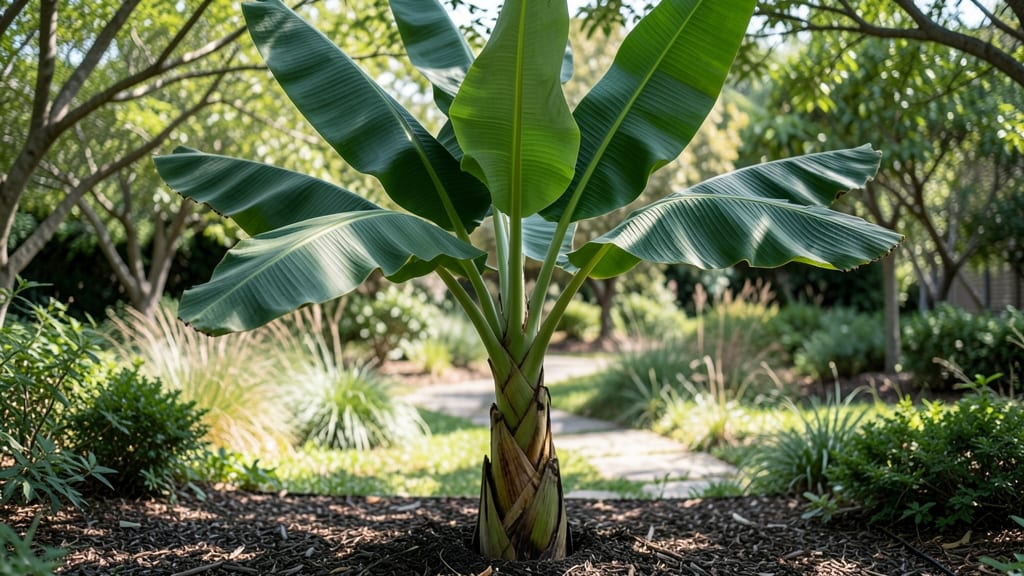
Pruning your Japanese banana tree (Musa basjoo) turns a wild, sprawling giant into a neat, manageable focal point—without sacrificing that lush tropical vibe. 🌿 I’ve pruned mine for three years now, and the secret isn’t hacking away blindly; it’s about timing, technique, and knowing which leaves actually matter.
One wrong cut can set you back months of growth, but the right approach keeps your plant thriving and looking intentional.
The best time to prune is late winter or early spring, right before new shoots emerge. You’ll want sharp pruners, rubbing alcohol to sterilize them, and a clear day to assess the plant’s structure.
Focus on removing old, dead leaves (they’re brown and crunchy) and any that cross or rub against each other—these create weak spots where pests love to hide. Leave the healthiest, youngest leaves (they’re green, plump, and upright) to fuel next season’s growth.
What you’ll end up with is a compact, bushier plant that produces more of those signature banana-shaped leaves—and yes, the occasional edible (but bitter) fruit if you’re lucky.
The key is patience: after pruning, your tree might look sparse for a few weeks, but within 4-6 weeks, new shoots will burst from the base, and you’ll forget it ever needed a haircut. The payoff? A tree that stays manageable year-round, even in small yards or containers.
Pro tip: Save those pruned leaves! Dry them out and use them as natural mulch around the base—it’ll keep moisture in and deter weeds. And if your tree starts leaning?
That’s normal—just stake it lightly in spring to guide its growth. Now, let’s get those pruners out and shape that beauty.
📚 In This Guide
- What you need
- Instructions
- Tips and common mistakes
- Wrapping up and next steps
What you need
- ● Pruning shears: Sharp, bypass-style shears (4–6 inches) for clean cuts on smaller branches.
- ● Loppers: Heavy-duty loppers (8–12 inches) for thicker stems (up to 2 inches in diameter).
- ● Hand pruners: For precision trimming of pseudostems or small shoots (avoid dull blades!).
- ● Gloves: Thick, cut-resistant gloves (e.g., leather or heavy-duty gardening gloves) to protect against sap and sharp edges.
- ● Disinfectant: 70% isopropyl alcohol or a gardening disinfectant (1 part bleach to 9 parts water) to sterilize tools between cuts.
- ● Compost bin or bag: For collecting pruned pseudostems and leaves (decompose or discard—Musa basjoo is non-invasive but can spread!).
- ● Watering can or hose: To hydrate the tree post-pruning (especially in dry climates).
- ● Safety glasses: If dealing with large, heavy fronds or debris.
- ● Rubbing alcohol or hydrogen peroxide: To clean sap stains from tools or skin.
- ● Plant food: Balanced fertilizer (10-10-10) or compost to replenish nutrients after heavy pruning.
- ● Mulch: Organic mulch (e.g., straw or wood chips) to retain moisture and protect roots.
- ● Extension pole: For high-reaching branches (if your tree is mature!).
Step-by-Step instructions for pruning Japanese banana trees
Here's how I keep my Musa basjoo compact and healthy year-round—no more unruly giant leaves.
✂️ Step 1: Remove Dead or Damaged Leaves First
Start by inspecting your tree for leaves that are brown, torn, or completely dried out. These are your first targets—they're not just ugly, they're also sapping energy from your plant. Grab a pair of clean, sharp pruning shears and cut these leaves at the base where they meet the stem. I always disinfect my tools with rubbing alcohol between cuts to prevent disease spread.
Look for leaves that are yellowing at the edges but still mostly green. These are often a sign of nutrient deficiencies or pests, not just natural aging. If the leaf is less than 50% green, it's time to remove it. This step ensures your tree focuses its energy on new, healthy growth instead of maintaining dying foliage.
✂️ Step 2: Prune Oldest Leaves for Compact Growth
The key to keeping your Musa basjoo compact is removing the oldest, largest leaves from the outer edges. These are usually the longest ones with visible brown tips. I aim to remove about 20-30% of the oldest leaves in one session. This encourages the plant to produce new, smaller leaves from the center rather than letting it grow taller and more sprawling.
When pruning, make your cuts clean and straight about 1-2 inches above the ground or where the leaf meets the trunk. Never leave stubs—this can attract pests. You'll notice new shoots emerging from the center of the plant within a few weeks. This is your tree's way of saying "thank you" for the pruning!
✂️ Step 3: Trim Suckers for Energy Redirection
Japanese banana trees often produce suckers—those smaller shoots that grow from the base of the main trunk. While they can be tempting to keep (they'll eventually grow into new plants), they steal nutrients from your main tree. Use your pruning shears to cut these suckers off at the base. I usually do this in early spring when new growth is just beginning.
If you want to propagate new plants, you can carefully dig up and pot the suckers instead of cutting them off. Just make sure to leave at least one sucker on the main plant to ensure it continues growing strong. You'll see your main tree put all its energy into growing taller and producing larger, healthier leaves after removing these competitors.
🌿 Step 4: Shape the Canopy for Aesthetic and Health
Now it's time for the fun part—shaping! Look at your tree and identify any leaves that are growing in awkward directions or blocking sunlight from reaching the center. Gently guide these leaves into a more uniform shape by carefully cutting back any overly long or misplaced growth. I like to aim for a slightly vase-like shape where the leaves fan out evenly from the center.
Pay special attention to any leaves that are growing directly upward. These can make your tree look top-heavy and are more prone to breaking in wind or storms. Cutting them back encourages the plant to grow leaves that spread outward, creating a more stable and attractive shape. After shaping, step back and admire your work—your tree should look fuller and more balanced.
⏰ Step 5: Seasonal Pruning Schedule
For year-round maintenance, I prune my Musa basjoo about four times a year: in early spring, late spring, early fall, and late fall. Spring pruning focuses on removing dead leaves and shaping, while fall pruning is more about cleanup and preparing for winter. Avoid heavy pruning in winter when the plant is dormant, but you can do light maintenance to remove any damaged leaves that appear.
After each pruning session, I always give my tree a good drink of water and a light application of balanced fertilizer. This helps it recover quickly and puts it in the best position to grow strong new leaves. With consistent pruning, you'll notice your Japanese banana tree stays compact, healthy, and full of life throughout the year.
Tips & tricks for perfect Japanese banana tree pruning
These simple tricks will help you maintain your Musa basjoo like a pro—no more guessing or over-pruning!
Tool Prep: I can't stress this enough—always disinfect your pruning shears between cuts with rubbing alcohol. This prevents spreading fungal diseases that can weaken your tree. I also keep a small spray bottle of diluted bleach water (1 part bleach to 9 parts water) handy for quick tool sanitization during long pruning sessions.
Visual Pruning Guide: For Step 2, here's how to identify the right leaves to remove: look for leaves with brown tips that are at least 20% browned. These are your oldest leaves. The key is removing about 20-30% of these in one session—this creates that perfect balance between pruning and maintaining growth energy. Think of it like giving your tree a haircut: you want to remove enough to shape it, but not so much that it looks naked!
Sucker Strategy: When trimming suckers in Step 3, I recommend leaving at least one healthy sucker on the main plant if you want to propagate. This ensures your main tree continues growing strong while you grow new plants. If you're not propagating, remove all suckers—this redirects all energy to your main tree's growth. I've found that removing suckers in early spring gives the main plant the biggest growth boost for the season.
Seasonal Timing: The four-season schedule in Step 5 works perfectly, but here's a pro tip: if you notice new growth starting in late winter (before spring), that's your cue to do a light pruning session. This prevents overcrowding as the tree wakes up from dormancy. Just focus on removing any damaged leaves and shaping—no heavy pruning needed at this stage.
Pro Tips for Japanese Banana Tree Musa Basjoo
- These simple tricks will help you maintain your Musa basjoo like a pro—no more guessing or over-pruning!
- Tool Prep: I can't stress this enough—always disinfect your pruning shears between cuts with rubbing alcohol.
- Visual Pruning Guide: For Step 2, here's how to identify the right leaves to remove: look for leaves with brown tips that are at least 20% browned.
Frequently asked questions
Q: How often should I prune my Musa basjoo?
Prune your Musa basjoo year-round—but focus on maintenance pruning (removing dead leaves, yellowing fronds, or overcrowded growth) every 2-4 weeks. For structural pruning (shaping or reducing size), aim for late winter or early spring before new growth begins. Avoid heavy pruning in fall, as the plant needs energy to store for winter.
Q: Can I prune my Japanese banana tree in winter?
Yes, but lightly! Winter is the dormant season, so prune only dead, damaged, or diseased fronds. Avoid heavy cuts—this can stress the plant. If your area gets freezing temps, wait until spring (after last frost) for major pruning. Pro tip: Wrap the trunk with burlap or mulch for extra protection!
Q: What’s the best way to prune for a more compact shape?
To encourage a denser, bushier look, focus on selective pruning:
- Remove the tallest fronds (cut at the base) to redirect energy to side shoots.
- Trim back overcrowded growth near the center to improve airflow.
- Avoid cutting more than ⅓ of the plant at once—this prevents shock.
Q: My Musa basjoo leaves are turning yellow—what should I do?
Yellow leaves are normal as the plant ages, but excessive yellowing can signal overwatering, nutrient deficiency, or pests. First, check the soil—it should be moist but not soggy. If leaves are soft or mushy, reduce watering. For brown tips, it may need more humidity or potassium. Remove yellow fronds at the base to encourage new growth.
Q: Are there alternatives to pruning for controlling size?
If pruning feels overwhelming, try these low-maintenance alternatives:
- Plant in a large container (with drainage) to naturally limit root spread.
- Use a slow-release fertilizer (like balanced 10-10-10) to control vigorous growth.
- Select a dwarf variety (e.g., Musa basjoo ‘Compacta’) if space is tight.
- Mulch heavily (3-4 inches) to suppress aggressive root expansion.
Wrapping up and next steps
The Musa basjoo, or Japanese banana tree, thrives with the right pruning care—transforming it into a lush, manageable plant that rewards you with year-round growth. By mastering seasonal trims, removing dead fronds, and encouraging airflow, you’ll unlock a compact, vibrant canopy that’s both functional and stunning.
Whether you’re a pruning pro or just starting, these growth hacks make the process simple and satisfying!
Ready to level up your banana tree game? 🌿 Start by scheduling your next pruning session—just follow the steps above, and watch your Musa basjoo flourish with minimal effort. Happy gardening!