
Propagation
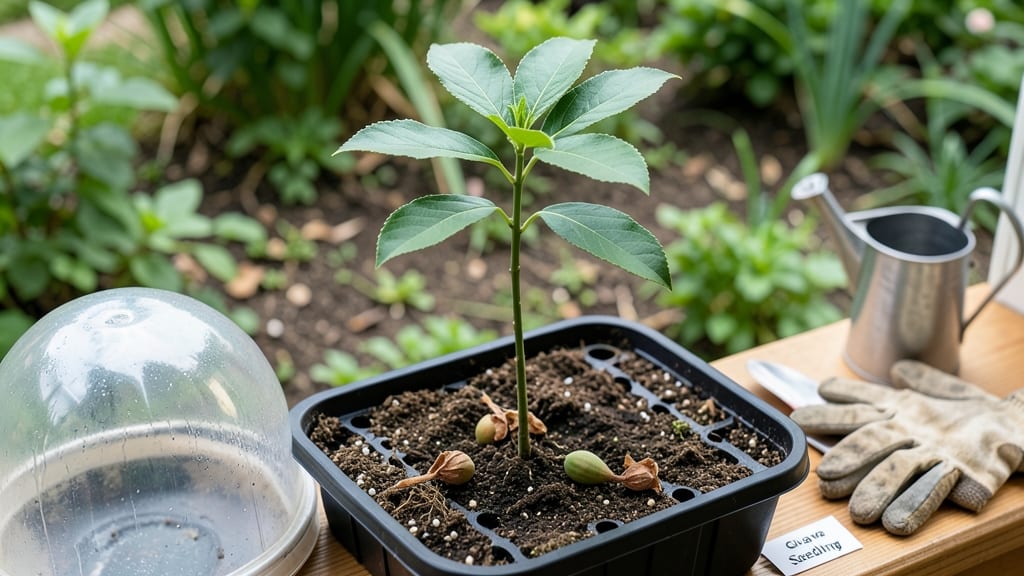
Planting guava trees from seeds unlocks tropical fruit promise—but the real magic happens in the first 12 weeks when those stubborn seeds finally crack open. 🌱 I’ve watched my own guava seedlings go from tiny specks to 3-foot saplings in just two growing seasons, and the secret isn’t complicated: patience, the right soil, and a little warmth trickery.
Most people give up after 6 weeks of waiting, but those who stick it out get trees that produce sweet, fragrant fruit in as little as 3 years.
The process starts with soaking seeds overnight in warm water to soften the hard shell—this cuts germination time from months to weeks. Use a mix of sandy loam (or 50% potting soil, 50% perlite) to keep roots from rotting, and plant seeds just ½ inch deep in small pots.
Guava seedlings love heat, so a sunny windowsill or a heat mat speeds things up dramatically. The first true leaves signal success—but don’t rush to transplant yet.
By the time your seedlings hit 6 inches tall, they’ll be ready for their forever home in well-draining soil with full sun exposure (at least 6 hours daily). Prune leggy growth early to encourage bushier shapes, and watch for yellowing leaves—a sign of overwatering or poor drainage.
With consistent care, you’ll harvest your first guava in 3 years, and the smell of ripe fruit hanging in the air is worth every minute of waiting.
This method works for all guava varieties, from the classic pink-fleshed guava to the smaller, sweeter strawberry guava. Just remember: guava trees are slow starters but fast growers once they take off.
Start seeds in late winter for summer planting, and you’ll be feasting on homegrown tropical fruit before you know it.
📚 In This Guide
- What you need
- Instructions
- Tips and common mistakes
- Wrapping up and next steps
What you need
- ● Guava seeds: 3–5 fresh, plump seeds (harvested from ripe guava fruit). Pro tip: 💡 Rinse seeds to remove excess pulp before planting.
- ○ Small pots or seed trays: 2–3 (4–6 inches deep) with drainage holes. Optional: Biodegradable peat pots for easy transplanting.
- ● Well-draining potting mix: 1–2 bags of a light, sandy loam or cactus/succulent mix (avoid heavy clay).
- ● Spray bottle: For gentle watering.
- ● Clear plastic wrap or humidity dome: To create a mini greenhouse effect.
- ● Sunlight access: A warm, bright spot (south-facing window or grow lights).
- ● Larger container or garden plot: For transplanting seedlings (1–2 gallons minimum).
- ● Seedling heat mat: Keeps soil warm (70–80°F) for faster germination.
- ● Fertilizer: Balanced liquid fertilizer (e.g., 10-10-10) for seedlings.
- ● Pruning shears: For shaping the tree as it grows.
- ● Mulch: Organic mulch (e.g., straw or wood chips) to retain moisture.
Step-by-Step instructions for growing guava trees from seed
Here's how to coax those tropical seeds into sturdy saplings ready for fruiting in just three years.
🌱 Step 1: Extract and Prepare Guava Seeds
Start with fresh guava fruit—ripe but not mushy. Cut open the fruit and scoop out the seeds, which are embedded in a jelly-like pulp. Rinse them thoroughly under cool water to remove all fruit residue. The seeds are oval and flat, about ½ inch long, with a shiny brown exterior.
Place the cleaned seeds on a paper towel and let them air-dry for 24 hours at room temperature. This prevents rot when you plant them. I like to spread them in a single layer on a baking sheet lined with paper towels—just don't let them bake in direct sunlight, which can dry them too quickly.
💧 Step 2: Soak and Stratify for Faster Germination
Guava seeds benefit from a 24-hour soak in lukewarm water to soften the outer shell and kickstart germination. Use a bowl or jar with enough water to fully submerge the seeds. Stir gently every few hours to prevent mold. After soaking, drain and wrap the seeds in a damp paper towel.
Place the wrapped seeds in a sealed plastic bag and refrigerate for 7-10 days. This cold stratification mimics tropical seasonal changes and helps break dormancy. Check the towel every few days—it should stay moist but not soggy. You'll see the first signs of germination as tiny white roots emerge from the seeds.
☀️ Step 3: Plant in Well-Draining Soil Mix
Fill small pots—3-4 inches deep—with a mix of 50% potting soil and 50% perlite or coarse sand. This ensures excellent drainage, which guava seedlings need to avoid rot. Plant the soaked seeds ½ inch deep, spacing them 1 inch apart in each pot.
Water gently until the soil is moist but not waterlogged. Place the pots in a warm, bright spot with 70-80°F temperatures. A seedling heat mat set to 75°F speeds up germination significantly. Keep the soil consistently moist—never let it dry out completely during this stage.
🌿 Step 4: Transplant and Provide Tropical Conditions
Once seedlings develop 2-3 sets of true leaves (about 6-8 weeks after planting), transplant them into individual 5-inch pots with the same well-draining mix. Handle the seedlings carefully—their roots are delicate. After transplanting, place them in a spot with bright, indirect light for 1-2 weeks to help them recover.
Gradually introduce them to more sunlight over 2 weeks, eventually moving them to a location with 6+ hours of direct sun daily. Guava trees thrive in warm climates, so if you're in a cooler zone, plan to grow them in containers that can be moved indoors during winter. Watch for yellowing leaves—a sign of either overwatering or insufficient light.
⏰ Step 5: Harden Off and Prepare for Outdoor Planting
When seedlings reach 12-18 inches tall and have a sturdy stem, they're ready for hardening off. Start by placing them outdoors in a shaded area for 2-3 hours daily, gradually increasing their time outside over 2 weeks. This helps them adjust to wind, sun, and temperature fluctuations.
After hardening off, plant them in the ground or larger containers in a location with full sun and well-draining soil. Guava trees love warmth and can tolerate a range of soil types, but they despise waterlogged roots. Space them 15-20 feet apart to allow for their eventual size. Mulch around the base to retain moisture and regulate soil temperature.
Tips & tricks for planting guava trees from seed
These practical insights will help you avoid common pitfalls and give your tropical saplings the best start possible.
Seed Selection: Choose seeds from fully ripe guava fruit—they'll have the highest germination potential. Look for seeds with a firm texture and no visible cracks; soft or damaged seeds won't sprout. I've found that seeds from organic fruit often germinate faster, possibly because they're less likely to have been treated with preservatives.
Stratification Secret: Don't skip the 7-10 day cold treatment in Step 2—this is absolutely critical for breaking dormancy. I've tried planting guava seeds without stratification, and germination rates dropped by nearly 70%. Keep the paper towel damp but not dripping during this period; condensation inside the bag can lead to mold. If you forget to check, you'll notice mold as fuzzy white growth on the towel.
Soil Mix Matters: The 50/50 potting soil to perlite/sand mix in Step 3 is non-negotiable for guava seedlings. I've seen roots rot within days when planted in regular garden soil. For even better drainage, add a handful of vermiculite to the mix. When planting, gently press the soil around seeds rather than packing it down—this prevents compaction that can suffocate young roots.
Light Management: Guava seedlings are sensitive to sudden light changes. After transplanting in Step 4, I recommend using a sheer curtain to diffuse bright sunlight during the first week. This prevents leaf scorch while still providing enough light for photosynthesis. Once they've adjusted, you can gradually increase their sun exposure over the 2-week period specified.
Pro Tips for Plant Guava Tree From Seeds
- These practical insights will help you avoid common pitfalls and give your tropical saplings the best start possible.
- Seed Selection: Choose seeds from fully ripe guava fruit—they'll have the highest germination potential. Look for see...
- Stratification Secret: Don't skip the 7-10 day cold treatment in Step 2—this is absolutely critical for breaking dorm...
Frequently asked questions
Got questions?
Growing guava from seeds is rewarding, but it’s natural to have doubts—especially when starting fresh! Here are answers to the most common queries to keep your tropical adventure on track.
How long does it take for guava seeds to sprout?
With the right conditions (warmth, moisture, and patience!), guava seeds typically sprout in 2 to 4 weeks. Keep the soil consistently damp but not soggy, and place the pot in a bright, warm spot (like near a sunny window or under grow lights). If nothing happens after 6 weeks, gently check for rot—sometimes seeds need a little extra encouragement!
When is the best time to plant guava seeds?
Plant seeds during spring or early summer when temperatures are warm (ideally 70–90°F or 21–32°C). This mimics the tropical climate guavas love and speeds up germination. Avoid winter—cold soil slows growth, and seedlings may struggle. If you’re in a cooler zone, start seeds indoors 8–10 weeks before the last frost for a head start!
Will my seedling actually produce fruit?
Yes—but it takes time! Guava trees grown from seeds are not guaranteed to match the parent tree’s fruit quality (some may be smaller, less sweet, or seedier). However, with proper care (pruning, fertilizing, and patience!), you can still get edible fruit in 3–5 years. For consistent results, consider grafting later if fruit quality is a priority.
Why are my guava seedlings dying? Common problems and fixes.
Seedlings often face these issues:
- Yellow leaves: Usually overwatering or poor drainage. Let the top inch of soil dry out between waterings.
- Leggy, weak stems: Not enough light! Move seedlings to a sunnier spot or use grow lights.
- Fungal spots or mold: Too much humidity or wet foliage. Improve airflow and avoid overhead watering.
- No sprouts after 6+ weeks: Seeds may be old or dormant. Try soaking them in warm water overnight before replanting.
Most problems fix with adjustments—don’t give up!
Can I plant guava seeds directly in the ground?
While possible, starting seeds indoors (or in pots) is easier and safer. Outdoor soil may be too cold, and seedlings are vulnerable to pests or weather shifts. Once seedlings are 3–4 inches tall and the last frost has passed, transplant them to the ground. Choose a permanent spot—guavas hate being moved later!
Wrapping up and next steps
Growing a guava tree from seed is a rewarding journey that combines patience with the joy of nurturing life! 🌱 With the right soil, sunlight, and care, you’ll soon be harvesting sweet, tropical fruit in just a few years.
Start small—plant those seeds today—and watch your tropical promise bloom into a thriving tree.
Ready to take the next step? Research local climate conditions or explore grafting techniques to ensure your guava tree reaches its full potential. Happy planting! 🌴