
Planting
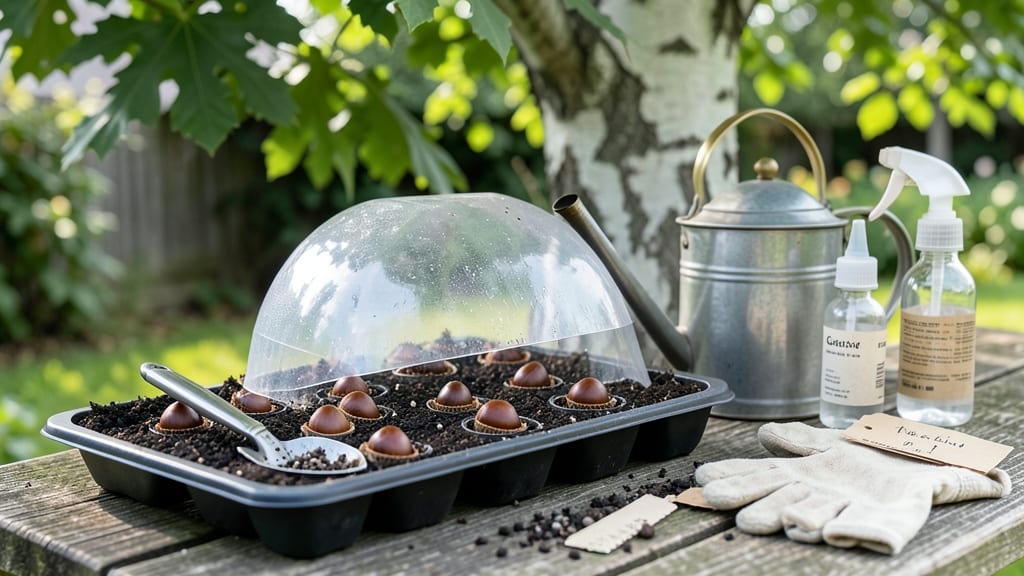
Planting beech tree seeds starts with a 3-month cold-stratification trick that mimics winter in nature. 🌱 I’ve struggled with these stubborn seeds before—until I learned the secret to breaking their dormancy. The key is patience, the right soil mix, and keeping them consistently moist while they wait for spring.
You’ll need fresh seeds (or freshly collected ones), a mix of potting soil and perlite, and a container with drainage. Plant them just beneath the surface—no deeper than ½ inch—since beech seeds need light to germinate.
The magic happens when you keep them in the fridge for 90 days, mimicking the natural winter cycle they’d experience in the wild. Once you move them to a sunny windowsill or greenhouse, expect sprouts in 4-8 weeks.
They’ll start as delicate little leaves, but with proper care, you’ll have sturdy seedlings ready for transplanting by late spring. The first true leaves signal it’s time to harden them off before moving outside. This method works for both American and European beech varieties.
Just be warned: beech trees take years to mature, but the payoff is a majestic shade tree that’ll outlive you. Let’s get those seeds sprouting!
📚 In This Guide
- What you need
- Instructions
- Tips and common mistakes
- Wrapping up and next steps
What you need
- ● Beech tree seeds: 10–20 fresh, viable seeds (harvested from mature beech trees, ideally in fall). Pro tip: If buying, ensure they’re cold-stratified or ready for stratification!
- ● Cold-stratification supplies: 1–2 paper towels or peat moss (moistened, not soggy)
- ● 1 ziplock bag (resealable, quart-sized) or small container (like a plastic cup with holes)
- ● 1 refrigerator (set to 35–40°F / 2–4°C) or a cold frame (if outdoors in winter)
- ● Planting containers: 1–2 seedling trays (biodegradable or plastic, with drainage holes) OR
- ● Small pots (3–4 inches deep) (use 1–2 per seed)
- ● Potting mix: 1–2 bags of well-draining, sterile seed-starting mix (avoid garden soil—it’s too dense!)
- ● Spray bottle (for gentle watering) or a small watering can with a fine rose nozzle
- ● Plastic wrap or humidity dome (to retain moisture during germination)
- ● Grow lights or sunny windowsill: A full-spectrum LED grow light (12–16 hours/day) or a south-facing window (bright, indirect light)
- ○ Heat mat (optional but helpful): A seedling heat mat (70–75°F / 21–24°C) speeds up germination
- ● Seedling labels: To track planting dates and varieties
- ● Fungicide (mild): Like hydrogen peroxide (3%) or neem oil to prevent mold
- ● Transplanting tools: Small trowel and gardening gloves for later stages
- ● Outdoor hardening-off supplies: A shady, sheltered spot (like a greenhouse or porch) for acclimating seedlings
Step-by-step instructions for planting beech tree seeds
Here's how to turn those tiny beech seeds into sturdy saplings ready for transplanting.
🌱 Step 1: Extract and Cold-Stratify the Seeds
Beech seeds need a 3-month cold stratification to break dormancy. Start by removing the seeds from their spiny husks—wear gloves, as the husks are sharp. Place the clean seeds in a paper towel or moistened vermiculite inside a sealed plastic bag. Label the bag with the date and store it in your refrigerator's crisper drawer where temperatures stay between 34-40°F. Check them monthly to ensure they remain moist but not soggy.
This cold treatment mimics winter conditions, tricking the seeds into thinking spring has arrived. You'll see tiny roots emerge after about 6-8 weeks—that's your signal to move them to soil. If you skip stratification, the seeds may never sprout or take years to germinate. Patience here pays off with stronger seedlings.
🪴 Step 2: Prepare Containers and Soil Mix
Fill 4-inch diameter pots with a sterile seed-starting mix—never garden soil, as it compacts and suffocates roots. I like to blend equal parts potting mix and perlite for extra drainage. Moisten the mix until it feels like a damp sponge, then press it lightly into the pots to remove air pockets. Leave about ½ inch of space between the soil surface and the pot rim for watering.
Beech seedlings are sensitive to root disturbance, so I use biodegradable pots made from peat or coconut coir. These dissolve harmlessly when transplanting, protecting the delicate root systems. If you must use plastic, choose pots with multiple drainage holes to prevent waterlogging.
☀️ Step 3: Sow Stratified Seeds and Maintain Moisture
Plant one seed per pot at a depth of ½ inch, pressing the soil gently around it to ensure good contact. Place the pots in a humidity dome or cover them loosely with plastic wrap to retain moisture. Keep them in bright, indirect light—a north-facing window or under grow lights set to 12-14 hours daily works best. Beech seedlings dislike direct sun at this stage.
Water the pots from the bottom by placing them in a tray of lukewarm water for 10-15 minutes. This prevents soil disturbance and ensures even moisture. Keep the soil consistently damp but never waterlogged—you'll see the surface dry slightly between waterings. Germination typically takes 4-8 weeks after sowing, depending on seed freshness.
🌿 Step 4: Transplant and Acclimate Seedlings
Once seedlings reach 3-4 inches tall with 2-3 sets of true leaves, they're ready for their first transplant. Gently remove them from the pots, being careful not to damage the roots. Plant them in 6-inch pots with the same sterile mix, burying them to the same depth they were growing before. Water them thoroughly after transplanting to settle the soil.
Place the seedlings in partial shade for the first week to reduce stress. Gradually introduce them to morning sun over the next 10 days, then move them to full sun once they show new growth. Beech trees grow slowly, so avoid overcrowding—space them 12 inches apart in their new pots. This step ensures they develop strong root systems before their final outdoor planting.
⏰ Step 5: Overwinter and Prepare for Outdoors
Beech seedlings need one more growing season indoors before they're hardy enough for the ground. Keep them in cool conditions (around 55-65°F) with bright light during winter. Reduce watering slightly—let the top ½ inch of soil dry out between waterings. This mimics natural dormancy and prevents root rot.
In early spring, when nighttime temperatures stay above 40°F, you can transplant them outdoors to a sheltered, partially shaded spot. Choose a location with well-draining soil and protection from strong winds. Beech trees are shade-tolerant but grow best with dappled sunlight. Mulch around the base with 2 inches of organic mulch to retain moisture and regulate soil temperature.
Tips & tricks for planting beech tree seeds
Here's what I've learned after years of growing beech saplings—these tricks make all the difference with finicky seeds.
Cold Stratification Tip: Don't rush the 3-month cold treatment—this is non-negotiable for beech seeds. I've tried skipping it, and the seeds either never sprouted or took over a year to germinate. Place a small dish of water in your refrigerator's crisper drawer to maintain humidity. The seeds should feel damp like a wrung-out sponge, not dripping wet. If you're short on space, use a second refrigerator or a dedicated seed fridge—just keep temps steady between 34-40°F.
Soil Mix Secret: The sterile seed-starting mix is your best friend here. I've found that adding a handful of horticultural charcoal to your potting mix blend prevents mold and keeps the mix fresh longer. When pressing the mix into pots, use a spoon to gently tap the sides—this eliminates air pockets that could rot delicate roots. For extra insurance, I microwave my mix for 2 minutes before use to sterilize it completely.
Lighting Strategy: Beech seedlings are sensitive to light changes, so consistency is key. If using grow lights, position them 6-8 inches above the seedlings and adjust the height as they grow. I've noticed that seedlings under grow lights develop slightly faster than those in window light—just make sure they get that full 12-14 hours daily. For windowsill growers, rotate pots weekly to prevent lopsided growth toward the light source.
Transplanting Hack: When moving seedlings to 6-inch pots, I dip the root ball in a rooting hormone solution before planting. This isn't required but gives your seedlings a confidence boost. After transplanting, water thoroughly but let the seedlings sit in partial shade for 24 hours before introducing them to morning sun. This gradual transition prevents transplant shock that can stunt growth.
Pro Tips for Plant Beech Tree Seeds
- Here's what I've learned after years of growing beech saplings—these tricks make all the difference with finicky seeds.
- Cold Stratification Tip: Don't rush the 3-month cold treatment—this is non-negotiable for beech seeds.
- Soil Mix Secret: The sterile seed-starting mix is your best friend here.
Frequently asked questions
Got questions about growing beech tree seeds? You’re not alone—these little nuts can be tricky! Here are answers to the most common concerns to help you succeed.
How long does it take for beech tree seeds to sprout?
With cold stratification (the key to breaking dormancy), beech seeds typically sprout in 3–6 months. Some may take longer, especially if moisture or temperature isn’t ideal. Patience is key—keep them in a damp, cool environment (like a fridge) until you see tiny green shoots!
Do I really need to cold-stratify beech seeds?
Yes!
Beech seeds have a hard outer shell that blocks germination without cold treatment. Skip stratification, and you’ll likely wait years (or never) for sprouts. The 3-month fridge method mimics winter’s natural process—no shortcuts work as well.
Can I plant beech seeds directly outside in fall?
While some gardeners try direct outdoor sowing in autumn, beech seeds rarely sprout this way due to harsh winter conditions. If you attempt it, plant them deep (2–3 inches) in well-draining soil, mark the spot, and hope for the best. Most experts recommend indoor stratification for better results.
Why aren’t my beech seeds sprouting after stratification?
Check these common culprits:
- Overly dry soil: Keep the medium damp (not soggy) during germination.
- Too warm: Ideal temps are 60–70°F after stratification.
- Old seeds: Beech seeds lose viability quickly—use fresh ones (<1 year old).
- Poor seed quality: Some seeds may be empty—test-float them (empty ones sink).
What’s the best alternative if beech seeds won’t grow?
If germination fails, consider:
- Transplanting a young beech sapling (available at nurseries).
- Growing fast-growing shade trees like hickory or maple instead.
- Layering (propagating from existing beech branches) for a guaranteed tree.
Wrapping up and next steps
Planting beech tree seeds is a rewarding journey that combines patience and care—especially with cold stratification to unlock their potential! 🌱 By following these steps, you’ve learned how to nurture tiny seeds into strong saplings ready for transplanting in just three months.
The key? Consistency in moisture, temperature, and light—plus a dash of optimism for nature’s timeline.
Now that you’re equipped with the know-how, why not take the next step? Grab those seeds, set up your cold stratification station, and watch your little forest begin to grow. Happy planting—your future beech trees are counting on you! 🌳✨