
Planting
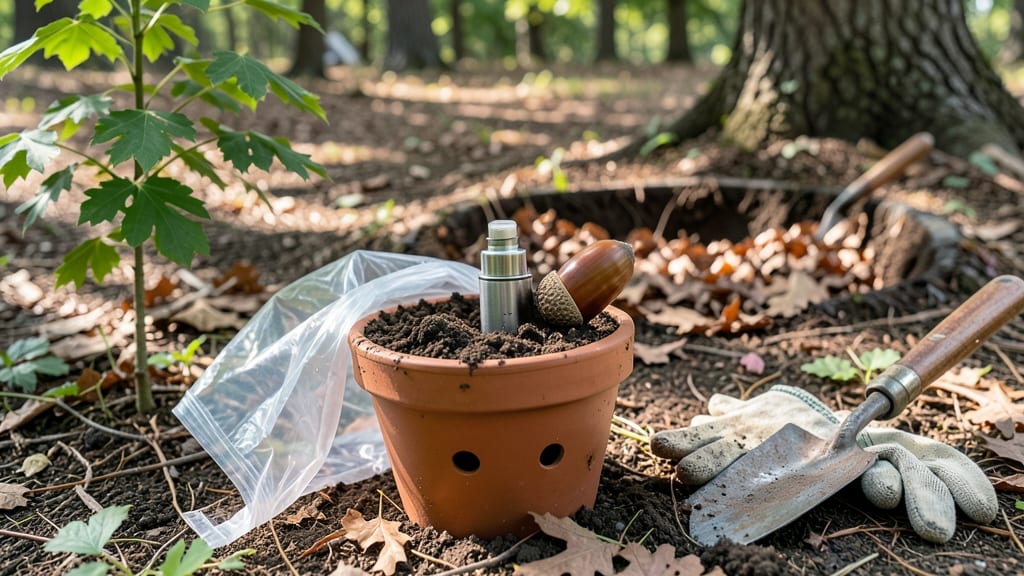
Planting an oak tree seed starts with a three-month cold treatment—no shortcuts here. 🌰 I’ve tried rushing it (bad idea), and learned that mimicking winter’s chill is what wakes those stubborn seeds from dormancy. The process isn’t fast, but the payoff—a towering oak in decades—makes every step worth it.
You’ll need acorns (fresh or stored), a plastic bag, moist peat moss or sand, and a sunny spot. The stratification mimics nature’s timing, breaking down the seed’s hard shell so it can finally sprout. Most people skip this step and wonder why nothing happens—don’t be that person.
By spring, you’ll see tiny green shoots pushing through the soil, a signal that your patience paid off. These seedlings grow slowly at first, but with consistent watering and full sun, they’ll develop into sturdy saplings ready for transplanting in 3-5 years.
The real magic happens years later, when that sapling becomes a shade-providing giant. Oak trees are patient teachers—they remind us that some of life’s best rewards take decades to unfold. Let’s get those seeds sprouting right.
📚 In This Guide
- What you need
- Instructions
- Tips and common mistakes
- Wrapping up and next steps
What you need
- ● Oak tree acorns: Fresh, mature acorns (preferably from Quercus species like white oak or red oak). Aim for 5–10 acorns to increase success rates.
- ● Stratification medium: Sphagnum peat moss (1–2 cups) (or coconut coir for a sustainable alternative)
- ● Moistened paper towels (2–3 sheets) (for cold stratification)
- ● Plastic bag or airtight container: A quart-sized zip-top bag or small Tupperware to hold stratification materials.
- ● Refrigerator: A standard fridge set to 33–41°F (1–5°C) for cold stratification (4–12 weeks).
- ● Planting pots: Small pots (3–4 inches in diameter) with drainage holes, or a seed tray with individual cells.
- ● Well-draining potting mix: A blend of 50% peat moss, 30% perlite, and 20% compost (or a pre-mixed seed-starting mix).
- ● Watering can or spray bottle: With a fine mist setting to avoid displacing seeds.
- ○ Garden gloves: Optional but recommended to protect your hands from tannins in acorns.
- ● Seedling heat mat: To keep soil warm (70–75°F) during germination (speeds up sprouting!).
- ● Grow lights: LED or fluorescent lights for 12–16 hours/day if natural light is limited.
- ● Fungicide: A mild mycorrhizal inoculant or copper-based fungicide to prevent damping-off disease.
- ● Acorn cap: Left on during stratification to retain moisture (but remove before planting).
- ● Planting journal: To track stratification dates, germination progress, and growth milestones!
Step-by-step instructions for planting oak tree seeds
Oak seeds need patience and the right approach—here's how to break down the process into clear, manageable steps.
🌱 Step 1: Harvest and Clean the Acorns
Collect mature acorns in fall when they've fallen naturally from the tree. Choose plump, intact acorns with no cracks or holes—these are the ones most likely to sprout. Remove any remaining cap or husk by gently rubbing them between your palms or with a soft brush. This step ensures you're starting with healthy seeds free from pests or disease.
Soak the acorns in water for 24 hours to soften the shell slightly. This makes the next step easier. After soaking, place them in a container with lukewarm water and let them sit for another 24 hours. You’ll know they’re ready when they sink to the bottom—floating acorns are often empty or damaged and won’t sprout.
🌿 Step 2: Stratify the Seeds for Winter Dormancy
Oak seeds require stratification, a cold period that mimics winter, to break dormancy. Fill a container with moist sand or peat moss (about 3 inches deep) and bury the acorns 2 inches deep. Cover the container and place it in a refrigerator (or outside in a protected spot if temperatures stay below 40°F) for 90-120 days. This cold treatment tricks the seed into thinking winter has passed, signaling it’s time to grow.
Check the moisture level every 2-3 weeks—the sand or peat moss should stay damp but not soggy. If it dries out, add a little water. You’ll see tiny roots or a sprouted radicle (the first root) after 6-8 weeks, but don’t rush to plant yet. The full 120 days ensures the best germination rate.
☀️ Step 3: Plant the Stratified Acorns in Spring
Wait until late winter or early spring (when soil temperatures rise above 50°F) to plant. Choose a sunny location with well-draining soil—oaks thrive in full sun and won’t tolerate soggy roots. Dig a hole 1 inch deep and place the acorn pointy end up, about ½ inch below the surface. Cover it lightly with soil and water gently to settle it in place.
Space the acorns 6-8 inches apart if planting multiple seeds—this gives each one room to grow without competing for nutrients. Mark the spot with a small stake or flag so you don’t accidentally disturb the area while waiting for sprouts. Oak seedlings can take 2-3 weeks to emerge after planting, so be patient.
💧 Step 4: Care for Young Seedlings
Keep the soil evenly moist (not waterlogged) for the first 6 months—young oak seedlings are delicate and need consistent water to establish roots. Mulch around the base with 2-3 inches of wood chips to retain moisture and suppress weeds. Avoid heavy mulch piles directly against the stem, as this can cause rot.
Once the seedlings reach 6-12 inches tall, thin them to the strongest 2-3 plants per location. Remove weaker seedlings at the base with clean pruners. This step prevents overcrowding and gives the remaining trees room to grow into sturdy, healthy specimens. After thinning, water deeply to help the roots recover.
⏰ Step 5: Monitor and Protect for Long-Term Growth
Oak trees grow slowly, so give them 5-10 years to mature before expecting significant height or canopy development. Protect young trees from deer, rabbits, or rodents with a tree guard or wire mesh during their first few years. These pests love tender oak seedlings and can strip them down to the ground if left unchecked.
Fertilize lightly in early spring with a balanced, slow-release fertilizer (like 10-10-10) only if the soil is poor. Over-fertilizing can harm young roots. Prune only to remove dead or damaged branches—never "top" the tree to control height, as this weakens the structure. With proper care, your oak will reward you with shade and strength for decades.
Tips & tricks for planting oak tree seeds
Here's what I learned after years of watching acorns grow—or fail to grow—so you can avoid my early mistakes.
Acorn Selection Matters: In Step 1, when choosing acorns, look for ones that feel heavy for their size—this usually means they're full of viable seed. Tap two acorns together: the one that makes a hollow sound is likely empty. I've found that acorns from white oak trees (with flatter caps) often sprout more reliably than red oak acorns, though both can work with proper care.
Stratification Setup: For Step 2, use a container with drainage holes if placing outside—this prevents soggy conditions that can rot the acorns. I like using a plastic storage bin with holes drilled in the bottom, covered with mesh. The 90-120 day cold period is non-negotiable, but you can check for sprouting after 6-8 weeks to see early progress without compromising success.
Planting Depth and Orientation: When planting in Step 3, the "pointy end up" orientation is crucial—this is where the root will emerge. Planting too deep (more than 1 inch) can prevent sprouting, while planting too shallow (less than ½ inch) exposes the seed to drying out. I've had best success with a gentle watering after planting to settle the soil without disturbing the acorn's position.
Patience with Germination: In Step 4, don't be discouraged if sprouts don't appear immediately after planting. Oak seeds can take 2-3 weeks to emerge, and some might wait until spring's warmer soil temperatures. I've seen acorns planted in fall sprout the following spring—just keep the area marked and protected until you see signs of life.
Pro Tips for Plant An Oak Tree Seed
- Here's what I learned after years of watching acorns grow—or fail to grow—so you can avoid my early mistakes.
- Acorn Selection Matters: In Step 1, when choosing acorns, look for ones that feel heavy for their size—this usually means they're full of viable seed.
- Stratification Setup: For Step 2, use a container with drainage holes if placing outside—this prevents soggy conditions that can rot the acorns.
Frequently asked questions
Got questions about growing an oak tree from seed?
You’re not alone—this process can be tricky! Here are answers to the most common queries to help you succeed.
How long does it take for an acorn to sprout?
With proper stratification (cold treatment), acorns typically sprout in 4–12 weeks after planting. Some varieties may take longer, especially if moisture or temperature conditions aren’t ideal. Patience is key—oak trees grow slowly but reward you with decades of shade!
Can I skip stratification and plant acorns directly in the ground?
Not recommended! Stratification mimics winter conditions and breaks the seed’s dormancy. Planting raw acorns often results in 0% germination. If you’re short on time, try a refrigerator method (60 days in moist sand) or plant in fall—nature handles the cold for you.
What’s the best time of year to plant stratified acorns?
Plant after stratification, ideally in early spring (March–April) when soil is workable but not frozen. Fall planting (October–November) also works if your climate has mild winters. Avoid extreme heat—acorns dry out fast and lose viability.
Will squirrels or animals steal my acorns before they sprout?
Acorns are a wildlife magnet. Bury them 6–8 inches deep and mark the spot with stakes. For extra protection, plant in wire mesh cages (remove after sprouting) or choose high-traffic areas where critters are less likely to dig.
What if my acorn doesn’t sprout? Troubleshooting tips:
- Check viability: Float-test acorns—sinkers are viable; floaters are dead.
- Moisture issues: Keep soil consistently damp (not soggy) during germination.
- Temperature: Ideal sprouting temps are 60–75°F (15–24°C).
- Patience: Some oaks (like white oak) germinate slowly—wait up to 6 months.
If all else fails, try a new batch of acorns—some years just produce lower-quality seeds!
Wrapping up and next steps
Planting an oak tree seed is a rewarding journey that requires patience and care—but the results are worth every effort! 🌱 By following the right stratification techniques, choosing the ideal soil, and giving your seedling the time it needs to thrive, you’re not just growing a tree; you’re nurturing a legacy for future generations.
Start small, stay consistent, and soon you’ll be watching your mighty oak reach for the sky.
Ready to take the next step? Mark your calendar for spring planting season—your future forest awaits! 🌳✨